“No battle plan survives contact with the enemy.” This has been an old military saying that applies as much to weapons as it does to their strategy. There have been far too many weapons that have impressed in testing, wowed in pictures, and held the promise of transforming the nature of warfare, only to stumble when the shooting began.
On the proving grounds, war can be insulated away entirely, and system designers can work in conditions that are anything but. Once on the battlefield, though, nature and reality conspire in a brew that can reveal vulnerabilities never foreseen on the spec sheet. Some designs are redesigned, and some are legend.
In this list, nine interesting examples will be discussed that proved the promise of “perfect” battlefield technology was flawed, and these stories offer lessons in this area.

1. M16 Rifle – From Lethal Innovation to Reliability Crisis
When it was launched in 1964, the M16 was hailed as a ‘lightweight, low-reaction rifle that needs VERY LITTLE MAINTENANCE.’ Early reports from Vietnam praised its accuracy and punching power, as high velocity 5.56 mm ammunition inflicted severe damage to their victims. However, when it saw action, a number of problems relating to reliability soon became apparent. A change-over to a propellant like WC846 ball powder increased fouling, and cleanin’ kits were not issued with the rifles. Unchromed chambers corroded in wet jungles and caused problematic hang-ups of empty shell casings during critical situations. Congress investigated, and improvements followed: chrome-plated chambers, new buffers, and the infamous forward assist. While the M16A1 functioned properly, the reputation of the rifle would never be the same. This event proved that something as small as differences in ammunition chemistry can make an entire weapon system unworkable on the battlefield.
2. The M2 Bradley Fighting Vehicle – Doctrinal Inconsistency and Vulnerability
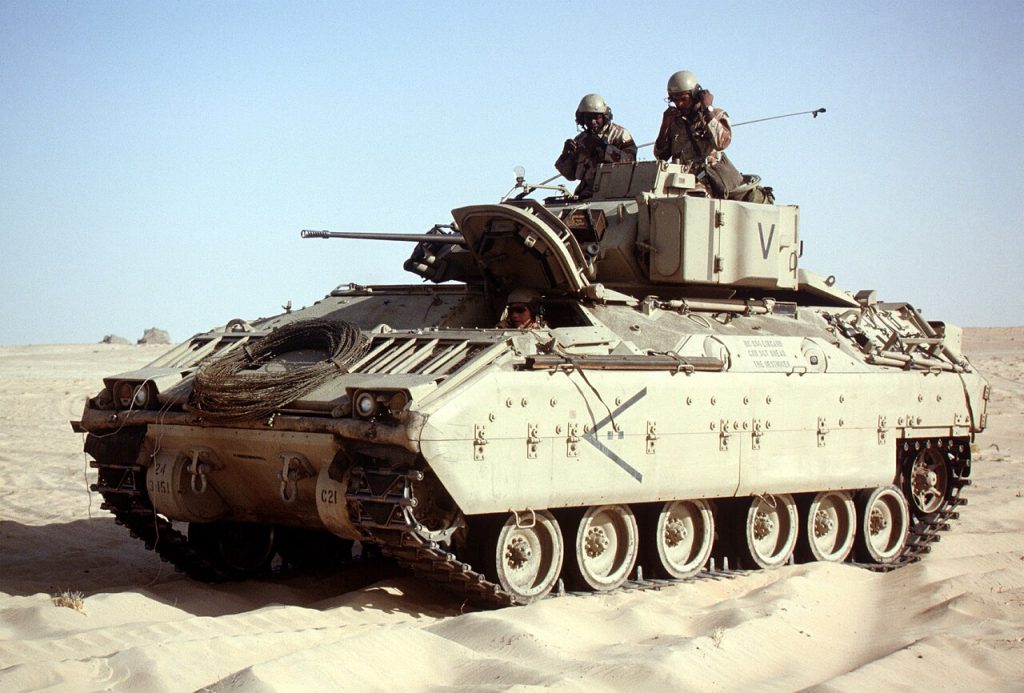
Designed to oppose the Soviet BMP-1 infantry fighting vehicle, which sported both troop transport capabilities as well as firepower, the Bradley has been in service since 1981. At first intended as “a vehicle that no one wanted,” it showed great prowess in Desert Storm by knocking out more Iraqi tanks than M1 Abrams. Yet its aluminum armor soon made it susceptible to both IED attacks in Iraq, having to be extracted from combat in 2007. Efforts to substitute it-through schemes like Future Combat Systems and Optionally Manned Fighting Vehicle- squandered billions of dollars without an effective successor.
3. Zumwalt-Class Destroyer – Cutting-Edge Design, Unusable Guns
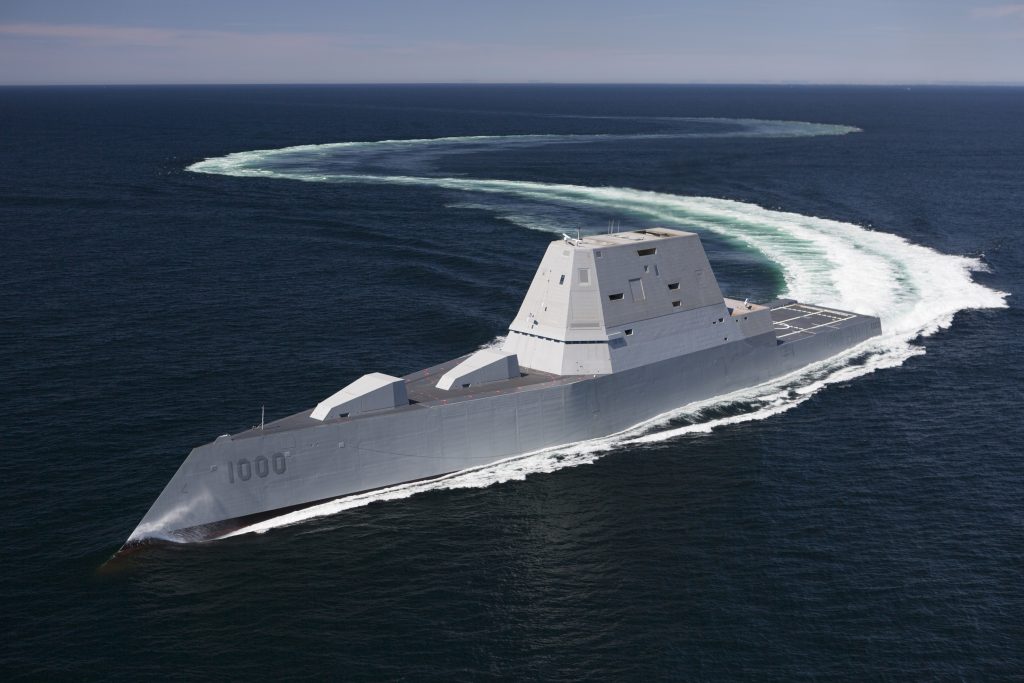
Because of their stealthy design, heavy automation, and two 155 mm guns able to launch GPS-guided projectiles out to a range of 83 nautical miles, Zumwalt-class destroyers were seen to hold the key to the future of surface warfare for the U.S. navy. The Long-Range Land Attack Projectiles cost substantially more than $800,000 apiece, however. With only three versus 32 in the plan, scale economies were lost altogether. The Navy has since removed the AGS role from the ships and converted them into hypersonic missile launchers. The Zumwalt’s turnaround illustrates the danger of heavy investment in specialty capabilities without an appropriate supply chain.
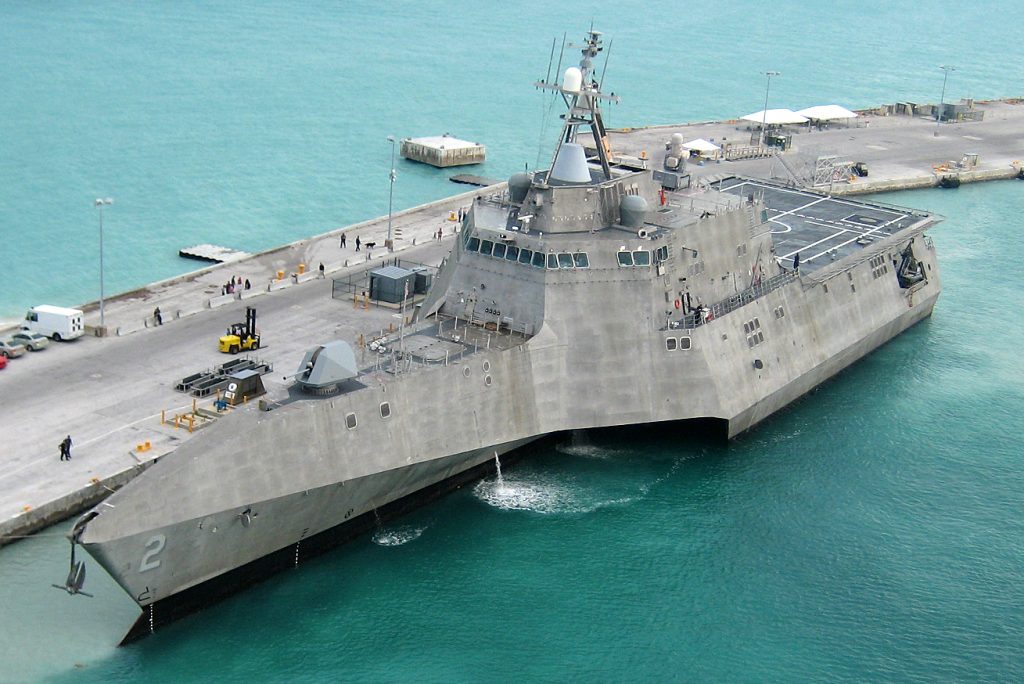
4. Littoral Combat Ship: Agile Concept marred by Structural Integrity Issues
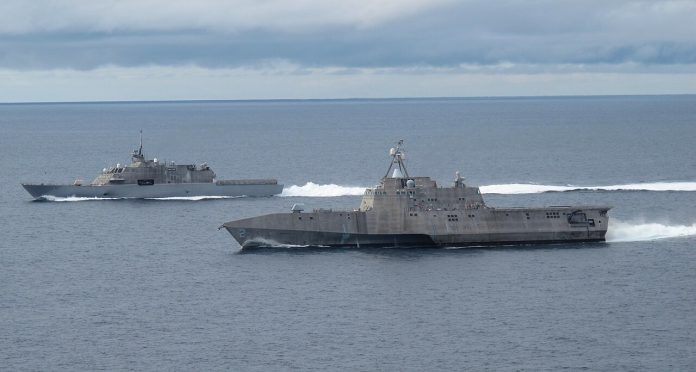
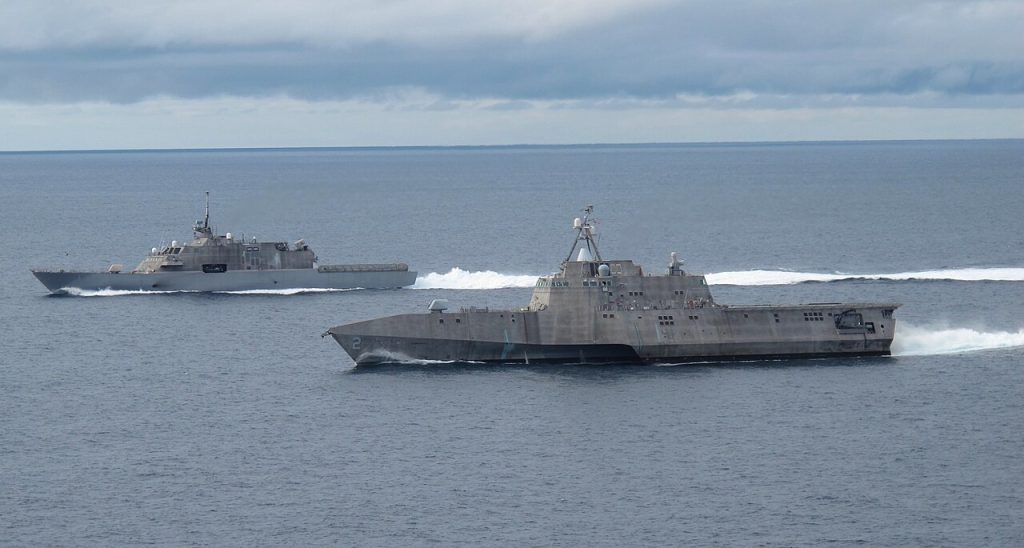
There were two variants in the LCS program, intended for speed and shallow water: theFreedom-class monohulls and theIndependence-class trimarans. Each offered debilitating problems. TheIndependence-class had problems with hull cracking in high-stress areas, pinning their speed below 15 knots in seas over eight feet. TheFreedom-class had propulsion combining gear problems. Respectively, the MCM and ASW cursos components were marketed as a multi-mission solution, and to date, these contracts have been non-performing. The project illustrates the audacity that might enter modular design to achieve the simplest structural and mechanical reliability.
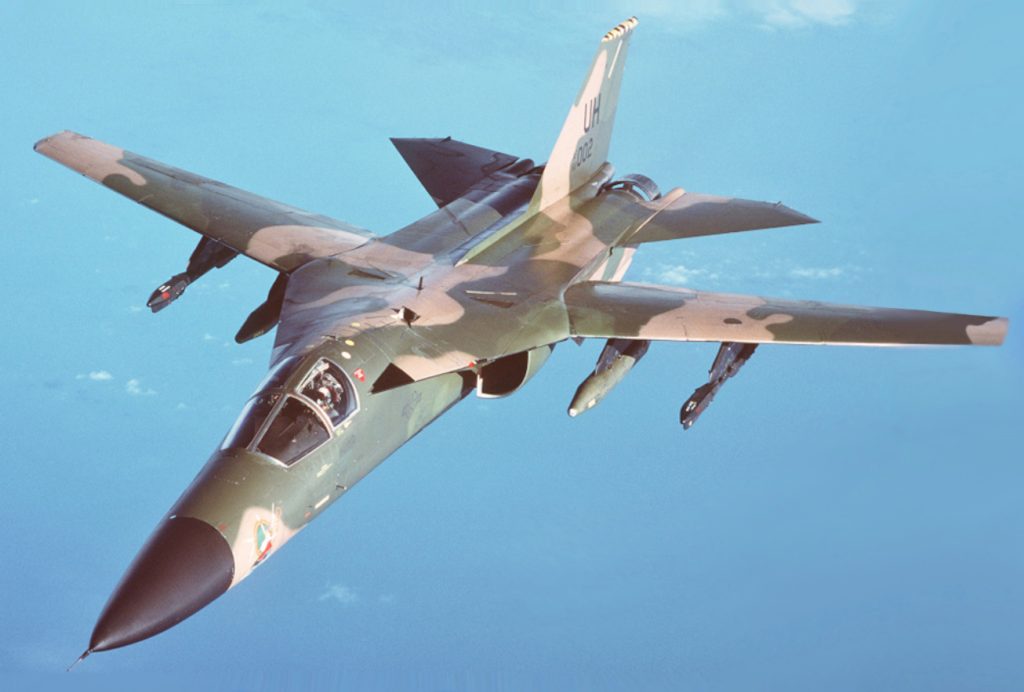
5. F-111 Aardvark – Versatile Strike Aircraft with a Rocky Start
The F-111 resulted from a compelled union between Air Force and Navy needs. It incorporated new concepts in swinging wings and terrain-following radar for low-level penetration at supersonic speeds. However, a series of initial F-111 combat deployments in 1968 into Vietnam crashed three times in 55 missions because of faulty wing stabilizers. Later, it carried out precision night strikes without escorts or refueling during missions such as Linebacker and Desert Storm, among others. However, the ill-fated sea development variant, the F-111B, as well as its fraught initial service life, are a reminder that compromise across several services can limit its effectiveness and slow development.
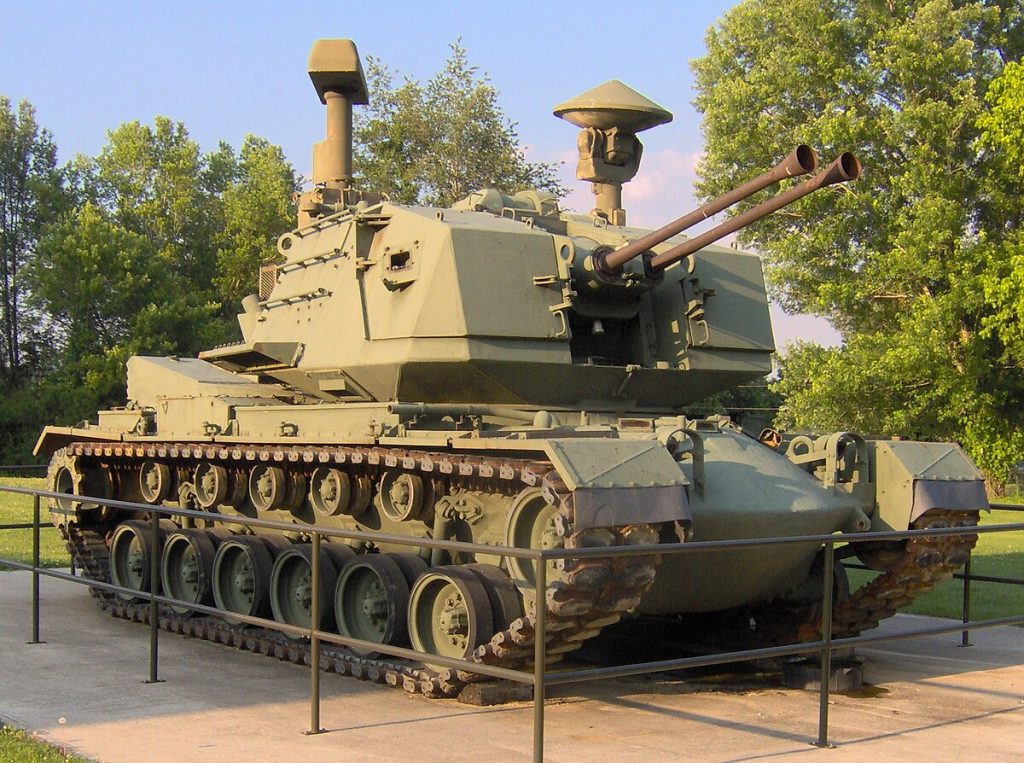
6. M247 Sergeant York – Automated Air Defense That Couldn’t Aim
The M247 DIVAD was deployed in 1984 and was comprised of twin 40mm guns on a tank chassis and was radar-directed and designed to track high-speed aircraft. Notoriously, however, it was prone to locking onto targets that were difficult to distinguish and even locked on to a latrine fan during testing exercises. According to a Pentagon official, “No gun is capable of firing fast enough, far enough, or accurately enough to engage” stand-off weapons before they hit their targets. For a price tag of $4.8 billion, the project was canceled. The end of the Sergeant York grieves the dangers associated with solving a problem that fails to account for fundamental physics engagement.
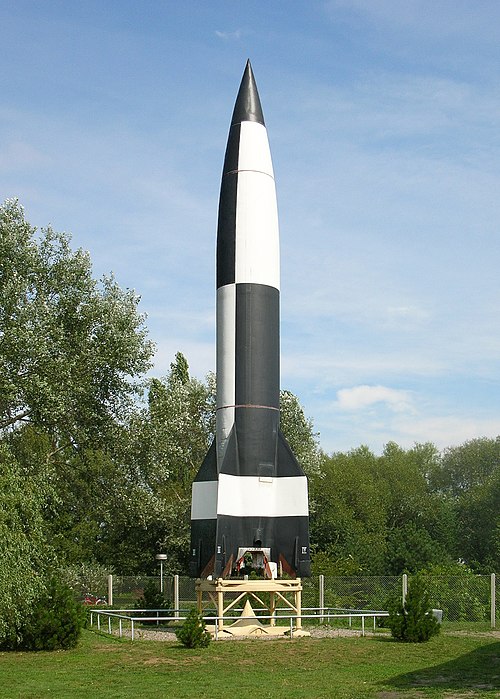
7. V-2 Rocket – Technological Marvel, Strategic Disaster
The V-2 was not only the world’s first ballistic missile, reaching into space before launching a ton-weight payload traveling in excess of supersonic speeds, but it marked an entirely new approach to military technology. However, as with any revolutionary breakthrough, it had major design flaws, including inaccuracy, high costs, and an inability to impact strategic war gains. While it killed 9,000 in V-2 attacks, far more casualties occurred in building these missiles through forced labor. The lasting impact of these V-2 missiles is in modern missile technology rather than in anything they could do in World War II. This illustrates exactly how strategic endeavors can be an economic burden without contributing significantly to war.
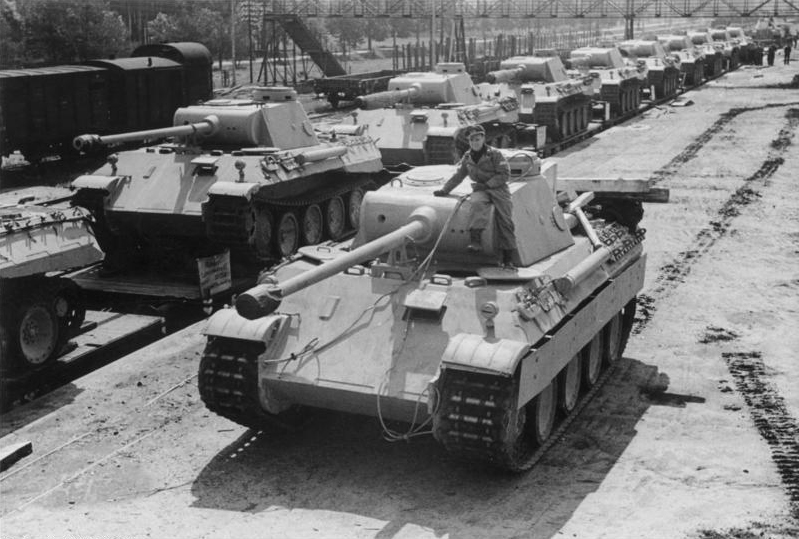
8. Panther Tank – Strong, but Mechanically Wanting
This has to be considered as one of the greatest designed technological failures of World War II. This tank, introduced in 1943, had heavy sloping armor and an 75 mm high-velocity gun with penetration and destructive capability to down any Allied tank, no matter how far it was, thus making it an unstoppable killing machine, especially when contrasted with any Allied projectile fire capabilities. However, early versions of this killing machine had serious mechanical deficiencies, final drives and transmiss.ions being rendered immediately defective, with reliability in prolonged battles extremely weak. This would indicate that manufacturers and designers need to realize that while higher speeds, greater fire power, and varying design advances mean nothing while an implement is not operational.
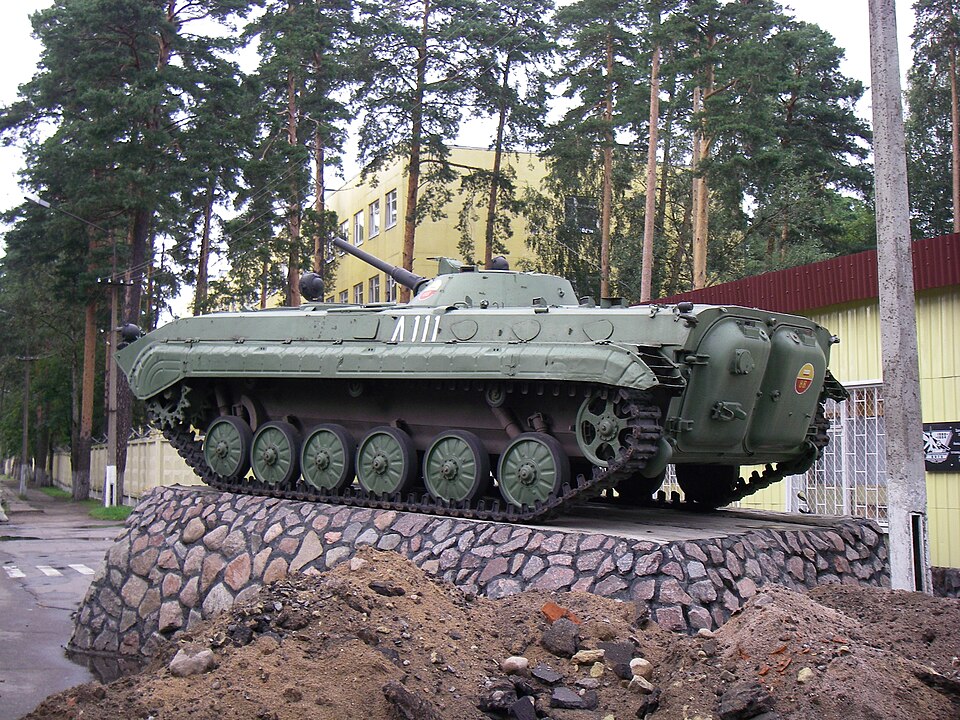
9. BMP-1 Infantry Fighting Vehicle – Revolutionary but deadlier to Its Operators
The Soviet BMP-1, introduced in 1966, marked an entirely different production category in combat development. It is considered to be an IFV (Infantry Fighting Vehicle) – as far as design moves toward greater protection in nuclear, biological, and chemical attacks. This marked an entirely different platform and approach to mechanized development. However, experience in the Middle East and Afghanistan showed thin armor susceptible to heavy machine gun fire and small internal volumes that held crew members captive. Exported buyers have been known to upgrade or substitute other armor, like the BMP-1, to increase their survivability.
While the lineage continues in these designs, the human factor trade-offs for doctrinal innovation have been the largest weaknesses. These nine entries work to support the truism that the battle tested environment is the “proving ground” the carefully controlled world of design and development melts away as natural stresses come into play. Whether due to nontechnical environmental factors, unsound logic, or doctrinal mismatches, the weaknesses contained within each system came to light under the stresses of actual warfare.


