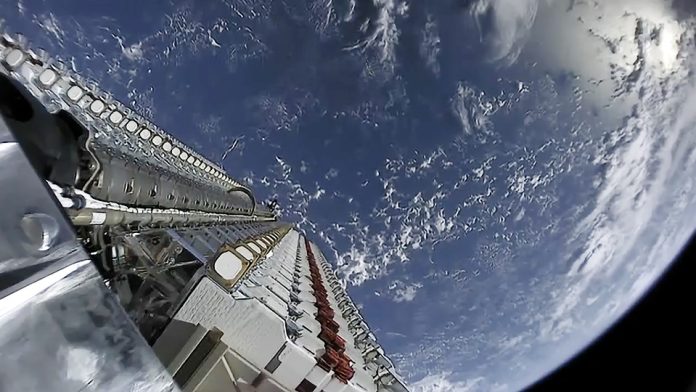
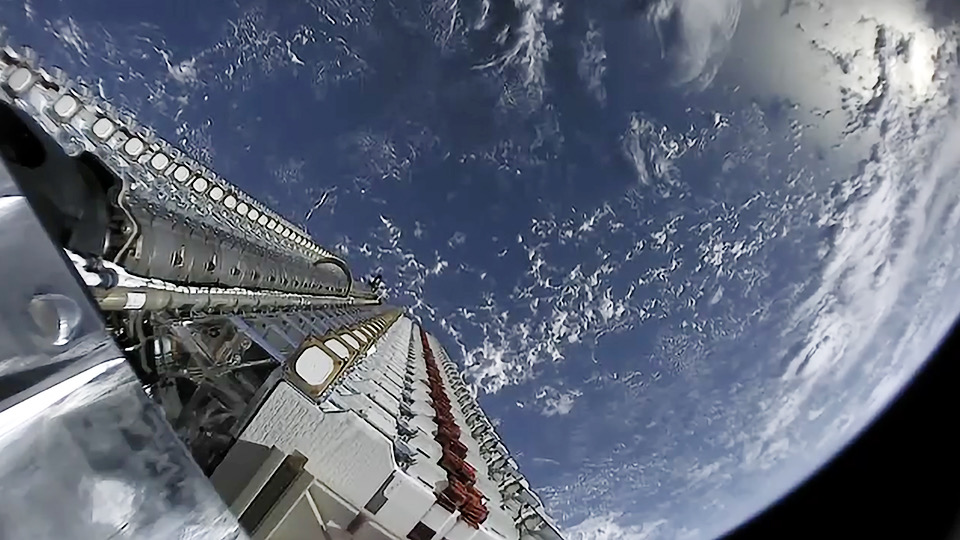
“‘You blow up a box full of BBs.’” So describes Canadian Brigadier General Christopher Horner a warning that encapsulates the power of a threat that may reclassify space security forever. Intelligence predictions from NATO indicate that Russia is developing an “area effect” anti-satellite attack system to inundate the Starlink satellite pathways with microscopic ball bearings. Its effect is far from just being relevant to Elon Musk’s communication system – it is central to a military communication framework that keeps Earth’s low orbit alive.
For those in the Defense community, space tech experts, and geo-strategists, this trend represents more than an outlier in technological development. Starlink’s involvement in Ukraine’s communication and drone activities has already labeled Starlink as an asset and could be considered as such, and as such, it has already had targets placed upon it. The Russian program, while yet unproven, leads to questions about escalation in space, orbital indiscriminate weapon development, and infrastructure in conflict regions.

1. The ‘Zone‑Effect’ Concept
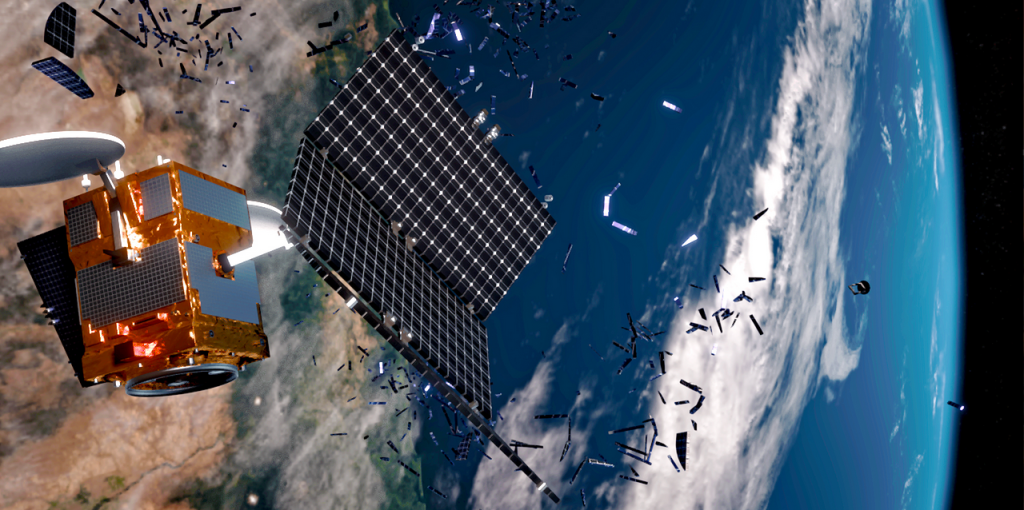
According to NATO intelligence, the Russian arsenal has the capability to release “hundreds of thousands” of pellets that are “millimeter-scale” in caliber against the Starlink constellation’s orbital layer. In effect, the cloud will “not target individual satellites but will affect an entire electronics warfare regime.” However, since it does not target individual satellites, there could be damage on other satellites in space regardless of whether they are from China, Russia, or from other countries.
2. Starlink’s Battlefield Role in Ukraine
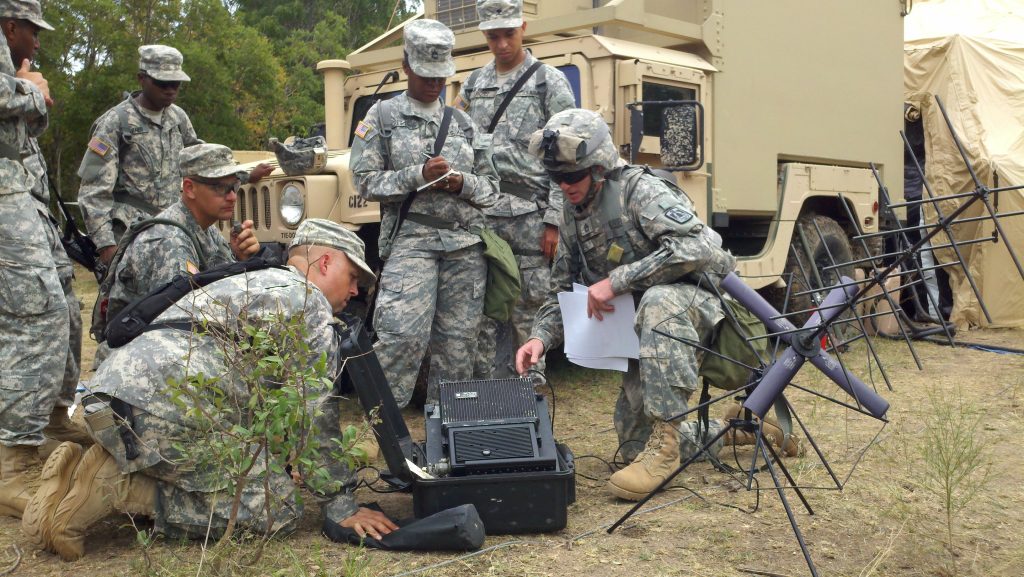
Since the early part of 2022, Starlink has been serving as the backbone for the Ukrainian military communication, drone navigation, and internet connectivity. The Ukrainian military uses the low-Earth orbit satellite system to ensure connectivity, even under the attack. The system has been used by the Ukrainian side in their reconnaissance and targeting process and, therefore, serves the Ukrainian military, which makes the system a legitimate target, according to the Russians.
3. Historical Precedent: Russia’s 2021 ASAT Test
In November 2021, Russia destroyed the deceased Cosmos 1408 satellite in LEO, leaving more than 1,500 pieces of traceable debris. According to NASA, ISS personnel had to take emergency cover. In this test, Russia was able to prove that they can perform a piece-generating mission, which foretold a possible orbital disruption that could be caused by a zone effect weapon.
4. Technological Risks of Pellet-Based Weapons
Due to their millimeter size, these projectiles are hard to track using current systems for tracing objects in space. As analysts observe, small hits alone have the capacity to disable sensitive components like solar panels. With time, debris left by this strike will decay toward Earth, with the potential for striking other pieces in orbit upon descent.
5. Strategic Deterrence & ‘Weapon of Fear’
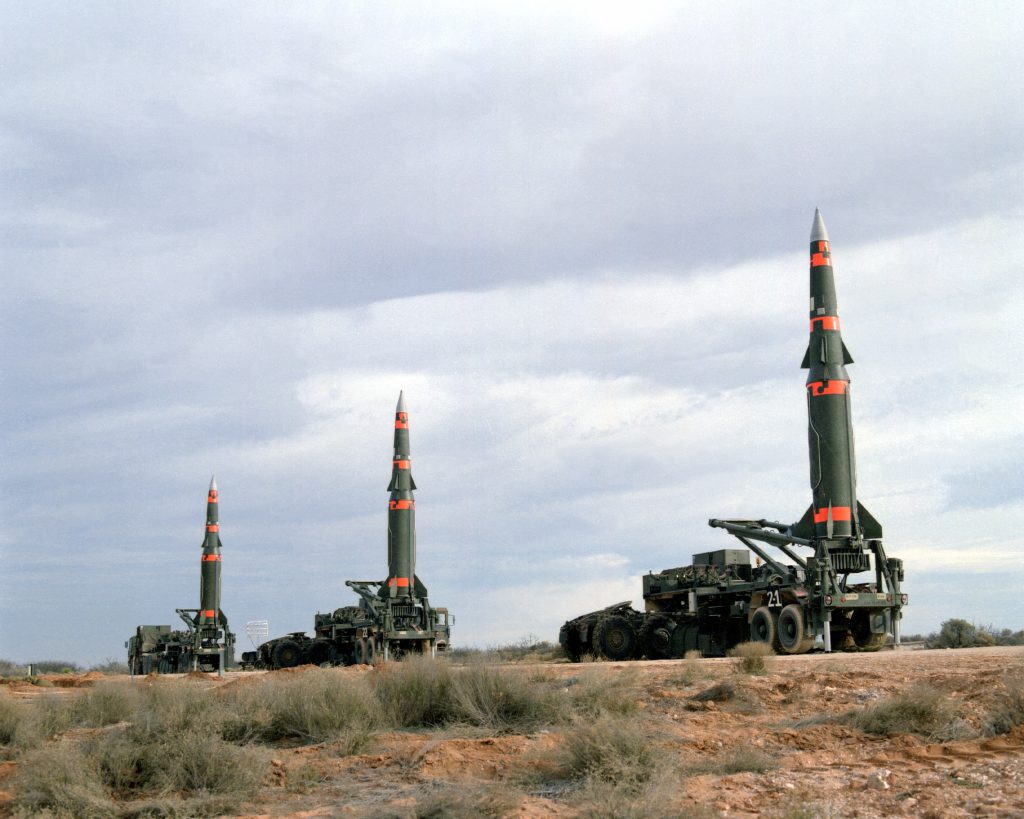
Space security analyst Clayton Swope has pointed out that “the potential capabilities may exist as a deterrent without being used—the ‘psychological weapon’ that makes one’s adversaries reckon with the possibility in their decision-making processes.” Its mere presence may impact both military tactics and negotiations at the diplomatic level.
6. Escalation Risks and Nuclear Space Weapon Context
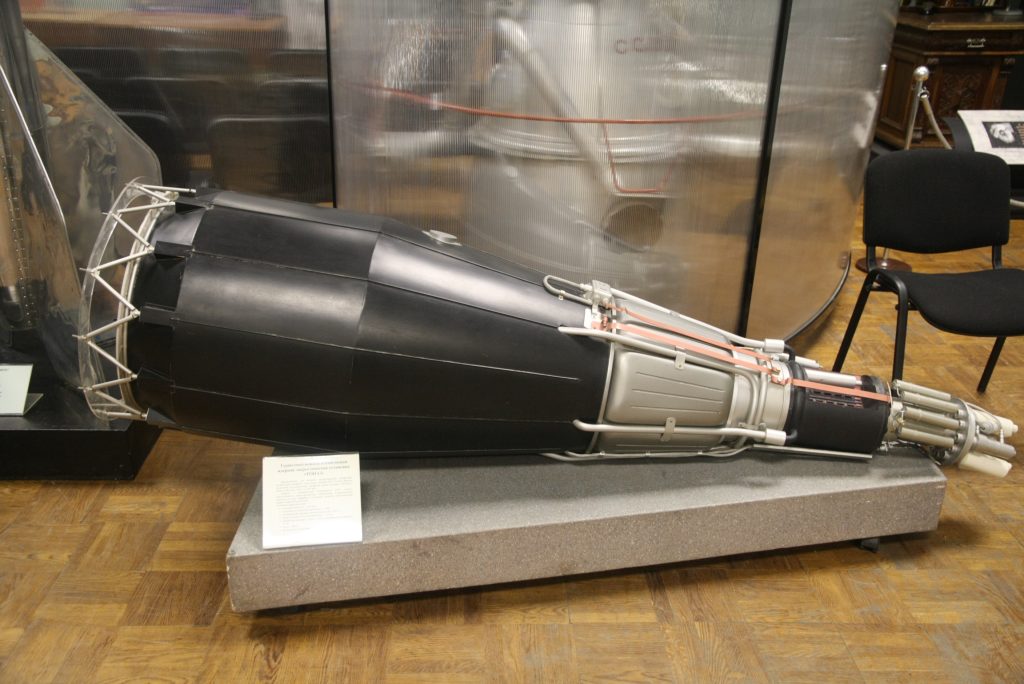
Brig. Gen. Horner attributed the possibility of this program being feasible to accusations made earlier by the U.S. about Russia developing a nuclear space‑based weapon. Although the pellet system is not based on nuclear energy, its indiscriminate nature qualifies it for assessment on the same viability of escalation, provoking worldwide outcry.
7. Global Space Infrastructure and its Effects
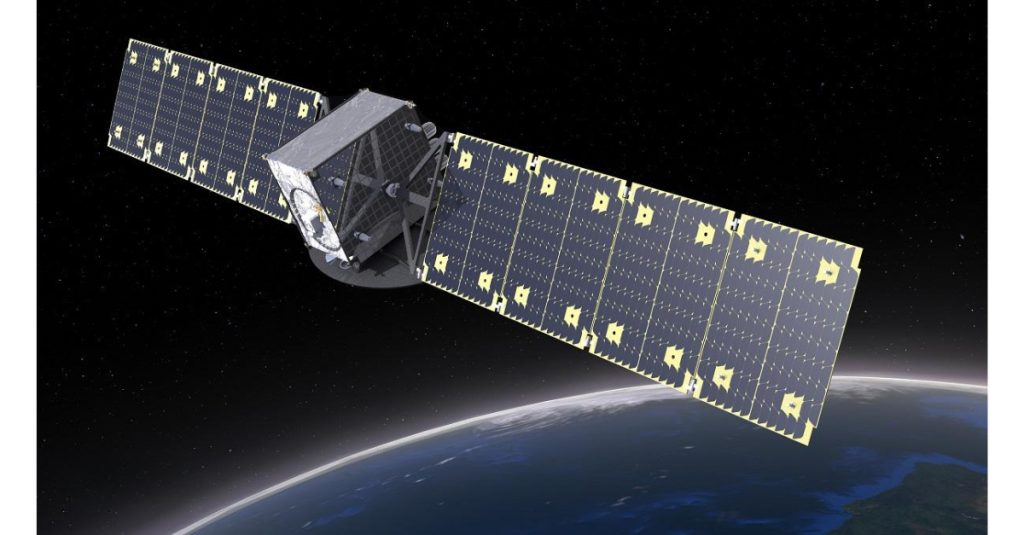
The Low Earth Orbit is full of satellites operated for commercial, research, and military purposes. A zone effect strike in the Starlink system may inflict harmless damage upon the GPS communication systems and even the space observation systems in support of the International Space Station. The chain collision threat is called the Kessler syndrome.
8. China’s Dual-Use Space Posture and Russian Partnership
China’s expanding military-civil fusion in space and its strengthening cooperation with Russia are complicating factors. Examples of joint China-Russia collaboration include efforts on BeiDou-GlonAss interoperability and a proposed lunar base that can facilitate a possible China-Russia convergence on establishing norms in outer space against possible Western calls against anti-orbit assassination weapons.
9. Policy and Governance Challenges
Voluntary schemes, as represented by the UN’s Space Debris Mitigation Guidelines, do not provide any kind of force or means of enforcement. According to experts, the fact that there can be few consequences against which a country must abide makes the significance of enforcing the standards harder to disregard when it comes to the development or testing of debris-producing systems. The Russian project is a reminder of the importance of this issue in terms of orbital security.
10. Starlink’s Vulnerability and Commercial Control
Controllo Apart from the technical risk, the fact that Starlink is an owned and operated private network means that all of its decision-making is now vested in one person. Elon Musk’s decision to suspend services in conflict zones in Ukraine is an indicator that commercial decisions can have military implications. The possible zone-effect capability of the Russian anti-satellite system not only represents a new tactic for warfare but may symbolize a turning point in the militarization of space. The indiscriminate effects of this technology threaten not only the Starlink system but low Earth orbit in general. The task for defense strategists and policymakers is to address deterrence, resilience, and control before this technology transitions from the intelligence domain into operation.


