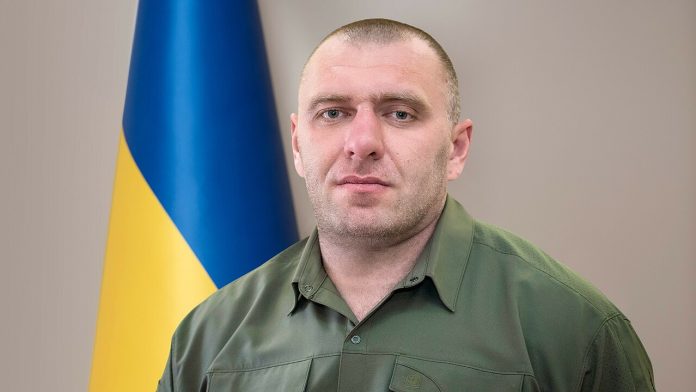
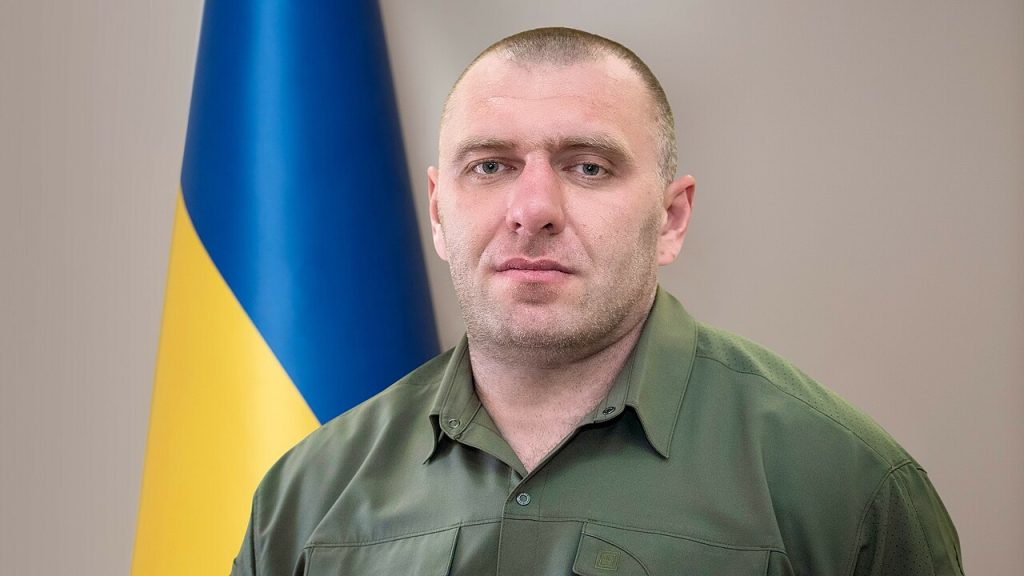
“Every crime of the aggressor must be punished,” quotes Vasyl Malyuk, the head of the Security Service of Ukraine. But these words have gained renewed significance for Ukraine after the death of Lieutenant General Fanil Sarvarov, who was assassinated yesterday in Moscow. It was the early morning of December 22, 2025, when an explosive package ripped through his car. These are not isolated events, and Sarvarov’s death represents one example in a series that have unsettled the Kremlin and identified vulnerabilities within the security apparatus.
In the context of the Russia and Ukraine conflict, the death of Sarvarov symbolizes the events off the battlefield that are influenced by the use of battlefield tactics, espionage, and the development of the use of homemade explosive devices. After this is a list of the most interesting elements of this assassination and its broader significance, ranging from Sarvarov’s career and the secret Ukrainian hand to the technology of the car bomb and the strategic rationale of this sort of operation.
1. The Target: Lt. Gen. Fanil Sarvarov’s Strategic Role
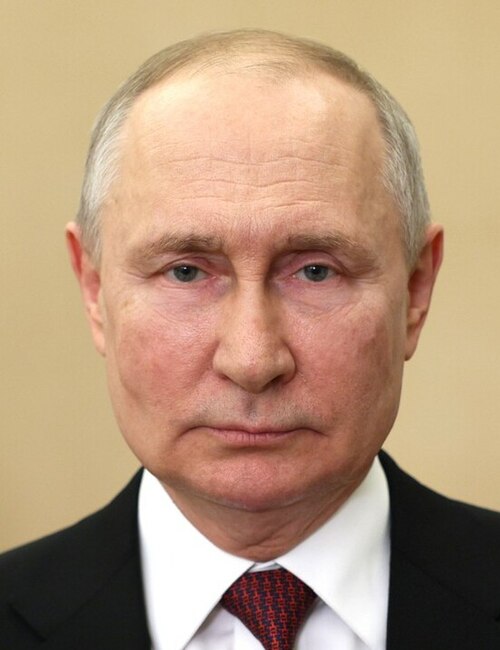
Sarvarov was more than just a high-ranking military officer; he was also the chief of the Russian General Staff operational training directorate, who was concerned with combat readiness of the military during the Ukrainian war. His military service also includes the Ossetian-Ingush conflict, the twoChechen wars, and the Syrian intervention from 2015–16. With his promotion to lieutenant general by President Vladimir Putin himself in 2024, Sarvarov was right in the center of Russia’s war machine and a prime target for Ukrainian intelligence agencies whose assassination operations target persons accused of either committing war crimes or of being instrumental to them.

2. The Method: Car Bomb on Yaseneva Street
The bomb exploded under Sarvarov’s Kia Sorento around 7 a.m. in southern Moscow. The investigative committee in Russia reported that this was achieved by planting the bomb underneath the chassis, which was a sign of careful planning. The bomb killed Sarvarov and his driver instantaneously, although the car moved a distance before the bomb exploded. These attacks have been similar to previous Ukrainian operations, for instance, the bombing of Lt. Gen. Igor Kirillov that was done through a bomb planted in an electric scooter. This type of assault has opted for a vehicle-borne IED due to the availability of the components as well as detection difficulties.

3. The Growing Secretarian Activism of
Since 2022, intelligence services in Ukraine have been involved in dozens of assassination operations within Russia and occupied areas. These operations include those on naval captains accused of attacking civilians with missiles, pro-Russian bloggers, and collaborators within occupied Ukraine. Moreover, the Ukrainian agents have the benefit of linguistic expertise, cultural knowledge, and personal connections in Russia that will aid in infiltration and intelligence gathering. As Colonel Roman Kostenko said in April, “The operation may last for decades, as in the case of hunting down Nazi war criminals by Mossad.”
4. A Series of High-Profile Killings
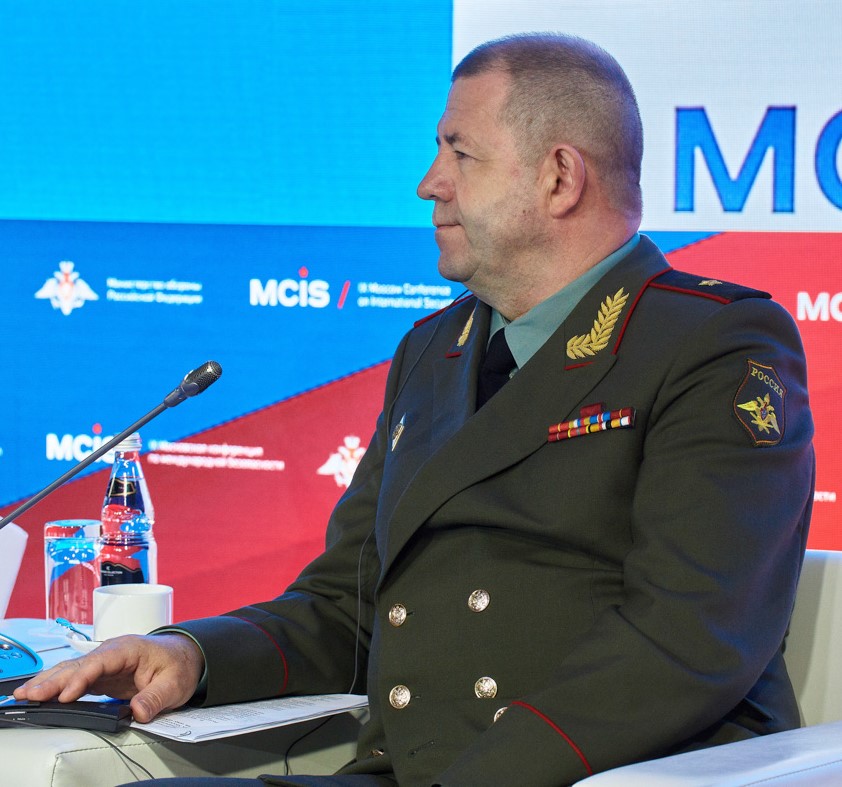
Sarvarov’s assassination can now be added to a list of high-profile victims that includes Lt. Gen. Yaroslav Moskalik, killed by a car bomb in April 2025, Lt. Gen. Igor Kirillov in December 2024, navy captain Valery Trankovsky in Crimea, and Darya Dugina in August 2022. These operations have a double function: neutralizing operational threats and psychological pressure against the Russian leadership. As Oleksandra Ustinova explained, these operations show Ukraine is capable of hitting “anywhere inside Russia” and undermine the notion that Putin’s position was impregnable.

5. Kremlin Reaction and Calls for Retaliation
The Kremlin’s spokesperson, Dmitriy Peskov, called the murder of Sarvarov “a terrible murder.” People like Andrei Kolesnik, a member of the defense committee at the Duma, called for “perpetrators to be destroyed on the spot.” “Equal” murders of Ukrainian leaders were insisted upon by pro-war bloggers. While President Putin has described Kirillov’s previous murder as “a major blunder by our security agencies,” he is now being questioned about his government’s failure to protect Durov.
6. IED Technology & Tactical Evolution
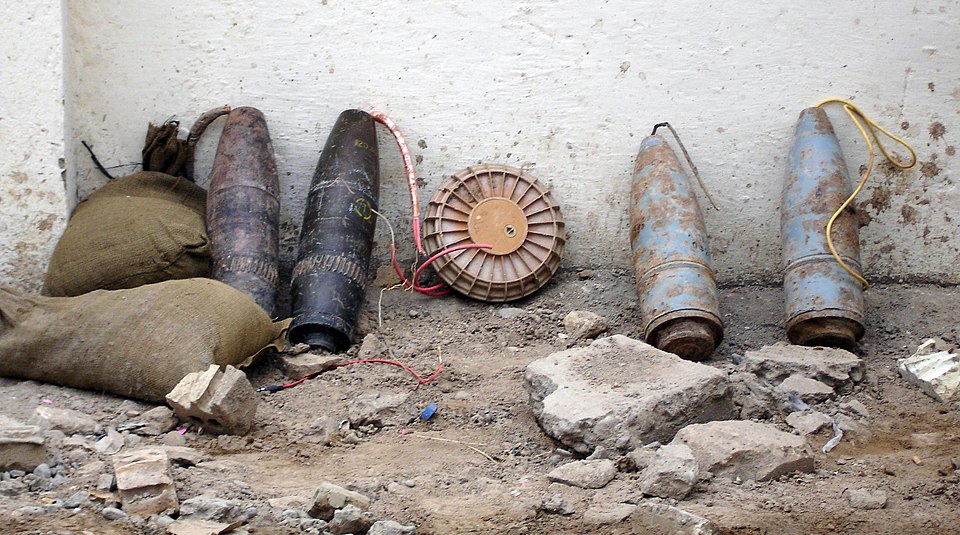
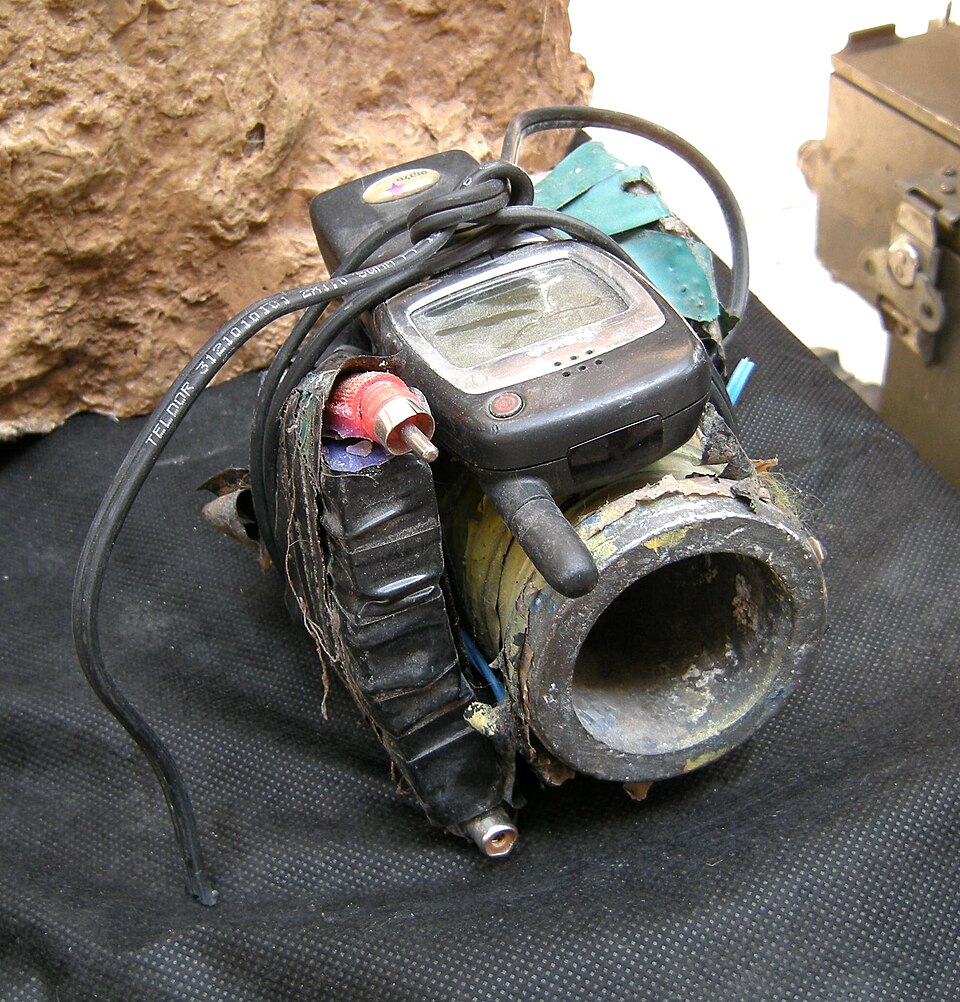
VBIEDs continue to be a popular form of targeted killing. The more advanced devices today consist of five elements: the switch, the initiator, the main charge, the power source, and the container, and the terrorists continue to innovate in each. Innovations in electronic circuits allow for the use of cell phones, WiFi, or sensor switches for activation. Hiding has progressed from metal piping to common objects, like pressure cookers, which are more difficult to detect.
7. Influence of Battlefield Innovations
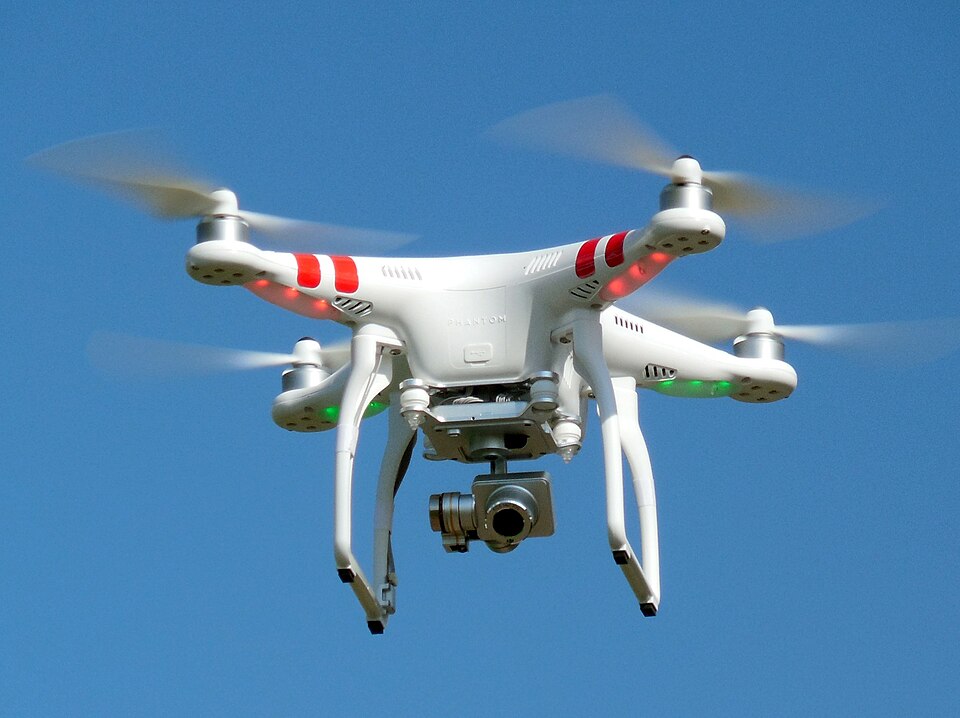
“The resilience in Ukraine is employing warfare technology from ‘sea drones in the Black Sea to swarms of U.A.Vs at bomber bases.’ ‘The use of unmanned explosive carriers represents a new threat that received attention from FBI Director Christopher Wray in 2022 concerning domestic examples involving ‘weaponized drones.’ “ These strategies can then be applied for urban area killings as they have been perfected over time in war situations to a certain extent.
8. Western Concerns and Rules of Warfare
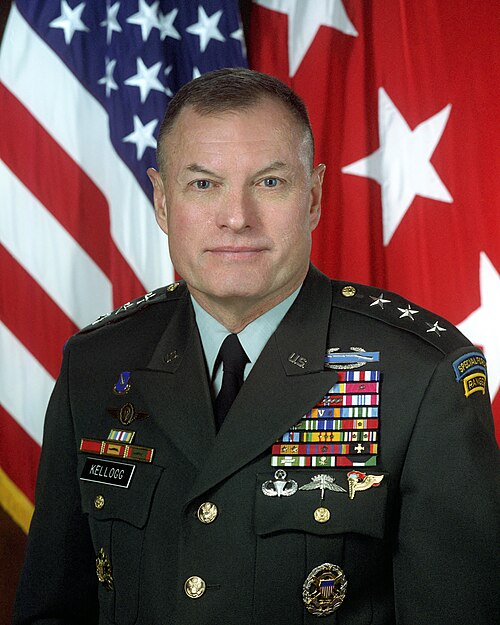
The law of Not all allies are in favor of Ukraine’s assassination policy. This is according to Keith Kellogg, former US Special Representative for Ukraine and Russia, who condemned the assassination of generals because it may be in violation of the laws of war. The assassination of Darya Dugina in August 2022 apparently outraged US officials. Such tensions underscore the delicate balance between operational demands and diplomatic repercussions, particularly for far-flung missions that happen outside an actual battlefield.
9. Strategic Influence in Peace
Negotiations His death came during US-Ukraine and US-Russia negotiations in Florida to bring an end to the four-year war. Whether this murder will spoil these peace talks is yet to be determined, although this type of event often makes negotiations more complicated. For Ukraine, the trade-offs could include short-term tactical advantages against longer-term consequences within the realm of politics.
The case of Sarvarov’s killing highlights the blending of intelligence activities, the development of IED devices, and the aspect of psy-ops that exists in the Russia and Ukraine conflict. To this end, the issue presents a lesson for those who are involved in defense studies, highlighting the implications that killing by targeting might present to military operations and global politics.


