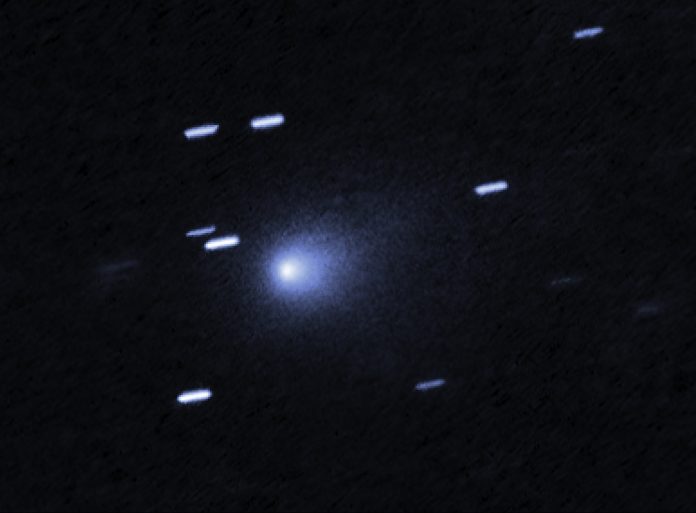
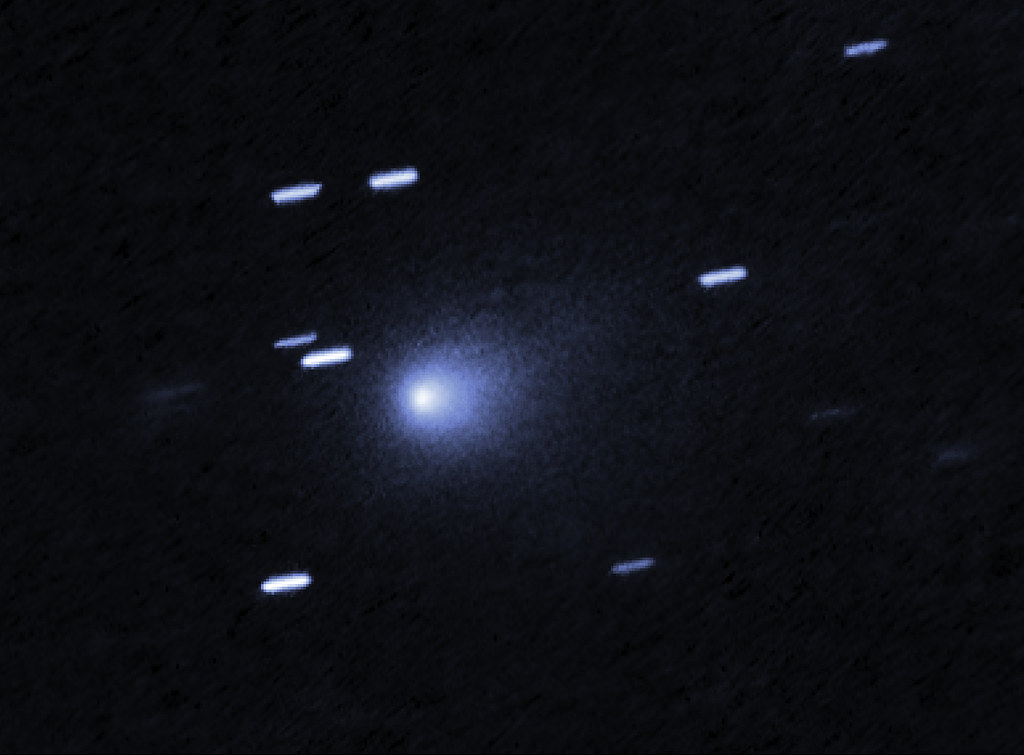
It’s not every December that Earth gets a front-row seat to an interstellar visitor, one that has scientists, space agencies, and even the United Nations working in concert. On December 19, 2025, comet 3I/ATLAS swept past at about 168 million miles (270 million kilometers) from our planet, marking its closest approach before vanishing into the depths of the Milky Way. This rare encounter has become a proving ground for advanced tracking methods, deep-space observation campaigns, and discussions about how humanity might one day intercept such cosmic travelers.
1. A Late but Perfect Arrival
3I/ATLAS was spotted on July 1, 2025, by the ATLAS telescope in Chile, and was a surprise addition to the observing schedule of the International Asteroid Warning Network, coordinated by NASA and endorsed by the UN. The network had already planned a campaign to test new astrometry techniques-developing methods for precise measurements of celestial positions-to improve orbit predictions for both comets and asteroids. “We want the community to use the latest and greatest techniques,” said James Bauer, principal investigator for NASA’s Planetary Data System small bodies node. The trajectory and visibility of the comet just happened to align with the timeline of this campaign, making it an ideal candidate for these trials.
2. Challenges in Pinpointing a Comet’s Position
Accurate astrometry for comets is notoriously difficult. Their enormous comae of gas and dust can shift the apparent center of brightness away from the nucleus, skewing measurements. For 3I/ATLAS, these challenges were compounded by its rapid changes in brightness and the variability of its jets as it approached the Sun. The project garnered a record 171 campaign participants, citizen scientists, and professional observatories worldwide that refined techniques which one day might guide spacecraft toward similar targets.
3. A Chemical Signature Unlike Any Local Comet
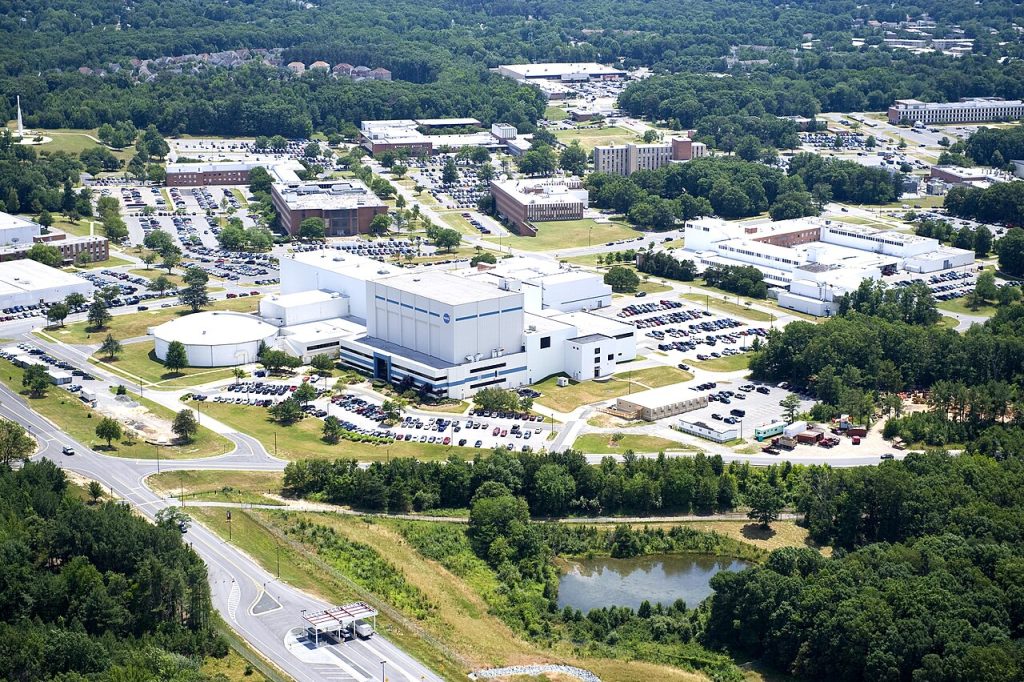
Observations with the James Webb Space Telescope showed that 3I/ATLAS’ coma has nearly eight times more carbon dioxide than water vapor — a far cry from the water-rich comets seen in our solar system. “I have never seen such a strong CO₂ peak in a comet spectrum,” said Martin Cordiner of NASA’s Goddard Space Flight Center. Such a makeup suggests the comet may have formed in a much colder region of its home star system, or that its chemistry was modified along its long interstellar journey.
4. The Mystery of Rapid Brightening
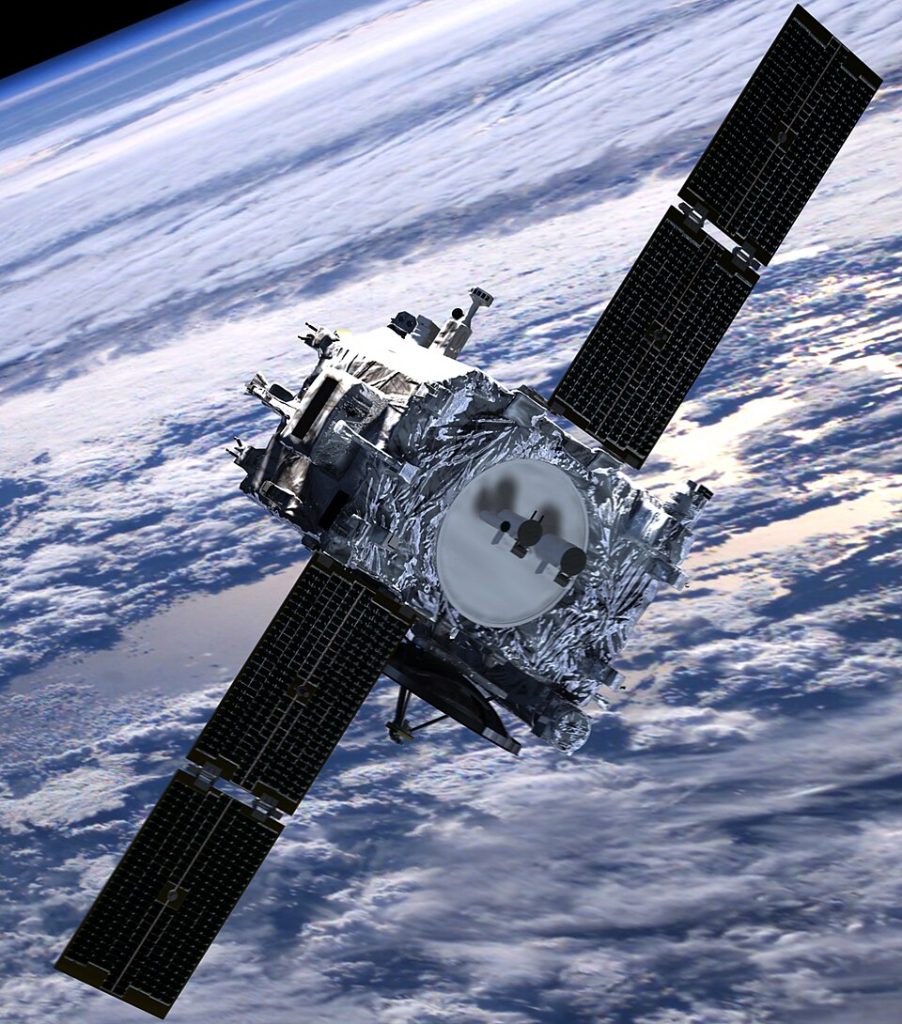
In late October, as 3I/ATLAS reached perihelion, spacecraft such as NASA’s STEREO and ESA’s SOHO recorded a brightness increase that was unexpectedly rapid. Researchers Qicheng Zhang and Karl Battams noted that the rate “far exceeds the brightening rate of most Oort cloud comets at similar radial distance.” Possible reasons include unusual properties in its nucleus – composition, shape, or structure – or a difference in the sublimation behavior where CO₂ dominates at distances when the water ice should already have taken over.
5. Exotic Metal Ratios and Interstellar Clues
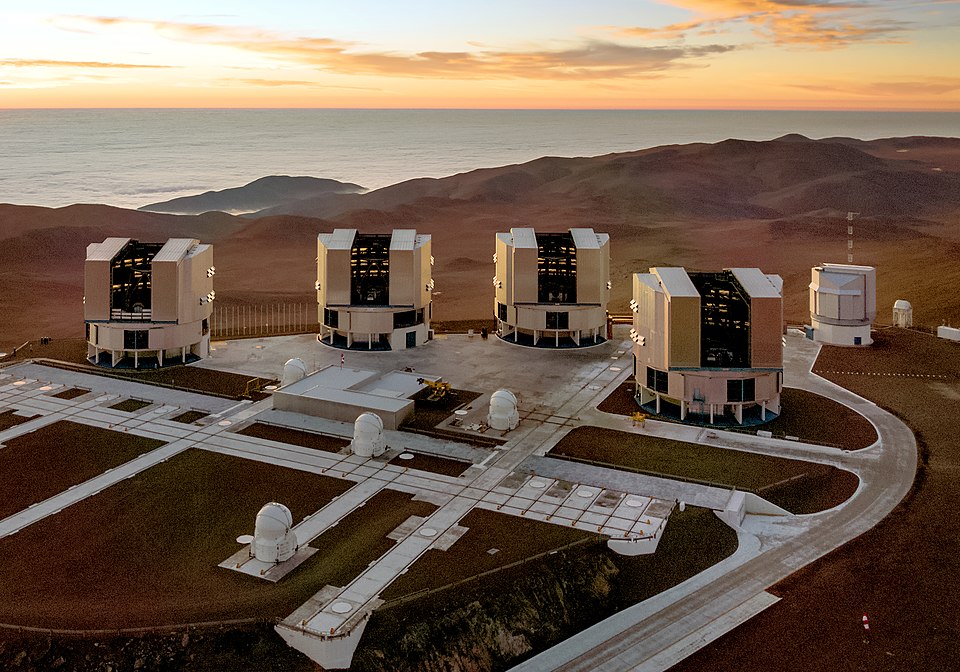
Spectroscopy from the European Southern Observatory’s Very Large Telescope detected a gas plume with a lot more nickel than iron, an imbalance rarely seen in solar system comets. This could be an indication of special conditions during its formation in the parent system or of long-term cosmic radiation effects. Such measurements provide rare insight into the metallicity of interstellar matter and help in comparing planetary system formation across the galaxy.
6. Global Observation Network in Action
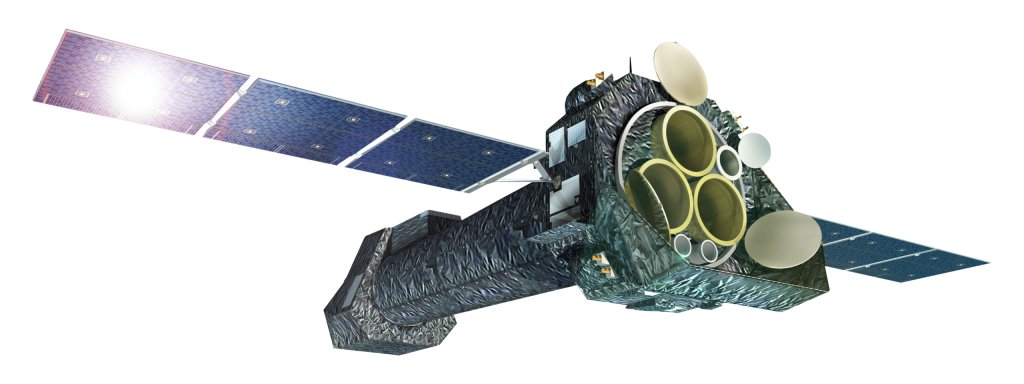
NASA coordinated a solar system-wide campaign that ranged from ultraviolet spectra to X-ray imaging, using twelve spacecraft-from Mars Reconnaissance Orbiter to MAVEN, and even the Perseverance rover-in addition to ESA’s XMM-Newton and Japan’s XRISM, which picked up an X-ray glow 250,000 miles wide from the interaction of solar wind. These datasets across multiple platforms are critical in understanding how interstellar comets respond to our Sun’s environment.
7. The Planetary Defense Angle
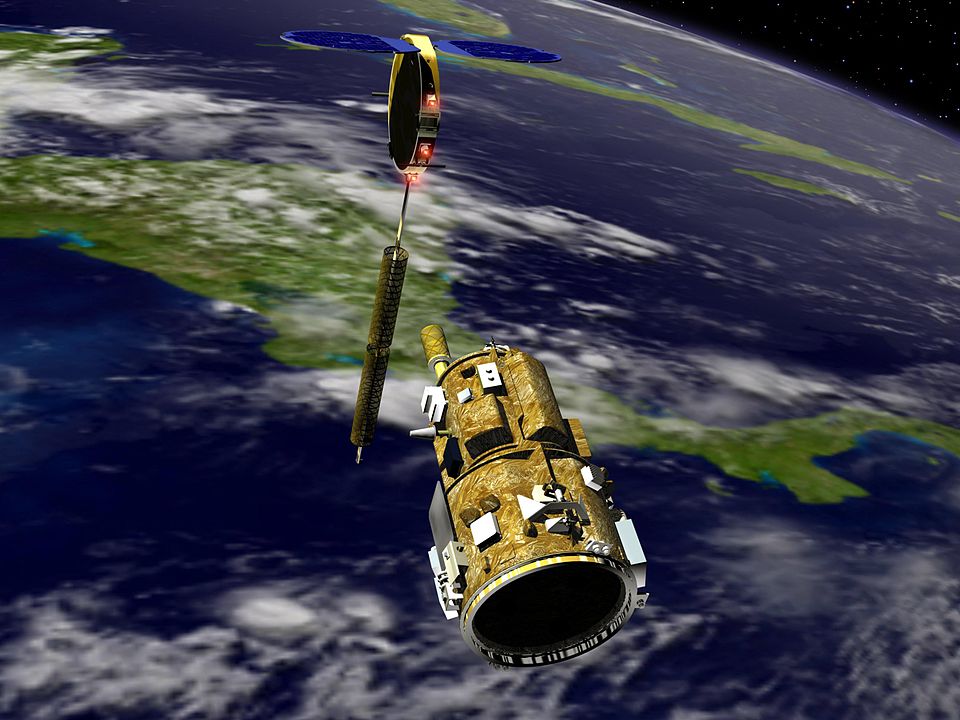
IAWN’s work with 3I/ATLAS is more than academic. Testing advanced astrometry now builds readiness for tracking potentially hazardous near-Earth objects. Lessons learned from this campaign might inform future interception missions, whether using “chaser” probes, “hide-and-seek” interceptors stationed at Lagrange points, or even impactor methods akin to NASA’s DART mission.
8. Could We Have Intercepted It?
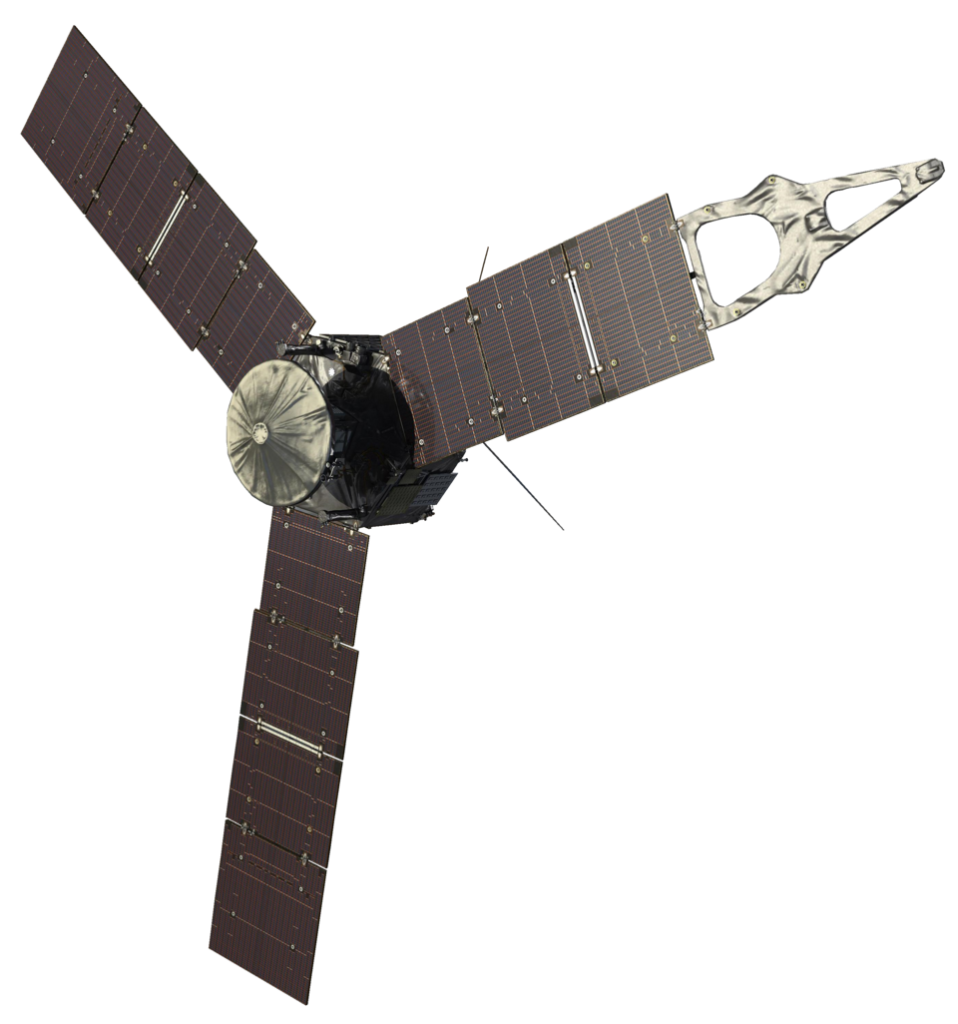
Despite speculation of alien technology, abetted by some unusual features including a sunward jet and the fact that its arrival direction was near the “Wow! Signal” no spacecraft was stationed to intercept 3I/ATLAS. Various studies have concluded that had NASA’s Juno still possessed all its launch fuel, it could have reached the comet near Jupiter in March 2026. Upcoming missions, like the ESA’s Comet Interceptor launching in 2029, hope to be prepared when the next opportunity arises.

9. A Rehearsal for the Next Interstellar Visitor
To planetary astronomer Franck Marchis, every interstellar visitor represents “a rehearsal” for rapidresponse science. The combination of citizen science, global coordination, and multi-wavelength observations enabled during 3I/ATLAS’s flyby offers a template of how humankind might study-or defend against-future visitors from beyond the solar system.
And as 3I/ATLAS accelerates away at more than 144,000 mph (231,900 km/h), en route to the vastness of interstellar space, the findings from its brief sojourn will persist in shaping comet science, planetary defense strategy, and the study of various worlds orbiting other stars.


