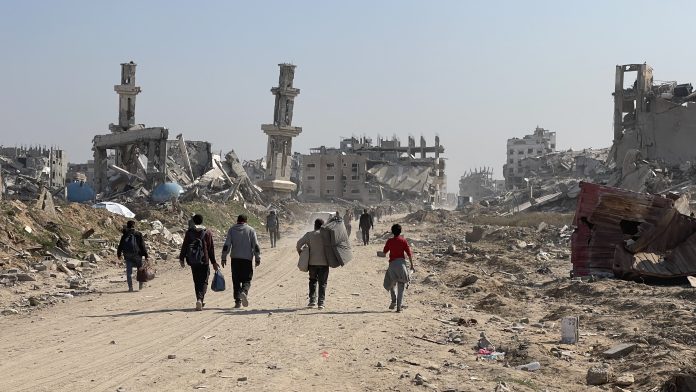
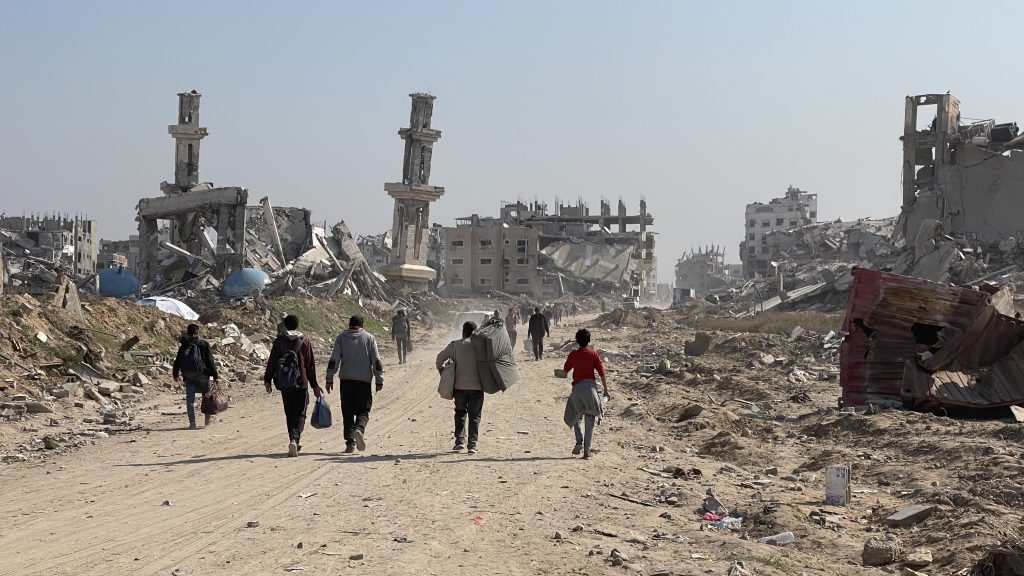
From the shattered streets of Gaza to visions of a Mediterranean metropolis, “Project Sunrise” is a sweeping blueprint that juxtaposes geopolitical ambition with some of the most exacting engineering challenges of the modern era. The $112.1 billion U.S.-backed proposal-being drafted by Jared Kushner, Steve Witkoff, and senior White House aides-seeks to reimagine the war-torn enclave as a high-tech coastal hub. Yet its execution hinges on a single, formidable prerequisite: Hamas must fully disarm before the first bulldozer rolls in.
1. Security as the Foundation
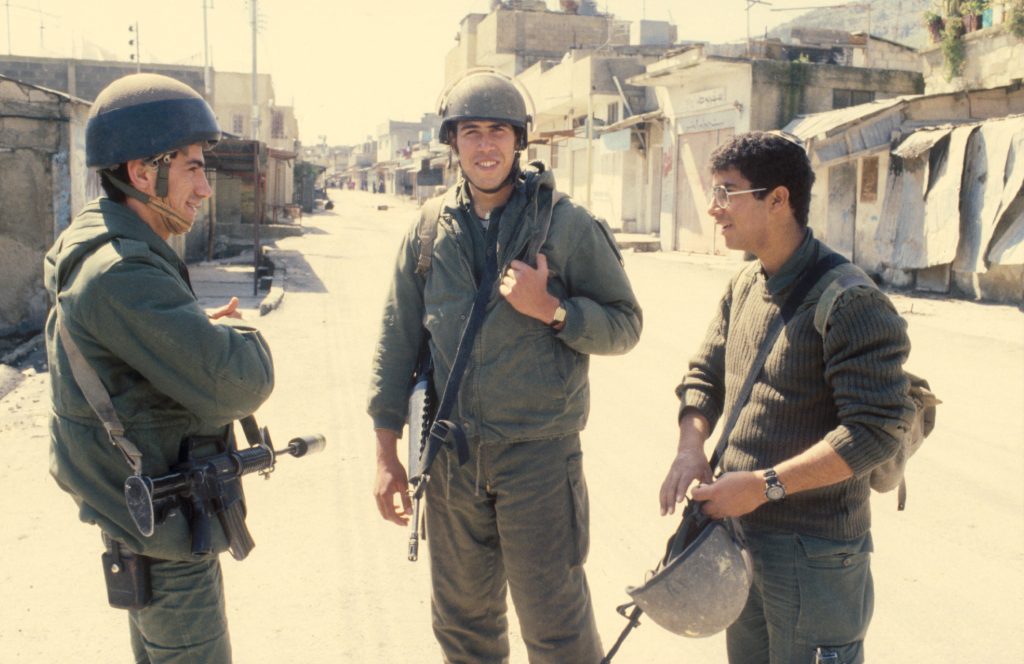
The agreement’s second page states the condition in bold red type: that Gaza will be rebuilt only on the “demilitarizing and decommissioning of all weapons and tunnels” of Hamas. Otherwise, donors and investors are unlikely to commit capital. As Secretary of State Marco Rubio put it, “You are not going to convince anyone to invest money in Gaza if they believe another war is going to happen in two, three years.” This is the security calculus underneath every subsequent engineering and infrastructure decision.
2. Clearing 68 Million Tons of Rubble
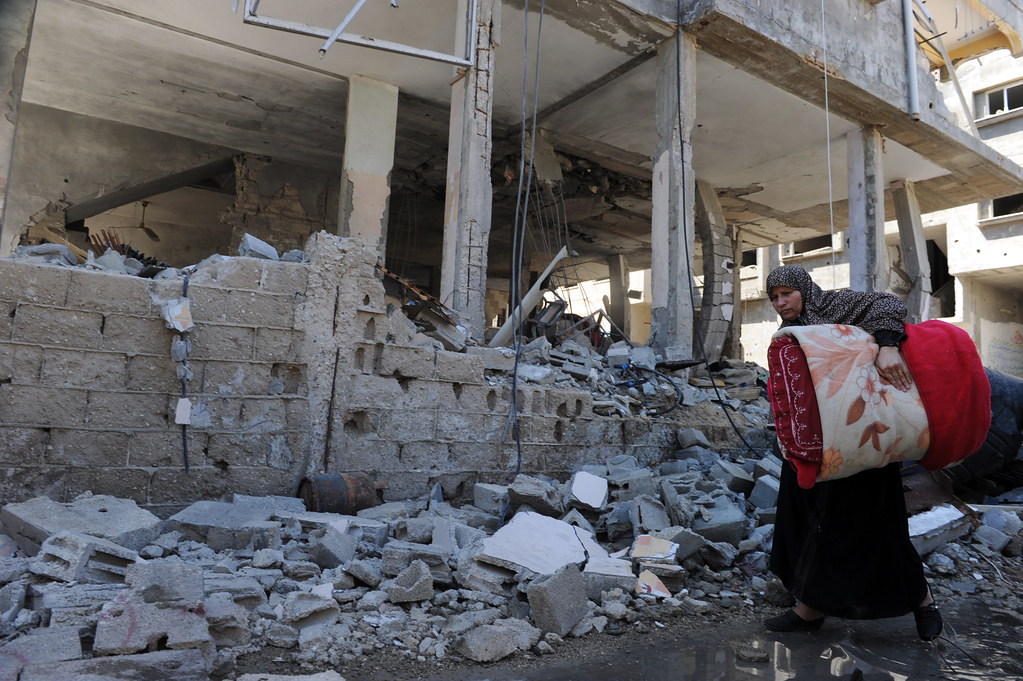
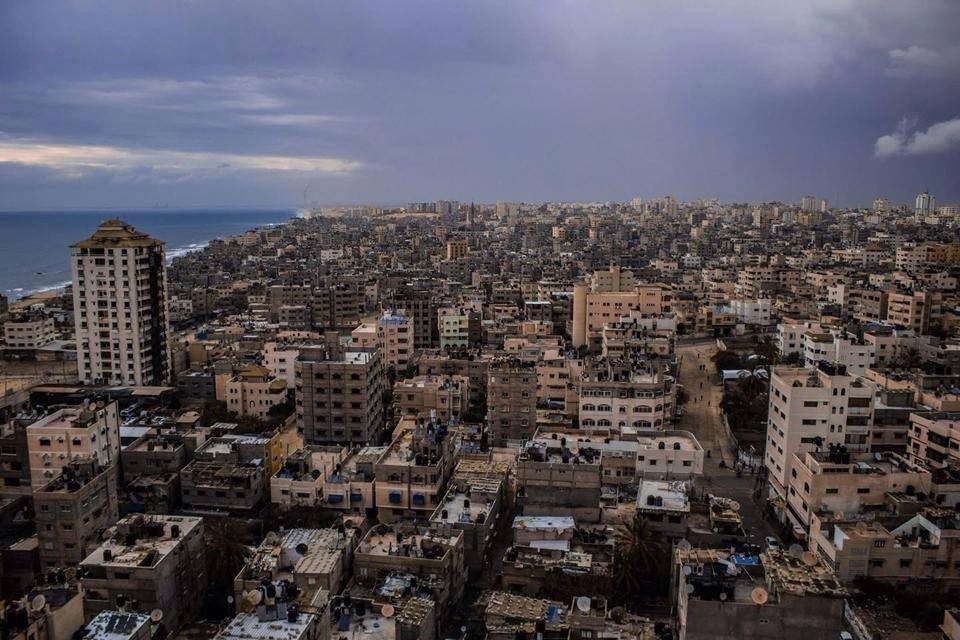
Indeed, post-war Gaza has to confront an unparalleled problem of debris removal-68 million tons of rubble intermingled with toxic contaminants, human remains, and about 7,500 metric tons of unexploded ordnance. Engineering teams would have to deploy AI-based hazard mapping in order to prioritize clearance zones, cordon off dangerous areas, and process debris for reuse in roads, ports, or offshore structures. According to the United Nations, without the acceleration provided by technologies, cleanup could stretch beyond 20 years.
3. Phased urban redevelopment
Project Sunrise’s four-phase road map starts with Rafah and Khan Younis and works its way north to central camps and Gaza City. During the first phase, temporary shelters, field hospitals, and mobile clinics are followed by the removal of rubble and neutralization of Hamas tunnels. Permanent housing, medical facilities, schools, and religious facilities come next, along with paving roads, installing power lines, and restoring agriculture. It is only during the later phases that luxury resorts and high-speed rail linkages appear, commercializing 70 percent of the Gaza coastline by year ten.

4. Smart Grid and AI Governance
It would feature a smart grid optimized by AI, incorporating renewable energy sources, advanced load balancing, and predictive maintenance. A proposed “Chief Digital Office” and innovation lab would define urban technology standards to guide policy in data-driven governance. Such systems are reflected in the projects of Gulf megacities where AI platforms manage utilities, traffic, and public safety in real time, creating leaner operations with increased resilience against disruptions.
5. High-Speed Rail Integration
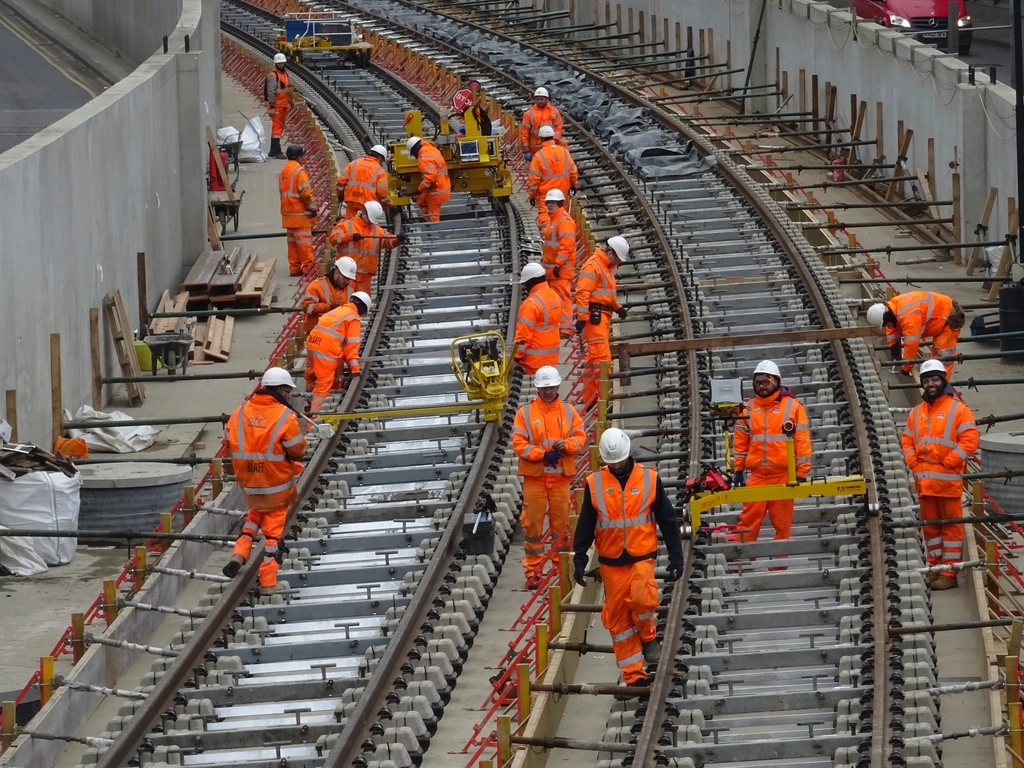
The transport vision entails high-speed rail linking Gaza’s urban centers, potentially connecting to regional hubs. Rail engineering in such dense urban zones in postconflict scenarios requires vibration control, blast-resistant design, and modular track systems for rapid deployment. The rail network would serve both commuter and freight needs, supporting manufacturing zones and tourism corridors along the redeveloped coastline.

6. Temporary Housing Arrangements
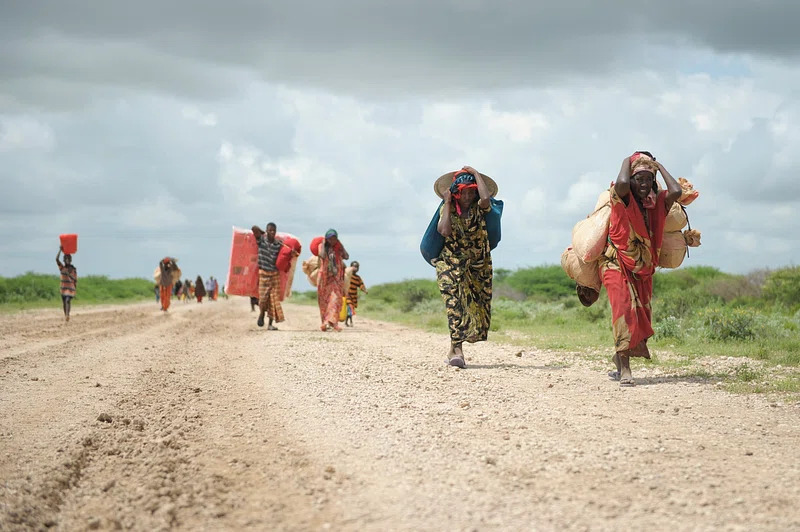
With 90% of its residents displaced, the design of interim housing becomes critical. Not being satisfied with protracted tent camps, a RAND concept for “future-oriented” camps takes in modular caravan units laid out in residential blocks, pre-wired for utilities and integrated with transport links. Partially habitable neighborhoods could be rehabilitated in situ, allowing families to remain while reconstruction proceeds incrementally a strategy known as “incremental urbanism.”

7. Materials and Supply Chain Security
The construction sector has long been hamstrung by dual-use restrictions on materials such as concrete and steel. It would also require there to be accountable supply chains and transparent procurement to satisfactorily address Israeli security concerns while ensuring timely delivery of key inputs. Lessons from other post-conflict zones suggest that delays to material access could stall recovery and erode donor confidence.
8. Financing and Governance Mechanisms
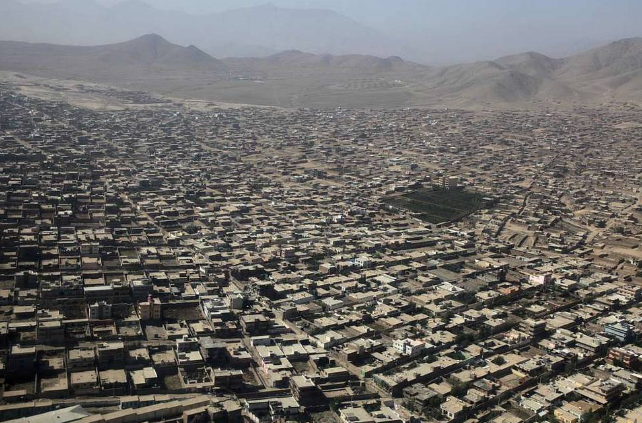
The U.S. promised to “anchor” close to $60 billion in grants and debt guarantees, which would cover 20% or more of all costs. The World Bank is likely to assume a coordinating role. Good governance will involve a single donor platform that can combine local decision-making with international supervision to avoid corruption and approve projects. Disappointments from the past, including the flawed $145 billion reconstruction of Afghanistan, highlight what could go wrong without solid management structures.

9. Workforce Mobilization
Reconstruction requires a competent labor force-engineers, construction workers, planners-but the capacity of Gaza is depleted. Vocational training programs need to be greatly scaled up, complemented by imports of foreign labor accommodated in safe housing, if necessary across the Egyptian border. Shortages of workers have retarded other recoveries, such as that in the US Virgin Islands after the hurricanes, making this element particularly pressing.
10. Long-term Economic Vision
By year ten, the plan projects more than $55 billion in long-run investment returns from tourism, manufacturing and trade. The Strip is strategically positioned on the Mediterranean to act as a potential logistics and data hub, combining Israeli technology with Gulf capital. Yet, such growth can be sustained only with political stability, open borders, and integration in regional economic structures.
Project Sunrise is an intricate blend of geopolitical strategy and advanced engineering, kept in the shadow of war. Its success depends not only on the removal of weapons but also on the precise orchestration of rubble clearance, infrastructure deployment, governance, and technology integration-each a discipline unto itself, yet all interdependent in the making of a high-tech Gaza.


