“The enemy must understand that Ukraine will not stop, and it will strike them anywhere in the world,” those words by a source in the Ukrainian Security Service framed an operation that has redefined the maritime battlespace of the Ukraine-Russia War. For the first time since the full-scale invasion began, Kyiv has taken its drone war against Russian oil logistics far beyond the Black Sea–to the very heart of the Mediterranean.
The strike in December against the Oman-flagged Qendil tanker was a part of Moscow’s shadow fleet; it was more than just a tactical hit-a message, inter alia, to Russia, to global shipping, and to those states still buying up sanctioned oil that Ukraine’s reach is no longer geographically constrained. That move underlined the increasing intersection in modern conflict of economic warfare and hybrid operations, including advanced unmanned systems.
It crystallizes the most critical dimensions of strategy, operations, and geopolitics related to this unparalleled attack by fusing open-source intelligence, maritime risk analysis, and the greater context of shadow fleet operations.
1. First Mediterranean Strike Marks a Geographic Expansion
The Qendil attack came some 2,000 km off Ukrainian territory and the coast of Libya. According to the SBU, its elite Alpha unit flew in aerial drones, with munitions dropped from a hexacopter-type bomber drone, during a “multi-stage” operation. Video captured multiple impacts on topside infrastructure of the tanker. Maritime tracking showed that the vessel abruptly reversed course near Crete after the strike. It was the first confirmed Ukrainian strike on a Russian-linked vessel in the Mediterranean, following earlier hits in the Black Sea and as far afield as Senegal. Analysts say this reflects tactics from the clandestine Iran-Israel maritime contest-a sign that Ukraine is prepared to prosecute targets well beyond its immediate theater.
2. Scale of the Shadow Fleet and Role in Sanctions Evasion
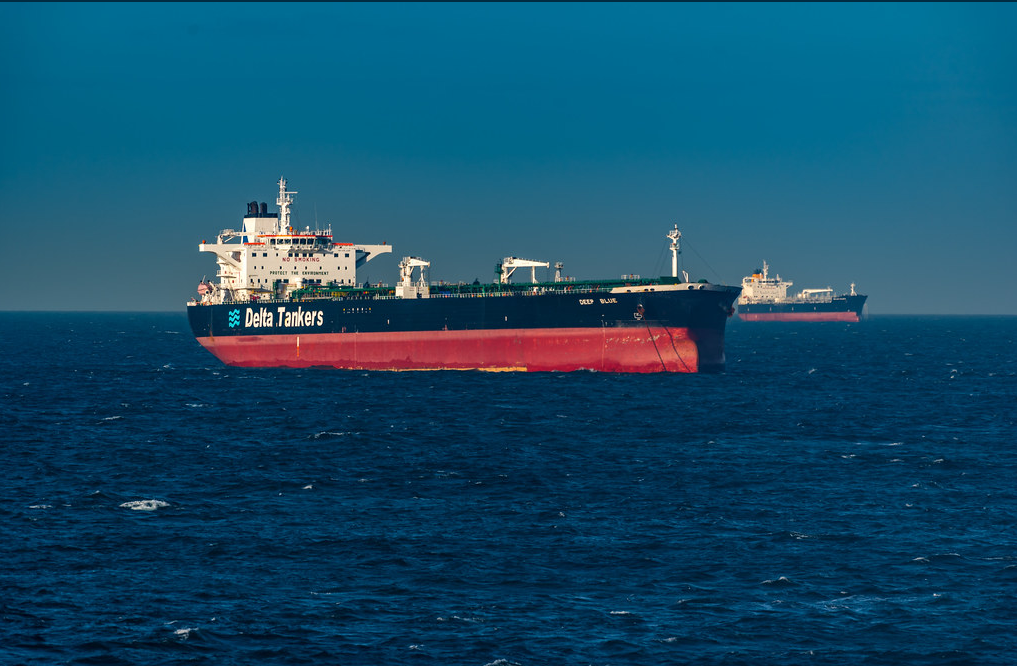
The shadow fleet of Russia is believed to be above 1,000 vessels carrying about 3.7 million barrels per day or roughly 65% of its seaborne oil exports and earning $87-$100 billion every year. These vessels often use some of their most common evasion techniques: opaque ownership, flag-switching, and AIS spoofing. Most of them are over 15 years old, uninsured, and with deceptive practices that pose a high security and environmental risk. By hitting it, Ukraine is trying to cut into one of Moscow’s most critical revenue streams. The EU and the UK had sanctioned Qendil over accusations that it tried to circumvent restrictions in order to help fund Russia’s war effort – making it, in Kyiv’s view, an “absolutely legitimate target.”
3. Hybrid Warfare at Sea
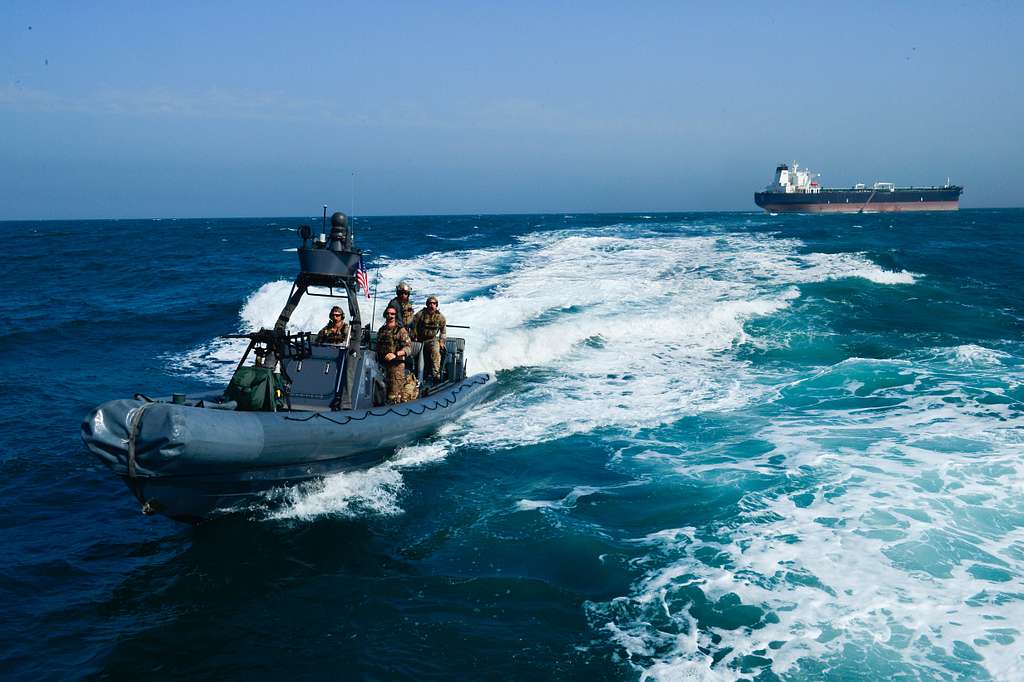
Beyond sanctions evasion, Western and Ukrainian intelligence have identified shadow fleet vessels for their involvement in hybrid operations. Some vessels carry Russian security personnel with military backgrounds, including former Wagner operatives, tasked with conducting surveillance and/or potential sabotage. Incidents have included suspected drone launches near European military installations and disruption of undersea cables. In this connection, the Swedish Navy has reported Russian military personnel aboard such tankers in the Baltic, underlining their dual role as commercial and strategic assets. This is a context in which economic and covert military functions are not easily distinguishable, making enforcement more difficult and risky in terms of escalation.
4. Russia’s Countermeasures and Escort Dilemmas
It has adapted by instructing captains to avoid territorial seas, livestreaming confrontations, and-where possible-embarking armed guards. Naval or maritime patrols shadow some voyages now. However, escorting shadow fleet tankers with warships in contested waters, such as the Black Sea, would expose those escorts to Ukraine’s proven naval drone threat-turning protection into liability. Likewise, Russian forces employed The Lancet and KUB loitering munitions to destroy Ukrainian uncrewed surface vessels at range in the effort to keep them away from critical shipping lanes.
5. Environmental and Commercial Risk Calculus
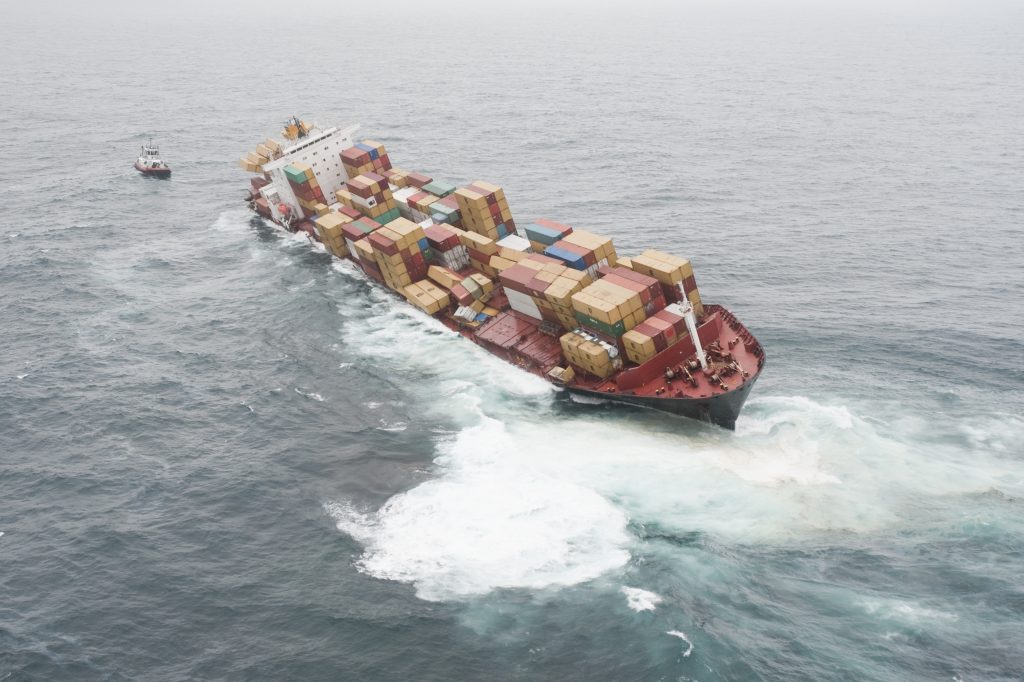
Even empty, the sudden loss of a multimillion-dollar tanker is a blow to operators. If struck while laden, the environmental fallout would be catastrophic. Experts warn that such a spill in the crowded waterways of the English Channel would be a “billion-dollar marine accident waiting to happen.” The increased threat environment may actually deter some of the buyers of Russian oil-most of all, those using older, uninsured vessels. A major Turkish shipping firm pulled out altogether, following the explosion of a shadow fleet tanker off Senegal.
6. Legal and Policy Dimensions of Targeting
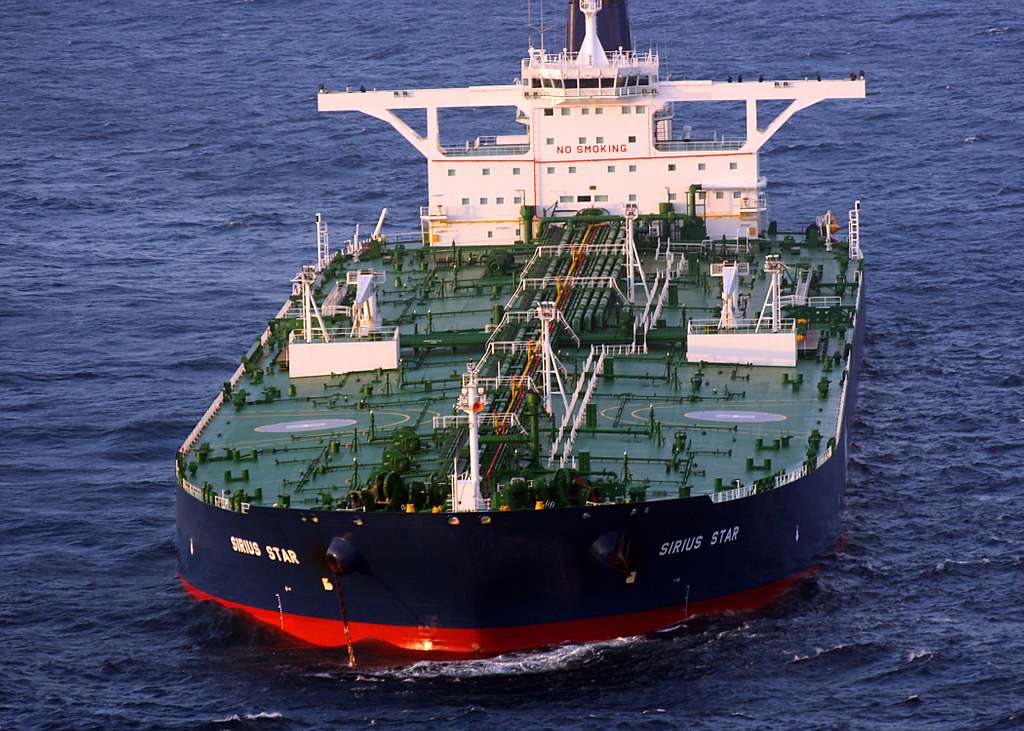
International law says that sanctions-busting vessels directly contributing to the financing of an ongoing war can be considered legitimate military targets. SBU framed the strikes within the “laws and customs of war.” Such enforcement by third-party states has, however, been prevented up to now by the UN Convention on the Law of the Sea due to its restrictions on high-seas interdictions. It is that tenuous legal framework which has promoted calls for creative interpretations-such as treating false flagging as “unauthorized broadcasting”-to justify the boarding or seizure of suspect vessels.
7. Lessons from Commerce Raiding Theory
The attack on the shadow fleet echoes historic ‘guerre de course’ strategies wherein an attack on the adversary’s trade has had an undermining effect on their war economy. Commerce raiding today does not have to be about decisive naval battles but can be achieved through drones, sanctions, and lawfare to disrupt logistics. Ukrainian maritime strikes, backed by Western financial pressure, thus represent a 21st-century variant of the same doctrine-using military means to achieve strategic effect by debilitating the economic foundation of Russian military power. 3
8. Emergence of Underwater Drone Capability
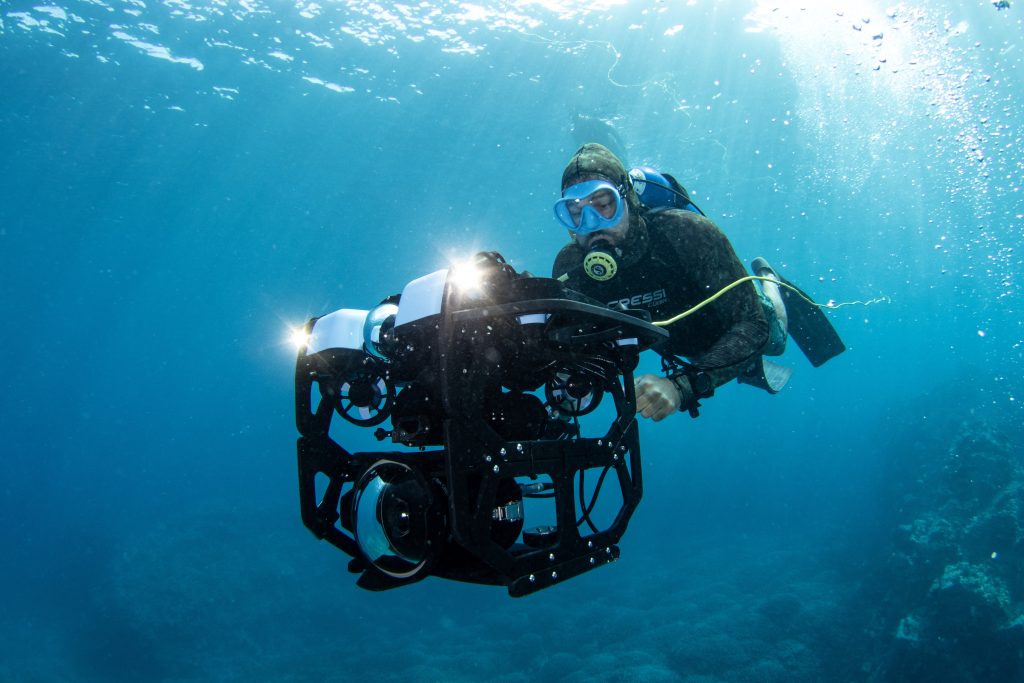
Days before the Qendil strike, Ukraine declared the first combat employment of its ‘Sub Sea Baby’ underwater drone, claiming critical damage to a Russian Kilo-class submarine in Novorossiysk. Reporting indicates that it relies on pre-programmed waypoints and autonomous guidance to manage even the most complex configurations of the port layout. This diversification into subsurface attacks widens the threat envelope for Russian naval assets and could be adapted for use against shadow fleet tankers either in-port or at anchor.
9. Strategic Signaling and Escalation Management
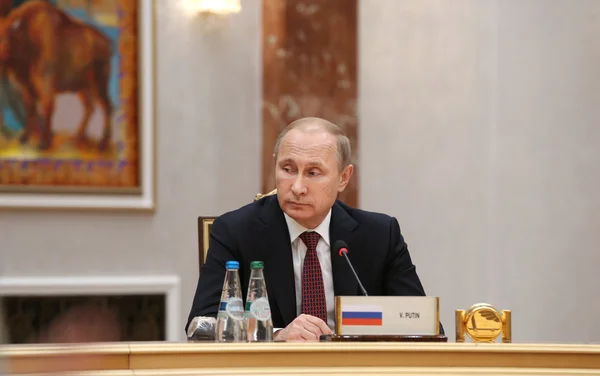
The timing of the strike, hitting in the Mediterranean at the same time as President Putin’s annual press conference, made it particularly political. While he pledged to “definitely respond,” he minimized the operational impact, making clear no supplies would be interrupted. For Kyiv, the operation serves both military and psychological ends: a display of global reach, undermining Russia’s sense of sanctuary, and a signal to neutral states that facilitating evasion of sanctions carries real risk.
The Qendil strike represents more than a tactical success: it is a case study in how a smaller power might use unmanned systems, intelligence, and legal framing to contest an adversary’s economic lifelines far from the front. As Ukraine expands its maritime campaign into new theaters, the shadow fleet-once a murky sanctions workaround-is a battlespace in its own right, with ramifications for global shipping security, energy markets, and the future conduct of economic warfare.


