

Can a commercial space company outpace the legacy defense giants to deliver next-generation missile defense capabilities? Rocket Lab’s latest win suggests the answer is yes. The U.S. Space Development Agency has awarded Rocket Lab an $816 million prime contract to design and manufacture 18 satellites for the Tracking Layer Tranche 3 program-the largest single award in its history to date. This constellation will be pivotal in finding and tracking advanced missile threats, including hypersonic systems, while demonstrating a manufacturing approach that challenges traditional aerospace norms.
The deal cements Rocket Lab’s position as a disruptive force in the national security space. It builds upon a previously announced $515 million SDA contract for Transport Layer-Beta Tranche 2 satellites and brings the company’s total SDA awards to more than $1.3 billion. Beyond the headline figure, the program discloses deeper strategic trends, including a trend toward vertically integrated satellite production, the integration of advanced infrared and space protection sensors, and an increasingly urgent effort to counter hypersonic threats through proliferated LEO architectures.
1. Largest Contract in Rocket Lab History
The $816-million award is Rocket Lab’s most valuable single contract to date, comprised of a base value of $806 million with options of up to $10.45 million. This not only represents a milestone of SDA’s confidence in Rocket Lab’s execution capability but places the company shoulder-to-shoulder with established primes in the delivery of high-stakes national security programs. The satellites will join the Proliferated Warfighter Space Architecture, increasing missile warning, tracking and defense coverage globally.

2. Phoenix IR Payload for Wide-Area Detection
The satellites will each carry Rocket Lab’s infrared sensor payload, the Phoenix, designed with a large field of view to track fast-moving and maneuverable targets like hypersonic glide vehicles. The sensors are meant for persistent and global coverage, providing fire-control quality data delivery to missile defense systems. Putting the Phoenix payload in the constellation will address one of the most critical detection challenges: tracking dim thermal signatures against a cluttered background of Earth.
3. StarLite Sensors Against Directed Energy Threats
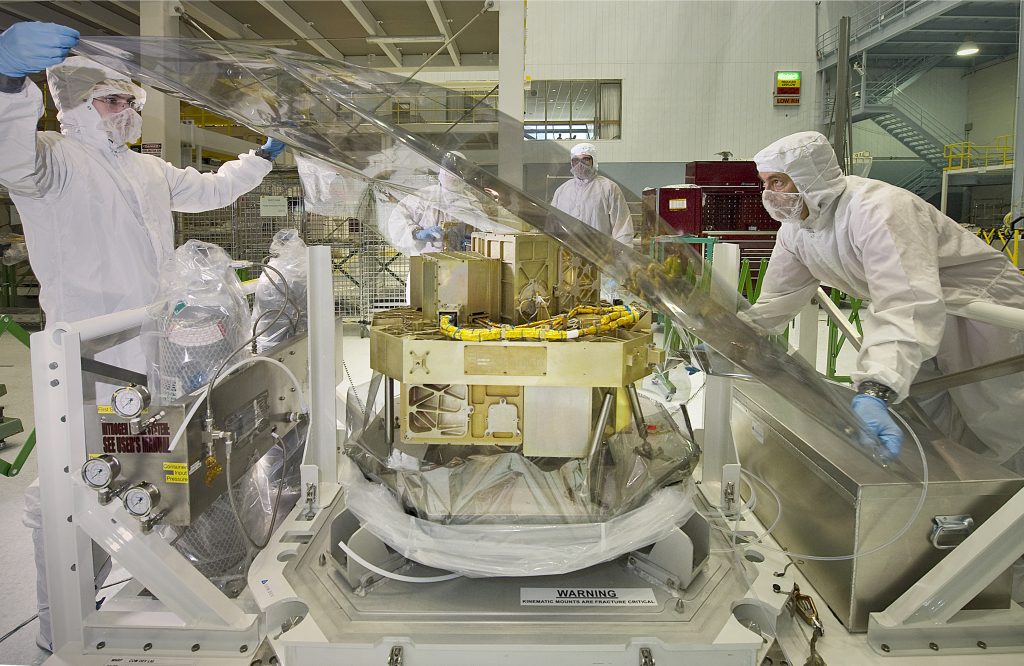
To safeguard the constellation, Rocket Lab is equipping each satellite with StarLite space protection sensors. While originally developed for detecting interference and potential directed energy attacks, StarLite was picked up by other TRKT3 prime contractors in a move that extends Rocket Lab’s role beyond its own builds. In a world where directed energy threats are an emergent concern, sensors add a layer of resilience that complements the missile tracking capability.
4. Vertical Integration as a Competitive Advantage
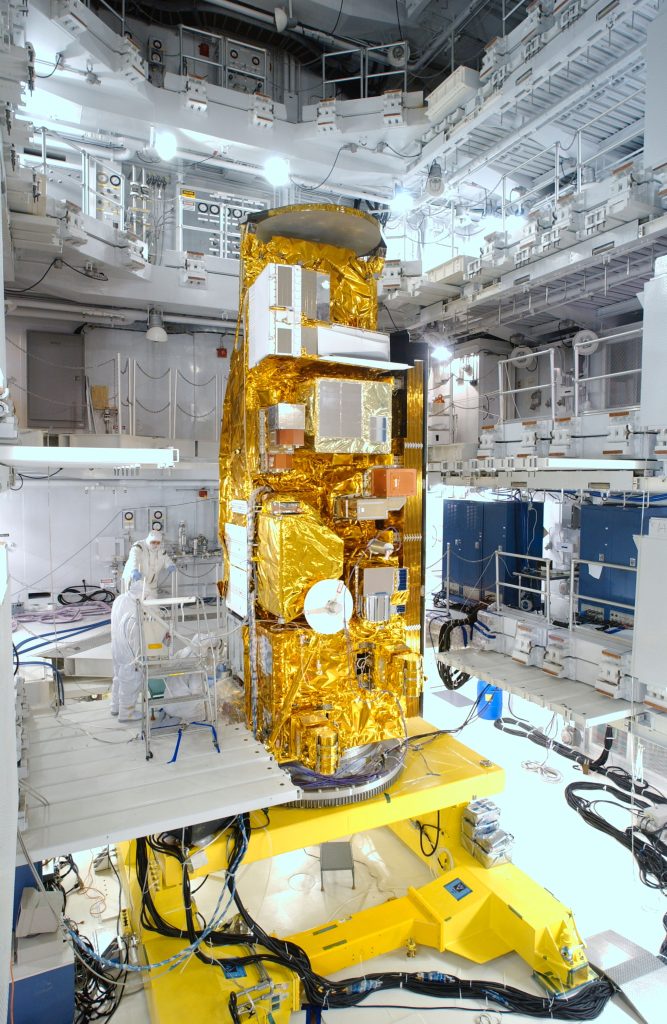
Rocket Lab designs its Lightning satellite platform with a vertically integrated manufacturing model, making all major components internally-from solar arrays and propulsion systems to avionics and payloads. This not only reduces reliance on external suppliers and accelerates timelines while keeping costs under control but will be a key differentiator in national security space over traditional primes that outsource key subsystems.
5. Expanding role as a merchant supplier
Beyond its prime contract responsibilities, Rocket Lab forecasts up to $1 billion in total program capture value by supplying subsystems to other TRKT3 contractors: payloads, solar solutions, attitude control components, and software. This dual positioning both a prime contractor and a merchant supplier speaks volumes for how a commercial player can deeply embed itself within a major defense architecture.
6. Integration into the SDA’s Hypersonic Defense Strategy
The Tranche 3 Tracking Layer constellation will complement SDA’s Transport Layer to create an almost continuous global coverage. As SDA Acting Director Gurpartap Sandhoo described it, the architecture will “close kill chains against advanced adversary threats” through the combination of missile warning, tracking, and defense payloads. This reflects the wider trend to make proliferated LEO constellations the backbone for hypersonic missile defense.

7. Hypersonic Threats Drive Space Sensor Innovation
Hypersonic weapons, with their flight paths that are difficult to predict and low-altitude profiles, are challenging the traditional methods of radar and infrared tracking. Space-based sensors such as Phoenix and StarLite can address these disadvantages in that they allow for “birth-to-death” tracking. Programs like HBTSS have already demonstrated that a space platform can support continuous hypersonic surveillance; this underlines why SDA places so much emphasis on its advanced IR payloads.

8. Building on $1.3 Billion SDA Backlog
The award extends Rocket Lab’s $515 million Transport Layer-Beta Tranche 2 contract, which delivers secure, low-latency communications across the PWSA. With over $1.3 billion worth of SDA contracts, Rocket Lab’s backlog is reflective of sustained trust from the U.S. government. This could mean that successful execution of these programs may be followed by additional awards in future tranches, further cementing its position within missile defense and secure communications.
9. Strategic Positioning against Legacy Primes
Rocket Lab is emerging as a prime contractor and challenging the dominance of legacy aerospace majors. By producing spacecraft and payloads in-house, using proprietary sensor technologies, and taking on both prime and subsystem supplier roles, Rocket Lab rewrites acquisition strategies. As its CEO, Peter Beck, said, “That’s not just a competitive advantage-that’s enabling a fundamental shift in how national security space programs are executed.”
The $816 million TRKT3 contract of Rocket Lab is more than just a business win; it is a harbinger of new dynamics in defense space acquisition. As hypersonic threats accelerate, advanced sensor payloads, vertically integrated manufacturing, and proliferated LEO architectures will define the next era of missile defense. To the defense technology professional and aerospace engineer, the program presents a case study in how commercial innovation can meet-and maybe even exceed-the demands of national security missions.


