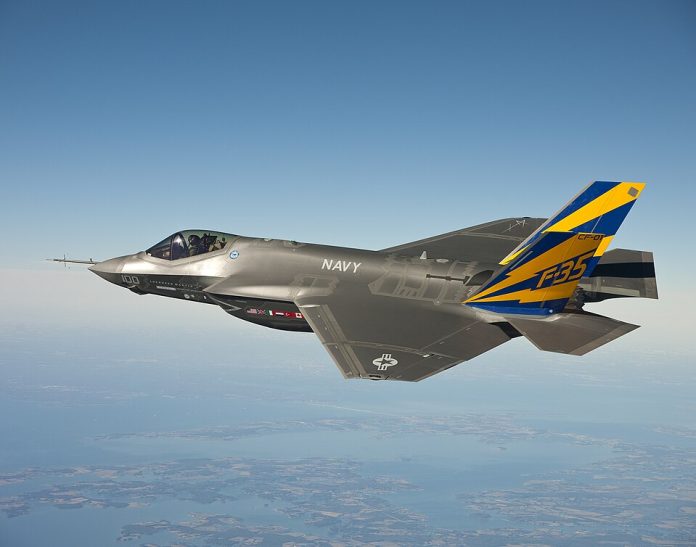
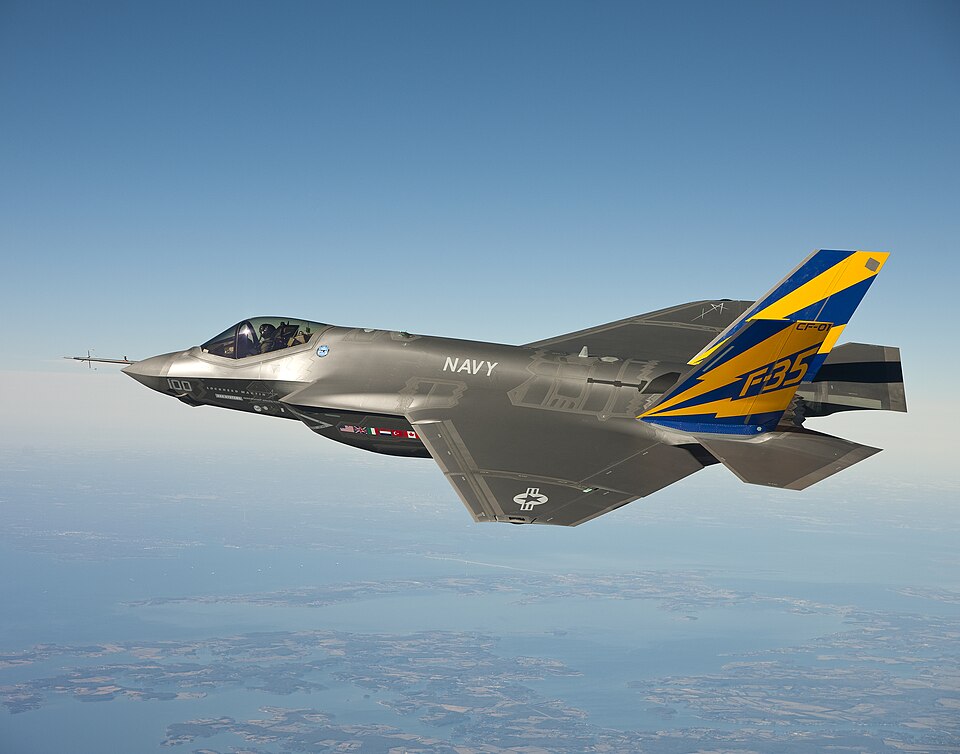
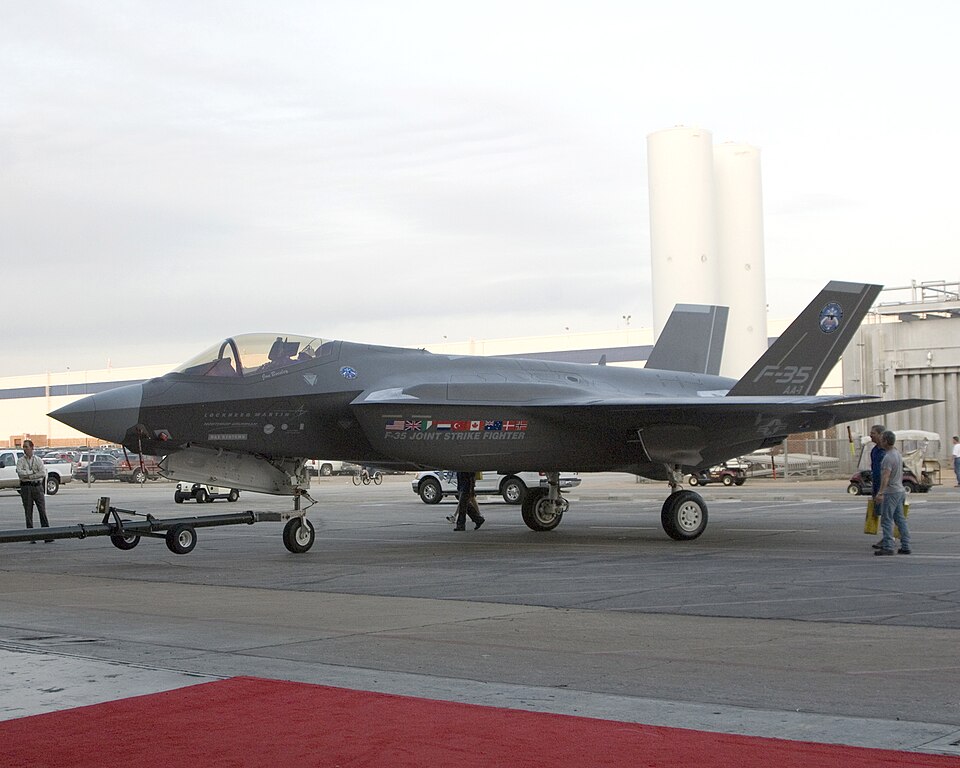
“How do you keep the world’s most advanced fighter fleet mission-ready when half of it is grounded?” This question gets to the root of the latest $3.6 billion contract the U.S. Navy has placed on Lockheed Martin to help preserve the world’s premier operational force in the next-generation fighter jet called the F-35 Lightning II. This new contract reflects the magnitude and difficulty associated with current fighter jet preservation.
The F-35 contract is not just about manufacturing fighter jets. It is linked to being ready in scenarios where the enemy can disrupt supply chain and maintenance facilities. It comes against a backdrop of shortages in availability, growth in costs for sustainment, and even changing views on operating in a distributed manner. It is significant for defense contractors and military leaders because it gives insights into how challenges like supply chain disruptions and keeping fifth-generation capabilities in focus can be addressed.
1. Extent and Magnitude of the $3.6B Navy Contract
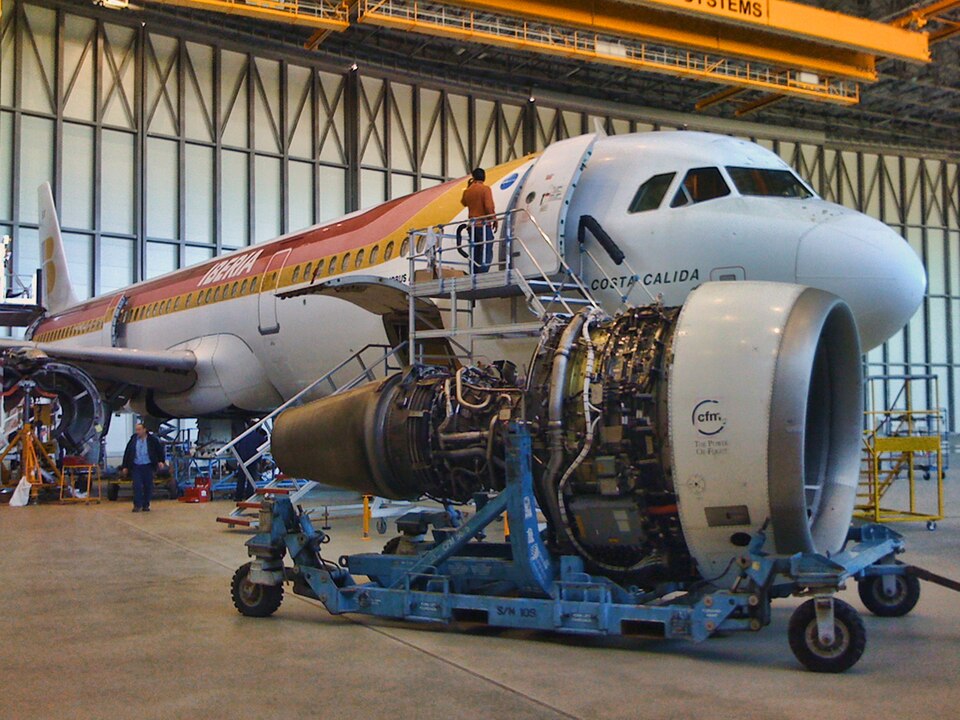
The contract modification for Lockheed Martin’s ongoing contract has an enormous sustainment scope: ground maintenance, depot tasks, supply chain management, pilot & maintainer training, & training systems sustainment. The contract will be executed in several placesthat is, in Texas, Orlando, Greenville, Marietta, & Palmdale and will be finished by December 2026. The sources of funding are Air Force, Marine Corps, Navy, Foreign Military Sales, & contributions from non-DoD partners, taking into consideration the international presence of the program. The large number of sustainment tasks undertaken by the contract suggests the F-35’s deep dependence on logistics & training pipelines to sustain operational rates.
2.abouts of Persistent Availability Shortfalls
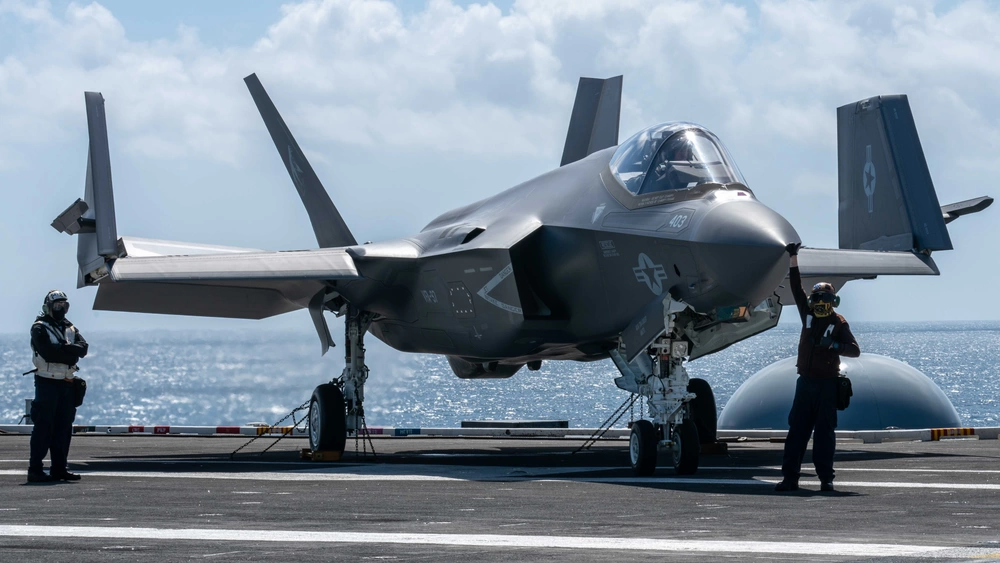
Although its design is so progressive, the rate at which the F-35 fleet is able to undertake its mission tasks is still largely below target. According to the Government Accountability Office, by March 2023, this rate was pegged at 55%, largely due to Depot delays, lack of parts, and unavailability of technical data. However, combat-coded aircraft operate at a rate of 61%, which still remains below target at 65%. The Navy contract aims at improving repair services, but changing the deep-rooted impediments in this respect would call for both expansion and paradigm shifts in handling technical data or parts.
3. Role of Distributed Collaborative Air Operations
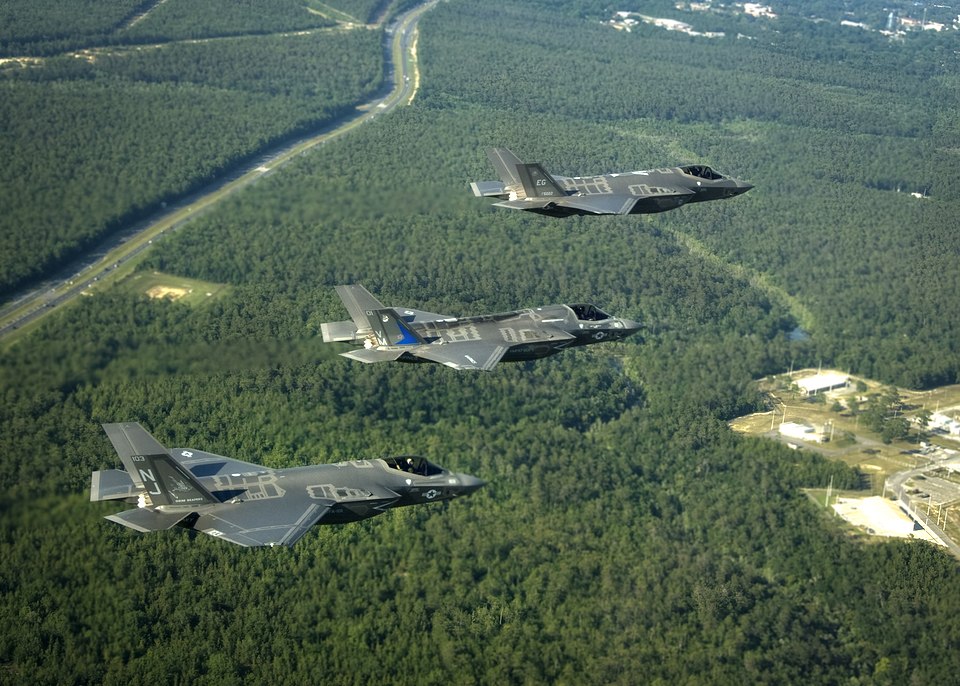
Concepts such as Distributed Collaborative Air Operations (DCAO) put fifth-generation fighters such as the F-35 at the tactical edge, thereby acting as flying command centers in a contested space. Modifications such as Technology Refresh 3 and Block 4, which are designed to increase processing power by 25 times, along with improved radar and electro-optical sensors, will enable pilots to sensor and process information without radiating any detectable signals. This will require maintaining the aircraft, not just making sure that they are flying, but that their sensors and mission systems are operational.
4. Worldwide Demand and Allied Integration
The foreign partner countries are also ramping up their F-35 inventory, thereby adding more complexity to the support operations. The $9.4 billion project for the delivery of 64 F-35A to Finland, as well as the $1 billion+ funding for the latest missile technology, is representative of the use of the F-35 as part of the integrated web of deterrence for the entire NATO. The $1.85 billion support requirement of Poland further speaks of the extent of investment being made. The Navy contract has to support varied configurations and operational elements, thereby emphasizing the requirement of interoperable support infrastructure.
5. Supply Chain Vulnerabilities
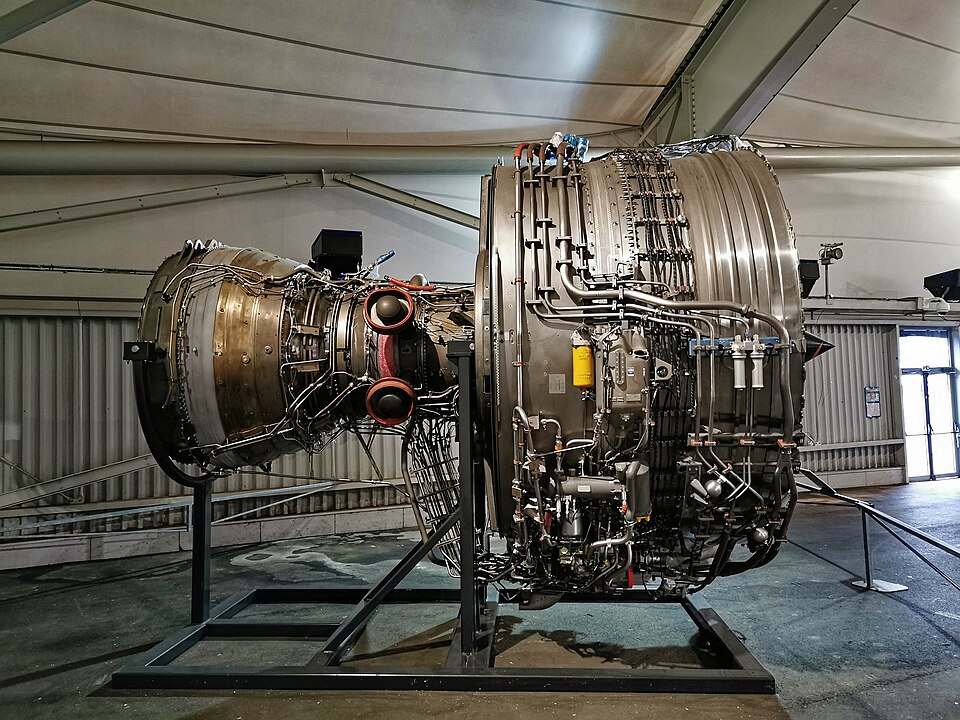
The supply chain resilience experienced by the F-35 sustainment community is similar to the commercial aerospace industry, where there are backlogs in engine modules, canopies, and other key items. The GAO identified in March 2023 that more than 10,000 parts were waiting to be repaired, which is more than twice the number in 2019. Lockheed Martin’s plan is to open more depots and provide more spare modules, but their weaknesses may be taken advantage of by their adversaries through cyber attacks or logistics hubs damage through strikes. The need for reliability and maintainability in the award is clearly in reaction to this scenario.
6. Reliability Engineering & Best Practices
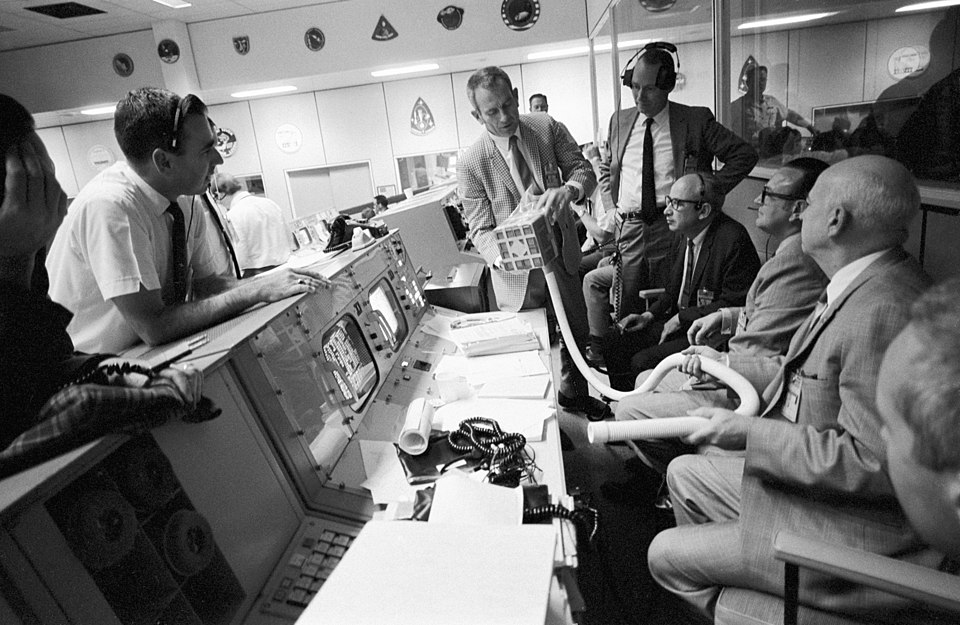
According to a GAO review of defense acquisition programs, early use of reliability engineers, realistic requirements, and integrating reliability in development are key to long-term success. This is already practiced by commercial aerospace companies as they try to steer clear of rework initiatives that are costly. The sustainment contract that the Navy has entered can help incorporate all these elements in the support process of the F-35.

7. Logistical Challenges of Worldwide Deployment
To spread these F-35 squadrons across global battle arenas requires extensive coordination for operations such as refueling planes in mid-air, logistics for moving large amounts of equipment over long distances, as well as simultaneous arrival. Methodologies such as Agile Combat Employment Micro-Bases provide countervailing measures against being vulnerable by stretching the presence of these units over multiple points. This requires logistics containers that are scalable, known as predictive maintenance logistics, made possible by award wins for the Navy.
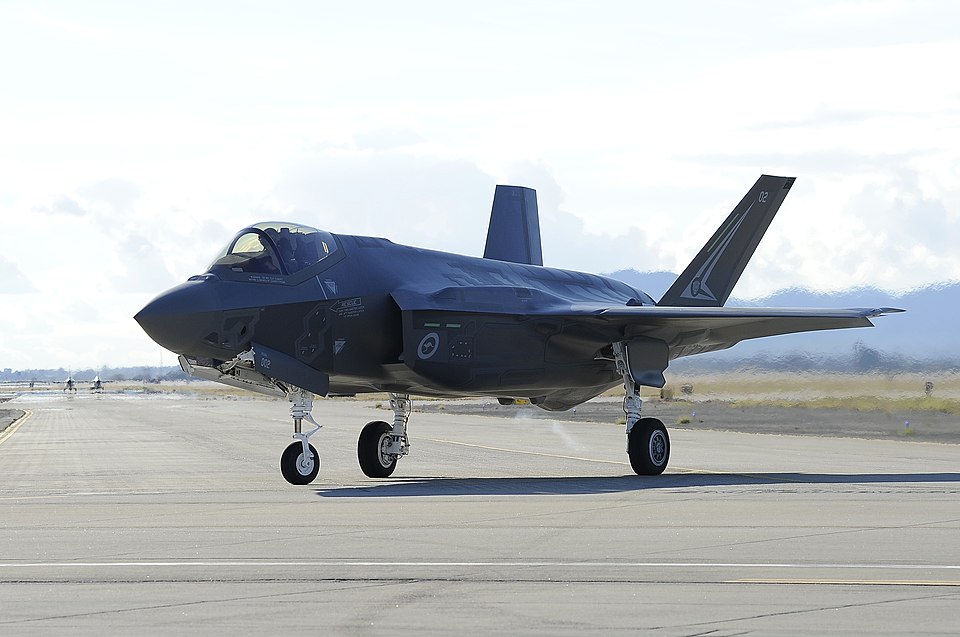
8. The Art of Sustainment and
The Pentagon has close to 2,500 F-35s slated and life cycle costs of above $1.7 trillion. This means that there is a dilemma of either acquiring and sustaining. The Navy contract of $3.6 billion signals that if sustainment is not prioritized, then an increased number of aircraft would not necessarily imply an increased level of operational readiness.
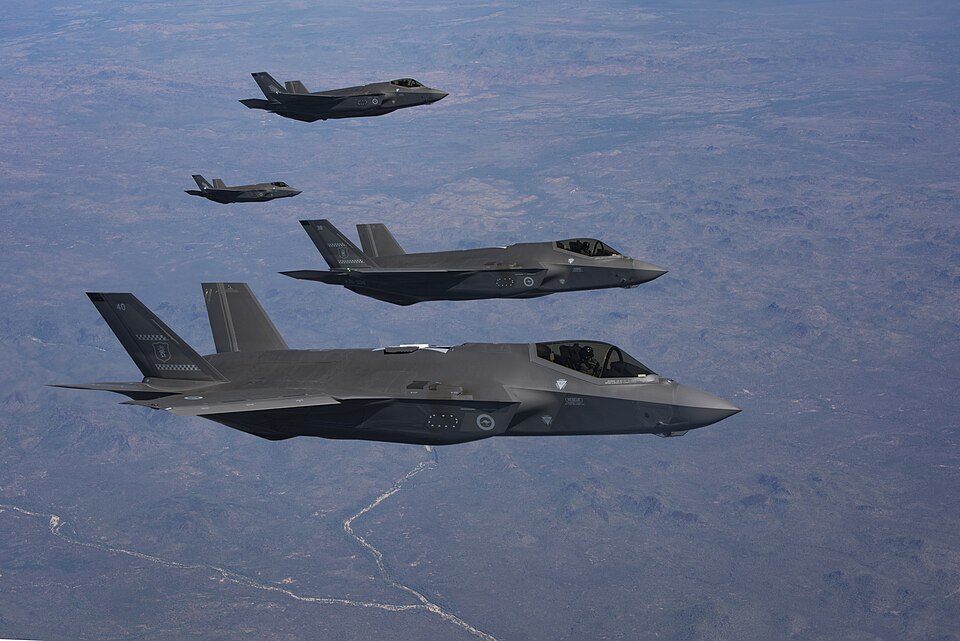
9. Strategic Impact on Deterrence
Lt. Gen. Gregory Masiello has specifically pointed out that the key role of the F-35 is being able to defend itself and being affordable. This is because the ability to make as many decisions as possible within degraded environments could prove more valuable than overall numbers in any future war. This is where readiness plays its critical role. In fact, readiness can be seen as the key factor that ensures any force can defend itself effectively.This is because being able to defend oneself is one of the factors that determine the effectiveness of any force.
For that reason, readiness plays its critical role through its ability to allow forces to defend themselves. The $3.6 billion sustainment contract by the Pentagon’s biggest contractor, Lockheed Martin, is not just another contract but the embodiment of readiness in the modern military era where the bounds of readiness have transcended the traditional markers of readiness and firepower. To defense experts, this contract signified a paradigm shift in the manner by which defense sustainment goals must be addressed in a manner that complements the qualitatively superior F-35 fighter jets. Readiness has indeed become the fourth dimension of power in the modern battlefield.


