

“Defeating the hypersonic missile threat begins in space.” This, from L3Harris CEO Christopher Kubasik, captures a sense of urgency driving the US Space Force’s latest investment in orbital defense. In a strategic move, the Space Development Agency has committed roughly $3.5 billion to expand its low Earth orbit missile tracking capabilities with 72 advanced satellites. This contract award kicks off the Tranche 3 Tracking Layer in the Proliferated Warfighter Space Architecture. The effort, with contracts awarded to Lockheed Martin, L3Harris Technologies, Northrop Grumman and Rocket Lab, aims to provide near-continuous global coverage against emerging missile threats including hypersonic systems.
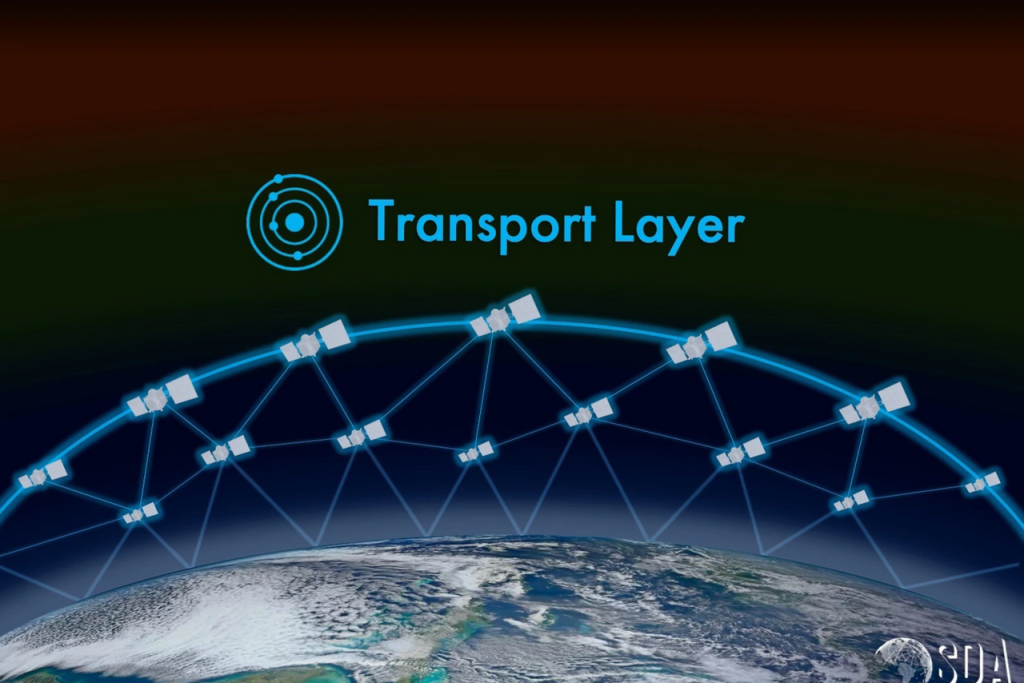
The satellites will join the PWSA Transport Layer as part of a resilient, mesh network able to deliver fire-control quality data directly to the tactical user. The following funding, technical capability, and strategic context breakdown is essential for understanding how Tranche 3 strengthens U.S. missile defense over the next decade for the defense technology professional and the aerospace engineer.
1. Largest SDA Satellite Award to Date
The $3.5 billion investment of Tranche 3 is among the single biggest investments the SDA has made in tracking infrastructure. It expanded to 72 units from a planned 54 satellites after a strategic reassessment of the program. This shows that Congress and the Pentagon understand they need near-continuous global coverage along with increased fire-control capability. The program employs firm, fixed-price Other Transaction Authority agreements, which enable fast procurement and integration without the delays associated with traditional acquisition methods.
2. Four Industry Leaders Share the Workload
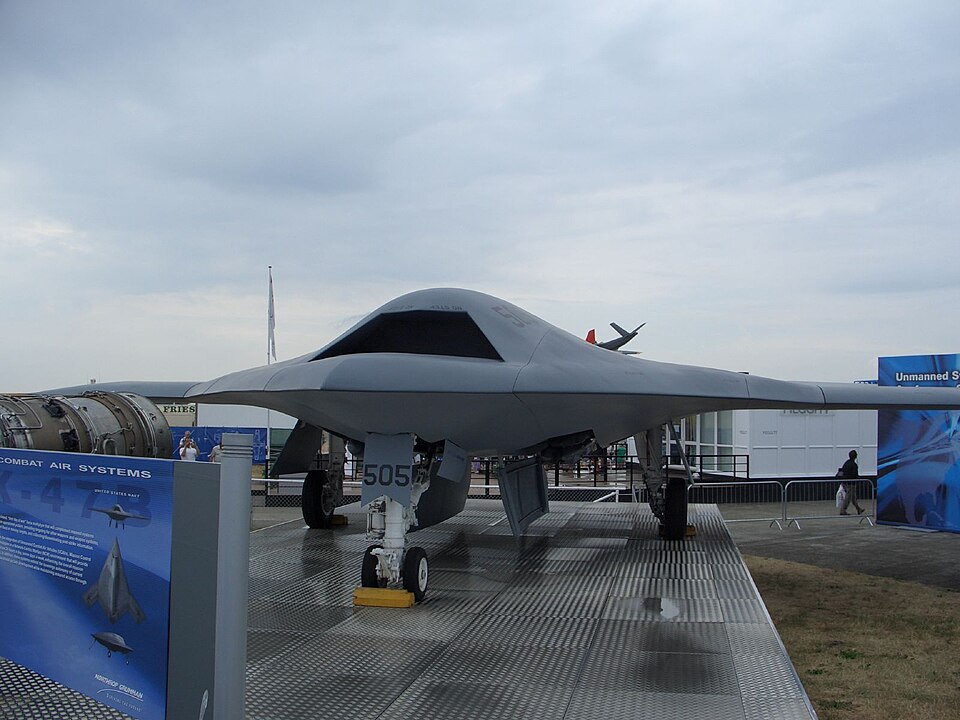
Each of the four selected companies will deliver 18 satellites. Lockheed Martin won $1.1 billion for MWTD units. L3Harris Technologies gets $843 million for MW/MT satellites. Rocket Lab’s $805 million award covers MWTD units, while Northrop Grumman will build MW/MT satellites for $764 million. A balanced distribution of work ensures diversity of industrial input while leveraging specialized expertise in infrared sensing and satellite bus design for each contractor.

3. Dual Sensor Configurations for Comprehensive Coverage
It will be set up with two sensor configurations: MW/MT infrared sensors to provide early warning and MWTD sensors outfitted with medium-field-of-view optics to establish precise tracking and missile defense engagement. As stated by SDA Acting Director Gurpartap Sandhoo, these payloads integrated into the Transport Layer will “significantly increase the coverage and accuracy needed to close kill chains against advanced adversary threats.” This dual approach will ensure situational awareness across a wide area and precision targeting capability.

4. Rocket Lab’s Phoenix and StarLite Payloads
Rocket Lab’s satellites will be based on its Lightning bus and include the Phoenix infrared payload, a wide field-of-view system designed to meet emerging missile defense requirements. The company’s StarLite space protection sensors also will provide protection against directed energy threats a capability other contractor also will provide. Rocket Lab CEO Peter Beck said, “Demand for resilient, scalable, and affordable space systems continues to grow,” placing the company in a strong position to compete in national security space.
5. Lockheed Martin Partners with Terran Orbital
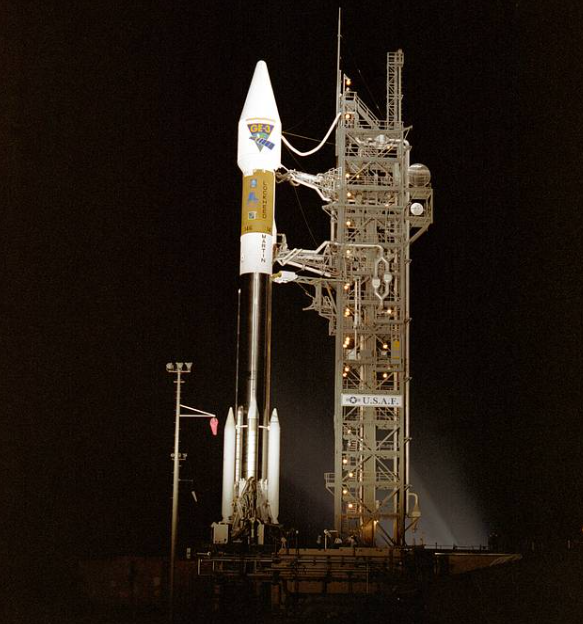
The TRKT3 satellites from Lockheed Martin will be based on buses manufactured by Terran Orbital at its SmallSat Processing and Delivery Center in Colorado. The deal extends an earlier agreement under which Lockheed delivered 21 Tranche 1 Transport Layer satellites in October 2025, with a further 21 under production. All in all, Lockheed was contracted for 124 SDA space vehicles, making it a central factor in the PWSA’s expansion.

6. L3Harris’s Proven Track Record
L3Harris adds Tranche 3 to its existing portfolio of SDA satellites, including four Tranche 0 units and 34 across Tranche 1 and 2. In support of rapid fabrication, the company recently opened a dedicated production facility in Palm Bay, Florida. “Defeating the hypersonic missile threat begins in space,” said Kubasik, reflecting the company’s emphasis on leveraging proven on-orbit tracking capability for homeland defense.
7. Northrop Grumman’s OPIR Heritage
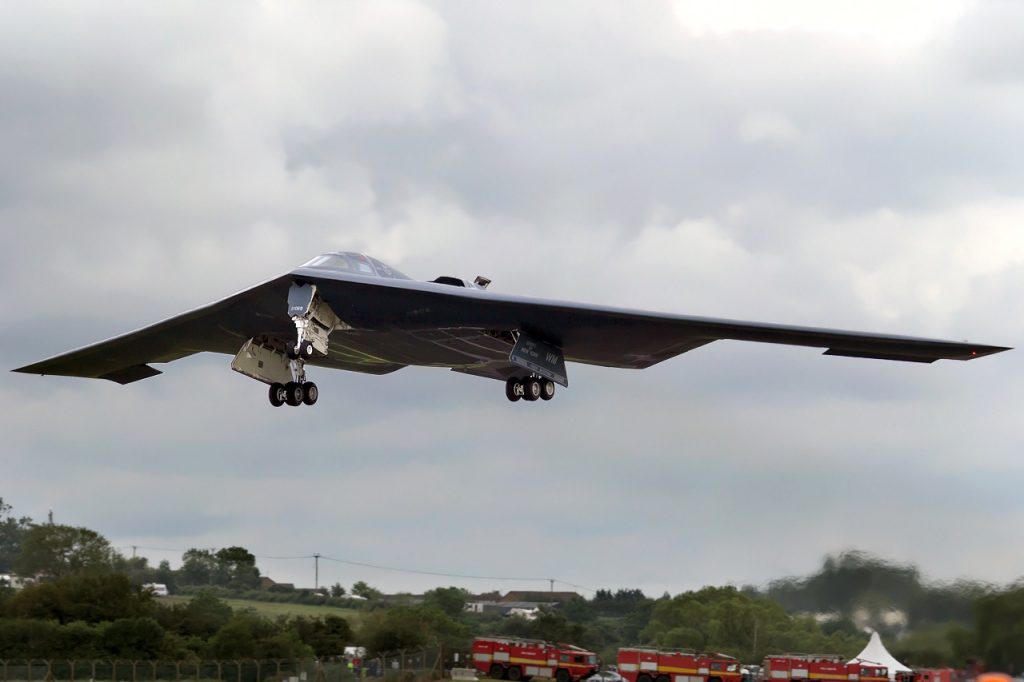
Responsibility now extends to 150 satellites across the first three tranches. With a rich history in Overhead Persistent Infrared systems, they are in a place to deliver TRKT3 units expeditiously. Brandon White, Vice President for space-enabled multi-domain operations underscored contributions to both high and low altitude layers of missile warning architecture, reinforcing Northrop’s role in comprehensive threat detection.

8. Congressional Funding Signals Strategic Priority
Lawmakers want to add $1.2 billion to Space Force R&D in fiscal 2026: $500 million to accelerate development of the Tranche 3 Transport Layer and $474 million for the polar segment of the Next-Generation OPIR system. The boost reflects bipartisan support for expansion of low-Earth orbit data transport networks and space-based missile warning systems as the Space Force reviews its future architecture.
9. Spiral Development for Resilience
The SDA utilizes a spiral development model to refresh the capability approximately every two years, each generation incorporating targeted technological enhancements. This process ensures that the constellation remains one step ahead of adversary advancements through proliferation. The model in which it fields upgraded satellites keeps them from becoming obsolete and sustains operational superiority for the nation in missile detection and tracking. More than an incremental upgrade, the Tranche 3 Tracking Layer marks a critical step toward a globally integrated, resilient missile defense network.
By blending industrial diversity, advanced sensor technology, and continued congressional support, the SDA is positioning the U.S. to counter the most sophisticated missile threats of the next decade. For defense technologists and aerospace engineers, the program represents a case study in rapid acquisition, layered architecture design, and the strategic value of proliferated low Earth orbit constellations.


