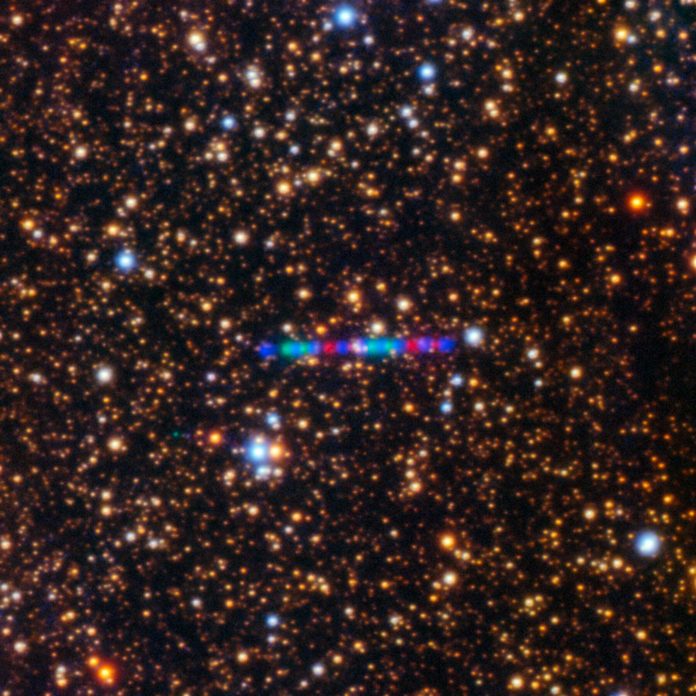
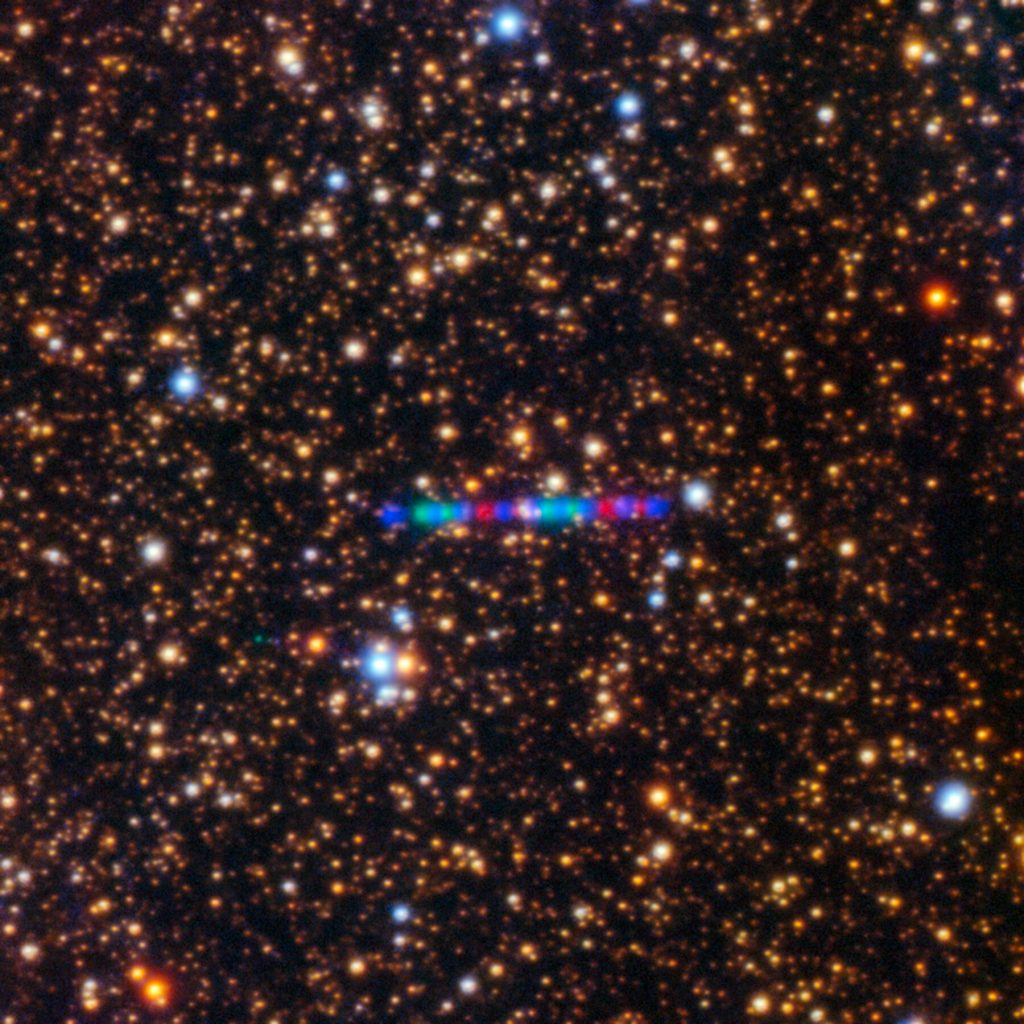
Was it actually possible for a comet from another star system to contravene every expectation astronomers might have from natural celestial bodies? That is the question that has astrophysicists abuzz, as 3I/ATLAS-only the third confirmed interstellar object ever detected-completes its historic flyby of Earth and begins its departure into deep space. And while its hyperbolic trajectory unmistakably points to an origin beyond the Solar System, the object’s behavior and composition present a whole catalog of anomalies challenging established cometary science.
1. Detection & Trajectory Confirmation
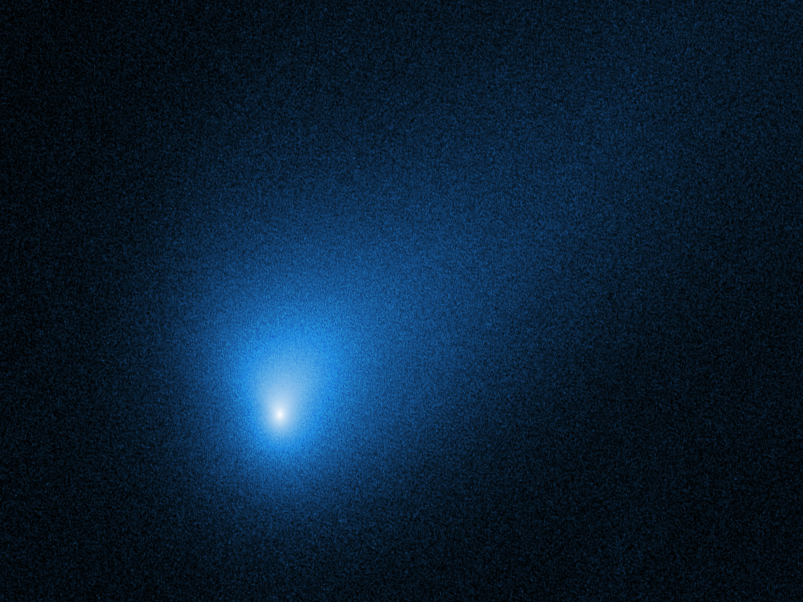
3I/ATLAS was first detected on 1 July 2025 by the Asteroid Terrestrial-impact Last Alert System, a worldwide network of robotic telescopes that scan the sky every 24 hours. Follow-up astrometry revealed a hyperbolic orbit-eccentricity well above 1–proving it is not gravitationally bound to the Sun. It has just passed at perigee at 270 million kilometers from Earth, moving about 60 km/s, faster than either 1I/’Oumuamua or 2I/Borisov. Its inbound trajectory aligns within 5° of the ecliptic plane-a geometric precision which some have suggested may be intentional, though most planetary scientists attribute this to statistical coincidence.
2. Cometary Activity Without the Usual Signatures
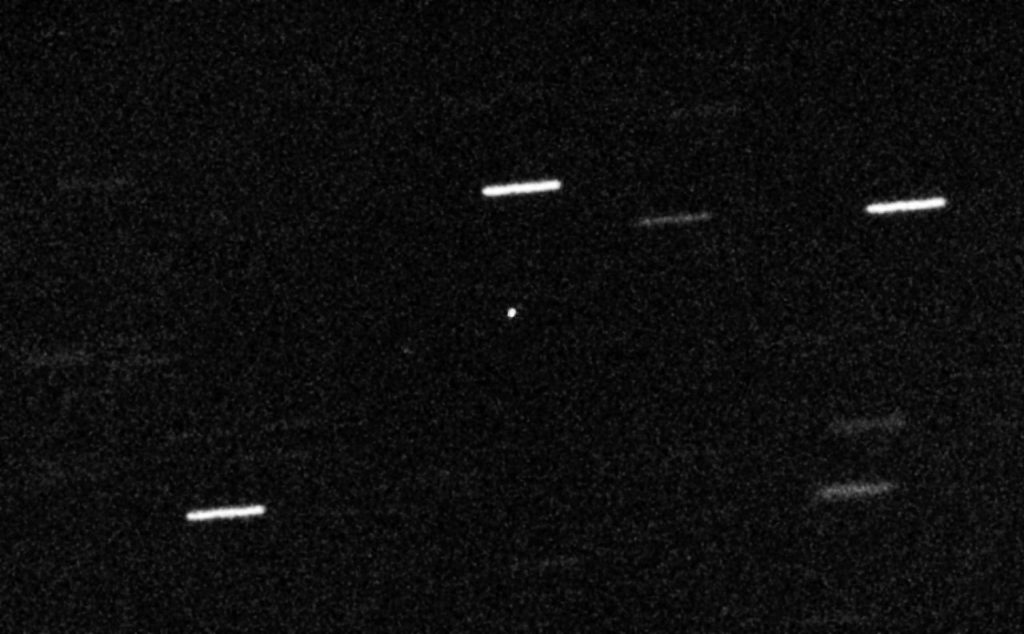
Where ‘Oumuamua showed no obvious outgassing, 3I/ATLAS had developed both coma and tail through volatile sublimation at as great a distance as 4 AU from the Sun. Spectroscopy, however told of an unexpected composition: CO₂ makes up 87% of the mass, water only 4% a very unlike ratio compared to Solar System comets, where normally the main volatile constituent is water ice. The latter ratio is suggestive of either its formation in a carbon-rich environment or long-term alteration in interstellar space.
3. Chemical and Polarimetric Anomalies
The ratio of nickel to iron was many orders of magnitude greater than that measured for any known comet and more similar to the composition of industrial alloys of nickel. Very negative polarization of this plume was also very extreme, reaching -2.7% at 7° phase angle-unprecedented in previous cometary observations. These optical-scattering properties may be related either to dust grain morphology or composition unique to its origin system.
4. Non-Gravitational Acceleration and Jet Morphology
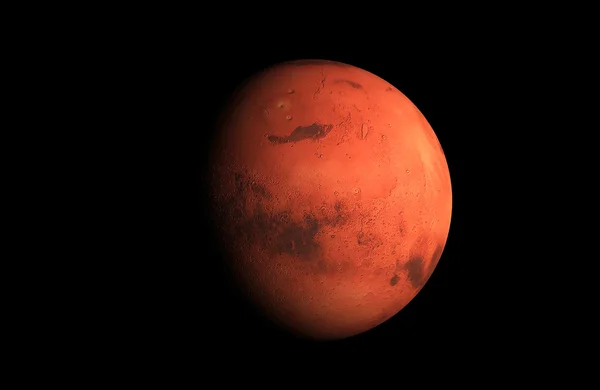
Precision orbital tracking revealed measurable nongravitational acceleration, generally presumed to be provided by asymmetric outgassing. However, 3I/ATLAS did not disrupt, and its jets both in the sunward and anti-solar directions were tightly collimated out to distances well in excess of a million kilometers despite rotation; stability on such a scale is inconsistent with thermal sublimation models, which, to support flux at this level, would require unrealistically large active surface areas. HiRISE imaging from Mars confirmed a bright antitail leading its motion vector-possibly a dust or particle beam that mitigates micrometeoroid impacts at relative speeds near 60 km/s.
5. Gravitational Encounters and Timing Precision
Trajectory modeling done by JPL predicts that the object will have a March 16, 2026, encounter with Jupiter at 53.445 million kilometers, matching Jupiter’s Hill radius to within 0.06 million kilometers. The timing of its path brought it within tens of millions of kilometers of Mars and Venus while perihelion happened during solar conjunction with Earth – that is, unobservable from our planet at closest solar approach. Such alignments are quite rare for random interstellar arrivals.
6. Multi-Wavelength and Citizen Science Observations
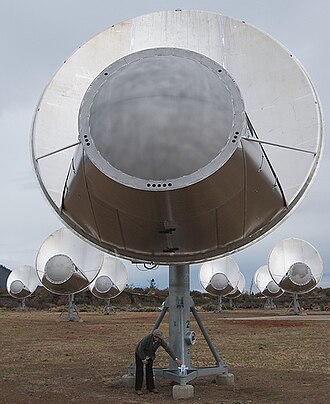
Optical follow-up with the UNISTELLAR Network overcame faintness and fast motion through image stacking, documenting rapid brightening rates and a spectrum that was blue shifted near perihelion. Radio campaigns with the Allen Telescope Array searched for both natural molecular lines and hypothetical technosignatures, returning more than 21 terabytes of data. Artificial signals remain undetected to date, but analysis is ongoing.
7. Detection Methodology & Future ISO surveys
The LSST will improve the detection rate of ISOs from about one in ten years to one in several months. Similarly, algorithms in machine learning, which have been trained with LSST-simulated datasets, will select hyperbolic orbits among millions of Solar System tracklets and enable fast classification and follow-up. Among these, the model GBM showed the highest accuracy for flagging ISO candidates and reduced false positives that would waste telescope time.
8. Scientific and Strategic Implications
3I/ATLAS’ anomalies serve as a reminder of the need for rapid-response interception and sample-return missions. Laboratory analysis of ISO material could yield isotopic ratios, crystalline structures, and organic compounds unobtainable via remote spectroscopy at a fraction of the cost of flagship exoplanet missions. In terms of planetary defense, hyperbolic objects introduce new challenges: high velocities reduce warning times, making pre-positioned interceptors at Lagrange points and propulsion systems capable of >30 km/s delta-v.
9. Comparative Context with Previous ISOs
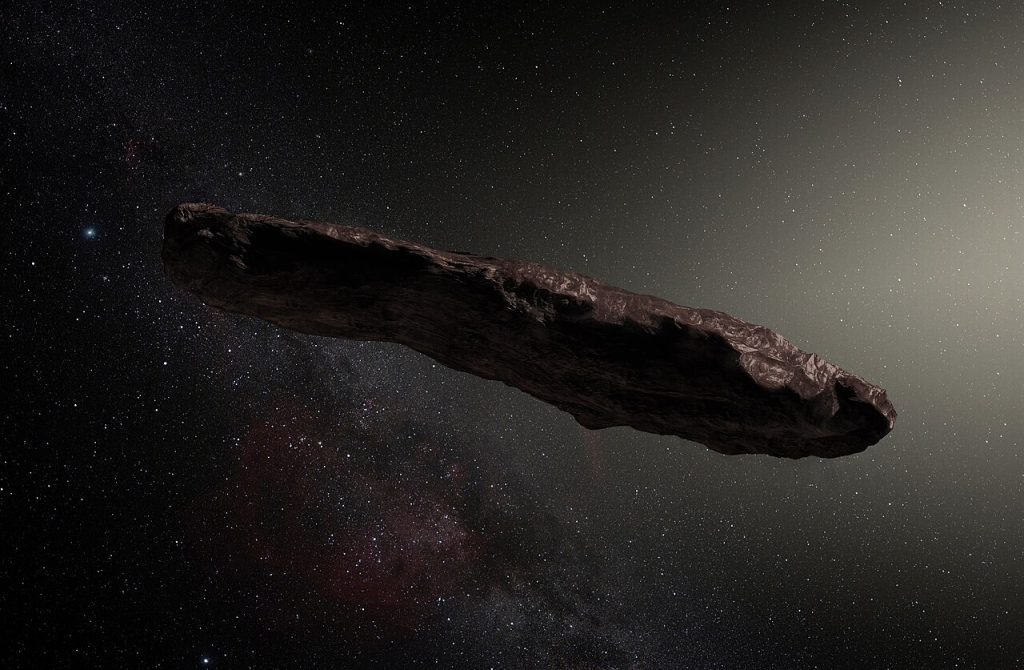
1I/’Oumuamua showed non-gravitational acceleration with no detectable outgassing, extreme elongation, and a reddish color; hence, the hypotheses have ranged from hydrogen icebergs to light sails. 2I/Borisov looked like a pristine comet from a carbon-rich environment, with CO abundances exceeding H₂O by 173%. 3I/ATLAS is both more massive-minimum 33 billion tons-and displays a greater variety of anomalies, which makes it the most data-rich ISO so far.
As 3I/ATLAS recedes into interstellar space, its telemetry offers a rare opportunity for refining models of cometary physics, interstellar chemistry, and detection strategies for future visitors. Be its peculiarities the result of extreme natural variation or unfamiliar processes, the object has already expanded the boundaries within which astronomers must consider possible for the architecture of other planetary systems.


