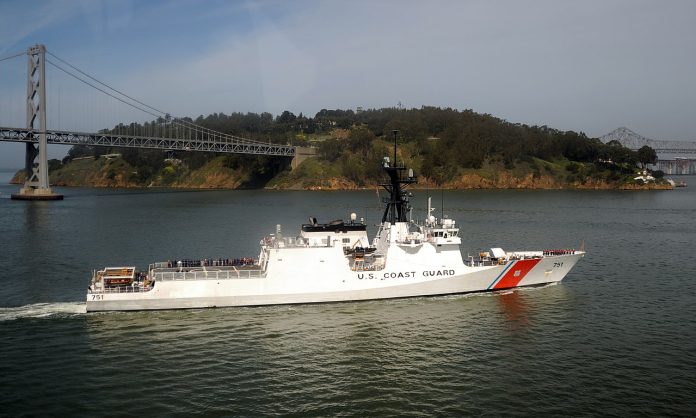
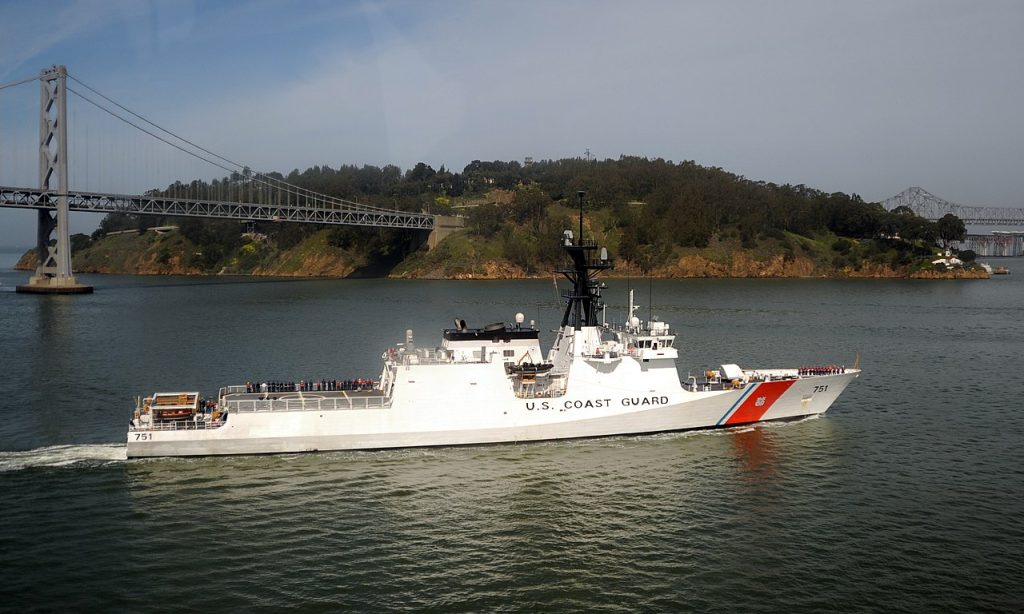
Will the U.S Navy be able to restore its small surface combatant force within the requisite time to combat an eminent threat? That query now characterizes the most pressing shipbuilding program in the service the FF(X) frigate program, which is the backbone of the so-called Golden Fleet of President Trump. In December 2025, the effort was announced to replace the troubled Constellation-class with an established American hullform, with the goal of regaining the operational flexibility and industrial momentum by the end of the decade.
The choice of anchoring FF(X) to Huntington Ingalls Industries National Security Cutter of the Legend type, is a calculated shift towards rapidity, minimization of risks, and local manufacture. The program provides an eye opener case study to defence industry professionals and naval analysts on the convergence of political direction, operational necessity and industrial constraints as an influencer of fleet design. There are ten developments summing up the most important aspects of this change.
1. The collapse of Constellation to the Comeback of Cutter
Constellation-class frigate program, which had been estimated to cost 22 billion dollars in 20 hulls, fell apart due to design turnover, schedule overruns, and manpower deficit. As the fleet had only two ships under construction with the delivery delaying to 2029, the Navy chose to cut the class. It will instead utilize the FF(X) using the Coast Guard Legend-class cutter, a 4000 ton, 418 foot design with proven transoceanic capability by-passing the traps of foreign-developed baselines and overreliance on alterations.
2. Hullform Tested to Quick Production
Ingalls Shipbuilding can repurpose the tooling, processes, and skilled workforce with the Legend-class instead of setting up a new production line in place of a fleet of them. Adm. Daryl Caudle stressed that, we know this frigate design is proven, we know it works with the fleet and most importantly, we have the experience and knowledge to build it. It is believed that the mature design will reduce technical risk, and allow predictable schedules which is a sharp contrast to theConstellation 15% commonality with its European parent.
3. Competitive Follow-On Lead Yard Strategy
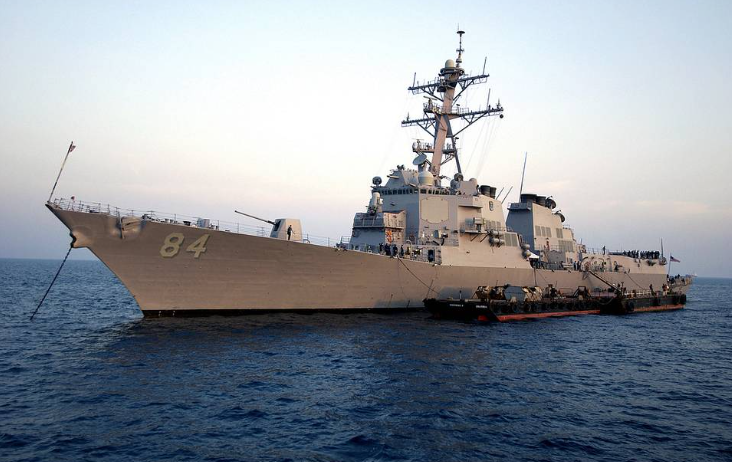
Secretary John Phelan confirmed a lead-yard contract to Ingalls on the first hull and competitive contracts to be made on follow-on vessels to increase capacity. This build-to-print philosophy resembles Arleigh Burke destroyer design where other yards can recreate production without having to redesign the design. The objective: complete the first FF(X) by 2028 and increase the capacity of several shipyards in the U.S.
4. Military Work in the Golden Fleet
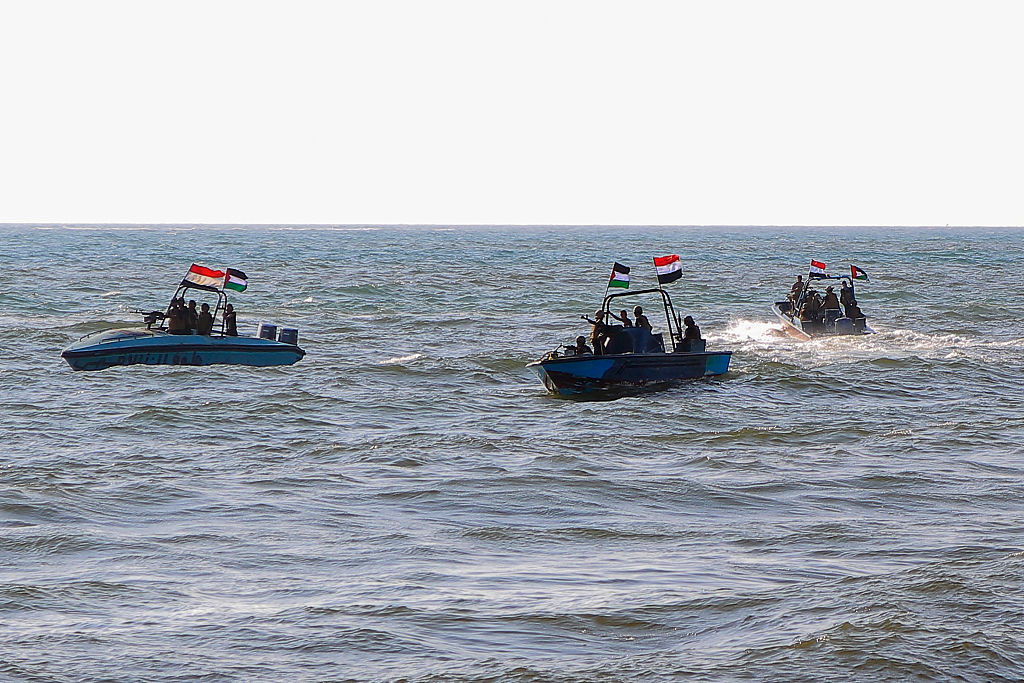
The FF(X) is considered a very versatile ship of surface warfare, modular cargo delivery, and control of the unmanned system. It will unload destroyers off lower-priority missions and they can now go to high-end fights. Recent operations in the Red Sea and caribbean showed the necessity of more capable small combatants that the current Navy inventory is capable of fulfilling less than 3rd of the combatant requirement of 73.
5. Containerized Systems and Modular Payloads
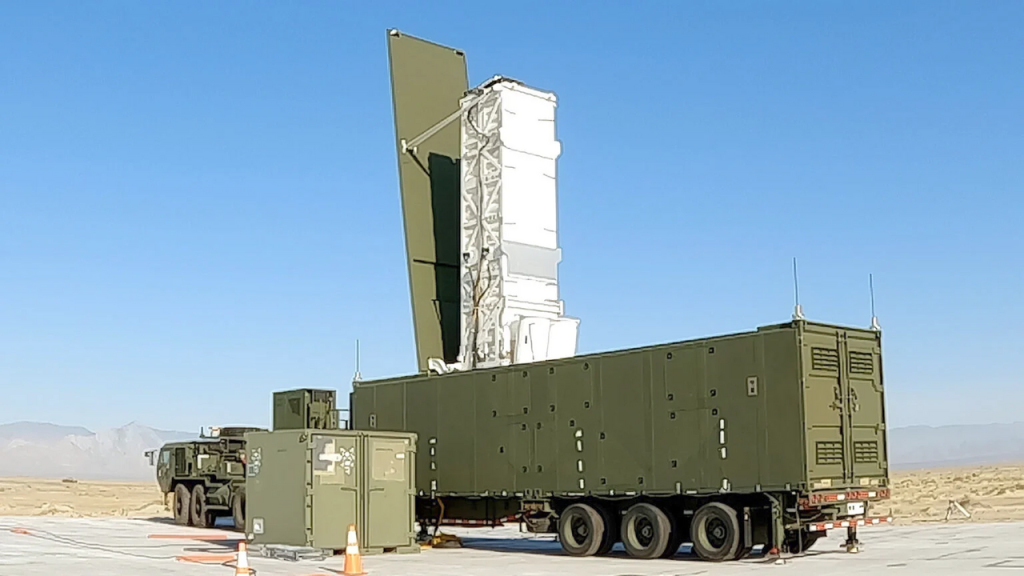
One such initial design modification is the addition of a platform on top of the open boat deck to hold containerized mission packages. This is the case with MK-70 Typhon vertical launch system which is packed in a 40-foot container. This will effectively facilitate quick role reversal, between anti-ship and land-attack operations, which is consistent with distributed maritime operations and future force design.
6. Weapons and Sensors under consideration
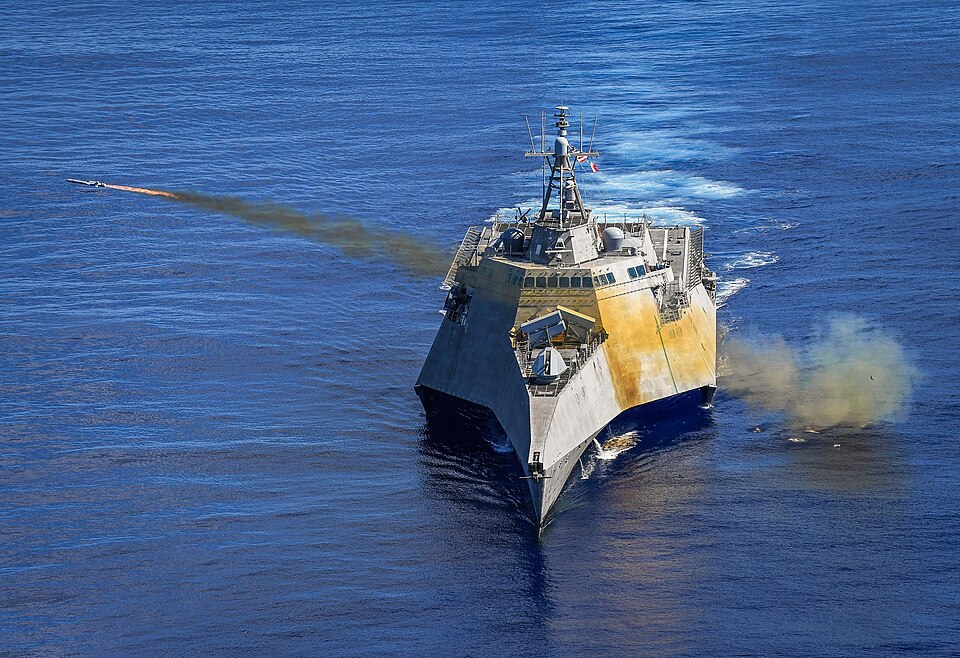
There are renderings of stern-mounted angled launchers, probably to carry 16 Naval Strike Missiles, a Mk 49 RAM launcher and a 57mm bow gun. The lack of an apparent forward VLS calls in question the capacity to strike. Sensor fittings can be a Saab AN/SPS-77 Sea Giraffe radar, and may be upgraded to AN/SPY-6 derivatives. The Navy is also planning to develop successive flights of lethality packages.
7. Industrial Base Investment
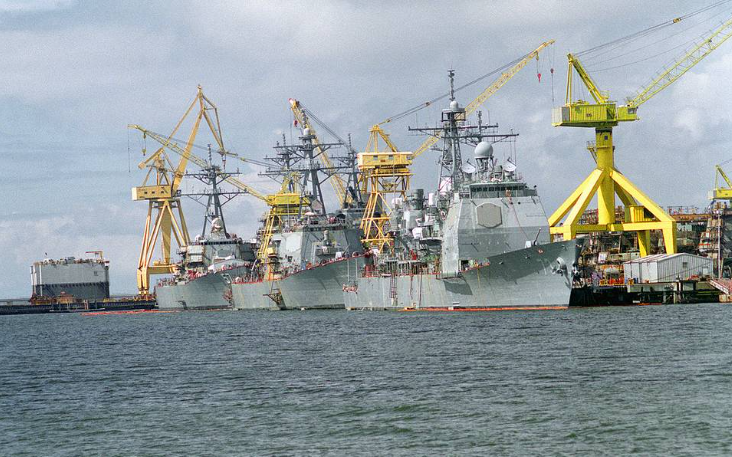
HII lists $1+ billion invested at Ingalls, 23 outsourcing partners and global manufacturing connections to scale fast. The FF(X) program is presented as an industrial resilience tool, which will decrease the dependence on foreign supply chains and increase the domestic shipbuilding infrastructure at a time when 51% of all ships in the world are made in China.
8. Cooperation Allies Opportunities
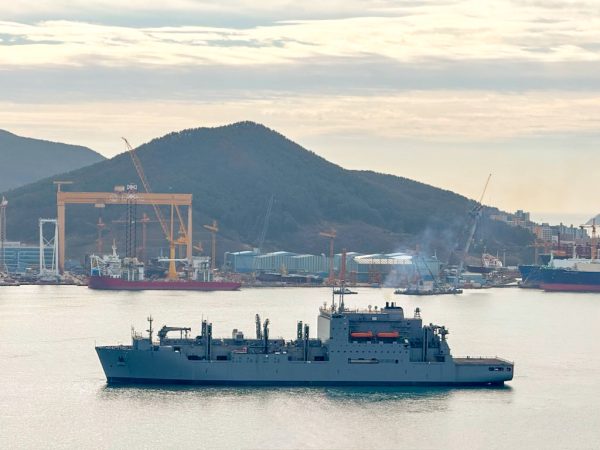
Over and above the domestic yards, analysts point to possible advantages of such allied shipbuilding giants as Japan and South Korea. Alternative measures are allied maintenance, repair, and overhaul to release U.S. yard, or allied acquisition of the U.S. shipyards to introduce sophisticated production methods. Nevertheless, policymakers should estimate the industrial health costs against ability gains in the short run.
9. Combination with Rapid Capabilities Office
The new Rapid Capabilities Office that will be led by Vice Adm. Seiko Okano will focus on unmanned platforms, AI, and long-range fires. Integrating NRCO teams within program offices will focus on a faster prototyping and fielding process, and FF(X) is at the location to accommodate new autonomous systems. Phelan asserts, “Shipyards will be gauged by one thing: to produce combat power in the fleet as quickly as possible.
10. Political Orientation and Strategy Communication
The Golden Fleet plan, which involves FF(X), a next-generation big surface combatant, and 49 new support vessels is endorsed by President Trump himself. The focus on design, workers, and suppliers in the US not only showcases policymaking on industrial affairs but also a strategic independence. Adm. Caudle made it clear, other nations will never put their own fleets second, and neither will we. This is why it is an American design with American industry behind it.
The FF(X) frigate program is a pragmatic change of the U.S. naval procurement practice, which trades ambitious untested designs at the cost of speed, reliability and industrial sustainability. To the defense professionals, it provides a road map to the process of balancing operational urgency against long-term capacity building. As the Golden Fleet comes into focus, the key to its success will be a military discipline execution, flexibility in upgrades and capacity to increase production without compromising the quality or durability.


