

In a move that has reignited one of the most contentious debates in modern military policy, Defense Secretary Pete Hegseth has dismantled geographic restrictions on U.S. antipersonnel landmine use. The December 2 memo, quietly signed but carrying sweeping implications, reverses the Biden-era stance that confined such weapons to the Korean Peninsula. For analysts studying the defense policies and technology related to the military, the above-mentioned scenario not only represents a change in policy but a global shift.
This comes against the backdrop of increasing great power competition and new technologies emerging on the battlefield. Landmine proponents consider these weapo “force multiplier” in hostile arenas, whereas opponents have warned that the effects for civilians could be apocalyptic and lead to the undoing of decades-old restraint. This listicle examines all aspects of this reversal.
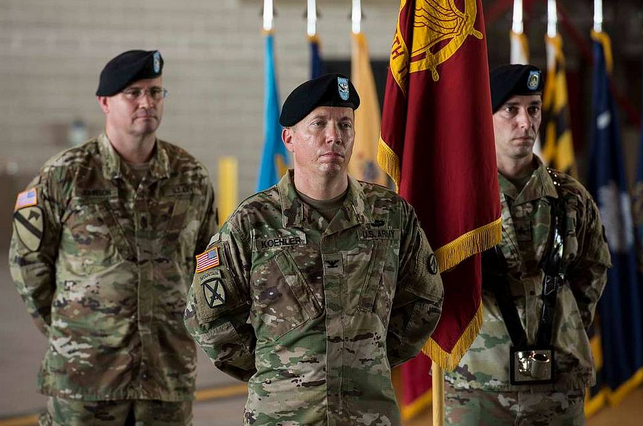
1. Lifting Geographic Limits on Landmine Deployment
In particular, the removal of the Korean Peninsula as the only approved area where U.S. use of antipersonnel mines is permissible demonstrates the discretion that has been bestowed on the combatant commanders. This development is part of the Trump administration policy framework that allowed non-persistent self-destruct and self-deactivating mines. However, this move also shows that the U.S. is prepared to use them even where the particular use satisfies certain conditions on a case-by-case basis.
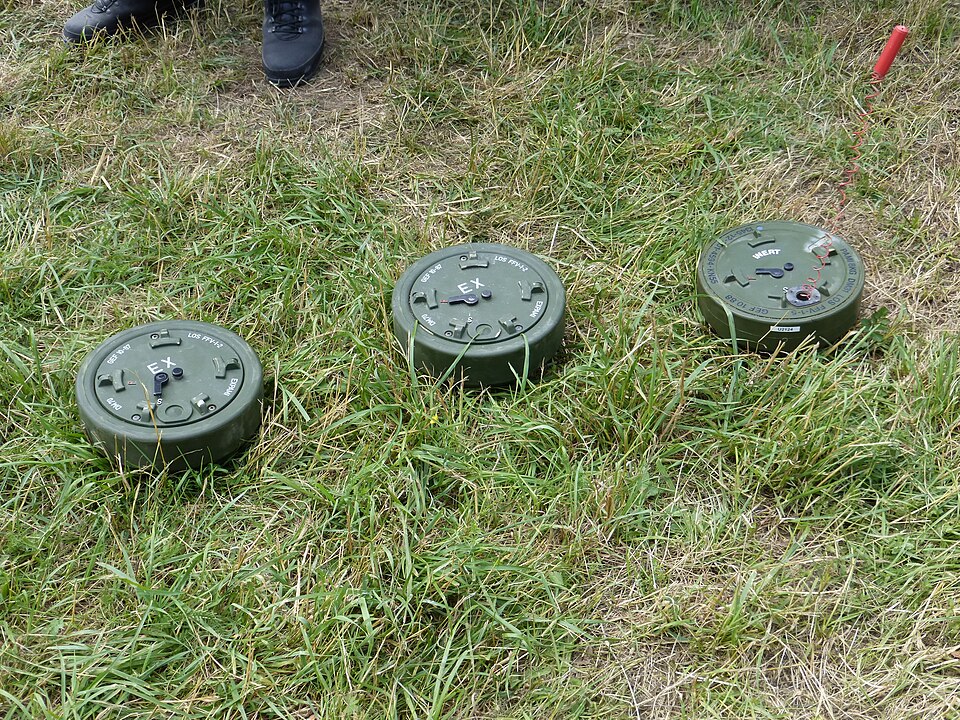
2. Retention of Stockpiles Beyond Korean Defense Needs
The memo ends the destruction of operable mines that are safe and operable, in contrast to previous directives to destroy stockpiles not intended for South Korea. Having only about three million antipersonnel mines on hand with most capable of area scatter and remote delivery will provide for supplies in the future. Opponents believe that current stockpile holdings do not conform with humanitarian antitarnishing efforts by the U.S. in that they expire in early 2030s due to battery life.

3. Treaty Non-Participation and Global Norm Erosion
More than 160 countries are party to the Ottawa Convention on the ban on the use of antipersonnel mines. However, the US has not honored its obligations. States such as Ukraine have recently walked out and indicated that they are withdrawing from the agreement. The latest developments in US policy and the transfer of mines to Ukraine may give other countries the incentive to walk out of the agreement and reduce the stigma that has made the use of mines impractical.

4. Legal Compliance Under Amended Mines Protocol
While not party to the Ottawa Convention, the U.S. adheres to the Amended Protocol II of the Convention on Certain Conventional Weapons, which regulates mine use without banning it. Current policy exceeds some protocol requirements by prohibiting persistent mines entirely. Supporters argue that non-persistent systems like the GATOR, with configurable self-destruct settings, comply with legal norms. Opponents counter that failure rates in real-world conditions still leave civilians at risk.

5. Operational Utility in Contemporary Warfare
Modern conflicts increasingly rely on precision-guided munitions, drones, and persistent surveillance, reducing the tactical relevance of static, victim-activated devices. Analyses from Ukraine’s battlefield suggest drones and indirect fires have supplanted mines in delivering area denial effects. The ICRC notes that advances in rapid breaching and sensor integration have eroded the traditional roles of antipersonnel mines, challenging claims of their necessity in current operational planning.
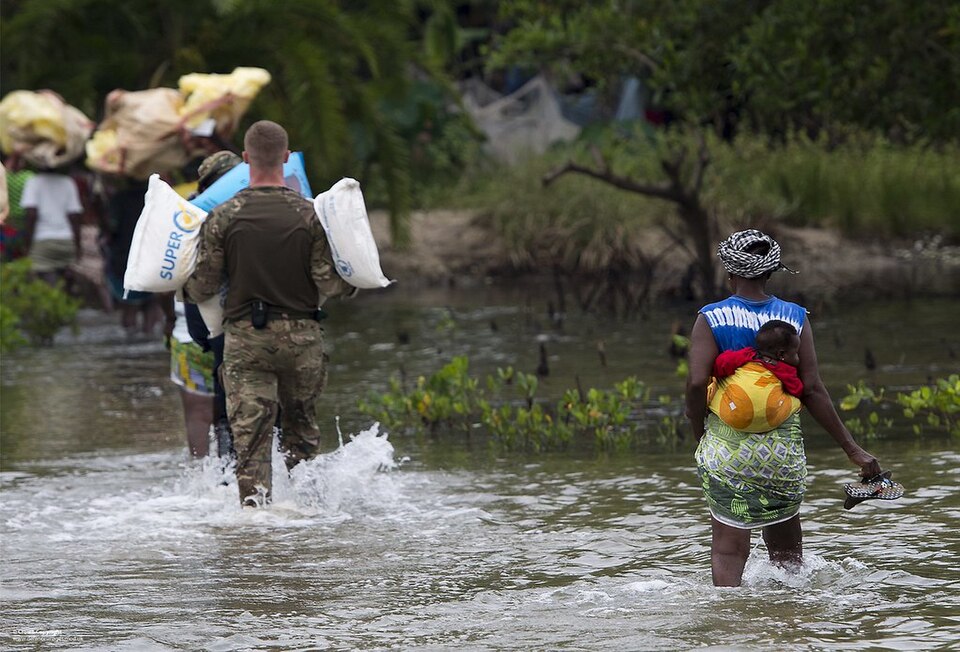
6. Humanitarian Impact and Civilian Casualties
In 2024, nearly 2,000 people, the majority of whom were civilians, lost their lives to mines and explosive remnants, and this is only in one year. Mines continue to cause fatalities even after the conflict, hampering agriculture, rebuilding, and the return of refugees. Former Senator Patrick Leahy criticized the roll-back, stating that “more U.S. soldiers and innocent civilians will be needlessly killed and maimed.” In this regard, Human Rights Watch states that even so-called smart mines lack the ability to distinguish between combatants and noncombatants.
7. Reliability Issues with “Smart” Mines
Self-destruct and self-deactivate features are advertised as safety precautions, but ordnance experts and records show a high rate of failure. According to a report by the U.S. Government Accountability Office, Gulf War smart mine failure rates are many times higher than originally admitted. Sparks or mine remains that do fail to disable are also dangerous to remove and could be used to make an improvised explosive device. It challenges the claim of humanitarian benefits from self-deactivating or non-persistent mines.

8. Policy Reversal’s Symbolic Significance
Sarah Yager of Human Rights Watch noted that the shif “takes the United States away from being any kind of champion for restraint” on indiscriminate weapons. Symbolism matters in arms control; U.S. leadership in stigmatizing mine use has been a counterweight to non-signatory states. Reversals risk eroding diplomatic leverage and moral authority in promoting humanitarian norms.
9. Intersection with U.S. Transfers to Ukraine
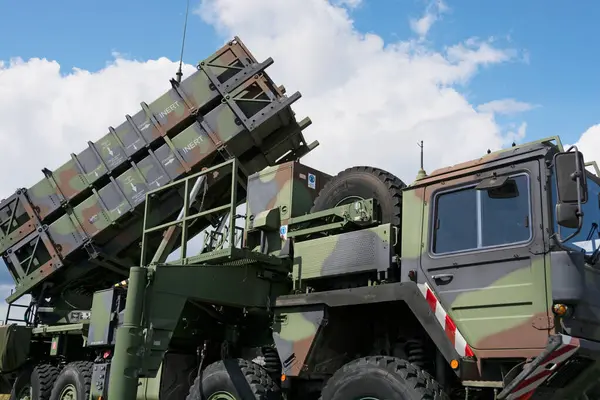
The Biden administration’s 2024 transfer of antipersonnel mines to Ukraine, despite its own near-global ban, foreshadowed the current reversal. Ukraine, a treaty member, has used mines extensively against Russian advances, and U.S. supply of ADAM, MOPMS, and Volcano systems has drawn criticism from over two dozen states. This intersection of policy and practice underscores the tension between strategic support for allies and adherence to humanitarian commitments.
10. Rescission of the Humanitarian Mine Action Program
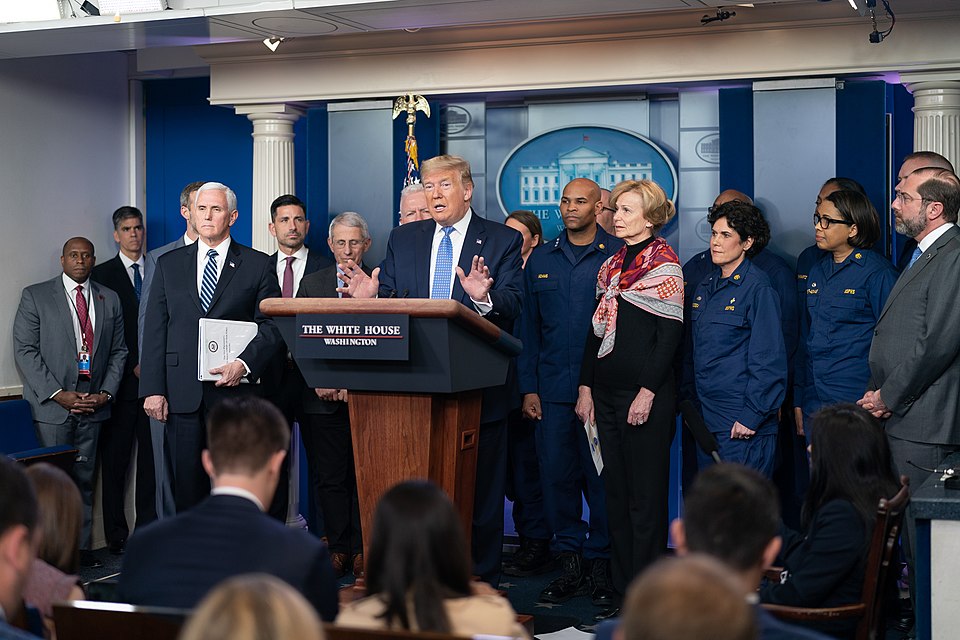
Trump’s rescission of the long-running program that funded global mine clearance marks a departure from dual-track policy maintaining military capability while supporting humanitarian demining. The memo claims the U.S. will remai “a global leader” in ordnance clearance, but without dedicated program infrastructure, experts question the capacity to balance operational readiness with post-conflict remediation.
Hegseth’s reversal is more than a doctrinal adjustment it is a recalibration of U.S. military posture with cascading effects on international norms, alliance politics, and civilian safety. On the one hand, the degree of operational freedom provided by the policy has to be measured against the symbolic and humanitarian cost. In an age where accuracy and versatility are the keys to success on the battlefield, the readmission of a weapon already seriously tarnished by its indiscriminate effects could be a tactical risk.


