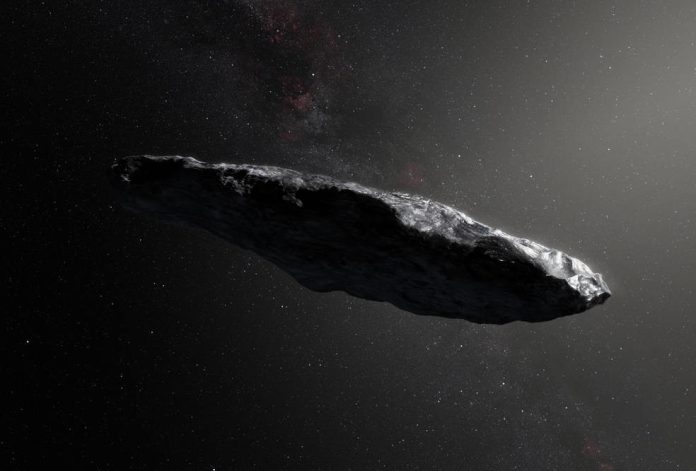
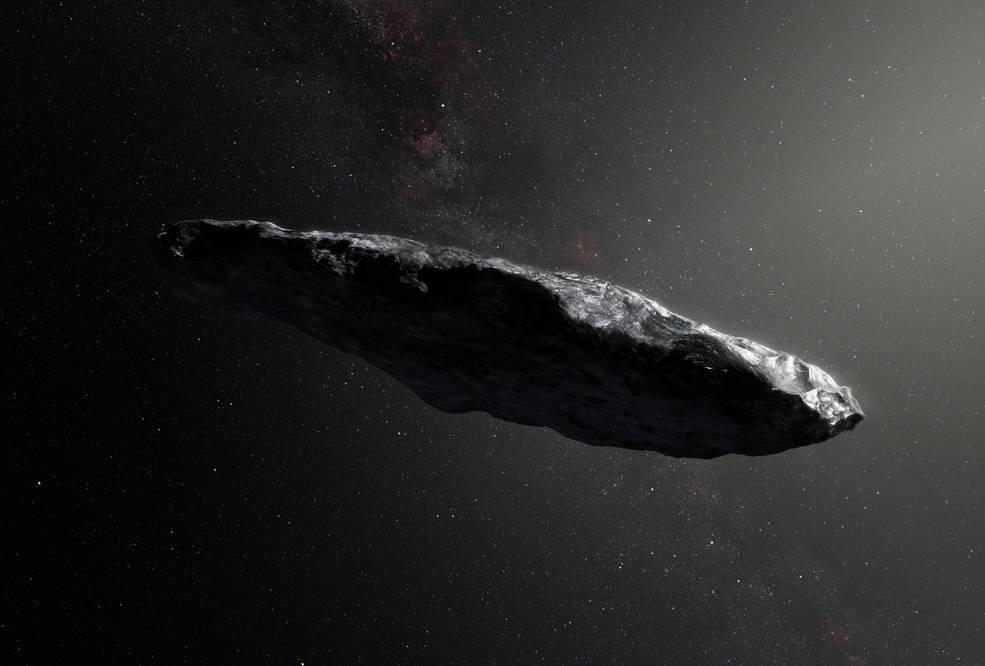
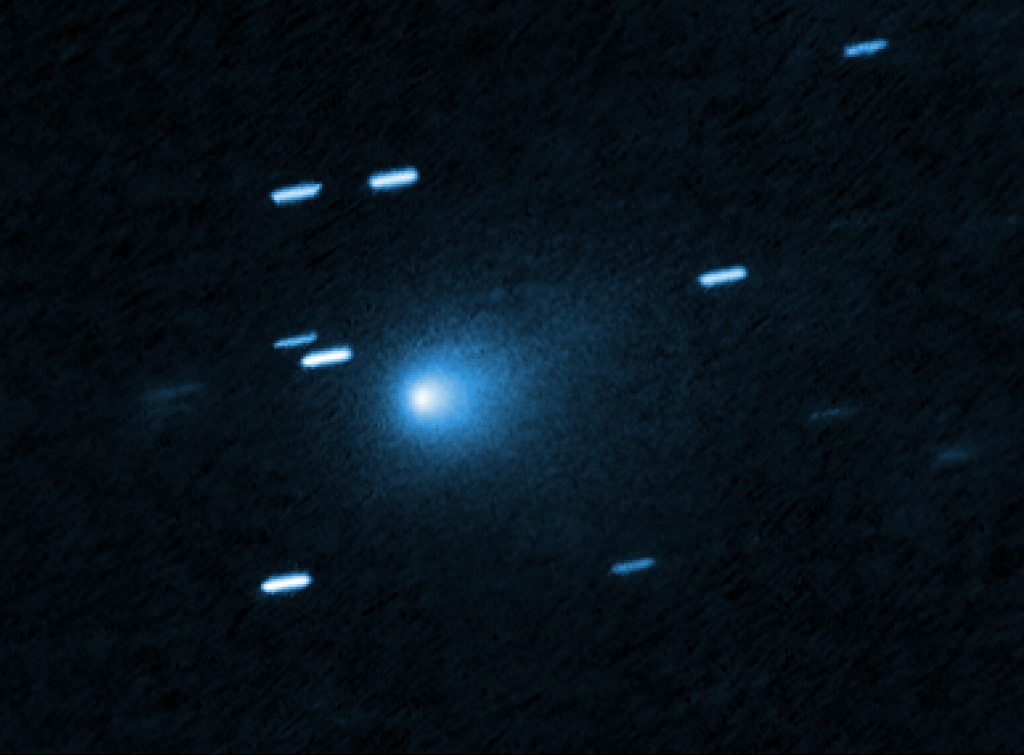
“It has started its way billions of years ago, and it was moving passively through very cold space between stars. At present, Comet 3I/ATLAS is simply a short-term guest in our cosmic neighborhood; After having a rare opportunity to study such materials for researchers and skywatchers, the comet is going back to the vast space.
1. A Rare Visitor from the Thick Disk
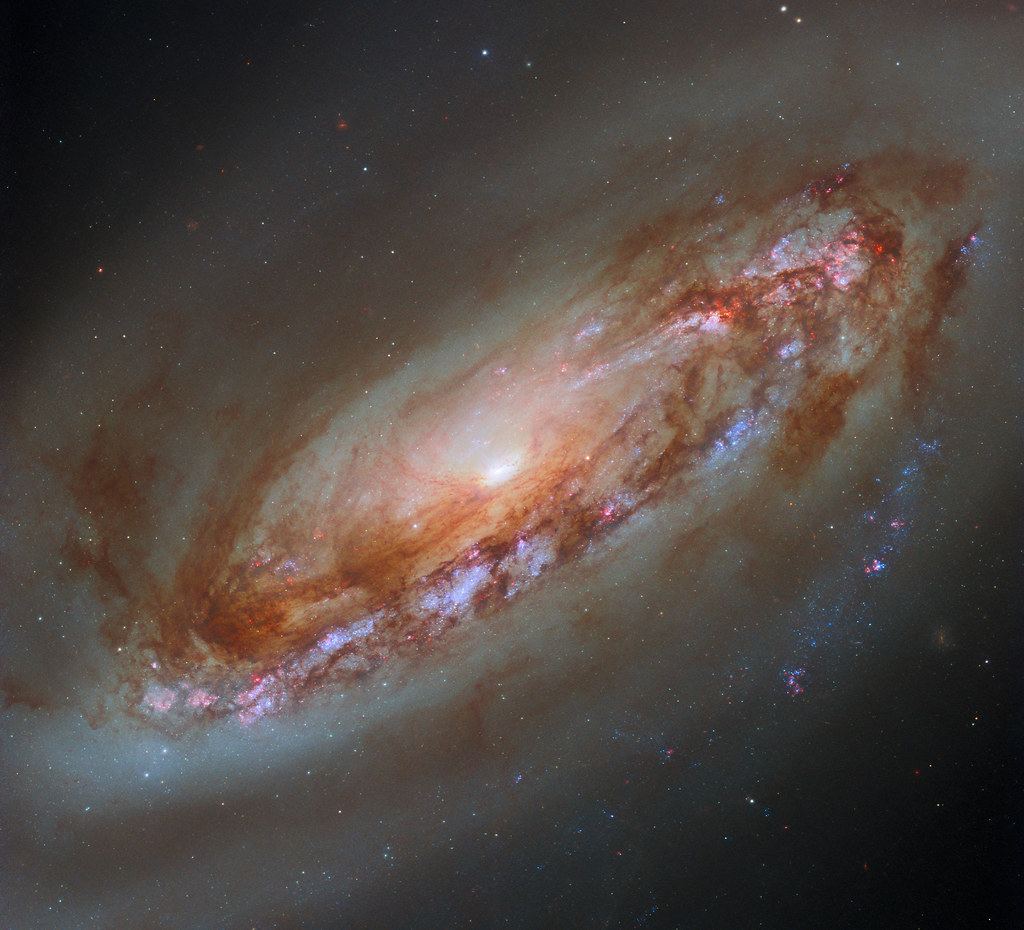
3I/ATLAS is just the third interstellar object after 1I/ʻOumuamua in 2017 and 2I/Borisov in 2019 whose presence in the solar system has been confirmed. The scientists Shokhruz Kakharov and Abraham Loeb, based on recent trajectory analyses, see its birth in the Milky Way’s thick disk – a stellar population of low-metallicity older stars. Their Monte Carlo simulations with GalPot galactic potential model indicate the median age as 4.6 billion years which means this is the oldest of the three known interstellar visitors. Its primordial source alone implies that its evolutionary processes are completely different from those of younger comets.
2. Closest Approach and Observation Opportunities
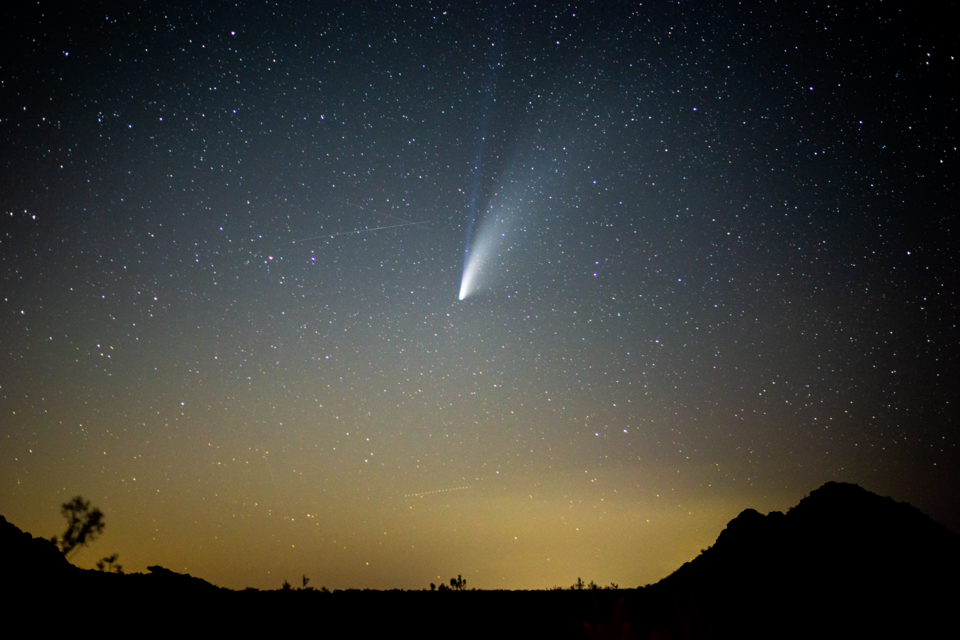
3I/ATLAS will be closest to the Earth on December 19, 2025, when it will come within 168 million miles (270 million kilometers) of our planet- almost twice the distance between the Earth and the Sun. Though it is invisible to the naked eye, backyard telescopes might help you to spot it, especially in Leo constellation close to Regulus. More than 80 observatories all over the world, the ones located both on Mauna Kea and Haleakalā included, are ready to get data within this time frame. After it leaves, it will not come back.
3. Spectroscopy Reveals Unusual Chemistry
Different spectroscopic studies mainly lead to an idea of a composition of 3I/ATLAS that is very different from any other comet of a solar system. By using the X-SHOOTER tool of ESO Very Large Telescope, scientists found a red spectral slope of ~18% per 1000 Å in the visible range which is much more red than 2I/Borisov. This color change can be due to bigger dust particles or longer exposure to interstellar radiation thus changing surface chemistry over time. They set production rate upper limits for OH and CN at 8.2 × 10²⁶ s⁻¹ and 5.6 × 10²³ s⁻¹ correlatively which points to very low water and hydrogen cyanide sublimation at the observed distance.
4. Water Detected at Unexpected Distances
In a significant development, researchers from Auburn University with the help of NASA’s Neil Gehrels Swift Observatory have detected hydroxyl (OH)— a water photodissociation product, in ultraviolet light. At the time of recording this activity, the comet was almost three times farther from the Sun than the Earth, and the water loss rate was around 40 kilograms per second. The presence of water at such a distance from the Sun can only mean one thing; sunlight is heating very small icy grains that have been thrown off the comet’s nucleus, a process which has hardly been seen before in the case of solar system comets.
5. A Changing Glow: From Red to Green
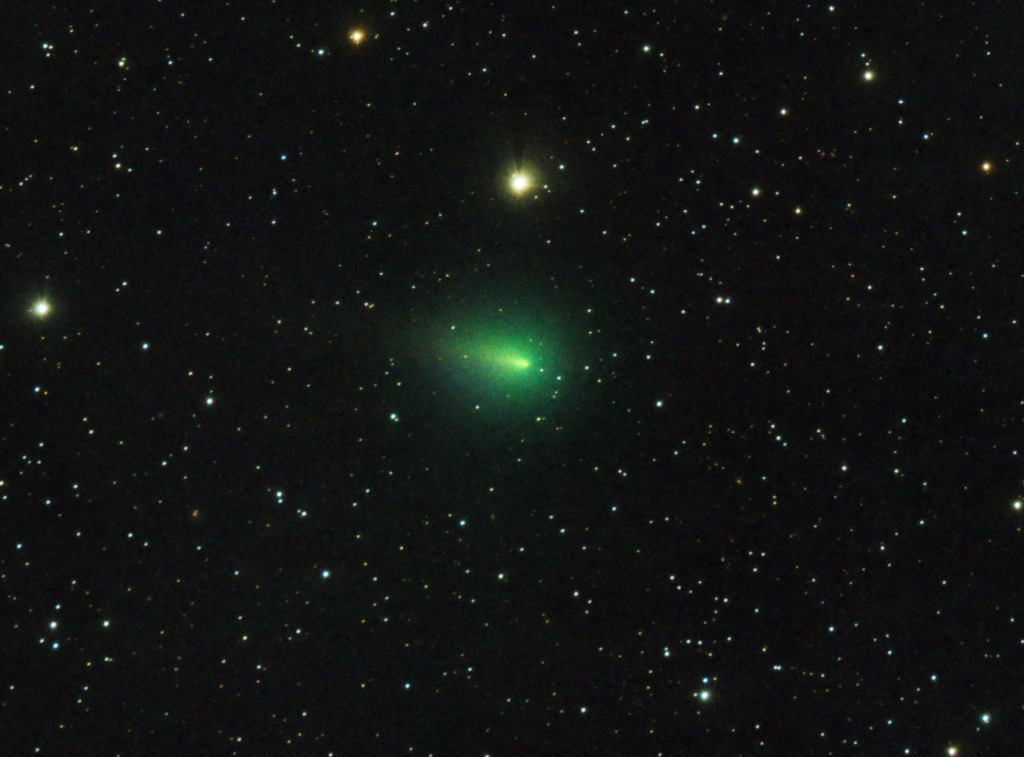
Late November images taken by the Gemini North telescope showed a very weak greenish light contrasting with the previously observed reddish color. The green color of the emission comes from diatomic carbon (C₂) that is excited by the solar radiation and emits light. What is even more interesting is the pre-perihelion data where there were very low levels of C₂, indicating that the C₂ formation was starting late in the comet’s journey in the solar system, which is yet another way this comet’s chemical evolution differs from others.

6. Solar Wind and X-ray Interaction
ESA’s XMM-Newton observatory detected soft X-ray emissions from the comet 3I/ATLAS. These X-rays were generated when solar wind ions (charged particles) hit the neutral gases in the comet’s coma, releasing energy in the form of X-rays. This process helps in determining the density and the kind of gases present in the comet’s atmosphere, which is a good supplement for the optical and ultraviolet spectroscopic observations.
7. Trajectory Bending and Galactic Dynamics
As with any other object from the interstellar space, 3I/ATLAS has a path that is not closed, and the course is changed by the Sun’s gravity. Its eccentricity is about 6.0 that is almost double of 2I/Borisov, making it the interstellar object, which has been bending its trajectory, most eccentric one, known to date. Its speed relative to the Local Standard of Rest and a big vertical movement away from the galactic plane attest to its origin beyond the solar system and also offer input to the models of mechanism ejecting ISO such as scattering by gravity in planetary systems.
8. The Vera Rubin Observatory’s Role in Future Discoveries
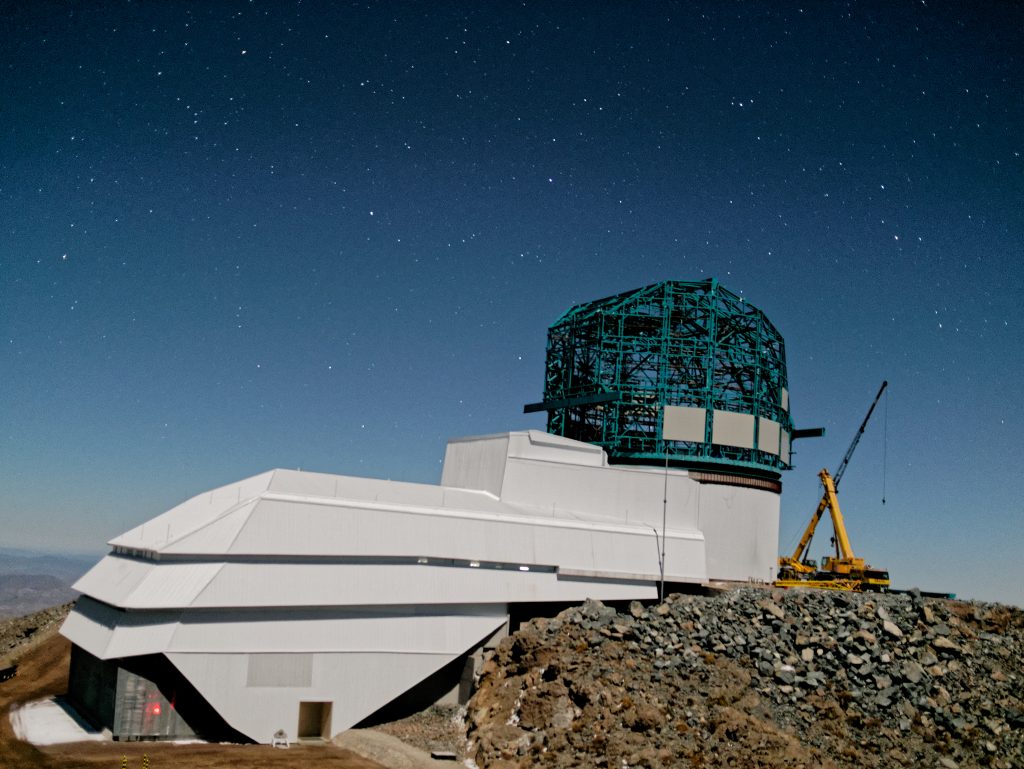
The Vera Rubin Observatory that has just been inaugurated is going to be a game-changer in the detection of ISOs. Through its 3.2-gigapixel LSST camera, it will cover the whole southern sky every few nights, thus, it will be able to detect very fast and faint objects like 3I/ATLAS almost in real-time. Prediction numbers for interstellar objects vary from 15 to 70 per ten years, depending on the assumption of population. This automated alert system set up by Rubin will be the tool for rapidly follow-up, thus, the Comet Interceptor ESA mission docking with the newcomers might be the result.
9. Public Fascination and Scientific Debate
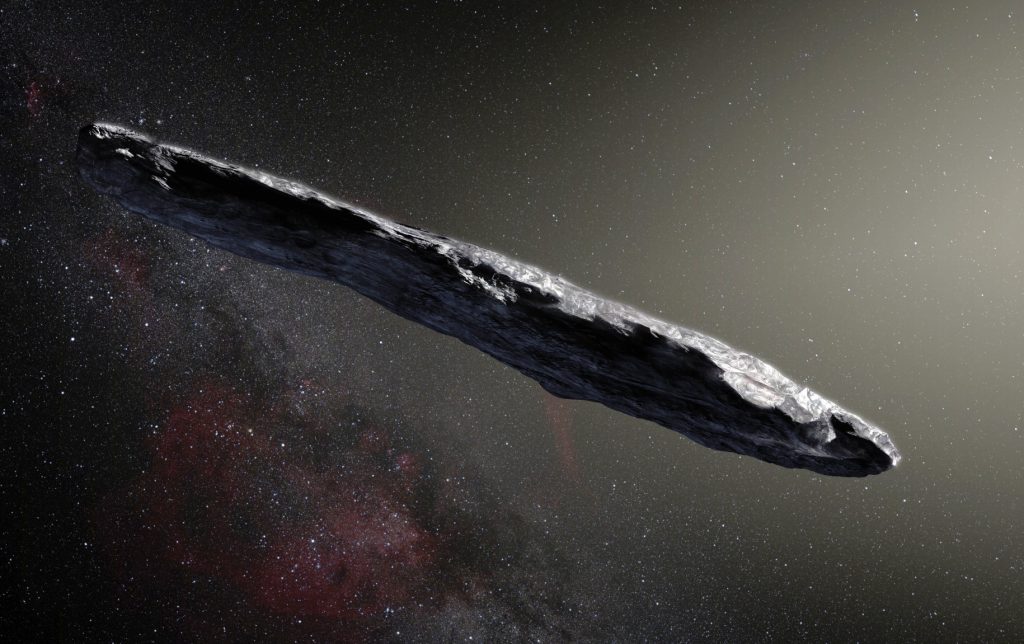
Arrival of the comet has brought up again public speculations about its extraterrestrial origin that were most heated in the case of 1I/ʻOumuamua. Among them, Joseph Tremonti hypothesis of alien spacecraft is one of the most extreme ones, while on the contrary, astronomers argue that the behavior of the comet is that of a natural one. According to John O’Meara of the W. M. Keck Observatory, “”Scientists test ideas and eventually rule them out as new evidence appears.” “”In this situation, the alien idea was given up as more data were gathered.””
10. Coordinated Global Effort
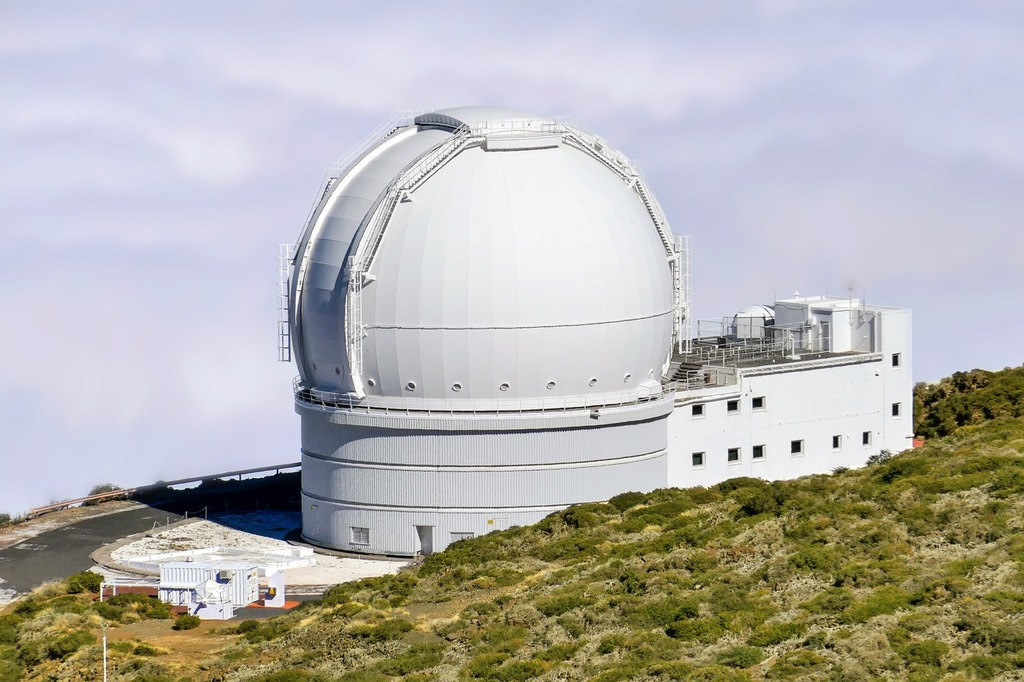
Coordinated efforts through world-class instruments on the summit of Mauna Kea and in space are leaving no stones unturned in the limited time before 3I/ATLAS goes off. These undertakings will not only broaden knowledge of this extraordinary case but also perfect the techniques for the many interstellar objects that will come in the next ten years. While the comet turns away from the Sun, it is unloading the layers that it has brought from a long time ago in the vacuum. What it leaves behind is a heap of data, a very rare kind of a message from another star system, deciphered by the joint power of Earth’s top modern astronomical instruments.”


