
The investment frenzy around humanoid robotics is moving at a speed that is comparable to the very first days of the dot-com boom, but the reality of the commercial world is still quite different. According to CB Insights venture capital data, there were 17 industrial humanoid robotics deals in the last quarter that resulted in a higher number of deals than other AI categories that are considered to be hot, like coding copilots What drives this surge is the hope that breakthroughs in AI perception and language models have made it possible for robots to interact with humans in their environments. However, engineering experts still maintain that if the cost, dexterity, and reliability issues are not resolved, the sector will become another AI bubble that will burst soon.
1. AI Advances Fuel Investor Optimism
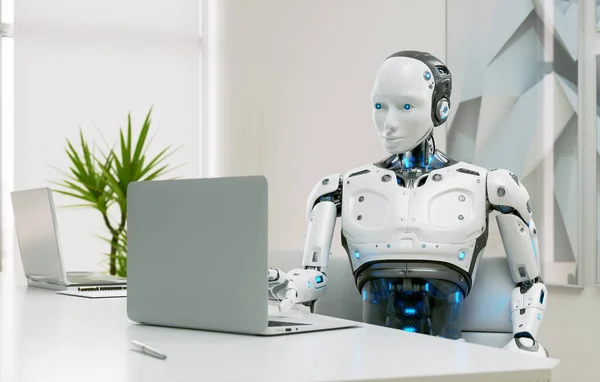
One of the main reasons for investor confidence is the embodiment of AI, which combines vision, language, and action, and as a result, robots are able to understand more complicated instructions and work in semi-structured areas. The AnyBipe framework and Stanford’s dense functional correspondence models are just some of the systems that enable robots to transfer skills from one tool to another, thereby becoming more versatile. With large language models (LLMs) integrated into robotics platforms, they can figure out how to implement a high-level task by breaking it down into smaller steps, as it is shown in the ELLMER framework that used force and vision feedback together with GPT-4 reasoning to execute multi-step tasks like preparing a beverage. These are the kinds of technological breakthroughs that underpin the investor belief that robots can soon substitute human workers in factories, warehouses, and public spaces to do human-like tasks.
2. Engineering Bottlenecks in Dexterity and Reliability
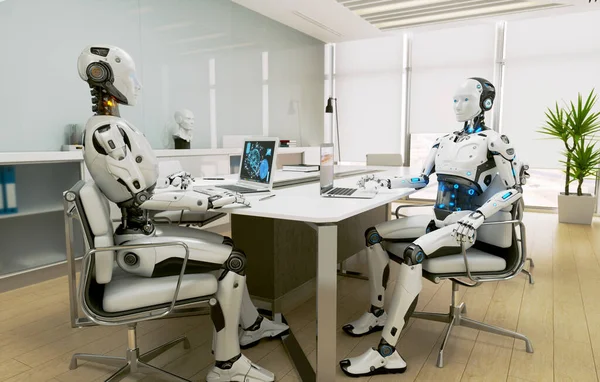
Despite the accomplishments in AI, humanoid robots are still incapable of performing tasks that require fine manipulation and maintaining dynamic stability. Peter Brooks, for instance, calls attention to the fact that human hands are equipped with ~17,000 tactile receptors, whereas humanoid robots only have “practically zero,” which is the reason why they are not able to operate delicate or irregular objects that are made of different materials or have varying shapes. In addition, contemporary locomotion systems wear out rapidly as a result of the mechanical strain that comes with walking on two legs and the blocking of vision systems can substantially lower the performance of object recognition from being 90% accurate to only 20% in a heavily cluttered environment.
3. Cost Optimization Pathways
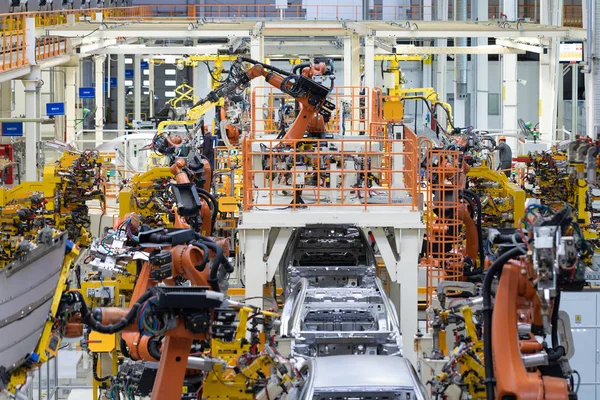
There is still a heavy burden on hardware. Price per unit is around $200,000 in affluent countries, but Morgan Stanley sees the price dropping to $50,000 by 2050 depending on the supply chain situation in China where a single unit might cost 15,000–16,000 dollars. As much as half of the total cost of transmission systems gear boxes, sensors, and motors may be due to the local component side, thus making the manufacturing of the latter the most important factor. According to LeadLeo Research, the relocation of supply chains to Asia-Pacific and the moderation of hardware performance coupled with software compensation could significantly speed up the decrease in costs.
4. Market Projections and Labor Economics
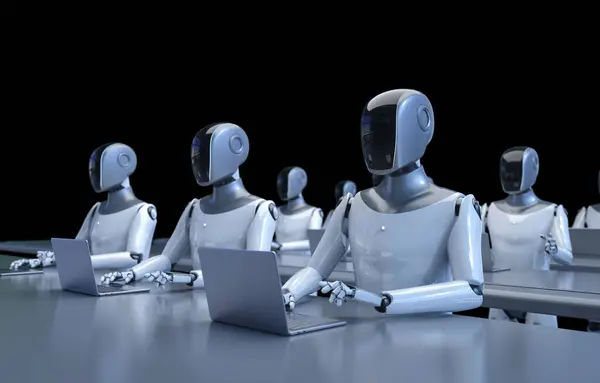
Labor shortages worldwide as a result of the aging population and a decrease in the number of people of working age make the use of humanoids a viable option economically. Morgan Stanley forecasts a $5 trillion annual market by 2050, which will be double the size of the auto industry of today. A humanoid performing a two 8-hour shifts job can be as cheap as $2.75/hour for a period of three years if the unit costs $16,000, thereby making human labor uncompetitive in several industrial sectors. The implantation of new technologies in industries such as manufacturing, logistics, healthcare support, and hospitality represents the main focus of early adoption.
5. Sector-Specific Deployment Challenges
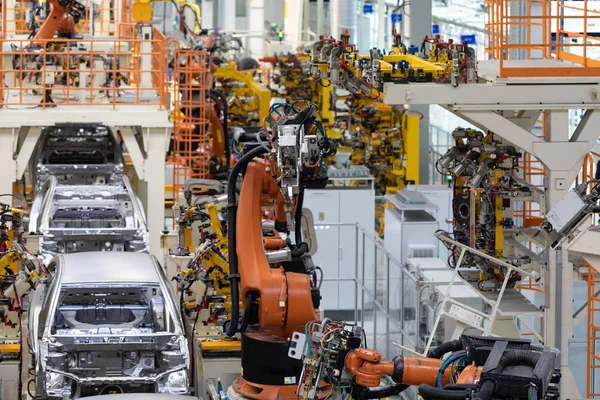
In the construction sector, robots could be used to reverse the falling trend of productivity at present, the rate of growth is only 0.4% per year since 2000 by doing the repetitious and dangerous work. On the other hand, unstructured worksites are very difficult places to navigate and pose a safety threat. Shortly, the deployments will be concentrated in the semi-structured worksites and the repetitive workflow areas, for instance, in the field of drywall installation or the handover of tools. The long-term plans involve joining the pipes in narrow spaces, precision taping, and waste sorting although these require significant advancements in mobility, dexterity as well as human-robot collaboration protocols.
6. Safety, Cybersecurity, and Regulatory Risks
Since they are connected to the network, humanoids are exposed to the risk of cyberattacks. It was discovered that the R1 Unitree robot has Bluetooth security holes that can be used for remote hijacking, and in the case of leaked encryption keys, botnet creation can be initiated by giving access to multiple machines. Fencing regulations for “fenceless” humanoid work are still in their infancy, and besides that, the kinetic energy of heavy bipedal robots can cause accidents in the workplace. Ayanna Howard insists on the presence of “human in the loop” in order to avert overtrust and irrevocable consequences arising from autonomous activities.
7. Strategic Investment Considerations
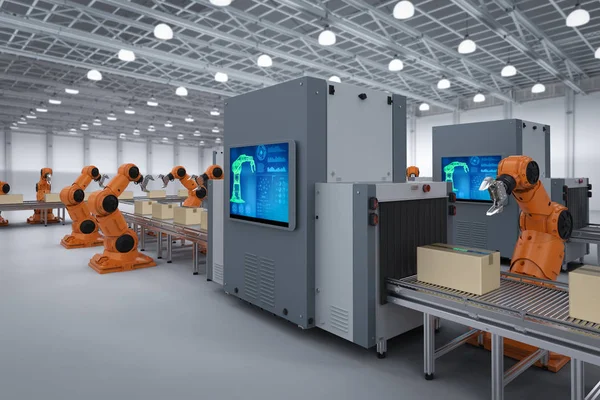
Daiva Rakauskaitė suggests implementing a revenue-first approach: one of the main sources of early revenue should be licensing and partnership rather than speculative scaling. Before investing capital, manufacturing executives are advised to test their ideas using three criteria: Does the system extend human capability? Is the form factor minimal necessary? Can return on investment be quantified within 18 months? If these criteria are not fulfilled, there is a risk of speculative investment.
8. Competitive Dynamics and Geopolitics
China’s emphasis on embodied AI and creation of independent supply chains funded by the state makes it have the upper hand in the production of humanoids just as it did in the case of electric vehicles. While companies like Tesla and Boston Dynamics are leading in terms of innovations in the US, they are faced with higher production costs. On top of that, the battle over resources such as rare earths, semiconductors, and robotics IP used in manufacturing will be becoming fiercer with the increasing number of cyber-espionage attacks sponsored by the state that are targeting component suppliers.
9. Path to Scalable Deployment
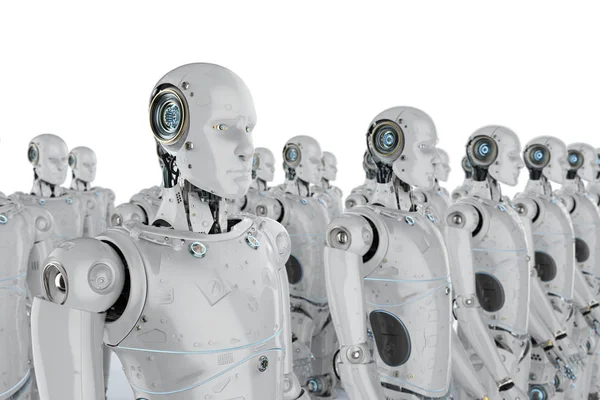
In order to be able to scale from hundreds of units up to millions, one will need fleet management software, the appropriate infrastructure for field support, and standardized safety protocols. One of the strategies that Waymo employs for managing its networked fleet of self-driving cars could be a useful example in the planning of the rollout of humanoids. Apart from that, simulation environments and digital twins will be invaluable for the training and validation of robots prior to their deployment in the real world, which will reduce both the risks and costs associated with it.
The humanoid robotics gold rush is largely the result of real technical achievements; however, the engineering and economic aspects still prevail and call for the use of disciplined investment strategies. The opportunity is huge for technologically knowledgeable investors but the risks are also considerable and if the market is too optimistic in relation to hardware and market readiness, it could lead to a bust.


