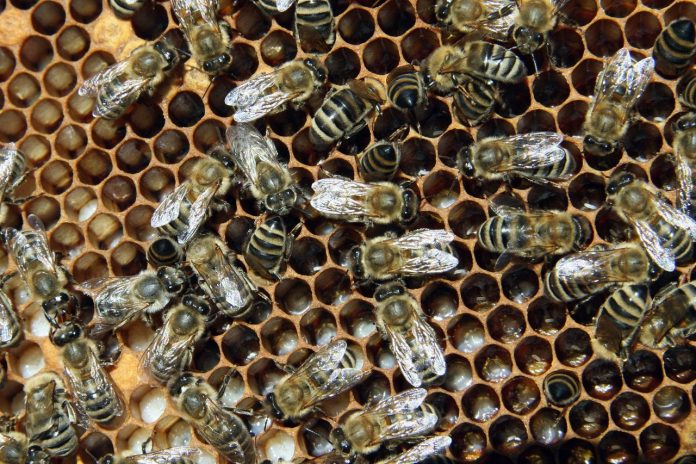
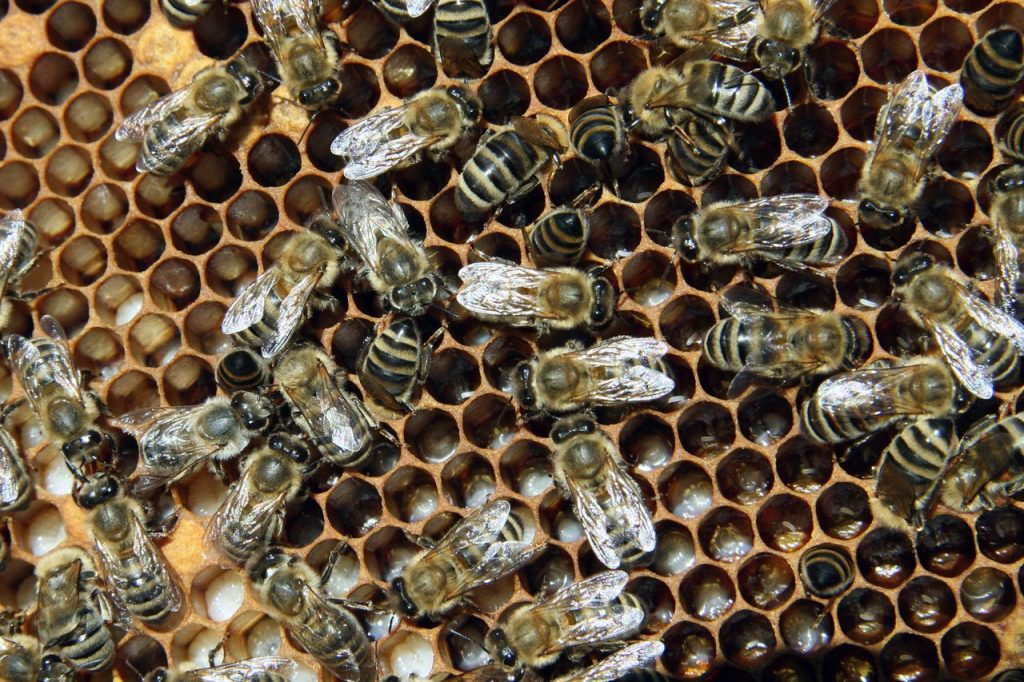
In the depths of the limestone darkness of Cueva de Mono, in southern Hispaniola, just such a vertical chasm exists, opening into a cavern filled with the fossilized remains of more than fifty species. Generations of enormous barn owls lived in this cavern, regurgitating pellets of the remains of hutia rodents, sloths, reptiles, and birds. With the passage of time, sediment flowed in, encasing the fossil material in clay deposits. However, hidden in the bones were the fossil secrets of another story, this one much smallerone that told of the unique nesting pattern of bees.

1. A Fossil Inside a Fossil
Lázaro Viñola-López and his team discovered that there were smooth-walled cavities in fossilized tooth sockets and vertebrae. These were not random hollows filled with sediment, as determined by CT scans, which revealed that there were pressed clay brood cells with a waxy secretion common to solitary bees. Contrary to wasp nests, which contain corrugated cavities with chewed plant tissue, the cells were smooth and waterproof. This incident is the first observed documented evidence of nesting in pre-existing fossil cavities and just the second observed documented instance of burrowing bee nesting in a cave.

2. CT Scanning in Paleontology
They used high-resolution CT scans, rotating the fossils under X-ray beams, which allowed them to reconstruct images of the cell contents in three dimensions without damaging the fossilized remains. These studies showed that between six generations of nests existed within an alveolus, each one founded after another had been vacated. In other cases, the fossilized remains of pollen grains, which functioned as food left behind by the female bee, had been embedded within the sediment.
3. Trace Fossils as Ecological Clues
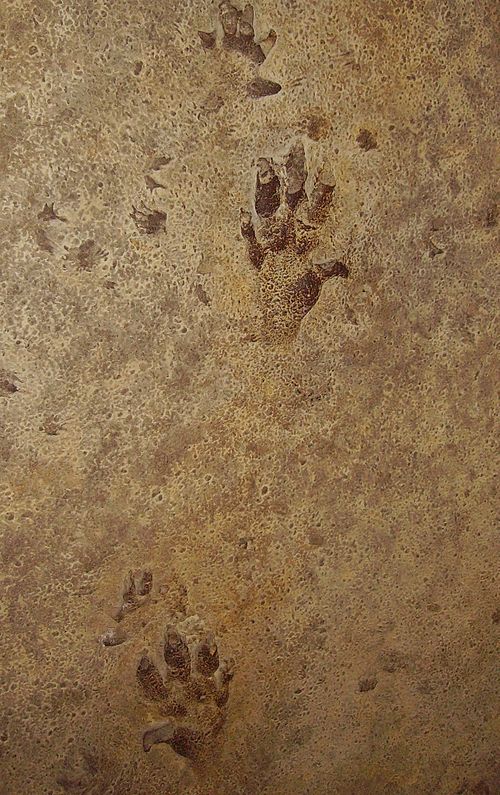
These brood cells are ichnofossils, traces of past life rather than fossilized bodies. As Stephen Hasiotis explained, “These bee cells tell us about the environment and ecosystem in which they lived.” This lack of texture, sediment, and sometimes spores of fungi found in the cells indicates that they lived in an environment that was moist, with high phosphate concentrations, which was similar to that found in caves, where owl pellets provide nutrients.
4. Evolutionary Adaptations to Unusual Environments
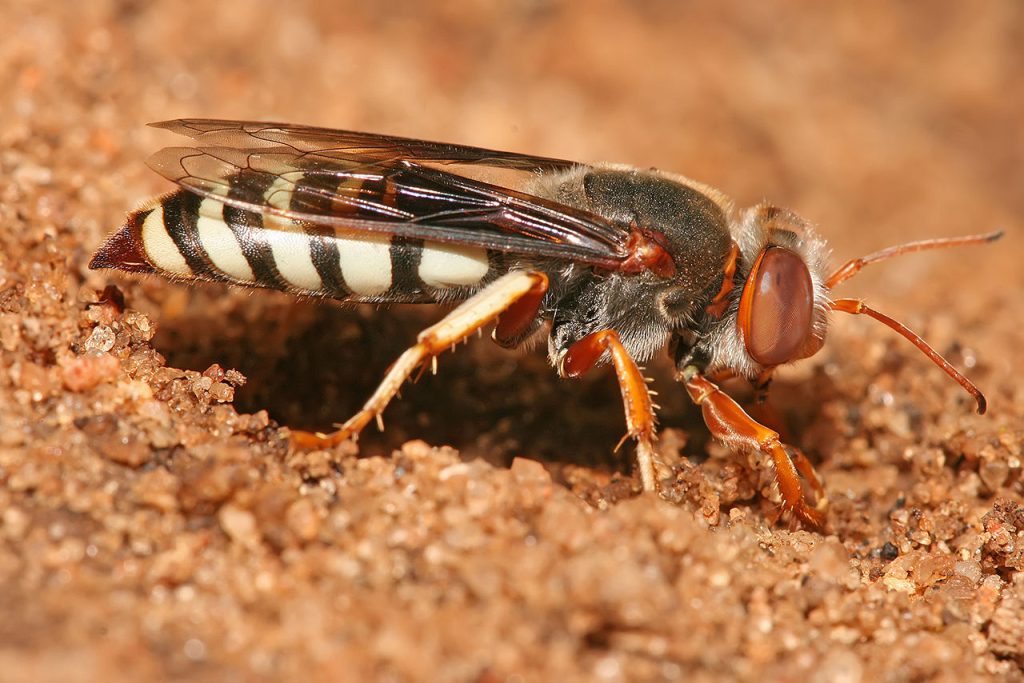
Ninety percent of bee species are solitary, living in soil, timber, or plant stalks. However, in the karst landscapes of Pedernales Province, while there was little soil in which to dig, the limestone slopes provided little soil for nesting. Cave dwellings provided a nesting alternative with sediment deposits in sheltered areas and bone cavities, which were the required size for bee nests. This use of fossil habitat was much like the use by some living species of the bee family Megachilidae, which live in empty snail shells, although it was surprising how faithful the Hispaniolan bees were to their habitat, inhabiting the same bone cavities for successive generations.
5. Geological Environment of Cueva de Mono
There were five levels of clay alternating with levels of carbonate deposits, which correspond to climatic and deposition changes. Bee cells were found in the upper three levels, which correspond to the periods of deposition. Carbonate levels signify periods of water, during which deposition and hence nesting stopped.
6. Microscopic and Geochemical Analysis:
Scanning electron microscopy revealed the lining layers of the brood cells were comprised of two smooth layers of clay with slight luminescence under ultraviolet light, which indicated the presence of trace amounts of organic material from the waterproofing secretions deposited by the bees. The mineral matrix contained dolomite, aragonite, phosphate, and spar calcite crystals, as well as micro-charcoals and spores of fungi like Canalisporium and Glomus.
7. Filling a Gap in Caribbean Bee Fossil Record
Previously, all Caribbean bee fossils were found in amber deposits dating back 20 million years. The age of the Osnidum almontei cells at 20,000 years bridges the incredibly large gap and indicates that the variability in bee species and their nesting habits were not impacted by the environment. Hispaniola has 78 species of bees that are indigenous to the country and recognized to comprise almost half the species found anywhere in the world. None of these species nest in caves or bones.
8. Implications for Paleobi
“This fossil find,” Anthony Martin added, “emphasizes how research on fossil interiors for trace evidence is important.” As Martin goes on to say, “These fossil bees’ brooding chambers in sediment-filled areas of bones show us they were capable of both [cave and bone nesting]. ” Such fossil evidence also illustrates how a fossilized ecosystem involving predators and prey can be producednot by direct fossilization but through other processes. In this regard, fossilization can occur through other ecological events.
The fossilization of bee remains, for instance, might be influenced by owls’ imparting caves Beginning with the vertical fall near the eyes of the tarantulas to the microscopic examination of the smooth clay linings, the research on Osnidum almontei is the rare integration of taphonomy, behavioral ecology, and evolutionary biology. Within the dark and silent Cueva de Mono, the fossilized legacy of the resourceful and persistent bees, who converted the owl scraps into nurseries, has survived for millennia.


