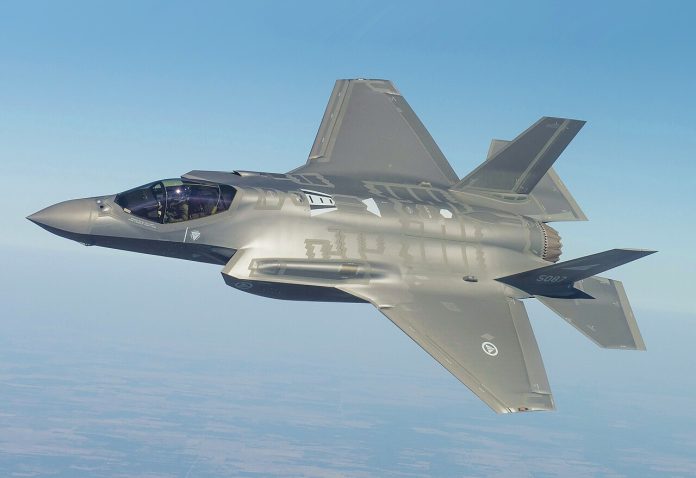
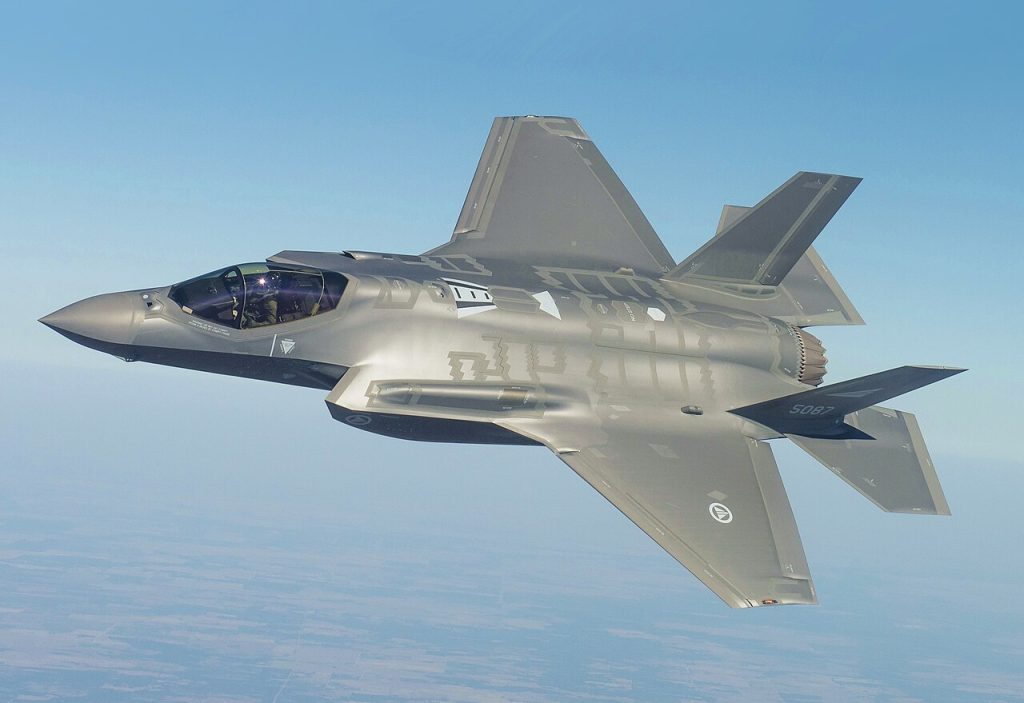
The European scene of fighter planes is seeing a paradigm shift owing to increased prices, some political friction, and ever-changing dependencies. In fact, the reduction in Switzerland’s order for F-35A procurement is much more than something that would affect its budget; this was a message that all European capitals must understand in terms of its vulnerabilities inherent in their own plans. This is set against a backdrop of more difficult conversations about European strategic autonomy, apprehensions over the US’s control of core defense assets, and the unraveling of Europe’s own next-generation fighter aircraft projects.
For defense commentators, procurement experts, and aerospace executives alike, the Swiss decision provides a telescope view into the forces now shaping airpower choices. The article sums up the substance of the issue as related to Switzerland within the greater European context and pinpoints the operative, industry, and geopolitical strands that will determine decisions on fighter aircraft for many years to come.
1. Budget Caps vs. Rising F-35 Costs
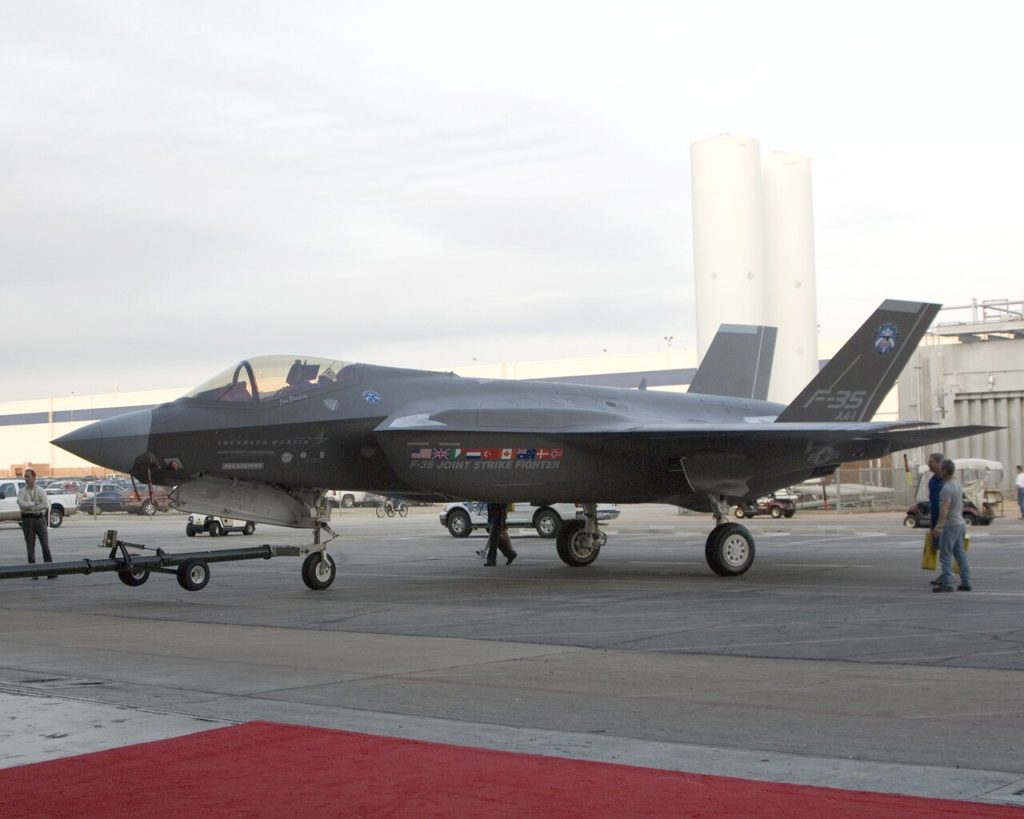
The Swiss people capped the purchase of new jets at CHF 6 billion for the purchase of 36 F-35As. Because of inflation, commodities, and the United States tariffs, the cost is now projected above $7.5 billion for 35 planes, forcing the Swiss government to cut back instead of taking out more credit due to unforeseen market fluctuations. Prices under Foreign Military Sales programs vary with production volume instead of over time. Fact The Swiss people, who rarely have a vote like this, imposed a cost ceiling of CHF 6 billion, designed for the purchase of F-35As that was meant for 36 planes, due to inflation, commodities, and tariffs from the United States, which has now made the cost.

2. The Fixed-Price Dispute and Tariff Fallout with the US
Talks with Washington confirmed the inability of the Swiss system to enforce the agreed fixed price, explained by the influence of inflationary factors and the cost of inputs. The raised tariff on Swiss-exported products by 39% in July 2025 gave the matter a political aspect. The inability to agree on a fixed price confirms the imbalance existing in FMS agreements, where the conditions offered by the supplier can change during the execution phase.
3. Ambitions over autonomy, and “kill switch” concerns
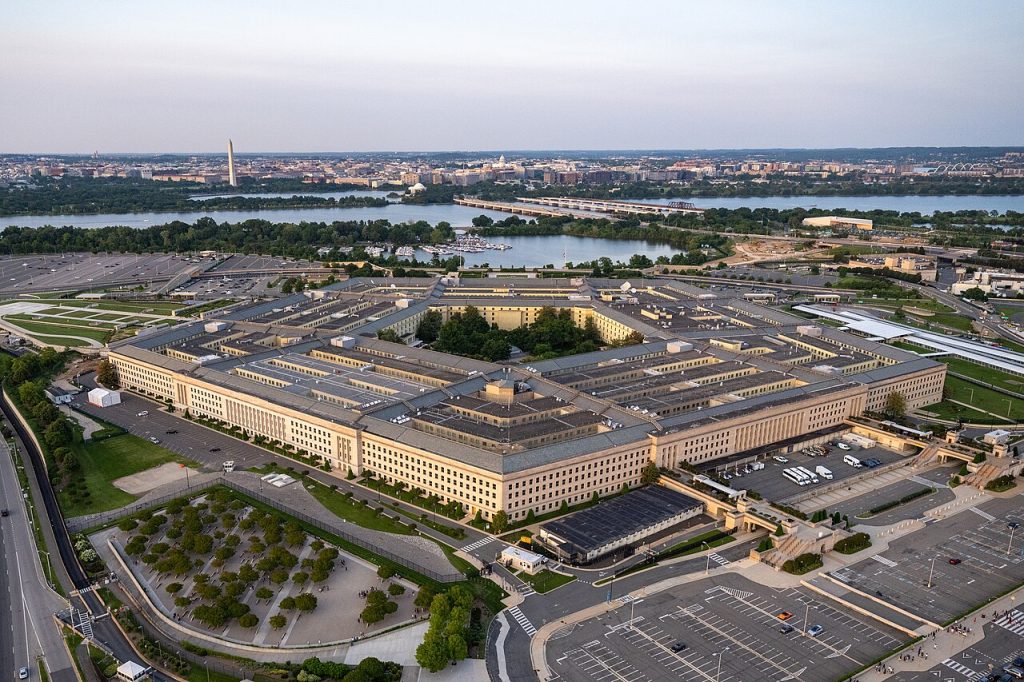
There are fears in Europe that their dependence on U.S. systems could render them powerless through a remote hack. The Chairman of the Danish Defence Committee, Rasmus Jarlov, said on X: “Paying the price for American weapons is a security risk we cannot afford, and this is in relation to the possibility of force through political tension.” Even their softwares-for example, ODIN for their F-35, which is a system that needs constant maintenance from America-is at their mercy.
4. Uncertainty over Block 4 Upgrade
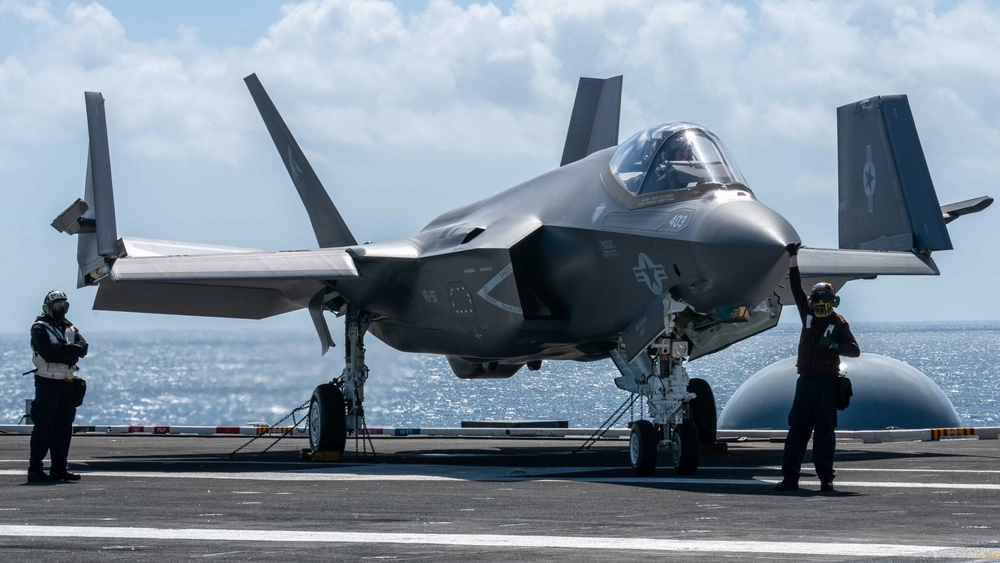
The F-35 Block 4 upgrade series, offering promised upgrades in radar performance, missile numbers, and better electronic warfare capabilities, was delayed until at least 2031 for at least this update series, with some capabilities delayed as far as 2033. The current price is $16.5 billion. It may not be available to all current operators. Whether or not the program is relevant for the Swiss is uncertain. They would have to pay again for modification at a later date.
5. Life-cycle costs and sustainment burden
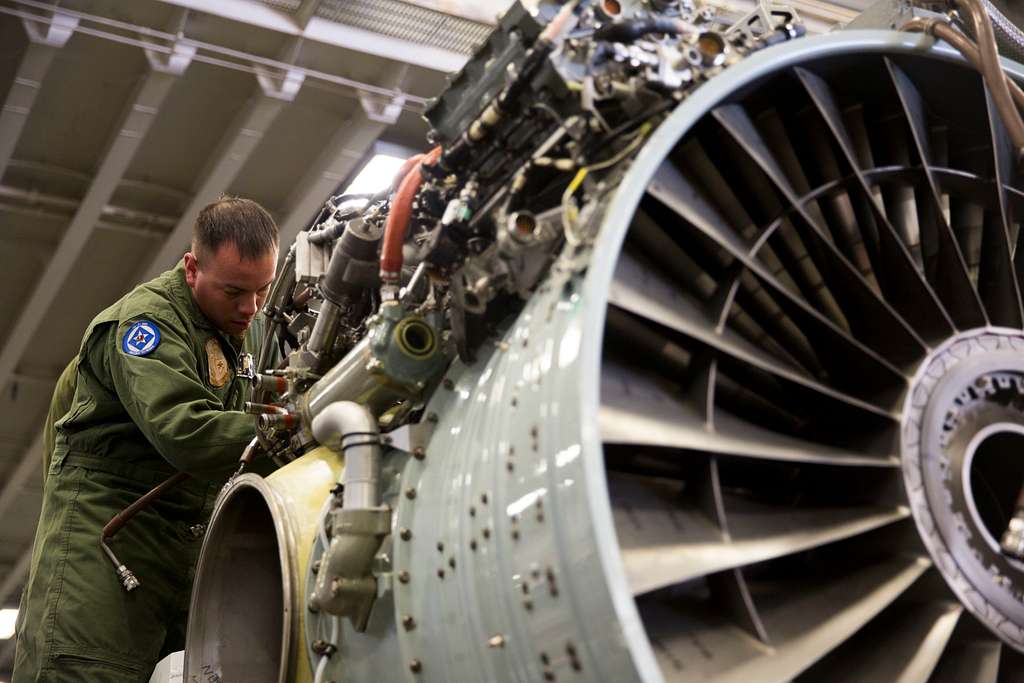
Costing the preservation of the presently planned level of forces in Switzerland is estimated to be CHF 15.5 billion over 30 years, with neither assurance of price stability. Block 4-related cooling and propulsion subsystems increase basement level cost. Findings by GAO indicate that overwhelmed thermal scaling may reduce engine life with an estimated cost increase in engine maintenance estimated at $38 billion. Cost-of-sustainment economics reaches equal levels with procurement price regarding aircraft fleet viability assessment.
6. European alternatives struggling
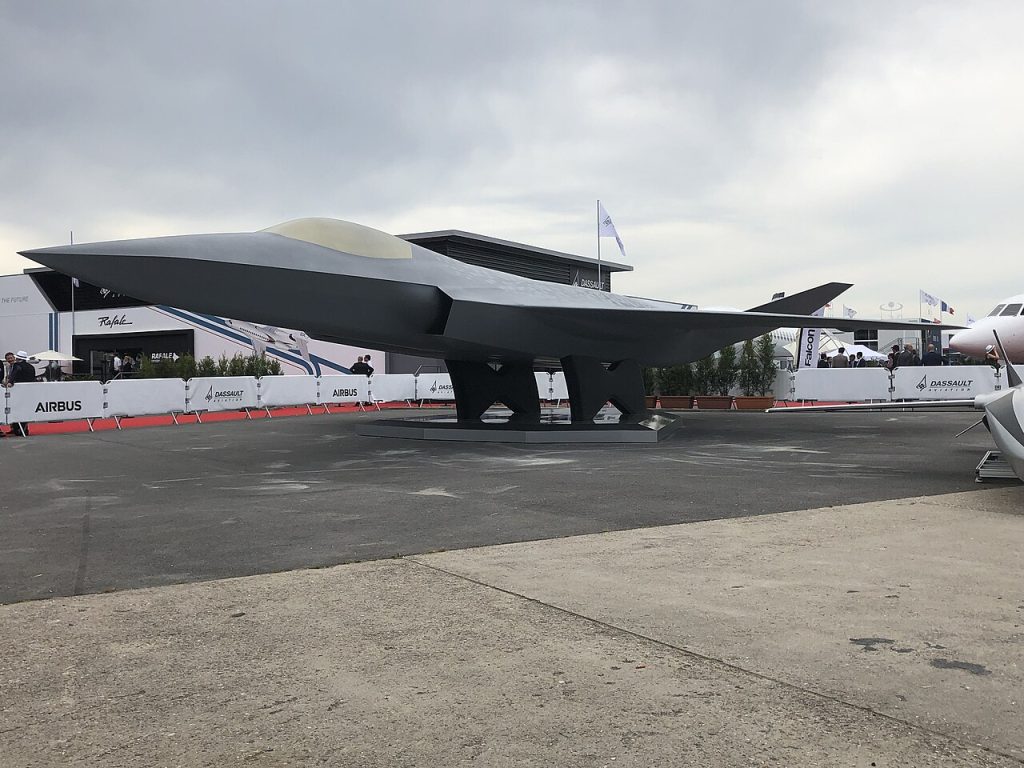
In reality, despite the rhetoric of ‘strategic autonomy’ for the continent, it does not have any ‘fifth-generation’ combat aircraft capable of rivaling the best U.S. planes. The Future Combat Air System project, being developed as an ‘adviced’ solution for the impending ‘Rafale’ and ‘Eurofighter’ upgrade programs, is marred by ‘conflicts’ between ‘Dassault’ and ‘Airbus’. Industry insiders have now declared the ‘$110bn’ ‘FCAS project’ ‘very unlikely’ to remain ‘on track’ with its planned entry ‘into service in the 2030s, now looking more likely.
7. Industrial base and R&D divergence
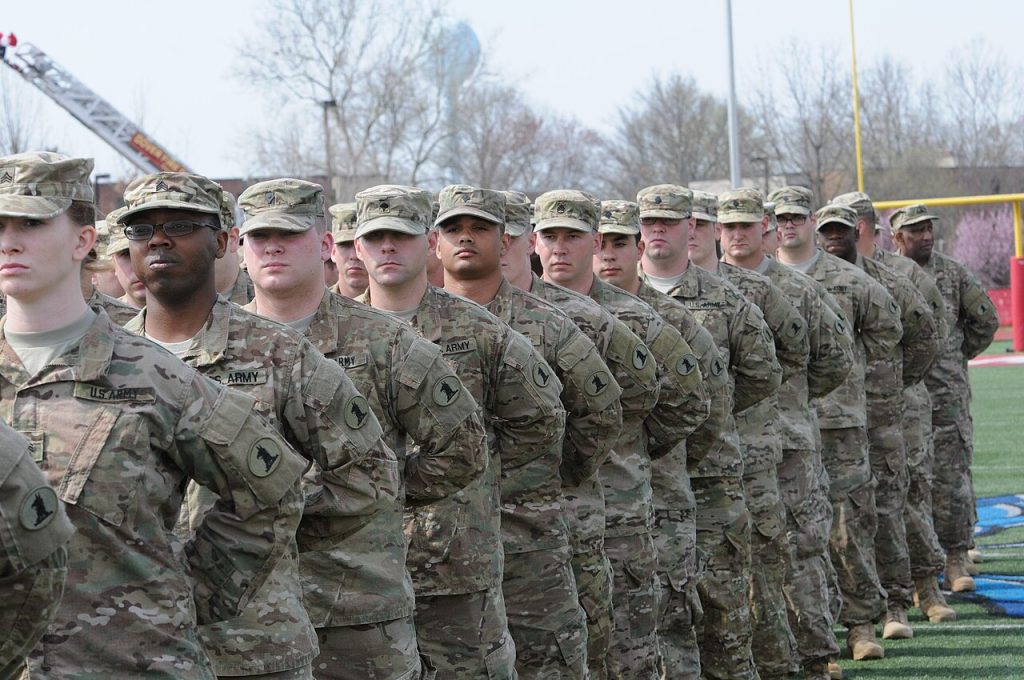
The European defense sector is still Balkanized, with 12 different models of main battle tanks and differing artillery rounds among military forces. Though the production of artillery shells has been increased manyfold, the top end of research and development remains woefully behind. At the moment, the U.S. spends ten times more on research and development in defense, stretching the gap in areas like stealth fighters.
8. Command-and-Control Dependency
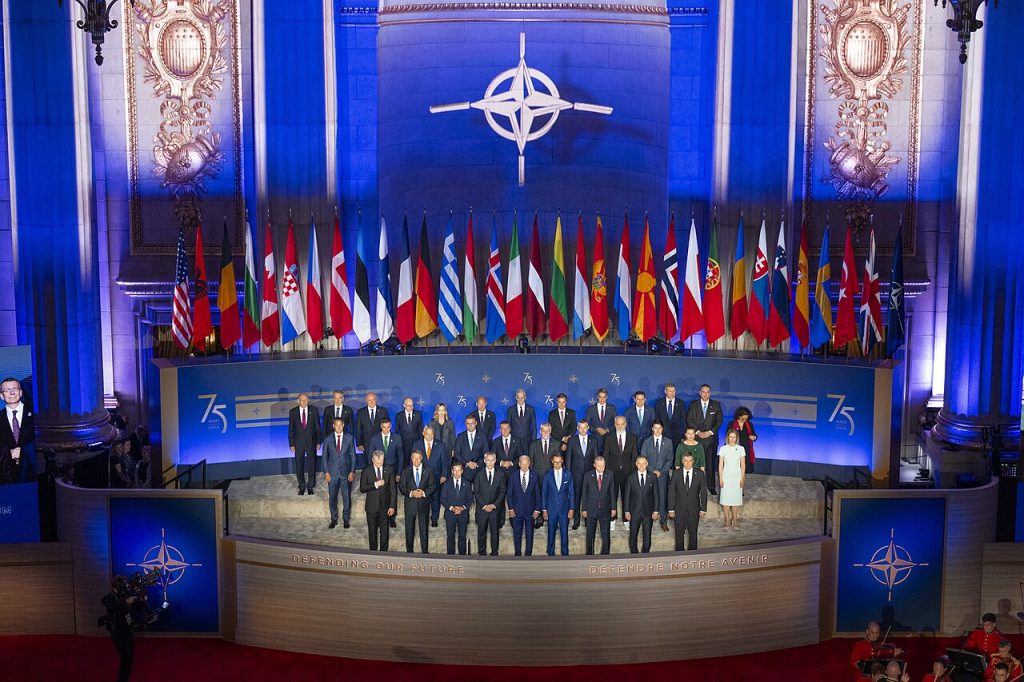
Dependencia en That would be a parallel to the reliance upon U.S. leadership in NATO command structures; since its inception, most high-ranking positions have been held by Americans, starting with the Supreme Allied Commander in Europe. Plans to Europeanize NATO leadership are always confronted among its membership. Without a change in its leadership, the autonomy of Europe to operate in a large-scale crisis will remain limited, irrespective of the origins of the hardware.
9. Potential for Mixed Fleet Solutions
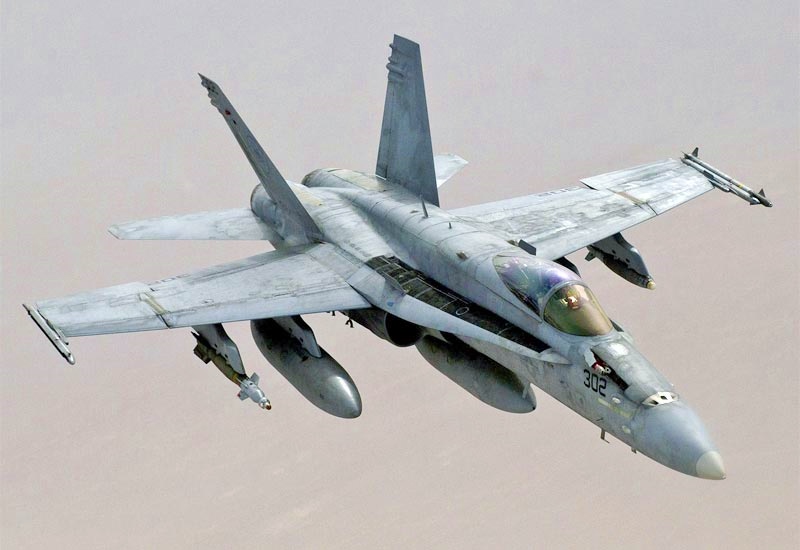
Mixed fleet options Experts also say that Switzerland could supplement a smaller F-35 fleet with lower-cost light combat aircraft, harking back to the country’s combination of F-5s and F/A-18s. This multi-type fleet may ease costs, assure readiness, and provide more diverse supply chains, even as high-technology capability gaps yawn open.
Meanwhile, potential F-35 customers in Europe may seek temporary arrangements until next-generation aircraft are available domestically. What’s happening in Switzerland’s reworking of its F-35 procurement order encapsulates the challenges at play for European nations regarding their air power capabilities. For those with responsibility for defense planning, the lesson is clear-that which is determined today anticipates strategic dependencies that will be locked in for decades to come. Defending these vulnerabilities is far from an easy task, but it goes well beyond simple investment in industry, discipline in programs, and political will.


