

Could a low-cost underwater drone change the calculus of naval warfare? Ukraine’s December 2025 strike on a Russian Kilo-class submarine in Novorossiysk suggests the answer is yes. In a single operation, Kyiv demonstrated that even heavily defended ports on Russian sovereign territory are no longer safe havens for high-value assets. This was not just another headline in the ongoing Black Sea contest. It was a historic first: the successful combat use of an unmanned underwater vehicle to disable a submarine at pier. The implications ripple far beyond the immediate tactical gain, touching on technology, strategy, and the future of maritime conflict. What follows are nine key takeaways from this watershed moment.
1. A Historic First in Naval Warfare
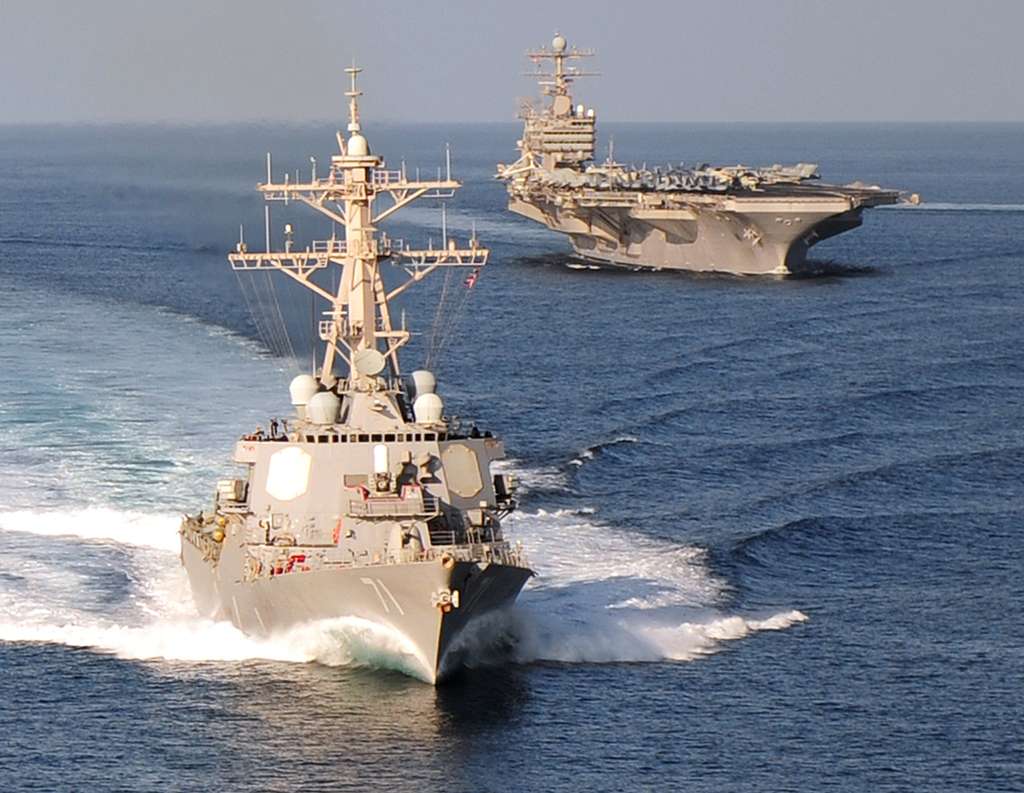
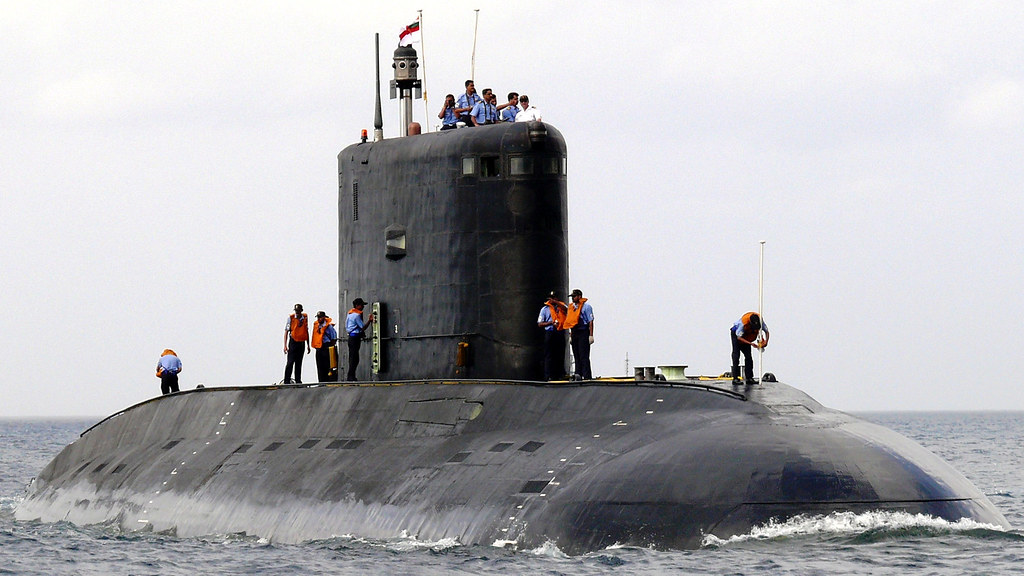
On December 15, 2025, Ukraine’s Security Service (SBU) and Navy executed what they describe as the world’s first successful underwater drone strike on a submarine. The target, a Project 636.3 Varshavyanka-class diesel-electric boat, was berthed at Novorossiysk, Russia’s primary Black Sea Fleet hub after retreating from Sevastopol. Video released by the SBU showed a violent explosion at the stern. While Russia denied damage, Ukrainian sources insist the submarine was rendered inoperable. This milestone places unmanned underwater vehicles (UUVs) firmly in the category of operational anti-ship weapons.
2. The Sub Sea Baby’s Design Evolution
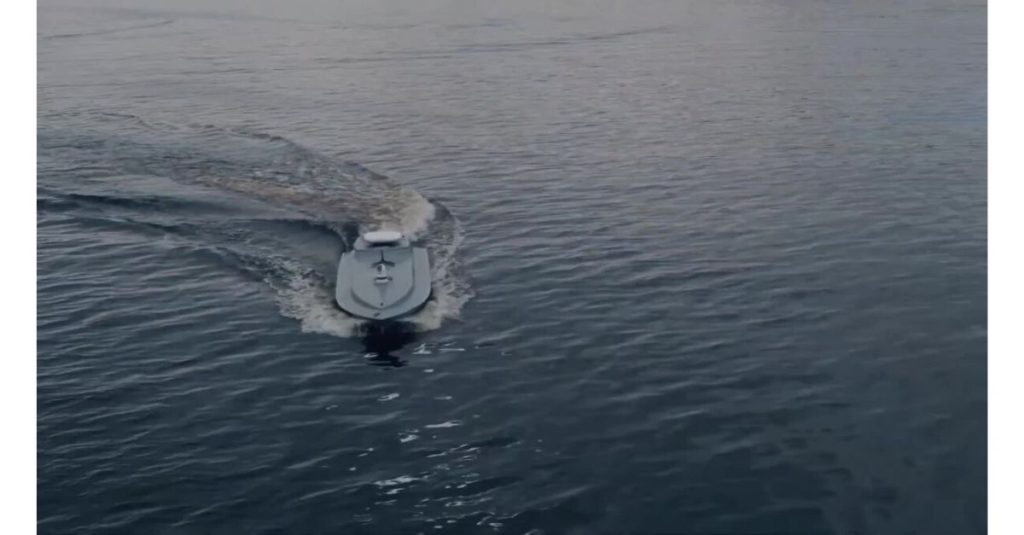
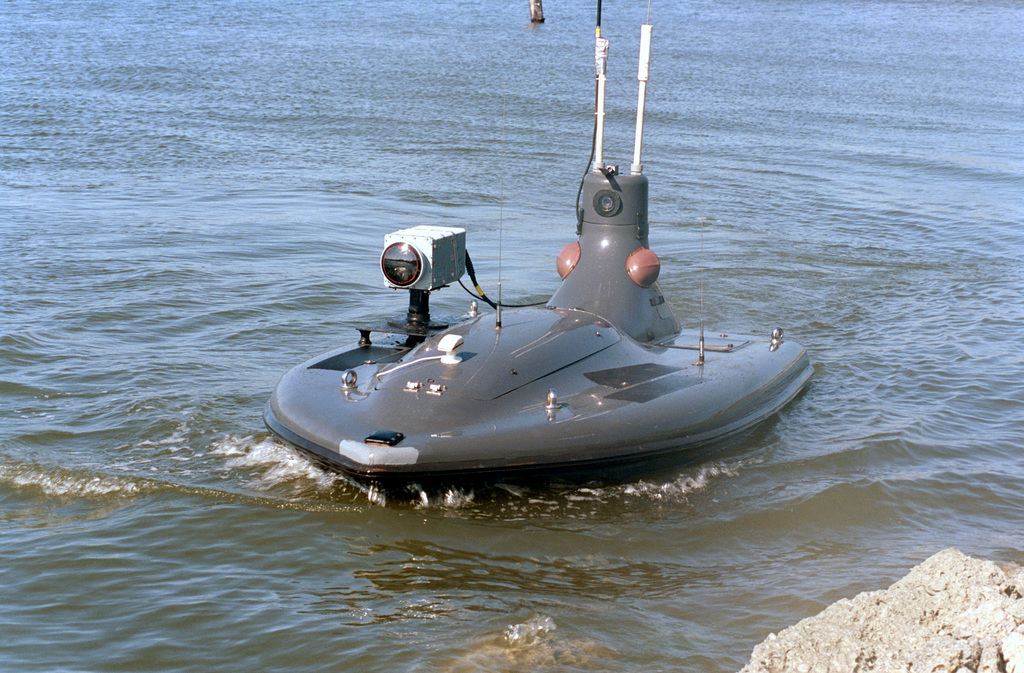
The attack was performed with the “Sub Sea Baby”, an underwater cousin of the Sea Baby surface drone developed by the SBU. Kept secret until now, it seems optimized to slice through layered harbour defences – nets, booms, patrol craft, and sonar – before homing in on a pre-selected target. Reportedly, it hit just aft of the propeller and control surfaces, a point that can disable propulsion without compromising the pressure hull. Part of Ukraine’s wider portfolio of maritime drones that began with small kamikaze craft and has matured to multi-mission platforms with payloads of more than 850 kg and autonomous guidance.
3. Bypassing Novorossiysk’s Layered Defenses
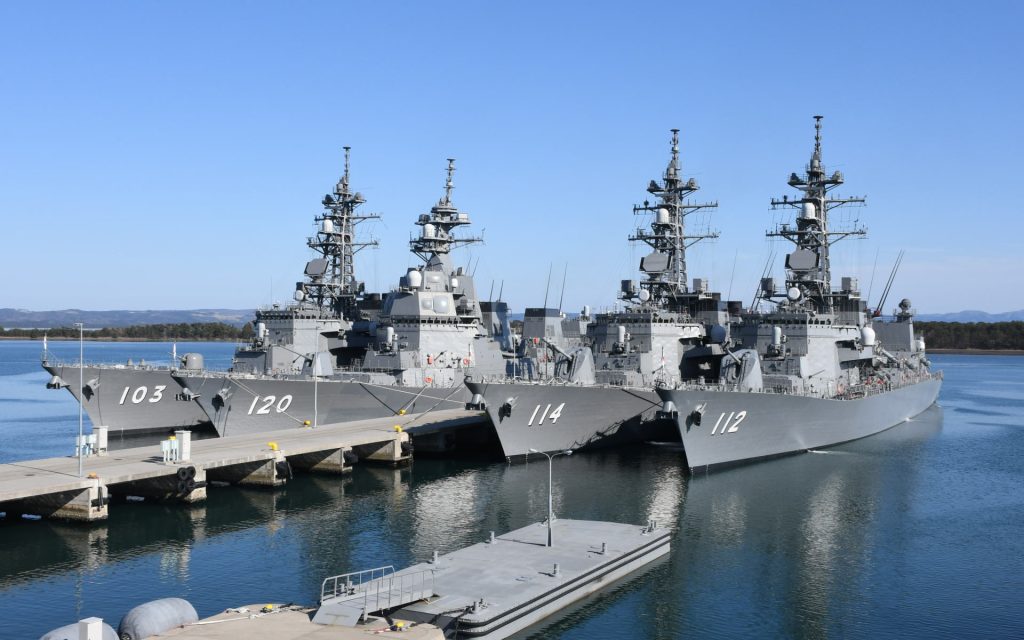
Novorossiysk’s defenses include coastal radar, patrol aircraft, anti-saboteur units, diver-detection sonar, and floating barriers. These were designed primarily for surface threats. The Sub Sea Baby exploited blind spots, likely approaching at low speed along the seabed to minimize acoustic signature. By operating underwater, it bypassed surface barriers and avoided air defenses entirely. The week-long transit and hours-long final approach required precise navigation through confined waters during reduced patrol activit.
4. Intelligence and Autonomy Integration
Ukrainian intelligence reportedly hacked harbor cameras to monitor ship positions, with AI-assisted identification marking vessels in real time. Whether this enabled live guidance is unclear, but the strike’s precision suggests a fusion of pre-programmed waypoints, autonomous navigation, and situational awareness inputs. This combination allowed the drone to navigate complex harbor geometry and time its attack for maximum effect.
5. Strategic Impact on Russia’s Kalibr Capability
Kilo-class submarines carry Kalibr land-attack cruise missiles, used extensively against Ukrainian infrastructure. Each boat can launch four to six missiles. With the Rostov-on-Don already lost in 2023, another disabled Kilo further erodes Russia’s Black Sea strike capacity. UK Defence Intelligence has noted that between February 2022 and June 2024, Ukrainian forces damaged or destroyed 26 Russian Navy ships in the region, steadily contracting Moscow’s operational freedom.
6. Asymmetric Cost Advantage
Ukraine’s underwater drones cost thousands of dollars, while a submarine costs hundreds of millions. They create a new defensive burden on Russia with no risk of crews or multi-million-dollar platforms. That is consistent with Kyiv’s asymmetric war strategy: hit high-value targets deep inside enemy defenses and force extremely resource-intensive countermeasures. The Sub Sea Baby’s success is forcing Russia to defend an entirely new domain.
7. Expanding the Target Set
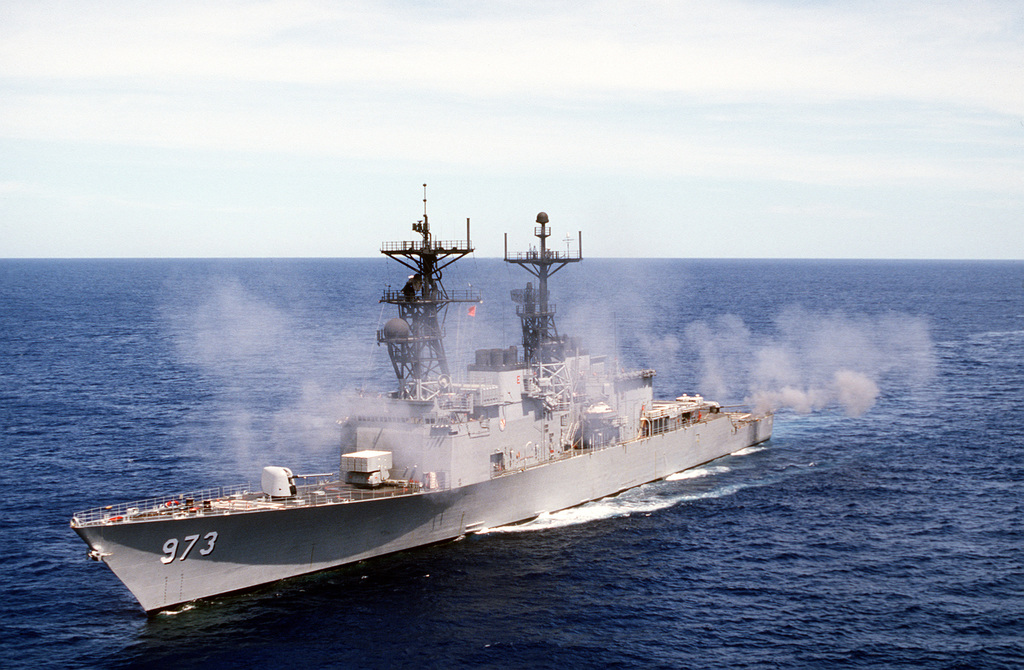
The implications extend beyond submarines. With UUVs able to infiltrate defended ports, assets such as frigates, corvettes, landing ships, tankers from the shadow fleet, underwater pipelines, and sensor networks are now vulnerable. Ports once considered secure must adapt defenses to counter submerged threats, stretching Russian resources across multiple locations.
8. Vulnerability of Stationary Submarines
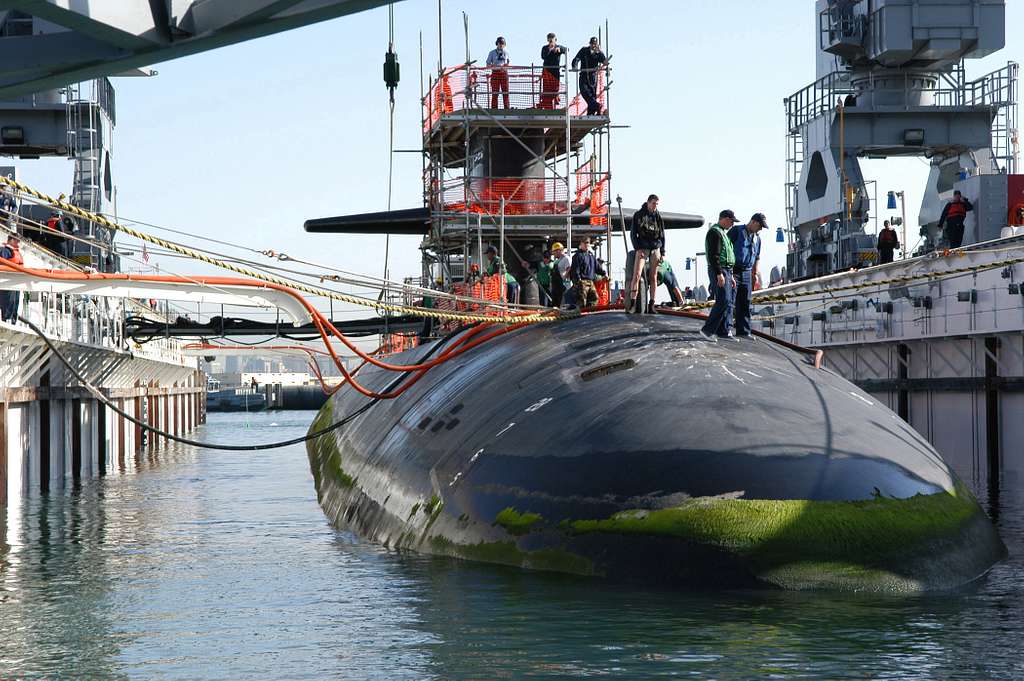
This strike also highlights a weakness that has long been appreciated but has not been adequately leveraged: while submarines are most vulnerable while stationary at dock. Stealth is not a one-way phenomenon—so-called “dual-use” underwater UUVs also use the sound-masking principle to sneak up on enemy submarines undetected. This can turn on its head all pre-existing knowledge on anti-submarine warfare.
9. Global Naval Doctrine Implications
Other forces are paying attention. The provable ingenuity of a UUV in breaching a heavily fortified harbor and debilitating a submarine shows that traditional force structures are vulnerable to a new kind of attritable autonomous system. For Russian forces, this means expensive uay upgrades or redundant missions in more remote regions. For NATO forces and others, uay warfare will be a new area of operations.
The Sub-Sea Baby operation by Ukraine against the port of Novorossiysk is more than just a successful tactic—it is a message with strategic depth. Autonomous undersea systems have evolved to the level of matured weapons that can threaten the most secure naval assets. The message to military planners is clear: the battlespace in the future will now be contested above the surface and under the surface, and the one that evolves the fastest to the threat posed by autonomy will have the upper hand.


