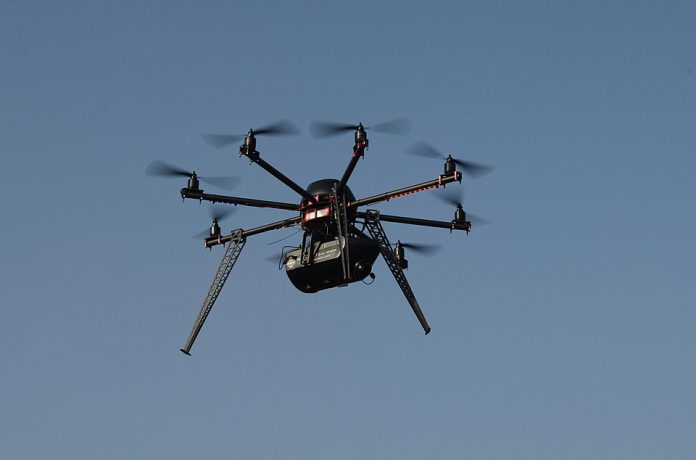

How do you train for a weapon that’s redefining modern combat? Earlier this month, the U.S. Marine Corps staged a high-intensity competition in Okinawa to find out. The event wasn’t about marksmanship or traditional battlefield drills-it was about mastering one of the deadliest tools in contemporary warfare: suicide drones. The Marine Corps Attack Drone Competition, held in the Indo-Pacific, brought together elite operators from multiple services to push the limits of one-way attack unmanned aerial systems.
More than a competition, this was a proving ground for tactics shaped by lessons from Ukraine, new policies issued from the Pentagon, and an urgent need to prepare for near-peer conflict with China. Participants faced realistic operational challenges: integrating drones into combined arms operations and learning to fight in an environment where aerial threats are constant and lethal. The following nine insights show how this competition fits into a broader transformation in U.S. military drone doctrine, training, and technology changes that could define the next generation of warfare.
1. A Competition Designed for Combat Readiness
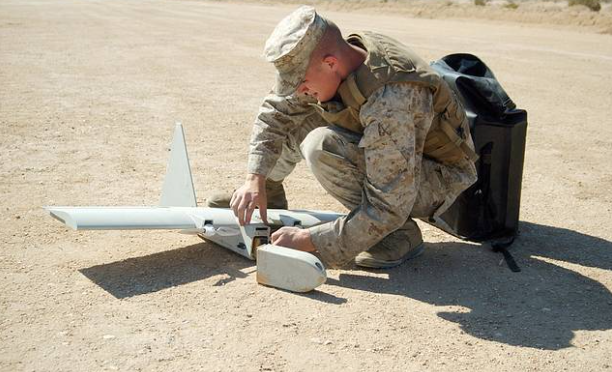
In the first two weeks of December, the 3rd Marine Division hosted the Attack Drone Competition at Camps Hansen and Schwab, Okinawa. The intent was to take Marines through the complete, full operational cycle of suicide drone employment-from launch to strike-under realistic battlefield conditions. “The Marine Corps Attack Drone Competition allows Marines to test and improve their drone skills against the top operators in the Marine Corps, boosting their confidence and capabilities on the battlefield,” said Sgt. Grant Doran. This wasn’t just building expertise; it was certification. Twelve Marines qualified as attack drone operators, while other participants earned instructor qualifications to ensure the capability rapidly diffuses across units.
2. The Neros Archer: Small but Lethal
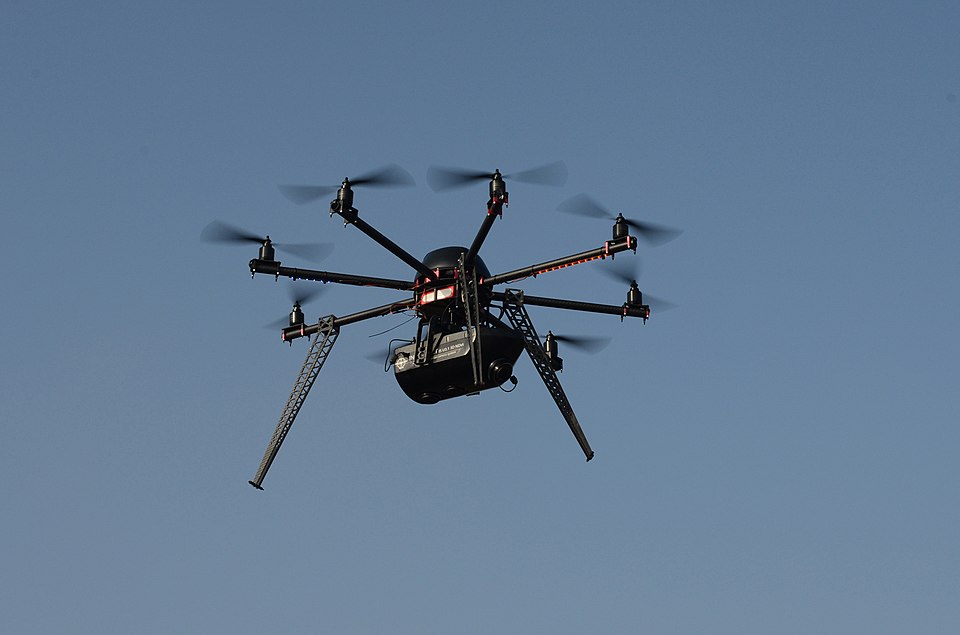
Competitors flew the Neros Archer, a small one-way attack UAS capable of carrying a 4.5 lb payload over 12 miles. Designed for close tactical engagements, its very small size and payload make it ideal for precision strikes in contested environments. Modest compared to larger systems, the Archer’s portability and ease of deployment reflect the Pentagon’s shift towards treating small drones as expendable munitions rather than durable aircraft emphasizing rapid replacement over long-term maintenance.
3. Interoperability across Services
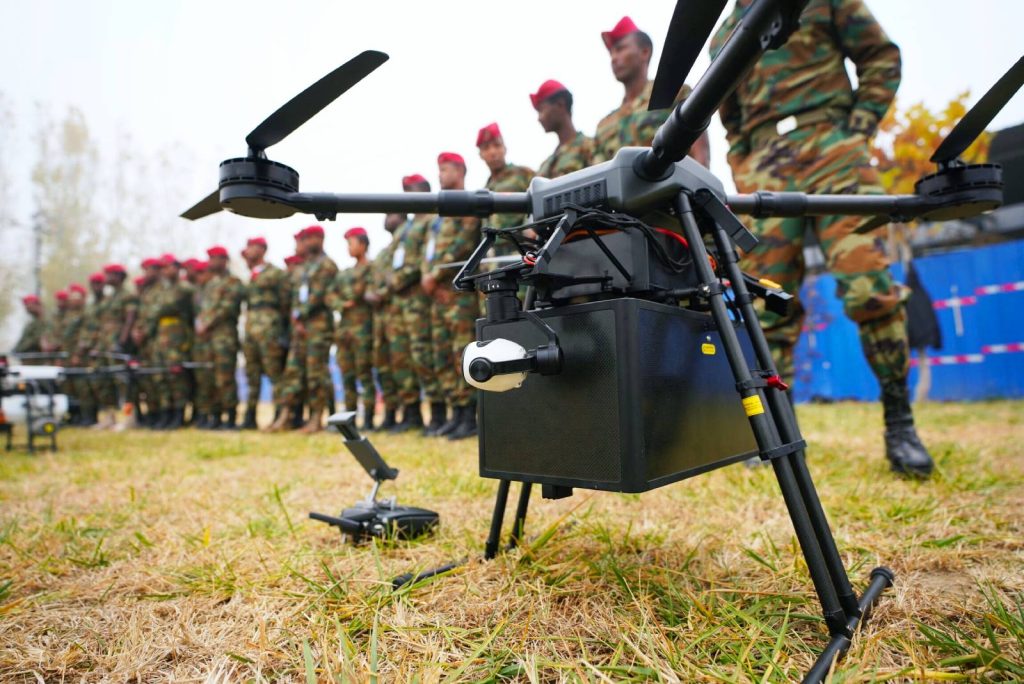
It wasn’t just a Marine competition. Other branches sent troops, building joint-force experience and familiarity with the suicide drone way of war. All of this aligns with the Pentagon’s new policy granting O-6 level commanders authority to procure and operate Group 1 and Group 2 UAS without lengthy approvals. Such cross-service exercises ensure interoperability in future conflicts where drone warfare will require seamless coordination on land, air, and sea.
4. Lessons from Ukraine’s Drone Battlefield
The war in Ukraine has shown how suicide drones are saturating defenses, disrupting maneuver, and delivering precision strikes at a low cost. In Ukraine, drones are responsible for up to 75% of combat losses on both sides; these massed deployments overwhelm air defenses. The competition incorporated these realities, training operators to exploit the reach and survivability of small drones while preparing them for countermeasures that evolve within weeks.
5. The New Drone-Fighting Handbook
Earlier this year, the 1st Marine Division published a 90-page Small UAS/Counter-small UAS Integration Handbook. It standardizes vocabulary, operating procedures, and team-based employment of drones. The handbook makes this point in bold print: “The operator of any one aerial system is unlikely to accomplish the unit’s mission by him/herself,” underscoring the team conceptwhere communications, targeting, mobility, and protection roles are integrated into a cohesive sUAS-equipped formation.
6. The Pentagon’s ‘Consumable Drone’ Policy
The reforms issued by the Department of Defense this July reclassified small drones as consumables, fast-tracking procurement and deployment. The new policy provides significant support to competitions such as Okinawa’s by cutting red tape, promoting experimentation and incorporating the use of drones into regular training. It also drives the establishment of national drone ranges and names Indo-Pacific-based units for early fielding in accordance with the strategic imperative on China as a long-term adversary.
7. Integrating Counter-Drone Tactics
Training didn’t stop at offensive use: Marines practiced camouflage to mask heat signatures and rapid repositioning, skills learned from Ukraine’s front lines. Formal guidance on evasion-from hiding in the vegetation to “hot wall”airspace deconfliction-reflects a recognition that survivability against drones is as important as employing them effectively.
8. Industrial and Doctrinal Shifts
Drone warfare is forcing a rethink on both procurement and doctrine. The Pentagon’s emphasis on mass, low-cost systems reflects Ukraine’s achievement of producing 200,000 drones per month. For the U.S., that means balancing start-up-driven innovation with industrial-scale production, while adapting doctrine from platform-centric to network-centric warfare-integrating drones into kill webs with artillery, EW, and cyber.
9. Preserving Maneuver in a Drone-Saturated Future
While Russia’s use of drones reinforces its fires-centric doctrine, the U.S. way of war relies on maneuver enabled by airpower. Competitions like this prepare Marines to operate in environments where movement is threatened by drones but also to develop counter-innovations-integrated air defenses, EW, and deception-that restore freedom of maneuver. This makes sure suicide drones become a force multiplier and not a constraint in future operations.
The Marine Corps Attack Drone Competition in Okinawa was more than a contestit was a microcosm of the U.S. military’s evolving approach to drone warfare. Blending lessons from Ukraine, new Pentagon policies, and service-specific doctrine, the event showcased how small, lethal, and expendable drones are becoming central to modern combat. For defense professionals, the takeaway is clear: mastering these system sand the countermeasures against them will be essential to prevailing in the battlespaces of tomorrow.


