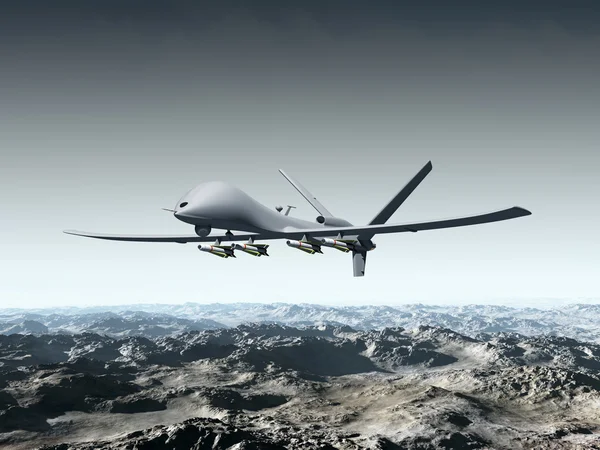
It began in the dead of night: a swarm of Russian drones crossing into Ukrainian airspace, their engines a low hum against the winter cold. But by dawn, the scale was clear: 82 unmanned aerial vehicles launched from multiple areas in Russia, their targets unknown, as Ukrainian air defenses raced for interception. This wasn’t just another strike; this was a showcase of the evolving tactics and technology in drone warfare within the context of the Russia-Ukraine conflict.
To both defence analysts and observers of military technology, December 18th offers an attack that is a concentrated glimpse at the intersection of hardware innovation, operational doctrine, and strategic intent. The engagement from decoy drones to Shaheds armed with missiles reflects both sides’ adaptation to a battlefield increasingly dominated by unmanned systems. The following are nine key takeaways from this operation and its wider context.
1. Scale and Composition of Strike on December 18
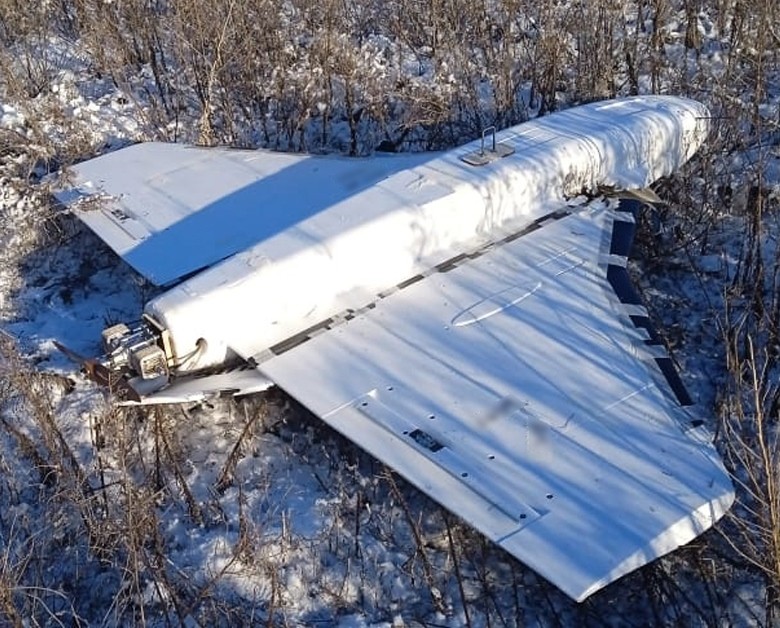
In one night, Russia carried out a strike with 82 drones, approximately 50 Shahed-type loitering munitions, Gerbera decoys, and other UAVs from Millerovo, Kursk, Oryol, and Primorsko-Akhtarsk airfields. Ukrainian air defenses shot down 63 of these, showing the efficiency of a multilayered defense that included aviation, missile units, electronic warfare, unmanned interceptors, and mobile fire groups. The multi-type composition speaks to Russia’s emphasis on saturating defenses and probing vulnerabilities across several regions simultaneously.
2. Regional Impact and Civilian Damage
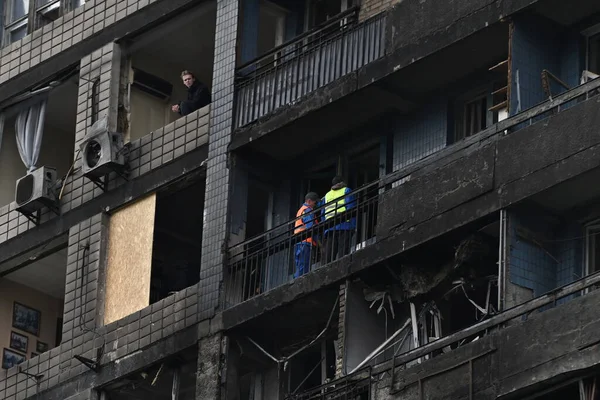
The strike reached as far as Cherkasy, Odesa, Mykolaiv, Dnipropetrovsk, and Sumy. In the Kovpakivskyi district of Sumy, civilian infrastructure sustained window damage; in Odesa, falling debris injured seven and caused damage to a nine story building and an educational facility. The energy infrastructure in Mykolaiv was targeted, with power outages reported, while in Cherkasy there was infrastructure damage. Fires in Kryvyi Rih injured two residents. No mass casualties are a signal of successful intercepts but also of a continuing threat to civilians.
3. Gerbera Drones as Low-Cost Decoys
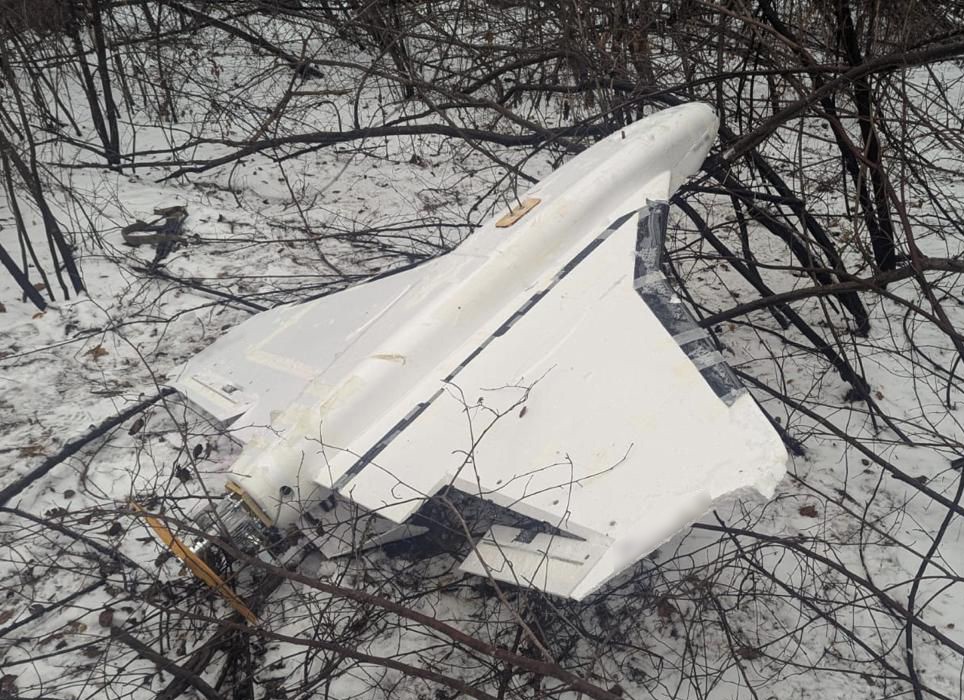
The Gerbera drone is a potent decoy, affordable and made of plywood polystyrene construction. Its mimicry of Shahed signatures further compels Ukrainian kinetic systems to fire interceptors, draining resources and showing air defense positions. Now integrated into strike packages since mid 2025, Gerberas increase target volume, complicating prioritization, and enable Russia to gather electronic warfare intelligence for refining future drone designs.
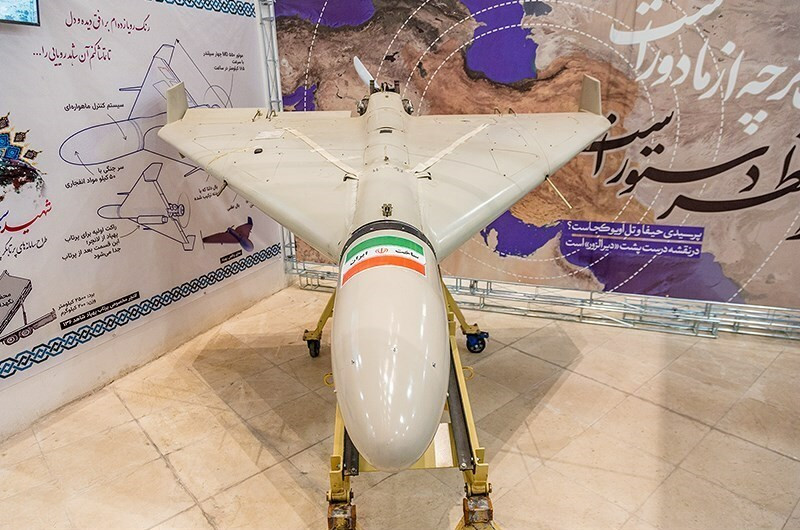
4. Missile-Armed Shahed-136 Variants
Recent sightings indeed confirm the Shahed-136 drones fitted with R-60 air-to-air missiles, a Soviet-era heat-seeking weapon. Lt. Col. Yurii Myronenko, Ukrainian Deputy Minister of Defense for Innovation, said that those operator-controlled Shaheds present “a whole new set of headaches” because of their capabilities to perhaps engage intercepting aircraft. While highly limited in maneuverability, the deterrent effect might change how Ukrainian patrol tactics are conducted with helicopters and slower jets.
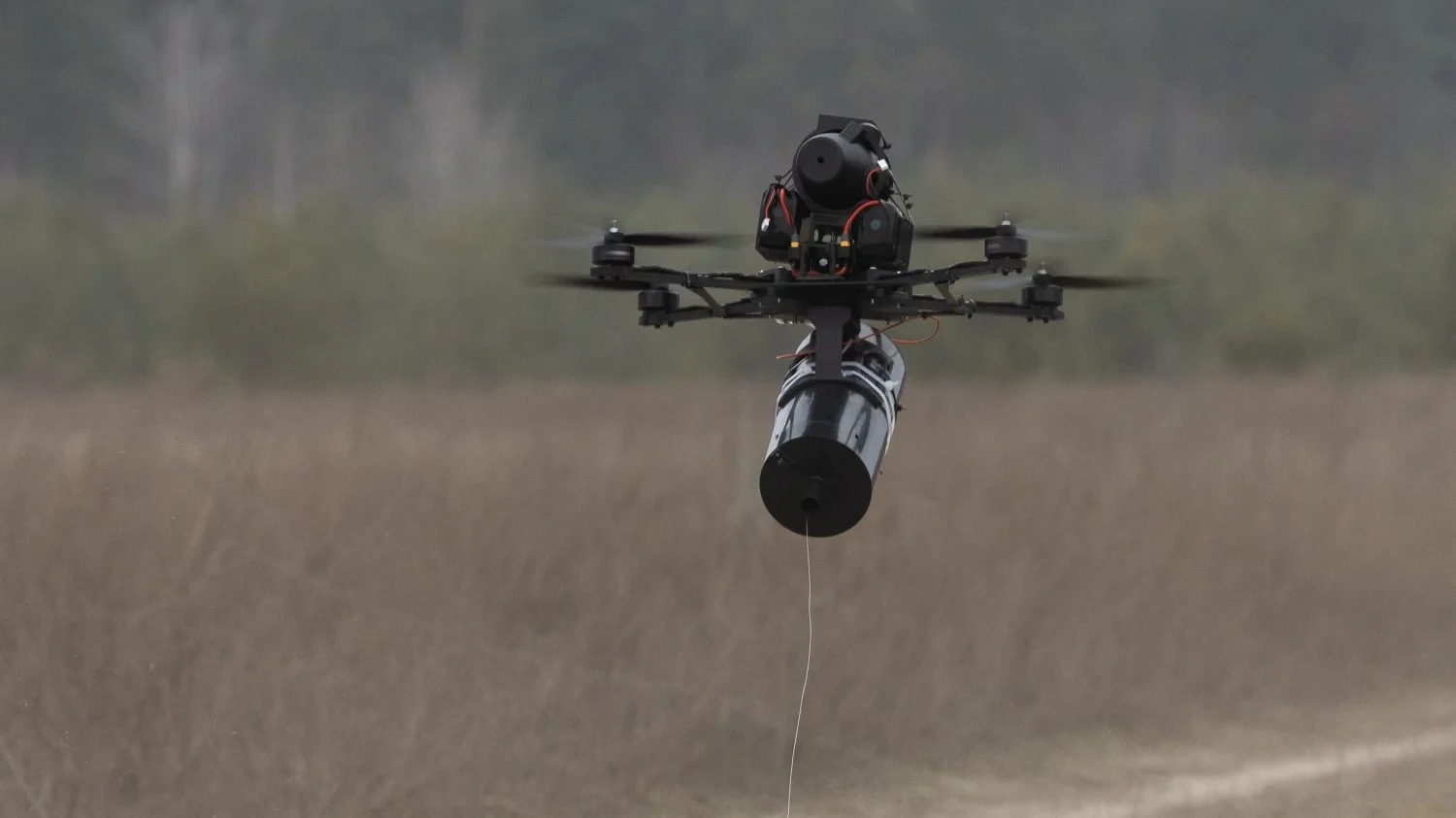
5. Partial Battlefield Air Interdiction through UAVs
The Russian forces are therefore achieving near-rear interdiction effects once reserved for manned aircraft. Indeed, today FPV drones and loitering munitions are even threatening highways 25–54 kilometers from the front, such as the T0514 and T0515, disrupting Ukrainian logistics and rotations. The range of fiber optic-controlled, jamming-resistant drones extends this reach into forested terrain, complicating movement and resupply even without physically destroying infrastructure.
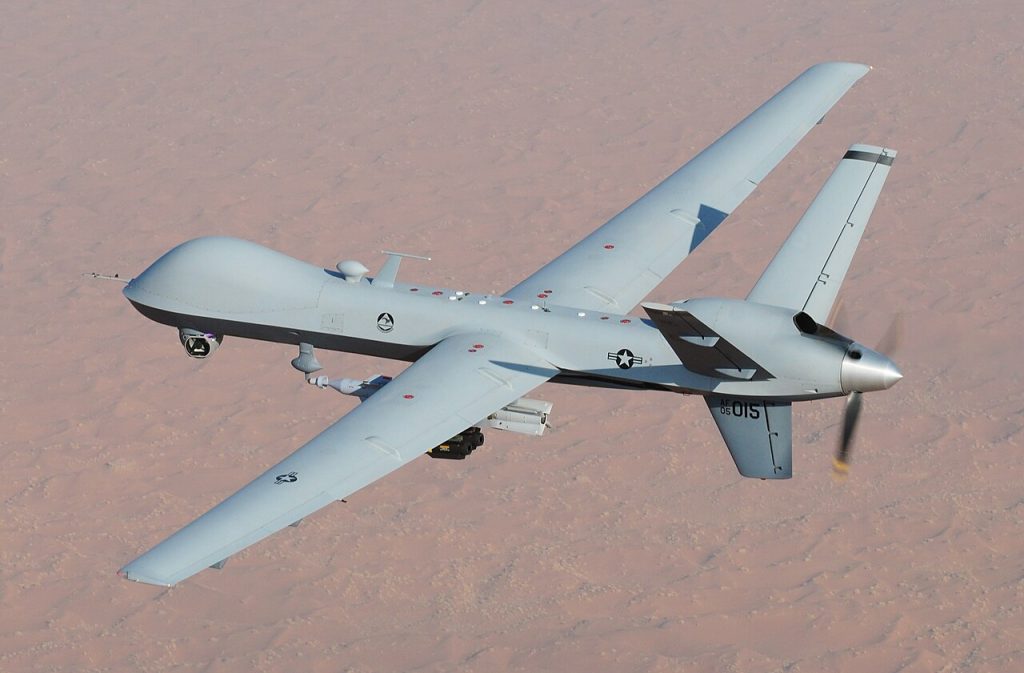
6. Technological Adaptations Increasing UAV Effectiveness
Russian innovations indeed include extended range Molniya FPVs to as much as 50 km, Lancet loitering munitions 70-110 km, AI/ML powered optical navigation in Chernika-2 drones, and sleeper UAVs complete with hibernation modules capable of surprise strikes. Adaptations such as these increase the level of precision, resistance to EW, and tactical depth that enable strikes on logistics hubs and defensive positions well beyond traditional artillery range.
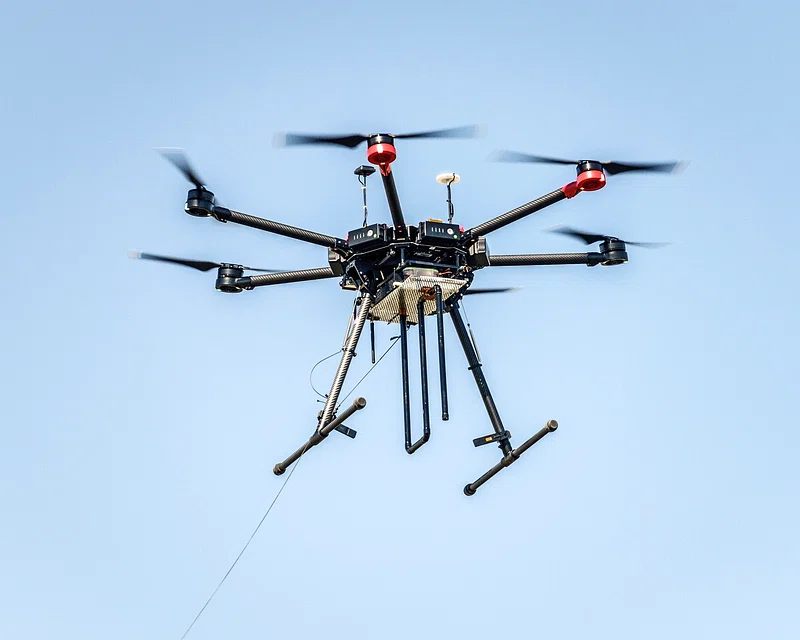
7. Combined UAV Tactics of Saturation and Coordination
Coordinated packages combining reconnaissance, repeater, and strike drones reach out as far as 300 km. Fiber optic UAVs neutralize the EW systems in advance of FPV strikes, and quadcopters assault the infantry positions. These integrations enable simultaneous defense suppression and precision engagement; the results of these successful demonstrations have been witnessed in Pokrovsk and Kostyantynivka, with direct UAV support enabling small unit assaults.
8. Resilience and Strain of Ukrainian Air Defense
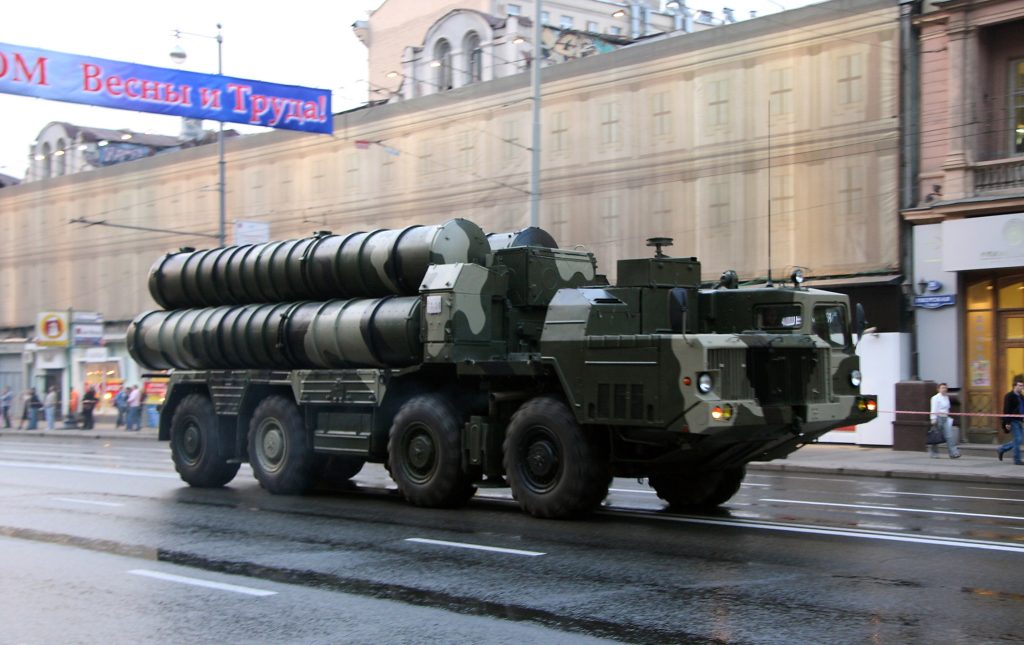
The integrated air defense system in Ukraine combined Soviet-era S-300s and Buks with Western Patriots, IRIS-Ts, and Gepards. Apparently quite effective against mass UAV attacks, interoperability and shortages of munitions remain problems. President Zelenskyy has raised concerns over Patriot interceptor shortages, and the delays in the Western deliveries previously weakened defenses. Supplemented by mobile fire teams and EW units, missile systems sustain a network against probable Russian UAV production levels of over 2,000 Shaheds every month.
9. Strategic Context: Energy Infrastructure as a Target
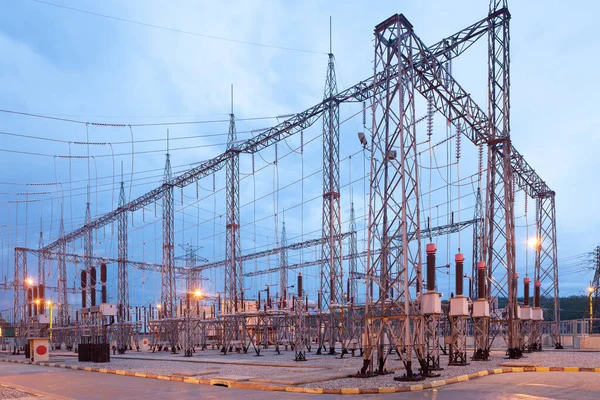
Russian strikes increasingly target energy facilities in an effort to degrade civilian morale and operational capacity this winter, while Ukrainian deep strikes against Russian refineries and pipelines aim at increasing Moscow’s war costs. Yet, Russia’s rapid repair capabilities and excess refining capacity contain the possibility of long-term disruption. In this context, the December 18 attack fits within a broader pattern of energy warfare, marrying physical damage with psychological pressure.
The December 18 drone assault typifies the changing character of the Russia-Ukraine conflict-a competition of adaptation, where low-cost decoys, missile-armed UAVs, and coordinated strike packages test the strongest air defenses. For military technologists and strategists, the message is crystal clear: unmanned systems are no longer auxiliary means but have become core elements in operational design capable of defining logistics, deterrence, and civilian resilience. As the current sides continue to refine their methods, the battlefield is going to be set by a combination of innovation, saturation, and countermeasure.


