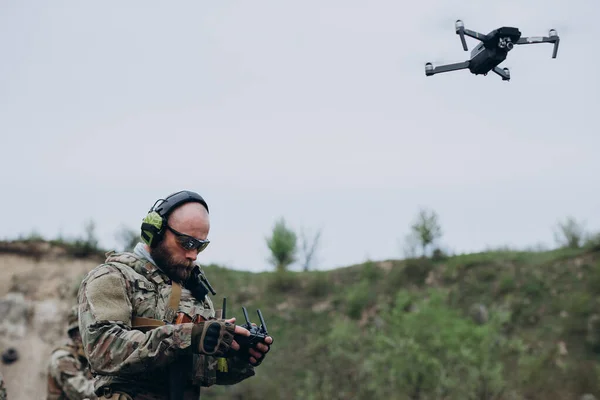
Could a drone no bigger than a pigeon alter the manner in which infantry squads operate? The Pennsylvania Army National Guard is convinced that it can. In the month of December 2025, the training staff of the 1st Battalion, 166th Regiment – Regional Training Institute, participated in a rigorous Soldier Borne Sensor (SBS) training program at Fort Indiantown Gap, thereby accomplishing a major milestone in the usage of micro-UAS for small-unit reconnaissance.
This endeavor is a part of a bigger modernization movement throughout the U.S. armed forces, which is in line with the lessons learned from Ukraine, Gaza, and other conflicts of recent times where drones have become lifelines for intelligence, surveillance, and force protection. The Guard, by training the instructors now, wants to make sure that the next generation of soldiers will be trained from day one to operate these systems.
Here are the nine most important points that reveal the key aspects of the training, the tech involved, and the strategic consequences for war operations.
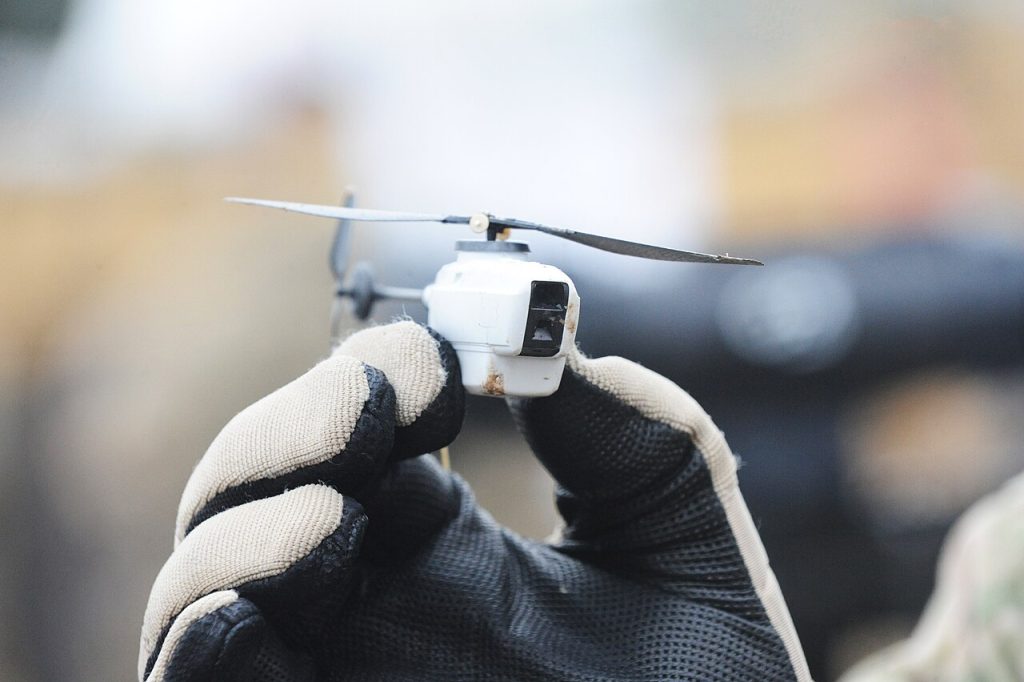
1. The Black Hornet’s Tactical Edge
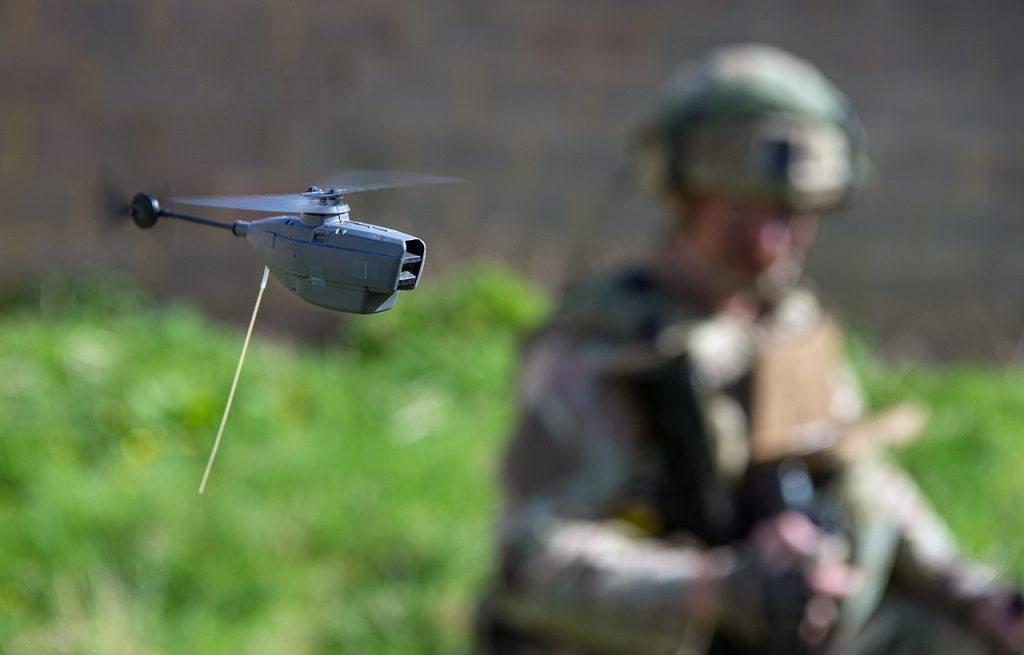
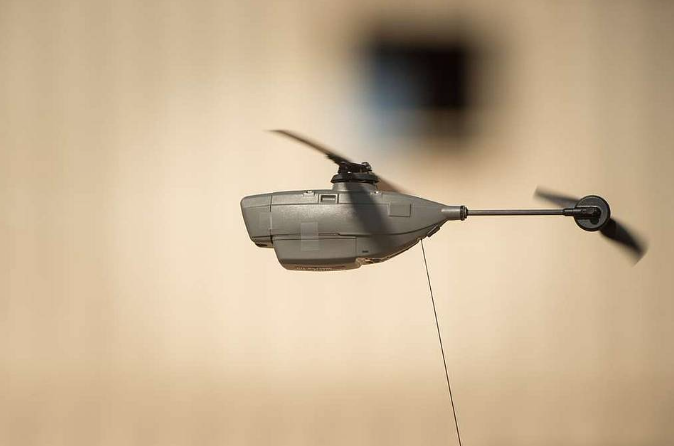
The SBS training was focused on the Black Hornet, a tiny reconnaissance drone from Teledyne FLIR. The device is intended for use at the squad level and can be set up in less than 20 seconds, thus, allowing live video to a range of three kilometers. Its almost inaudible sound and very small size quiet the most severe types of urban or forest operation. Sgt. 1st Class Brandon Wahl was thrilled by its effect: “SBS enables infantry squads to be able to see beyond the line of sight without physically sending a Soldier forward.” The use of the enemy’s capabilities to know and control the terrain will drive the enemy out of the fight which is the main effect.
2. Integrating SBS into the Army’s Program of Instruction
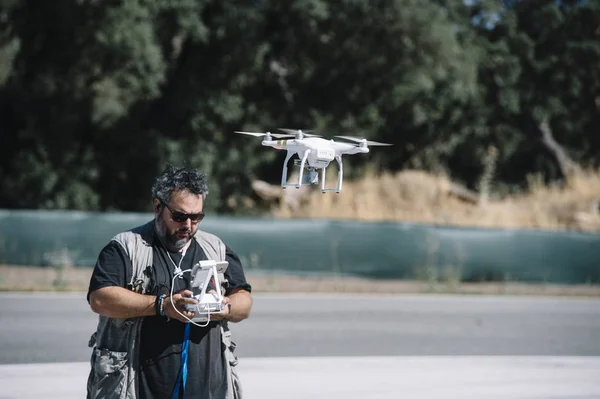
The training prepares the cadres for the forthcoming changes in the sUAS operator course Program of Instruction (POI) which is the Army’s standard framework for the content of the course and the equipment used. Next POIs will have SBS as a drone along with quadcopters and fixed-wing drones so that the soldiers will have practical experience with different platforms. Staff Sgt. Luis Andujar emphasized that early exposure helps instructors “to develop the proper method of training right from the beginning,” thus, the Guard will be in a position to quickly carry out the SBS implementation once it gets formal approval.
3. Lessons from Modern Conflict
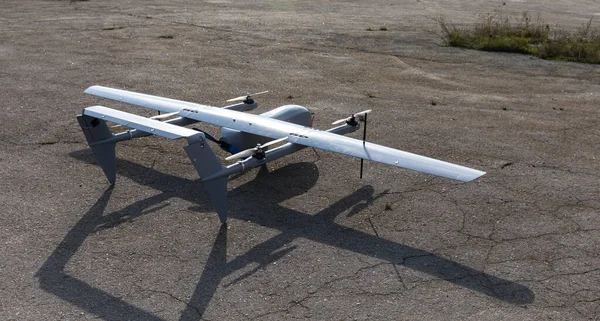
The priority given to SBS is directly related to the situation on the ground in Ukraine and other conflict areas where the use of small, light, and quickly deployable UAVs has been instrumental in gathering intelligence and controlling the battlefield. At the same time, these systems do not become a logistical nightmare. By equipping SBS, the Guard is preparing for a doctrinal change which will give the squad-level units decentralized ISR capabilities.
4. Minimal Training, Maximum Impact
SBS UAVs are such that a single soldier can operate them without any complex setup or lengthy training, unlike larger unmanned systems. The simplicity of their use allows the quick execution of them in a situation that is not under your control hence the devices act as a force multipliers for the small units. Besides, their small size makes them the perfect fit for the already existing squad loadouts thus, the issue of being mobile is not out of question, which is the main concern for the infantry.
5. Preparing Instructors for Multi-Platform Proficiency
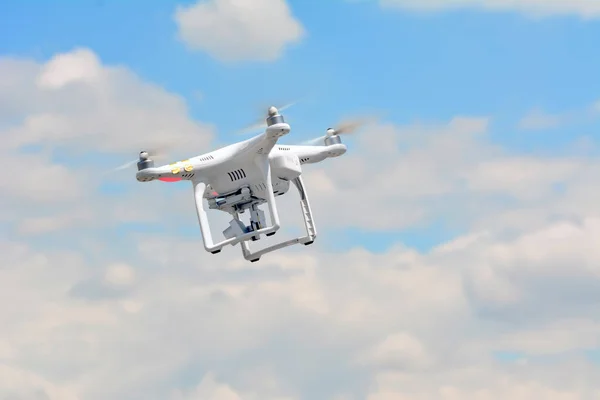
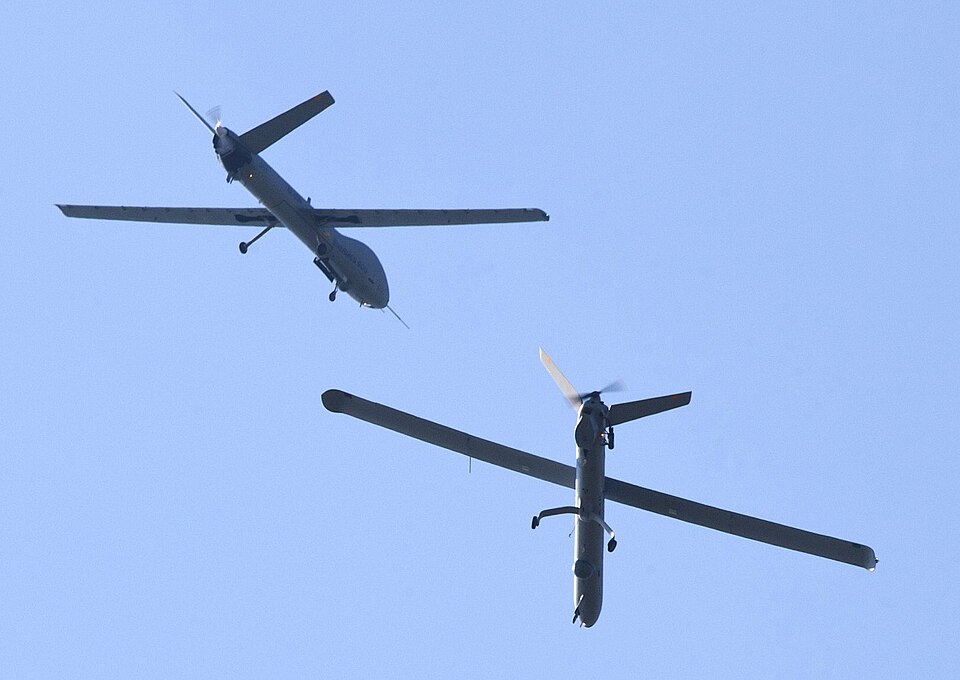
RTI cadre are being trained on different types of sUAS, Bardell Roman, and tail rotor respectively, not only on SBS. This extensive platform training approach is in line with the trends seen at NATO and other partner nations where both interoperability and adaptability are top priorities. Instructors can meet the specific needs of a mission as well as the changing nature of the threats by being acquainted with various systems.
6. Bridging the Gap Between Technology and Doctrine
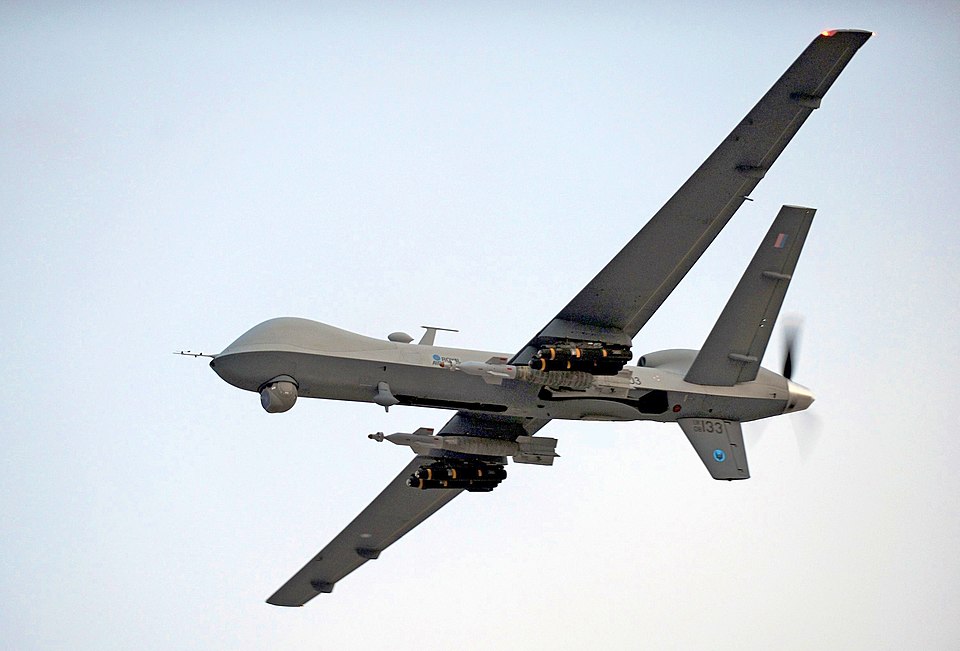
The move by the Army to SBS is in line with changes in the Short Range Reconnaissance Program that is planning to field small drones numbering in the tens of thousands which will be available for all units. It is an evolution of doctrine whereby there is a shift from ISR overwatch during Global War on Terror to tactical, unit-level ISR and light strike assets. The Guard through the training of instructors is thus moving ahead very fast with the transition from evaluation to operational deployment.
7. Enhancing Sensor-to-Shooter Timelines
The use of SBS drones by forward observers and squad leaders can bring about a very rapid sensor-to-shooter timeline. As demonstrated in multinational exercises, the direct access to aerial reconnaissance opens the door for expedited decisions on targeting thus, immediate action can be taken as the transmission of data through various channels is avoided. This integration leads to the achievement of lethality and steepening of responsiveness in the occasion of quick engagements.
8. Adapting to GPS-Denied Environments
GPS jamming and communication disruption are often features of modern battlefields. Black Hornet type SBS are constructed in a way that they can still perform efficiently in such scenarios by using optical navigation and encrypted data links. The ability of the platform to survive even in the most challenging of EM environments is what gives it the capability of mission continuity, a feature that is gaining more and more importance in peer-conflict scenarios.
9. Building a Foundation for Future UAS Integration
The Fort Indiantown Gap training goes beyond being just a skill course it serves as a foundation for the lowest tactical level that the future unmanned system integration will be at. By linking classroom instruction with the practical aspect of flight operations, the Guard is developing a cadre capable of teaching future soldiers about the use, limitations, and cases of SBS. The implementation of this approach upfront is a sure way of having the necessary flexibility, being able to make the right decisions, and taking action quickly in the future operations.
The Soldier Borne Sensor training of the Pennsylvania Guard is a clear indication of the shift which is happening in small-unit reconnaissance around the turning point of moving dependence from larger, centralized assets to giving squads the power to have their own aerial intel tools. The preparation of instructors before the formal adoption is a way to ensure that once the SBS platforms are inserted into the POI of the Army, the soldiers will be in a position to make the most of them. The training is putting the Guard in the vanguard of tactical drone use, which is a decisive factor for achieving success in the battlefield of the coming era where speed, adaptability, and survivability are what count most.


