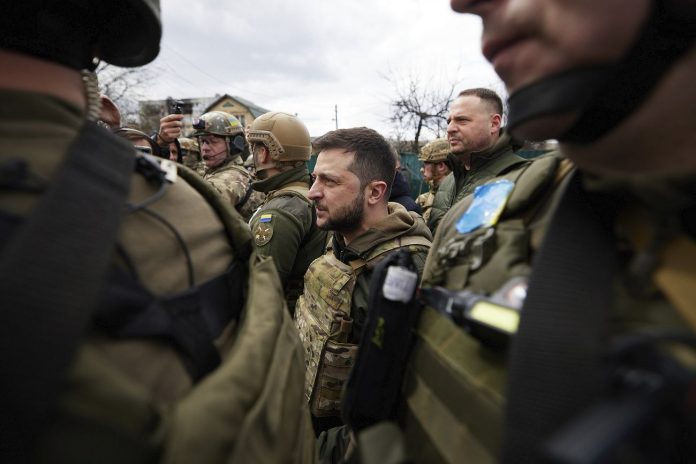
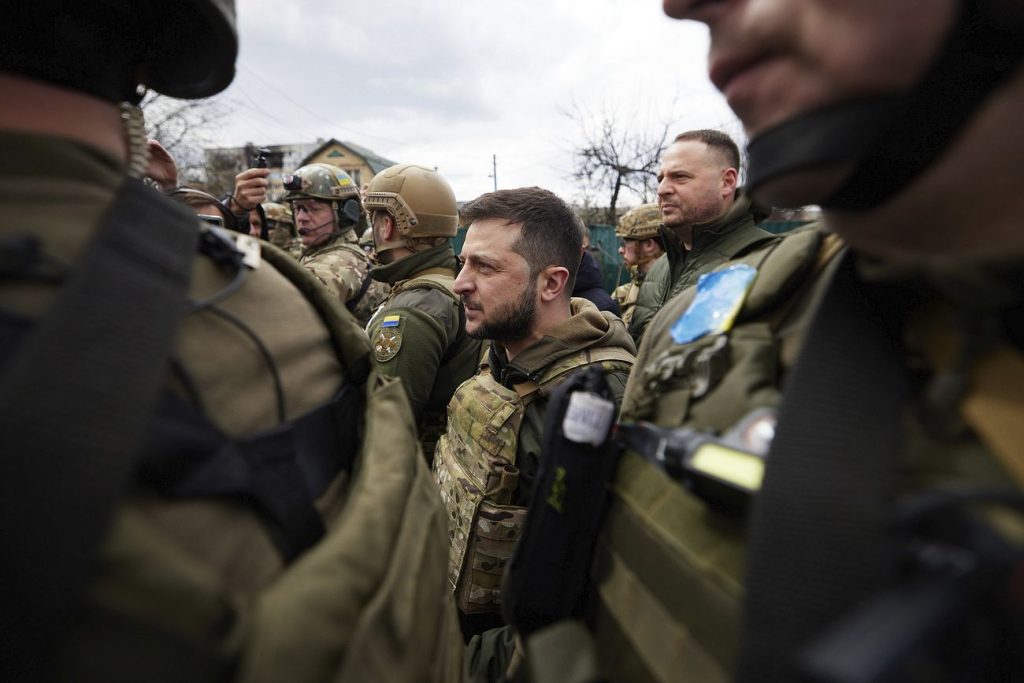
“The national security of the United Kingdom begins in Ukraine,” stated Prime Minister Rishi Sunak, and this is indicative of a very important point that the expenditure on the United Kingdom’s world-wide defense also impacts its internal security, which has been as evident as ever in the year 2025.
With the escalation of the Russian aerial strikes against cities, hospitals, and power plants in Ukraine, comes the British pledge of 600 million pounds publicly pledged to the provision of air-defense systems that shall amount to the highest annual spending on air defenses by the country at the onset of the conflict. This is not a missile agreement it’s a multi-layered system of defenses that includes automated gun towers, swarm defense drones, and guided missiles.
It was announced during the 32nd Ukraine Defence Contact Group, where, for the first time, Defence Secretary John Healey co-chaired alongside his German counterpart, Defence Secretary Boris Pistorius. Indeed, this particular strategy can be considered a representation of not only short-term thinking but also long-term thinking. Below are ten of the most essential projects that are defining Ukrainian air defence at this moment.
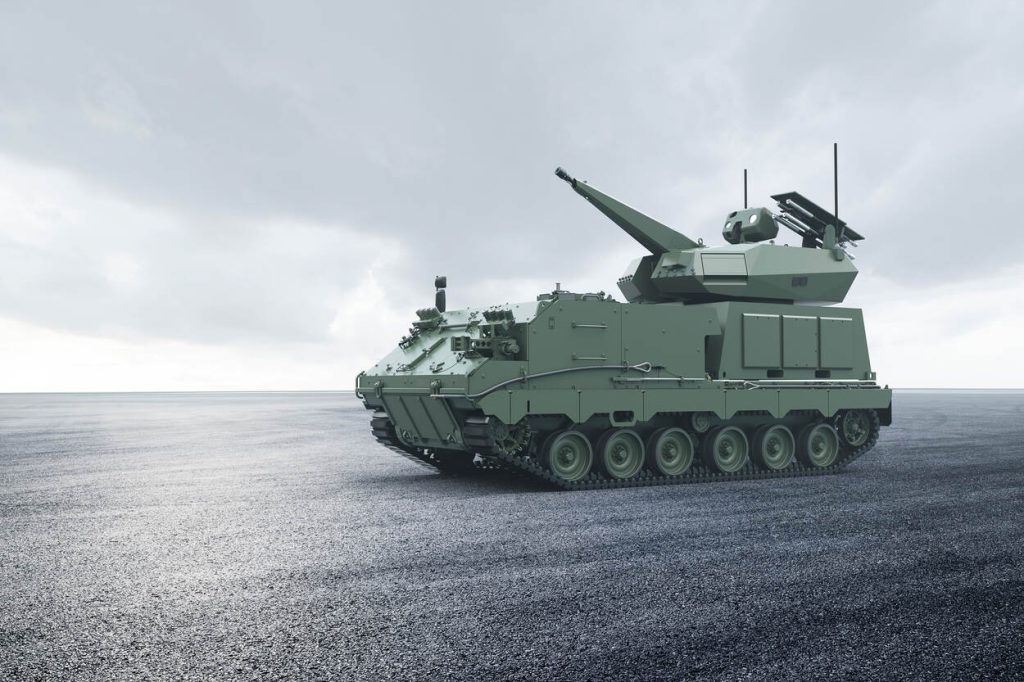
1. Drones vs Turrets Controlled from Afar
Over twenty anti-drone turrets, which were procured from Estonia, also expected to arrive by the end of 2026, are designed for long-distance control and also capable of destroying a high number of drone attacks of the type “Shahed” compared to the cost of using missile interceptors. The addition of these tools of force within the national defense system ensures that the swarm of drones is rapidly and abundantly engaged without exhausting the supply of “missile interceptors.” Their design capitalizes on a strong Estonian capability in unmanned systems and comprises a proven capability for off-road mobility and stable firing platforms which have been demonstrated through live fire demonstrations. A partially automated process for the mission of object detection and engagement has reduced reaction time for low-flying, high-speed objects.
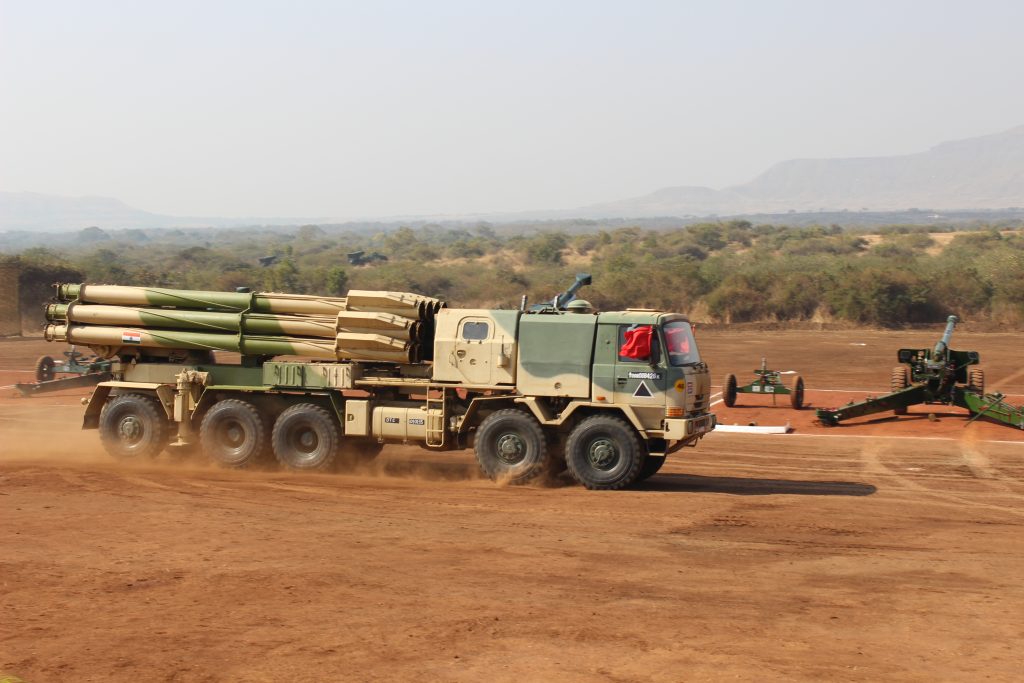
2. RAVEN Improvised Air-Defence Systems
RAVEN is an autonomous drone that can fire AIM-132 ASRAAM air-to-air missiles from ground-launch platforms. It began its delivery in 2023, but before that, it reached the success rate of 70% within no time, destroying more than 400 aerial targets. Five units have been handed over to Ukraine. Based on aircraft pylon technologies developed for Tornado, Jaguar, and Hawk aircraft, RAVEN offers a protective umbrella with rapid reaction to levels of threats at low altitude. The range of the Electro-optical detection component is unknown, yet intended to support target location in a short time, which becomes important while defending urban/critical infrastructure areas.
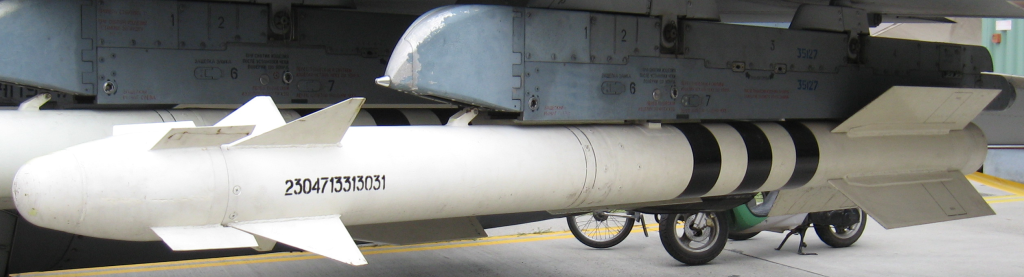
3. GRAVEHAWK Containerised Missile Systems
It houses two containers filled with GRAVEHAWK’s R-73 Short Range Air-Air missiles. The locations are stealth and mobile; hence, the sites are safe against missile attacks that can strike targets over long ranges. Two prototypes were handed over, and the expected delivery of 15 units in 2025 in serial production was to follow. Despite being a classified project, imagery available in the public domain confirms that the company has developed the compact modular system architecture, which would not have been a problem to scale up to meet the required quantity in the Ukrainian defense network.
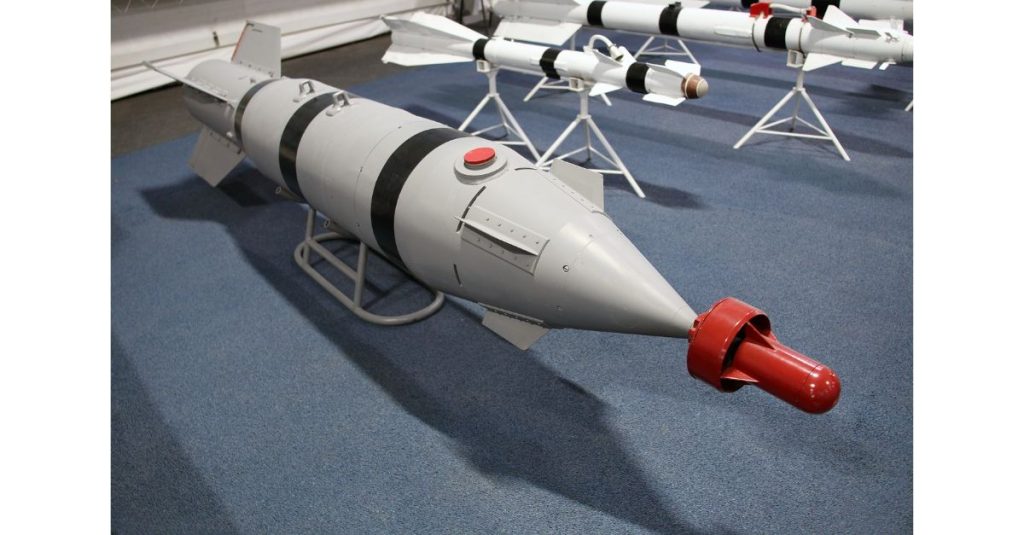
4. Lightweight Multirole Missile – Martlet
The final batch of Martlet missiles with a strength of 650 has been delivered in early autumn and is now performing its crucial task to repel drones and cruise missiles. Martlet, developed by Thales, has a payload of 13kg, Mach 1.5 speed, a maximum range of 8km, and is Laser Beam Riding Guidance. It is one of the most versatile missiles and has the capability to launch itself from man-carrying shoulder-launched missile systems, vehicle-launched turret missile systems, ships, and helicopters. This level of versatility ensures that Ukraine has the capability to launch various variants of the missile from the air, ground, and sea.
5. Project Octopus Interceptor Drones
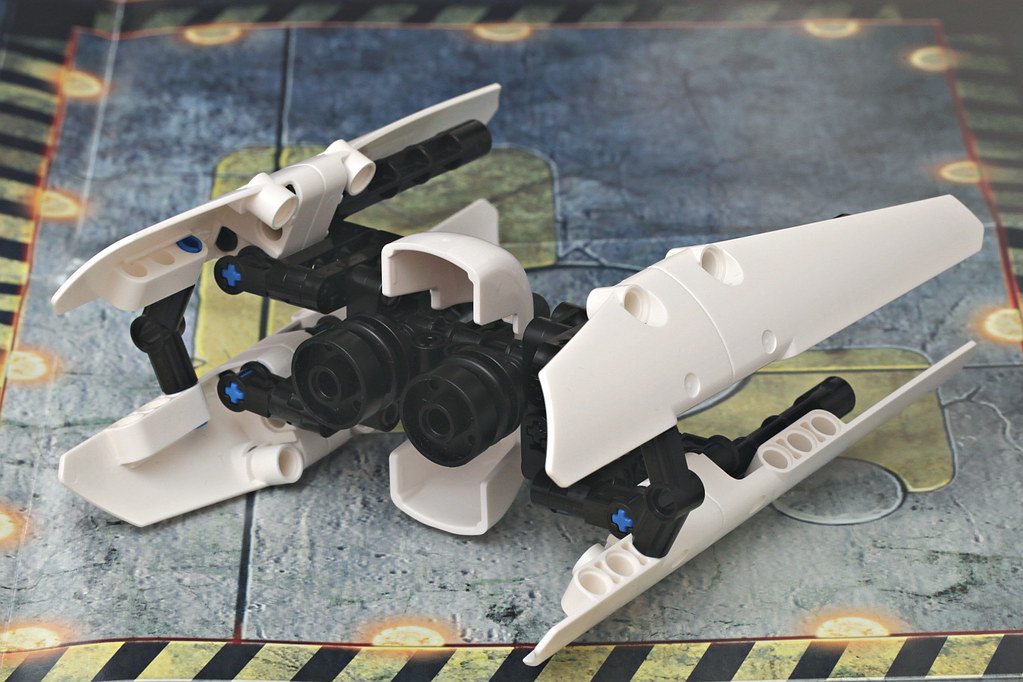
The production of the “Octopus” interceptor drone is to be mass-produced in Britain through the license agreement that has been initiated between the UK and Ukraine. These drones are set to provide a significantly cheaper system compared to the use of the missile interceptor and are well suited for attacking swarms of “Shahed” drones. Indeed, the use of the interceptor drone has played a significant role in the accomplishment of missions pertaining to urban defense, in the sense that it can survive in missions owing to its cost-effectiveness.
6. Milrem Robotics THeMIS Combat Platforms
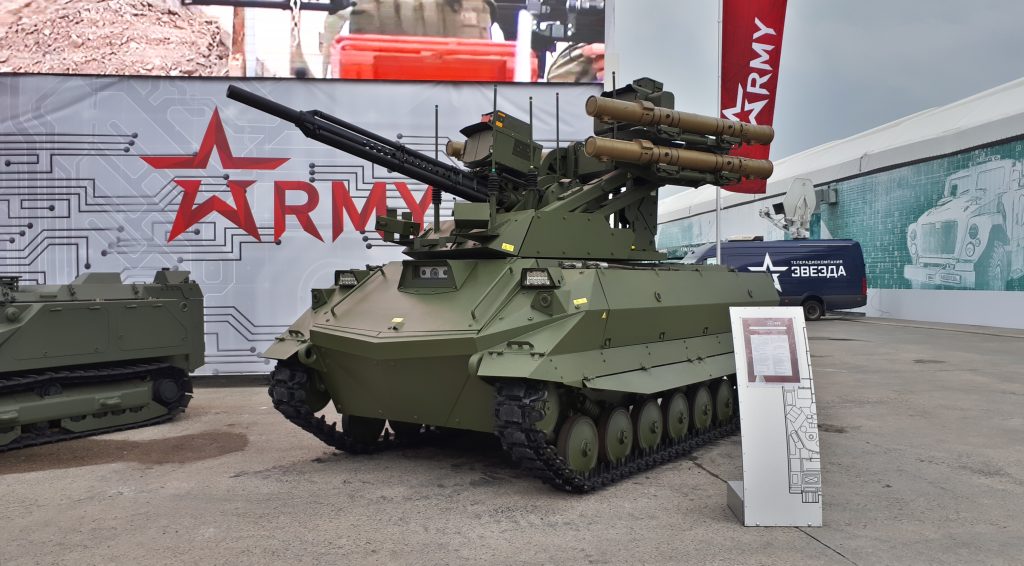
The Estonian company, Milrem Robotics, has provided over 150 THeMIS unmanned ground vehicles in a Dutch-led deal valued to be the largest in Europe following the invasion. The variants available can be equipped for logistical functions, reconnaissance, evacuating casualties, and combat support, and are able to carry weapon stations into combat areas while maintaining the safety of the troops. During the course of the integration process regarding the Buria grenade launcher turret, the targeting of the targets with high accuracy at ranges in excess of 1,100 meters was possible.
7. Naval Martlet Launchers
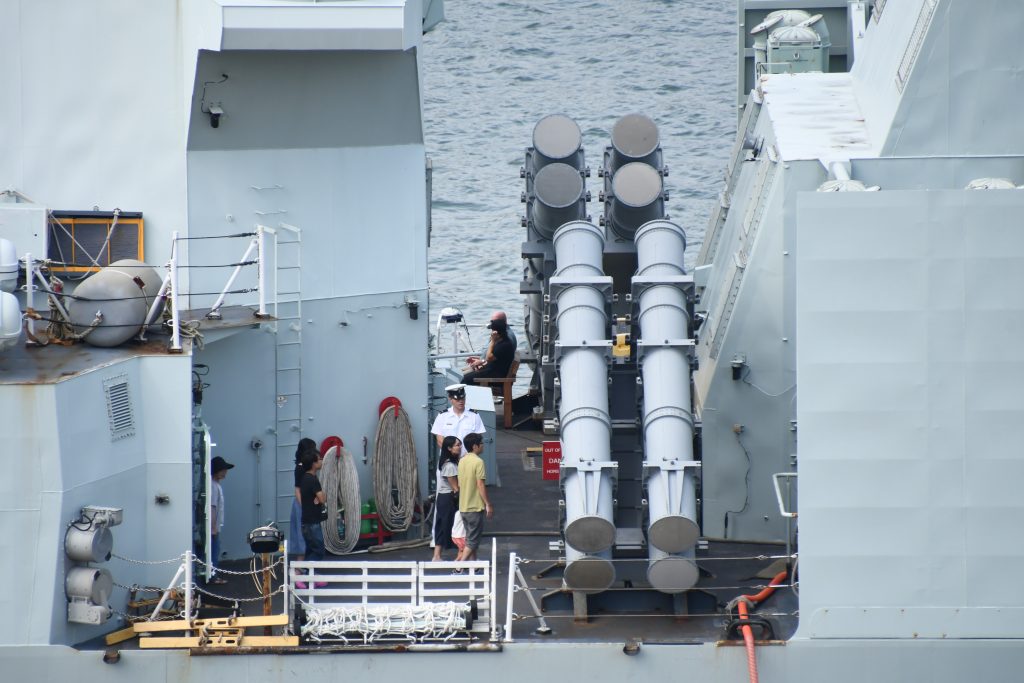
The Martlet is integrated with the SIGMA mount, which has been developed by MSI and is intended for use within the Royal Navy to assist with targeting engagements which lie beyond the range of the 30mm cannon for use within defense against fast attack boats and USVs. These would effectively enable the Ukrainian coast guards to combat challenges posed by constant Russian naval aggression, hence ensuring the expanded function of the ‘Martlet’ from being only a ground-launched air defense weapon to being littoral protection.
8. Free-Fall LMM Variants
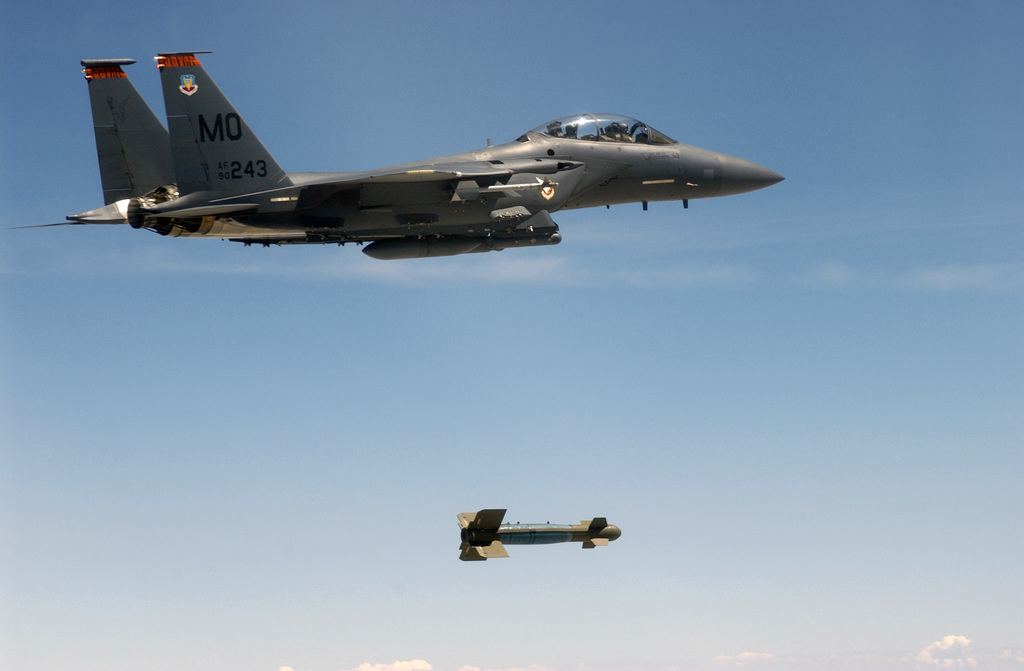
Free-Fall Thales has teamed with Textron on a free-falling variant of the LMM. This is a 6kg smart weapon that has a range of about 4-5 km and can be used for soft-skinned vehicles or mortar positions at ranges of 10,000 ft or at or from altitude. The effect would be that lightweight UAVs would have a role in carrying offensive payloads. This would allow Ukraine to attack targets that are available for a very short time without any recourse to a bigger strike platform.
9. Vehicle-Mounted LMM Systems
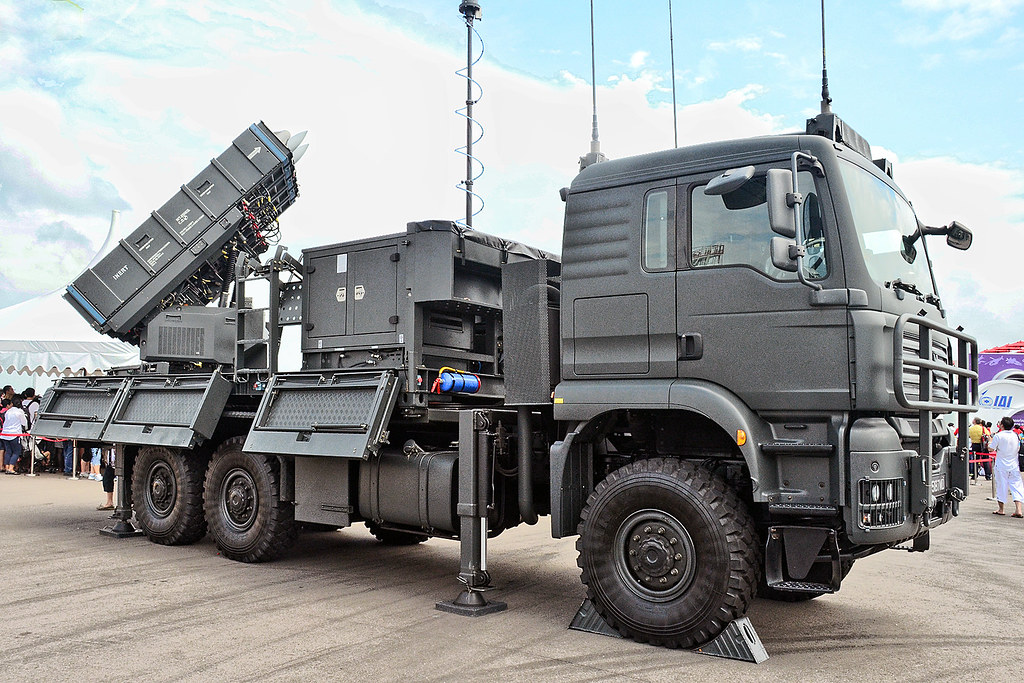
Vehicle-Mounted L This particular LMM has been quite successful on several platforms like the Stormer HVM or Rapid Ranger turrets. The LMM has further become a mobile and a short-range air defense system for drones or for helicopters. The missile would be quite compact in design. They can be mounted on a 4×4 vehicle. Though small in size, anti-armour missiles have less strength when considered in comparison with larger anti-armour missiles, but they come with accuracy and relatively less collateral damages, which comes in handy when fighting in urban areas, especially when faced with small but highly valuable targets.
10. Ammunition and Missile Stockpile Surge
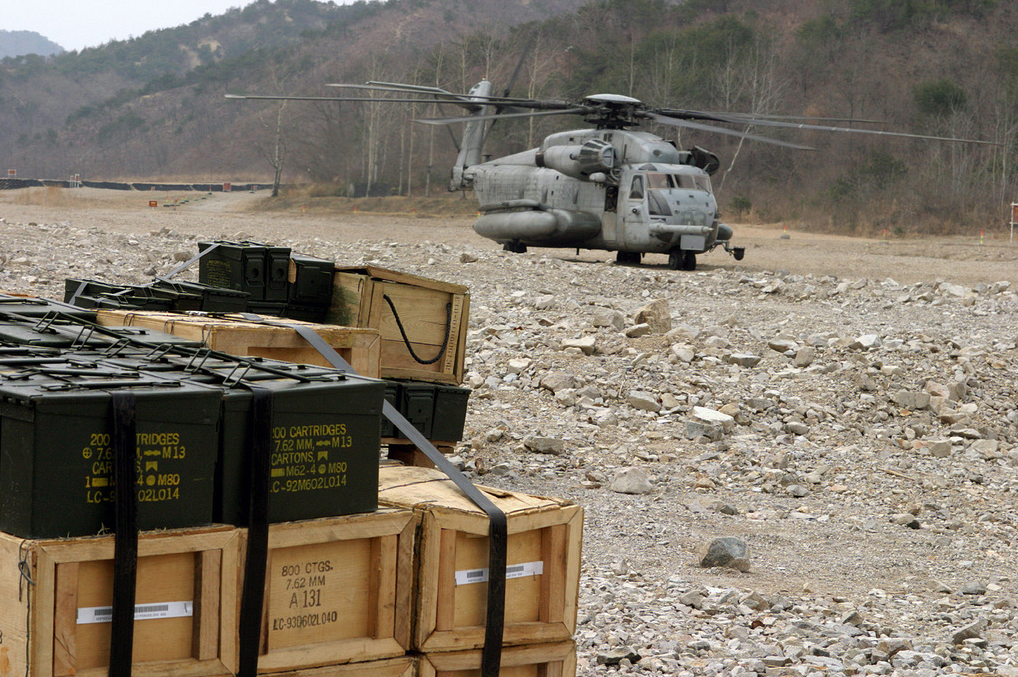
the UK has also delivered more than 1,000 air defense missiles and 250,000 rounds of ammunition in only the year 2025 alone. This level of agility will definitely help Ukraine maintain its top operational tempo, even during the winter, thus rejecting the Russian infrastructure degradation strategy. It is essential to stock these requirements because one way or the other, if artillery supply is not well taken care of during a long-term operation, a modern system will lose its importance. The present air defense system, which Britain has committed to deliver to Ukraine in the year 2025, has come with a holistic and multi-domain approach in effectively using Russian aerial threats.
Martlet anti-aircraft missiles, drone-intercept missiles with cost-effective technology, as well as automated turrets, have come with integrated systems in which instant battlefield results and long-term effectiveness come in handy, thus “translating to one clear message to the analyst: modern air defenses no longer rely on platforms alone, but on networked systems that can adapt themselves to the ever-changing nature of aerial threats, and it is exactly what Ukraine has come to in the present days.”


