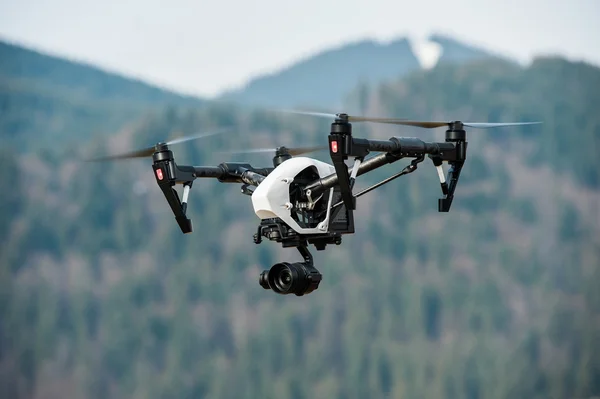
The conflict in Ukraine has become the most violent and intense testing ground for unmanned systems in the last 50 or so years of modern history. In this war, the battlefield which was once the main domain of tanks, artillery, and manned aircraft has now become overwhelmed with drones a relatively inexpensive, speedy, and lethal means of warfare that are able to traverse land, sea, and air. The change is not a gradual evolution but rather it is a rapid, race without any respite between one side’s innovation and the other’s countermeasure, thereby each advantage can disappear within a matter of weeks.
What initially was a make-shift solution to the problem of Russia’s firepower that was too much for Ukraine to handle, has evolved into a sophisticated ecosystem of mass production, AI integration, and doctrinal change. Ukraine’s defense industry, military leadership, and frontline units are now going beyond the limits of engineering to save human lives, extend their reach, and overwhelm enemy defenses. The ten breakthroughs enumerated below demonstrate how unmanned systems are redefining tactics, logistics, and even the psychology of war.
1. The Rise of First-Person-View (FPV) Drone Brigades
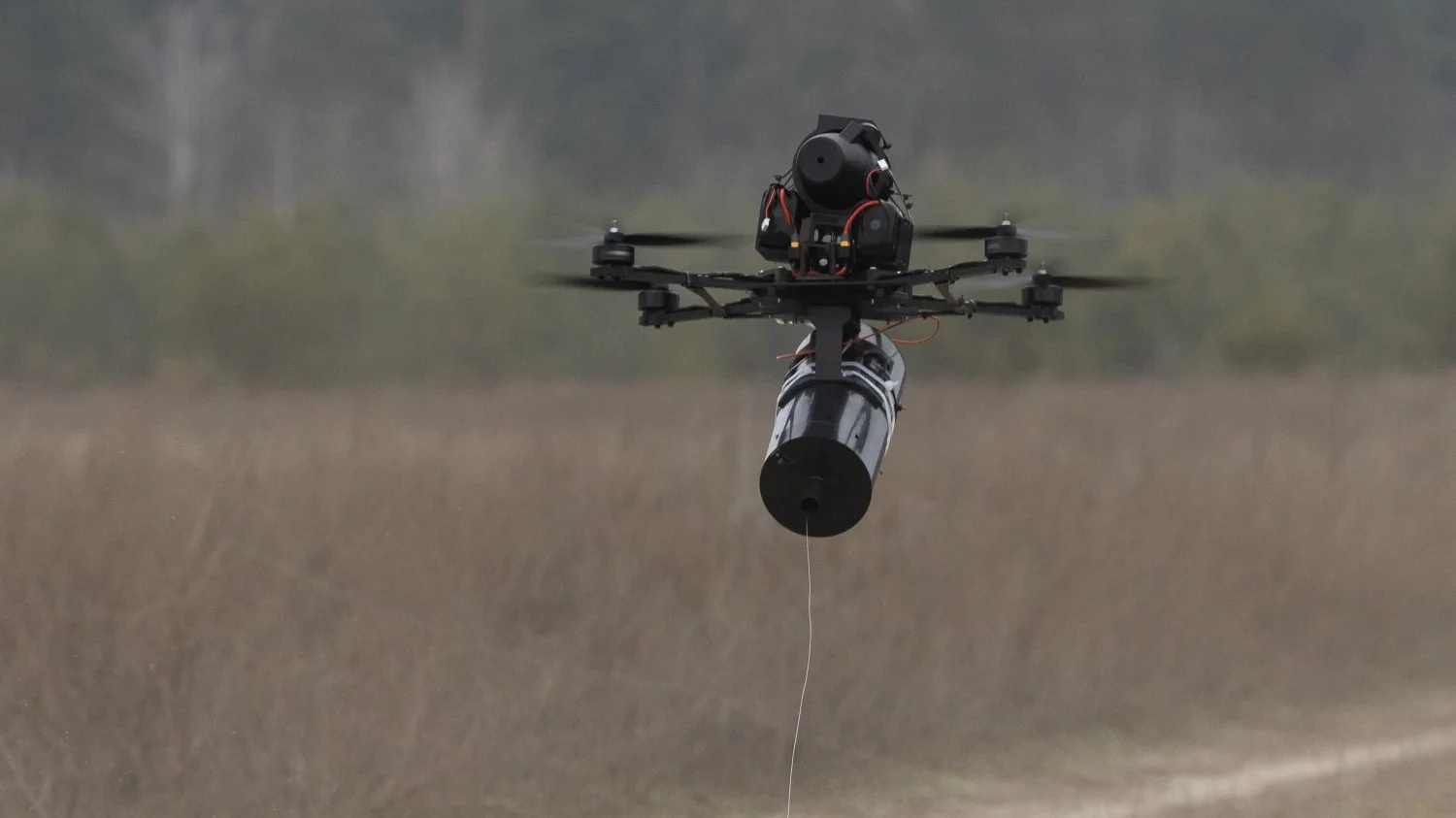
In 2025, Ukraine’s Armed Forces formalized what had been an ad hoc innovation: dedicated unmanned-systems assault companies and regiments. These units, part of the newly created Unmanned Systems Forces, deploy FPV drones as their primary strike asset. Operating in 10–15 km ‘kill zones,’ they have forced Russian heavy weapons to withdraw from the front. FPVs, once hobbyist quadcopters, now carry varied payloads grenades, anti-tank munitions, or cameras and are produced by the millions. Their low cost, typically $200–$1,000, allows mass deployment, but attrition remains high due to electronic warfare, with up to 75% neutralized before impact.
2. Ground Robots Transforming Logistics
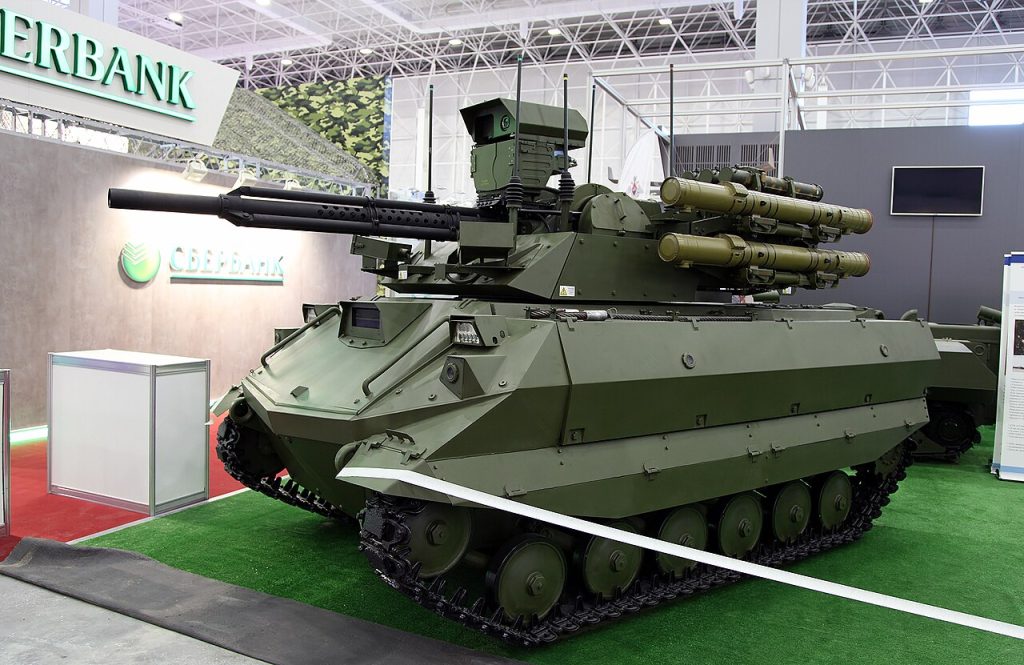
Unmanned ground vehicles (UGVs) are no longer just an idea; they have become essential tools. For example, in areas like Pokrovsk, drones are dangerous due to enemy fire, so resupplying by air is almost impossible. In such conditions, tracked and wheeled robots are responsible for 90% of the frontline supply deliveries. One of the devices, like the $12,000 Termit, can carry 300 kg over 12 miles, rescue people who are injured and cannot move, and also transport drones to their operators. Because of their small size, they are less likely to be detected than drones, and the fact that they can be operated from a distance ensures that the crew is not in the line of fire. Although the majority of UGVs are intended for logistical purposes, some have been equipped with grenade launchers, which suggest that these machines might be used for combat in the future.
3. AI-Enabled Target Guidance
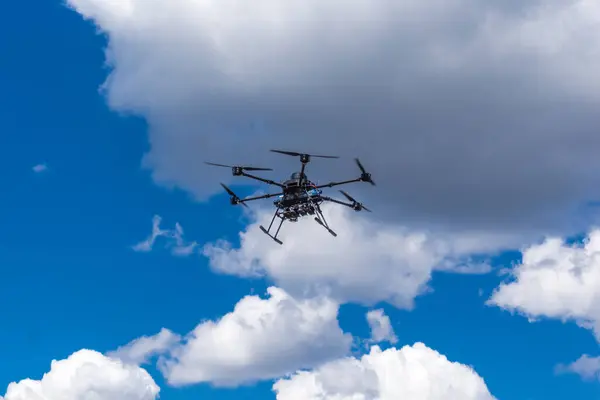
Ukrainian developers are integrating computer vision modules into FPV drones, enabling autonomous navigation and target recognition. This allows drones to lock onto vehicles or positions and complete strikes even if control signals are jammed. While current systems cannot reliably hit precise weak points, they have improved strike success rates to around 70%. Thousands of AI guidance kits are being fielded, and swarm concepts where drones coordinate without human input are under active testing.
4. Fiber-Optic Drones: Beating Electronic Warfare
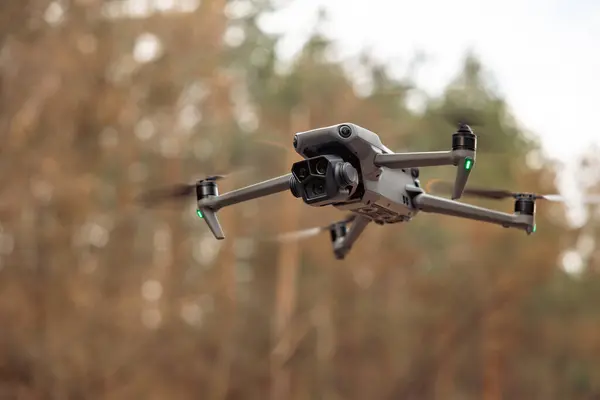
Russia’s mass deployment of fiber-optic drones in 2024 gave it a temporary edge, particularly in Kursk and Donetsk. These systems tether the drone to the operator via ultra-thin cable, making them immune to jamming and radio-horizon loss. Ukraine began fielding its own in mid-2025, aided by tax exemptions on cable imports. Despite lower payloads and maneuverability, their secure, high-quality video feed allows penetration into bunkers and urban interiors, creating new tactical options.
5. Naval Drones Push the Black Sea Fleet Back
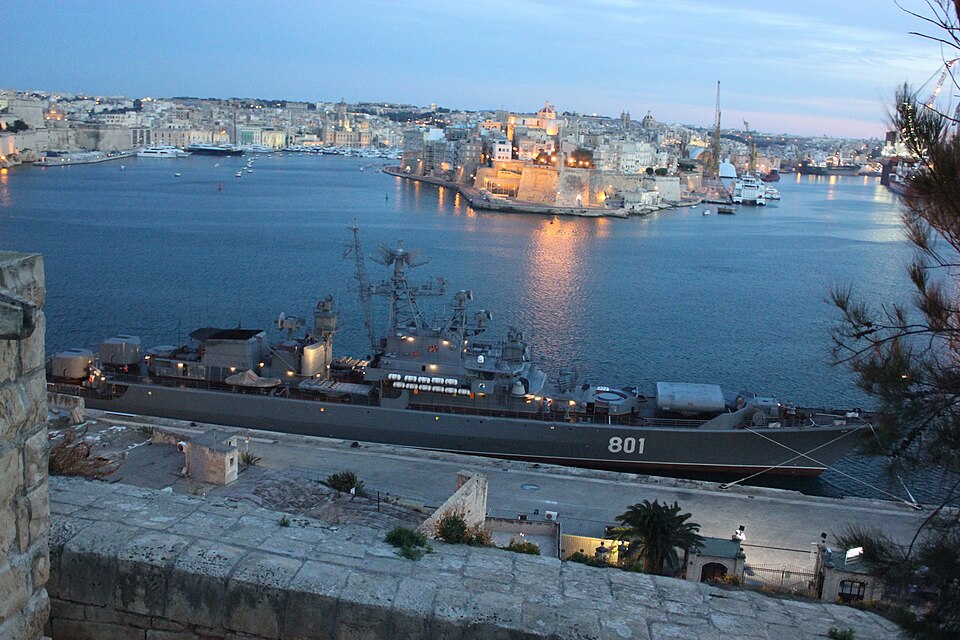
With its conventional navy destroyed in 2022, Ukraine turned to kamikaze and missile-equipped naval drones. Platforms like Magura 5 and Magura 7, guided via Starlink, have sunk or damaged over 20 Russian vessels, forcing the Black Sea Fleet to retreat from western waters. These systems, evolved from commercial speedboats, now carry anti-ship missiles or heavy guns, and can operate hundreds of kilometers from shore.
6. The ‘Mothership’ Drone Concept
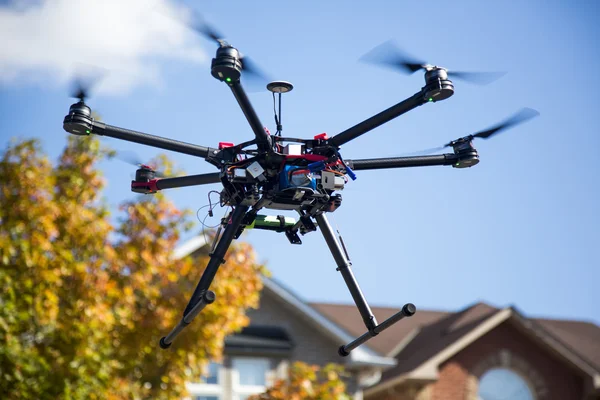
Ukrainian engineers have developed fixed-wing ‘mother drones’ capable of carrying and releasing up to six FPV drones over enemy positions. Acting as both delivery vehicle and signal relay, they extend the operational range of FPVs and enable coordinated multi-angle attacks. This approach mirrors manned bomber tactics but at a fraction of the cost and risk.
7. Psychological Operations via Audio Drones
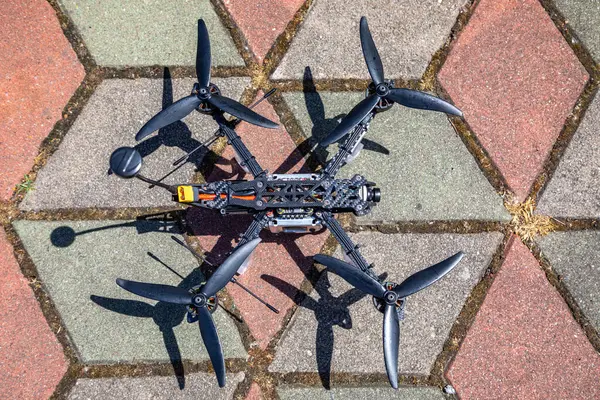
Frontline troops have converted drones to be used in trickery and mental warfare. Drones with speakers play the sounds of heavily armored vehicles coming or a call for help in Russian, thus enemy forces in the area react by firing munitions or opening their positions. This method takes advantage of the fact that the Russian strike drones are of single-use type after they are fired, they cannot be retrieved thereby compelling Russian units to disclose their locations for the next round of artillery or drone attacks.
8. Industrial-Scale Drone Production
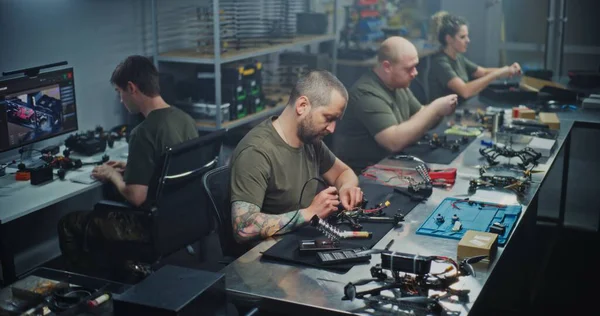
Ukraine’s drone output is projected to exceed 4.5 million units in 2025, supported by ₴775 billion ($18.5 billion) in state procurement and a vibrant startup sector. While decentralization allowed rapid innovation early in the war, it created fragmentation over 250 UAV models in service. Platforms like DOT-Chain Defence now centralize orders from brigades, enabling scale while preserving responsiveness. However, dependence on Chinese components, especially for lightweight drones, remains a strategic vulnerability.
9. Counter-Drone Innovations
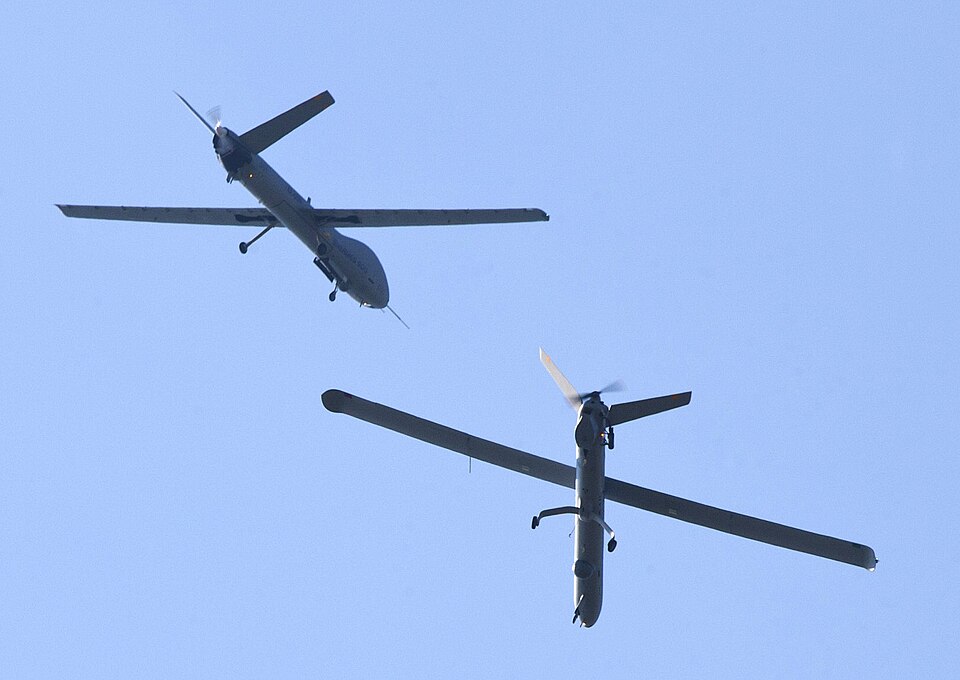
Both sides have invested heavily in interceptors and jamming systems. Ukraine’s Arbalet interceptor, a $500 delta-wing drone, can reach 110 mph to destroy Russian reconnaissance UAVs. Specialist units achieve up to 70% jamming success rates, temporarily ‘closing the sky’ in their sectors. Russia’s destruction of jamming gear underscores the constant offense-defense cycle, where every advantage is fleeting.
10. Training the Drone Force
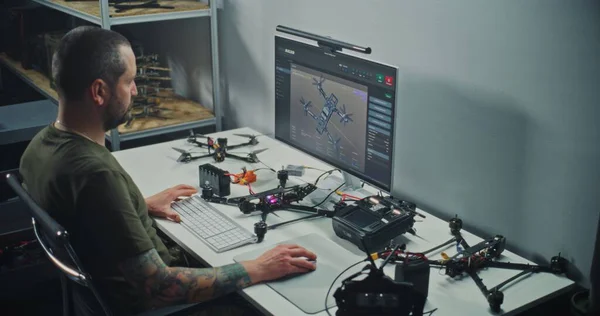
Facilities like the 3rd Assault Brigade’s ‘Killhouse Academy’ train operators on FPV piloting, UGV navigation, and mine-clearing robots using simulation and obstacle courses. With operator shortages a critical bottleneck, training cycles of 3–4 weeks are supplemented by ongoing education to keep pace with rapid software and hardware updates. This human capital is as decisive as the drones themselves, ensuring adaptability in a battlefield where technology changes monthly.
The drone war of Ukraine in 2025 is not only a change in technology but also a change in military doctrine. The use of unmanned systems has expanded to logistics, strike, reconnaissance, and psychological operations, but they still have not replaced the use of artillery, infantry, or control of the territory. What decides the outcome is the ability to adapt: the quickness with which innovations are taken from the idea to the fight, and the stamina of the operators and the industry to keep up with that cycle. For defense analysts, the lesson is unmistakable wars of the future will not be decided by single breakthroughs, but by the continuous combination of mass, technology, and human skill into one warfighting system.


