
“It looks and acts like a comet, and all the signs are that it is a comet. But this one originated outside our Solar System, which makes it very interesting, exciting, and scientifically significant,” said NASA Associate Administrator Amit Kshatriya during a press conference in November. On December 19th of 2025, the interstellar comet 3I/ATLAS will pass by Earth at its closest approach, a remarkable event offering a unique opportunity for scientists as well as sky enthusiasts in the state of Arizona to study the approach of a comet from another solar system. At a distance of 170 million miles, it will be twice the Earth-Sun distance but still close enough to collect data.
1. Origins and Discovery
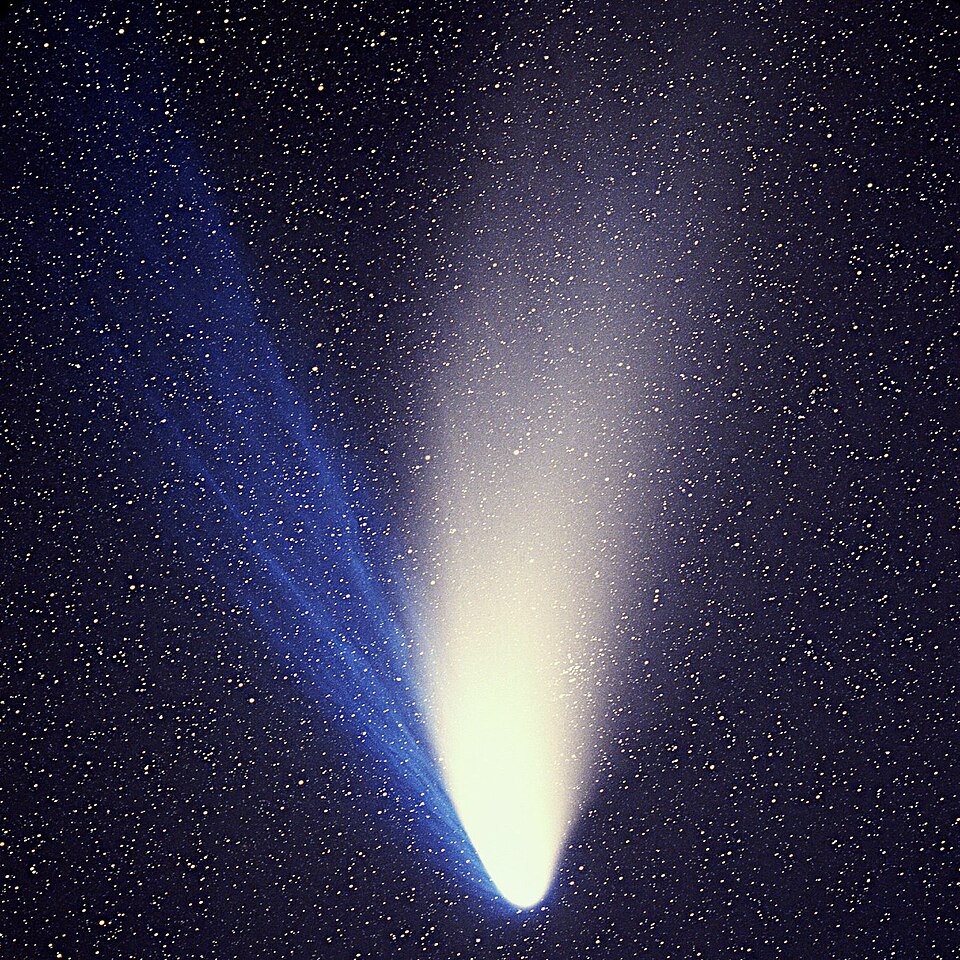
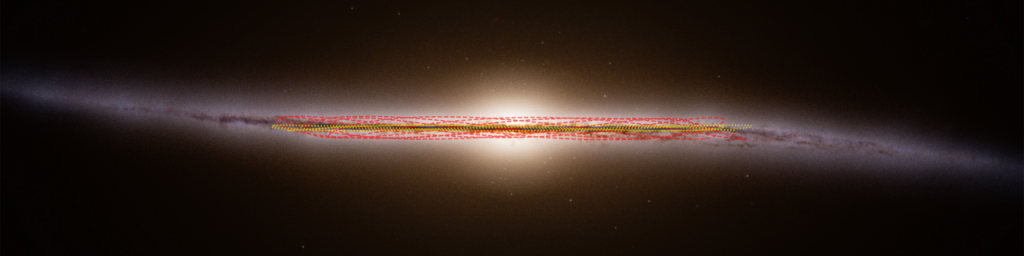
3I/ATLAS was discovered for the first time on July 1st, 2025, by the Asteroid Terrestrial-impact Last Alert System (ATLAS) survey telescope in Río Hurtado, Chile. Funded by NASA’s Planetary Defense Coordination Office (PDCO), this telescope scans the night sky in search of asteroids approaching close to Earth. At first thought to be an ordinary Near-Earth Object (NEO), follow-up observations determined the highly elliptical path of the body to be U-shaped: it will never come backthe comet comes from another star system. Comets are believed to originate from other star systems in a distant galaxy. It orbits our galaxy, the Milky Way, coming from the region of Sagittarius.
2. Physical Features
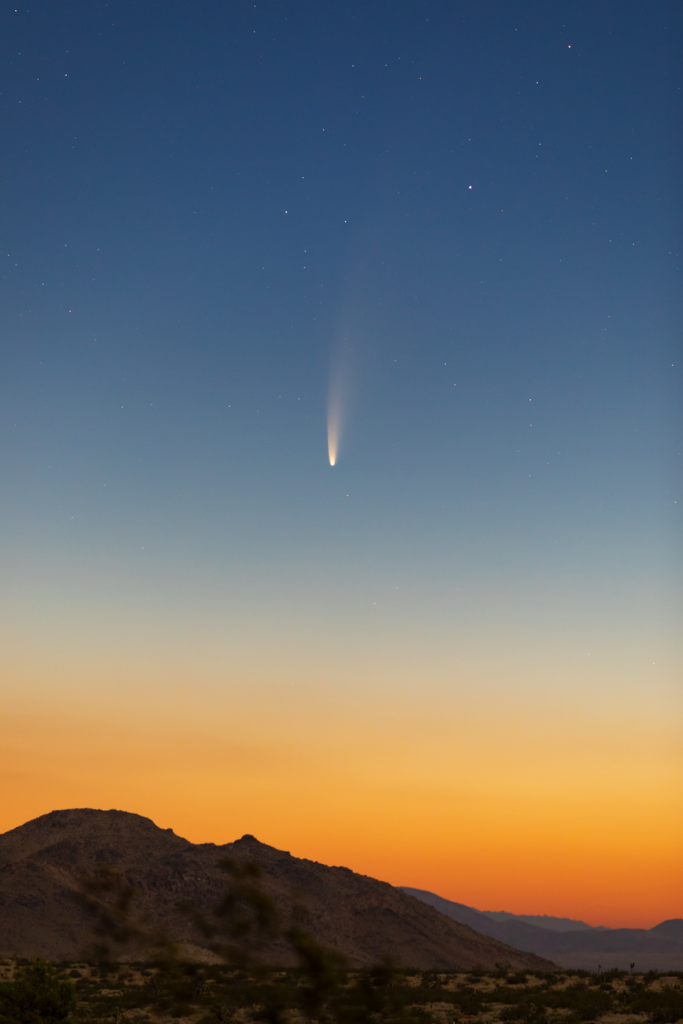
The icy nucleus itself is estimated by the data available from the Hubble observations to be anywhere between 1,400 feet and 3.5 miles wide, and it might be bigger than the other interstellar objects which passed by Earth before, named 1I/ʼOumuamua and 2I/Borisov. The comet moves at an incredible rate of 137,000 miles per hour, enabling it to move between the Earth and the other planets in a matter of days. The comet’s materials present several anomalous compositions, such as carbon dioxide, hydrogen cyanide, methanol, nickel, and iron.
3. Unusual Behavior and Color Changes
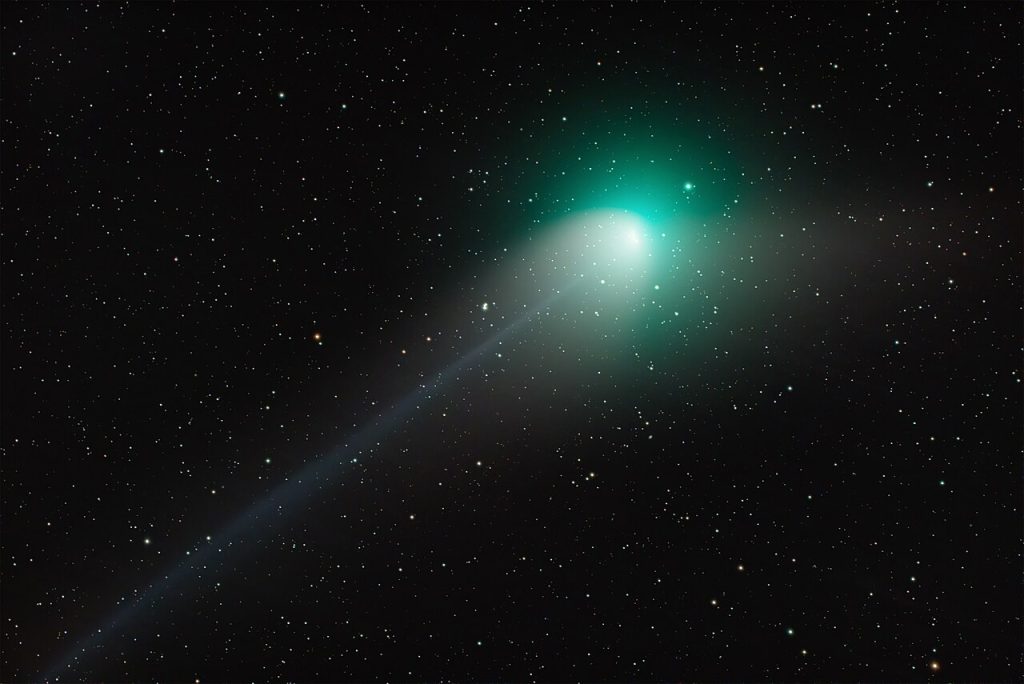
“In early observations with Gemini South in August, it was found to have a reddish appearance, characteristic of organic tholins on its surface. Since perihelion on October 29, when it was at its closest approach to the Sun, Gemini North observations revealed a strong greenish brightness patch due to the presence of diatomic carbon (C2) in the coma. This type of delayed C2 production in comets has never been observed before and suggests that solar heating is triggering new chemistry in the nucleus. Soft X-rays produced by interactions of solar wind with the coma’s gas were also measured with ESA’s XMM-Newton satellite.”
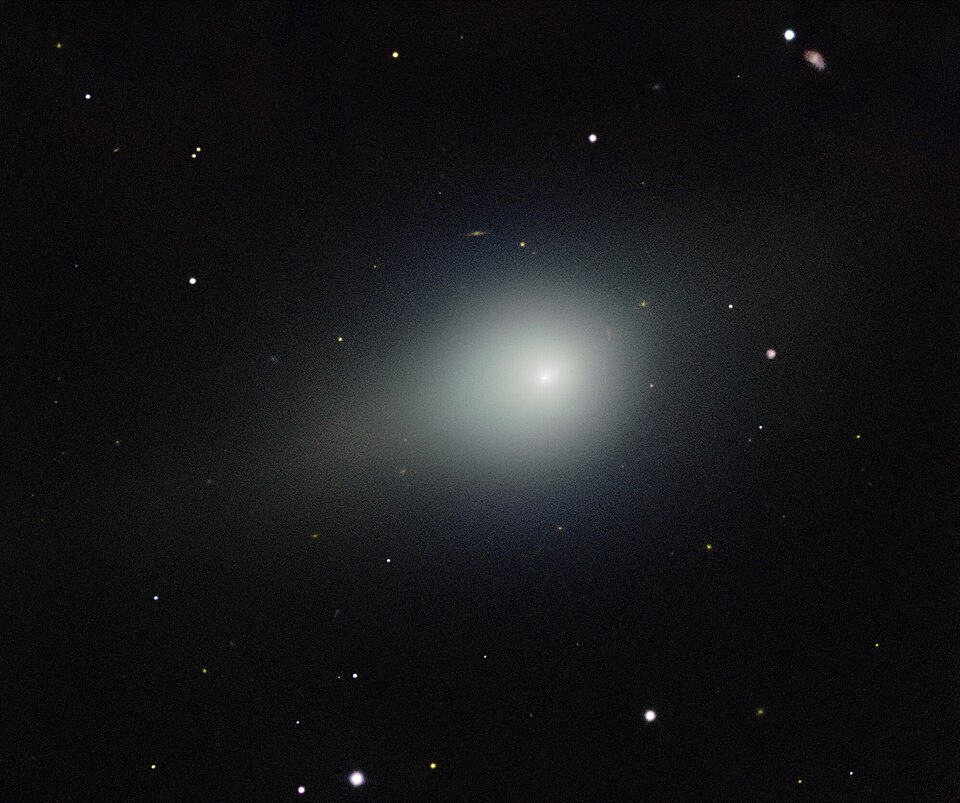
4. Observation Campaigns
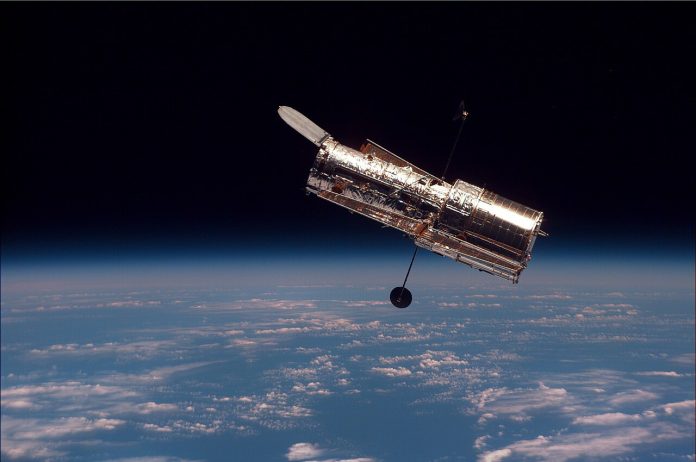
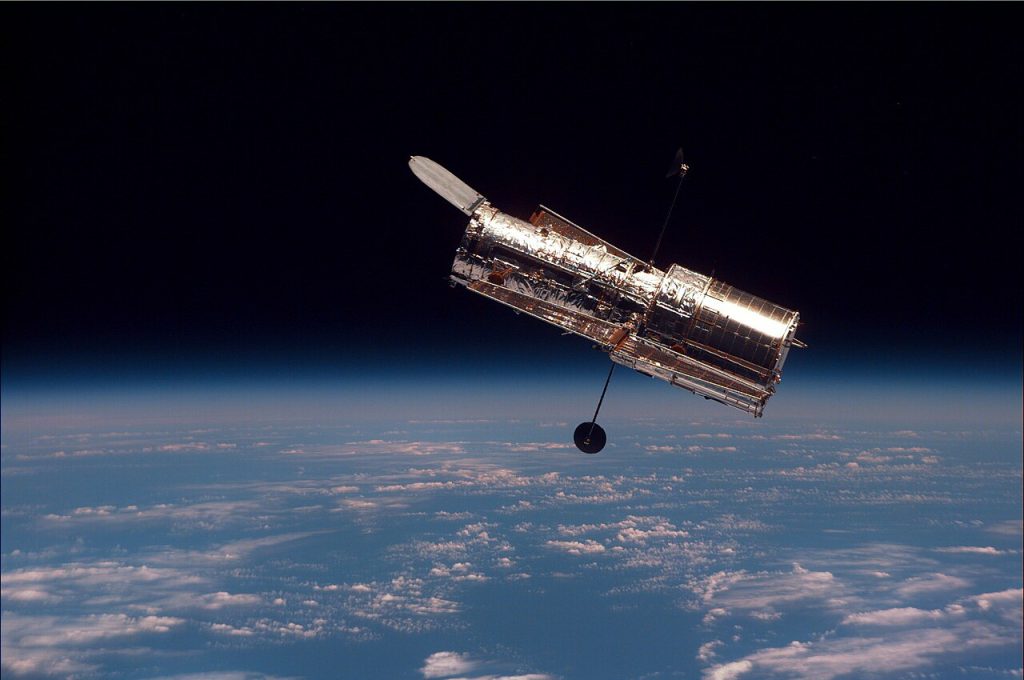
The Hubble and James Webb space telescopes have been following the comet 3I/ATLAS from the time of its discovery, with pictures taken by the Hubble space telescope on November 30 displaying the comet with streaked star backgrounds because of the comet’s rapid movement. The Jupiter Icy Moons Explorer spacecraft belonging to the European Space Agency made a close approach at a distance of 41 million miles with partial views from the spacecraft’s navigation cameras showing two separate tails formed from ionized gas and a dust tail. The latest approaches by ground stations from the International Asteroid Warning Network are testing a novel tracking system to aid future space missions.
5. Watching from Arizona
Though invisible to the naked eye, 3I/ATLAS can be viewed with meager apertures of 15 cm using telescope observations as just a cloud, and much more clearly with apertures of 30 cm and above. Cameras attached to telescopes work much better compared to the human eye when observing 3I/ATLAS even under moderate light pollution. In the Arizona morning sky, Regulus, located in the constellation Leo, will indicate the direction to the comet, slightly below which the comet will be located. Computer planet software such as Stellarium or KStars will outline the precise location.
6. Optimal Conditions
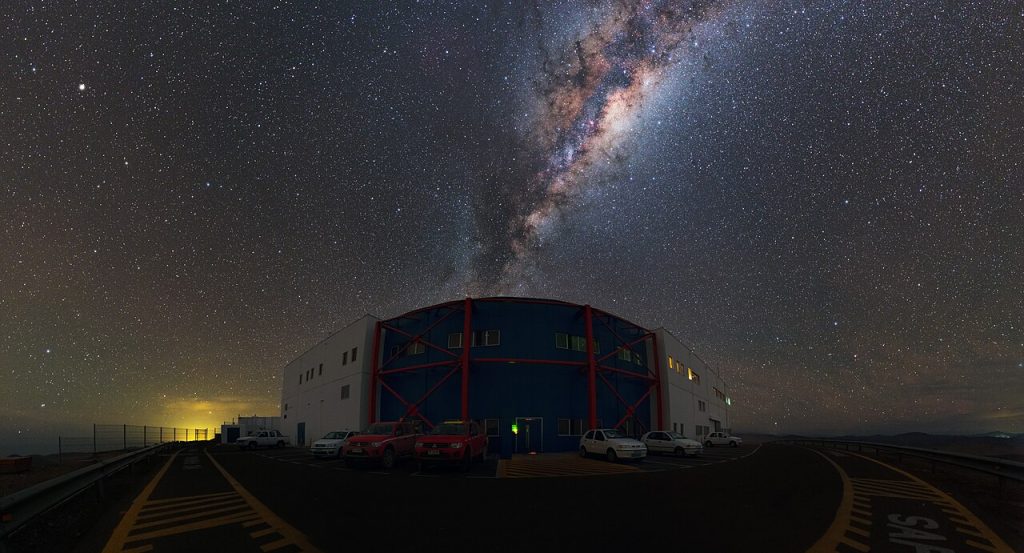
To better view the comet, head out to dark areas, including those that are run in tandem with the National Park Service or to a remote elevated region with arid conditions. Cloudy areas should be avoided, and weather conditions should be reviewed before traveling. Even a pair of binoculars will suffice to spot the comet as a faint, blurry object.
7. Public Engagement and Live Streaming
But individuals who cannot personally observe the event can tune to the Virtual Telescope Project broadcast that will start at 11 p.m. EST on December 18. The program will provide real-time pictures provided by robotic telescopes located in Italy that will continue until the comet’s nearest point at 1 a.m. EST on December 19.
8. Scientific Significance
3I/ATLAS is more than a spectacle; it is instead a research study into the chemicals and physical aspects of interstellar space. “3I/ATLAS is giving us a new window to put our solar system into its cosmic context this Christmas,” as Michigan State University’s Darryl Seligman pointed out.
3I/ATLAS’s composition defies current theories about comet formation and indicates either that this occurs well beyond the star’s solar system or comet formation occurs in our solar system and are then thrown out of the solar system eons ago. Passing Earth, 3I/ATLAS will go on, passing beyond Jupiter’s orbit in March 2026, Saturn’s orbit in July, Uranus’ in June 2027, and Neptune’s orbit in 2028, only to disappear into the interstellar space. For those who find themselves in Arizona, witnessing its transit marks a last opportunity to see it, a moment when science and sky-watching meet on a scale that is simply cosmic.


