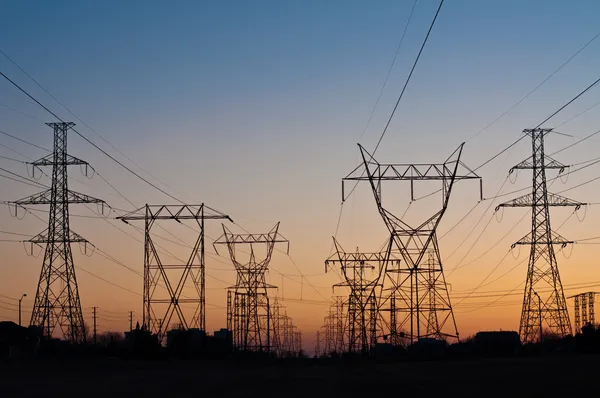
“What is the implication of a one-time great energy power resorting to selling its oil at garage sale prices to its neighbor? The economic turn of Russia during its war effort in China is more than a mere question of economic survival. Since the invasion of Ukraine in 2022, Moscow is stuck in a precarious path between being economically dependent on its one hope, China, in a manner that is illustrative of its new weakness.”
The Western sanctions have cut off Russian access to advanced technology, funding, and major markets, and the Beijing regime is taking up the slack. This creates a very asymmetric relationship, which is a mutually satisfactory arrangement in the shorter term but highly imbalanced from a strategic perspective over the long term. This listicle breaks down the key aspects of this rapidly developing relationship from the discount on oil to the powerful yuan.

1. Oil Discounts Cement China’s Leverage
The appetite for Russian crude has risen sharply in China, especially now that European importers have pulled out, but Beijing insists that Moscow shave off the prices drastically. At the end of December 2025, a record low price of Russia’s ESPO crude price stood at around $5 to $6 below the ICE Brent price at the Chinese ports, compared to a net price reduction of $0.50 to $1 earlier at the end of October 2025, largely because of reduced demand along with the American sanctions on Rosneft and Lukoil. For Moscow, these conditions cannot be avoided. The fact that petroleum and gas generate a substantial portion of Russia’s budgetary receipts still remains a key area, where China’s importance as a major petroleum importer cannot be overemphasized. However, since a mere one-fifth of Chinese imports come from Russia, it is evident that dependence is limited for the latter, while that on the former continues to increase.
2. High-Value Exporter to Material Supplier
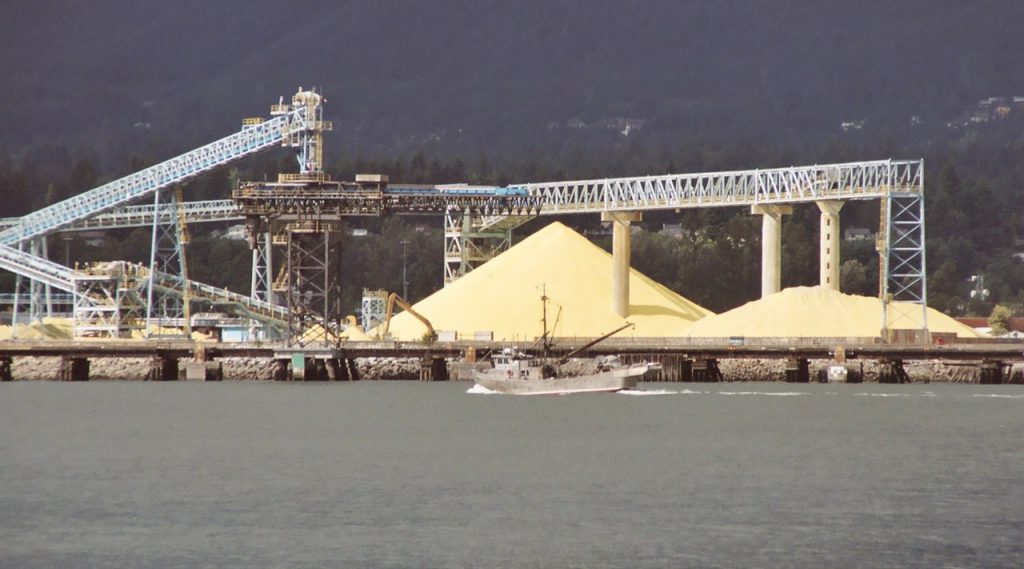
The 2000s saw exports of more advanced products to China, and now there is a reversal in this trend, withRussia shipping crude oil, gas, coal, and other raw materials to China and importing machinery, cars, and high-tech products. Researchers Elina Ribakova and Lucas Risinger describe this state of affairs as “a complete and embarrassing reversal.” This trade asymmetry is only an indicator of the structural imbalance that exists between the trade and technological capabilities of the countries involved. Russia’s industrial capacity has been degraded because of sanctions that force the country to depend on China for even basic parts. “The Kremlin’s import substitution initiatives have had limited success in compensating for the loss of Western technology and remain dependent on Chinese suppliers.”
3. Dual-Use Goods and Sanctions Evasion
China plays an integral part in Russia’s purchases of dual-use products, which refer to the “civilian products that have potential military applications and could play an important role in a military system.” These dual-use products Russia sources from China include CNC machines and ball bearings. The share of Russia’s Common High Priority List imports carried out by a Chinese firm by the year 2023 was at 49%, and an overwhelming percentage of 90% was done through a European Union-originated products frequently enter Russian territory through rerouting via China, with a large 80% of export controls circumvented through either China and Hong Kong. The readiness of the People’s Republic of China to shift exports based on strong secondary sanctions shows a pragmatic approach, with support for Russia only feasible when it is pain-free.
4. Automotive Market Takeover
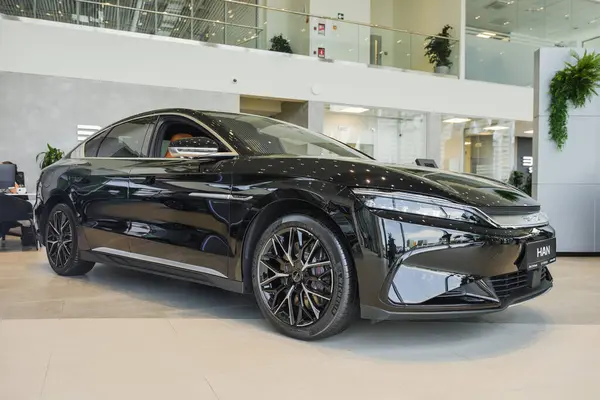
The departure of European automaker brands from the Russia market created a gap in the market, which the Chinese automakers readily filled. Market share expanded from less than 10% in 2021 to over 60% in 2023. In 2024, Chinese automaker brands contributed 90% of the revenue of the Russian automotive industry. Import duties are also raised by Russia to slow down acquisition to some extent, but to a limited effect. Because China’s automotive industry faces an overcapacity problem, it sees a huge competition-free market in Russia. This is among a few industries whose exports are visibly driven by Russian market demand.
5. Yuan Dominance in Bilateral Trade
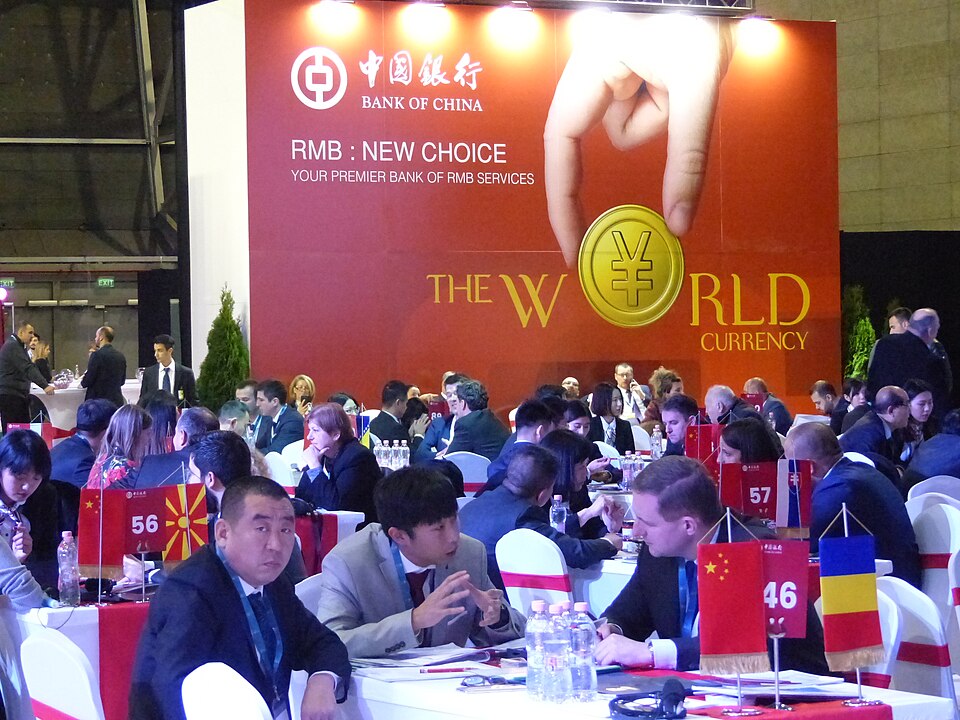
Most of the trade between Russia and China is now settled in Chinese yuan. This is part of de-dollarization in Russia. Towards the end of 2023, almost a third of Russia’s international trade was being carried out in yuan, while in mid-2024, almost 99.8% of business on the Moscow Stock Exchange was carried out in yuan due to sanctions from the U.S. government. China’s Cross-Border Interbank Payment System and UnionPay cards have displaced Western payment rails, and the yuan has thus been integrated into the Russian economy. However, this process has been one-way, with Russia now being the fourth largest center in the world for trading in yuan, and China’s exposure to rubles remains zero.

6. Chinese Investment Levels Are Minimal
Even in the face of a trade surplus, direct investment of the Chinese into Russia has plummeted since 2022. Large-scale initiatives such as the 500 million-dollar investment by China’s Sinopec in a gas processing plant are halted due to sanctions. China’s direct outbound investment into Russia currently encompasses just 1% of the total. This puts the growth prospects of the Russian economy in a tough spot because the country has outdated technology in major sectors. China wants to export consumer goods rather than invest in the Russian production facilities.
7. Energy Infrastructure Bargaining
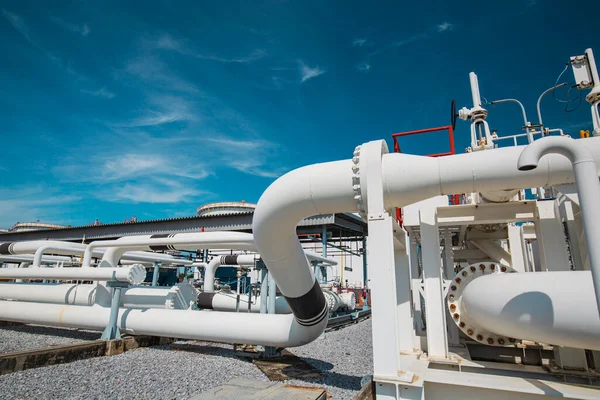
China’s influence reaches into pipeline politics as well. The much-talked-about construction of the Power of Siberia 2 gas pipeline is stuck as no final pricing agreement has been reached. Although an agreement on tripling gas exports was reached between the two sides, much of this can be achieved by the Chinese through the current capacity expansion plans. This strategy is a result of China’s diversification of energy resources and reluctance to commit too much at one time. However, the standstill for Russia translates into lost opportunities to diversify by securing long-term financial gains through the development of energy resources.
8. Military-Industrial Supply Chains
Chinese parts play a crucial role in supporting the Russian military sector. As far as weapons exports go, Beijing has always shown reluctance, though it delivers important technological products such as micro-electronics and machine tools that form a major part of military production. In 2023, micro-electronics imports to Russia were 90% Chinese. This support improves President Putin’s war-fighting capabilities, which in turn improves Chinese military industrial capacity, forming a virtuous cycle that benefits both, though one that allows China to clearly outmaneuver.

9. Asymmetry in Strategic Flexibility
Trade statistics expose the vast disparity in the two countries’ reliance on each other for importation of different commodities and how China offers Russia the opportunity to reconfigure their relationship with little economic cost in the form of import losses. China sources less than 0.1% of its import commodities from Russia. But for Moscow, there is no flexibility here. Without access to Western markets, any degree of withdrawal, including partial, by China would prove to be devastating to the economy. It is this gap of dependence that is the essence of Russia’s junior partner role in the so-called partnership of “no limits.”
“Russia’s wartime economic turn to China has sustained it in sanctions, though at the expense of strategic freedom. The asymmetry in this relationship, apparent in trade volumes, use of currencies, and investment trends, has ensured that Beijing’s position in the relationship will remain firm. The message to policymakers following this relationship seems to be clear: Beijing’s support is far from unconditional and can be made to feel economic pressure.” Again, options for Russia shrink, entrenching it in a position it previously aimed to avoid.”


