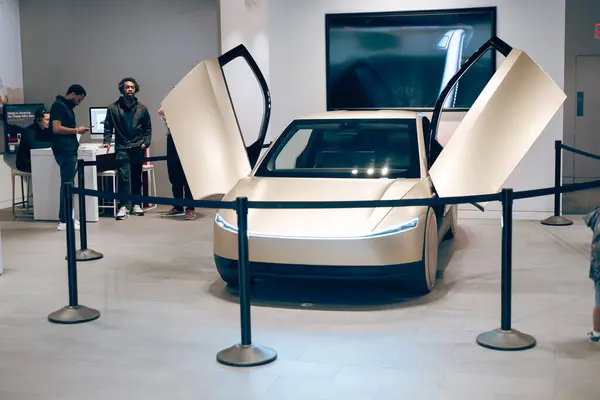
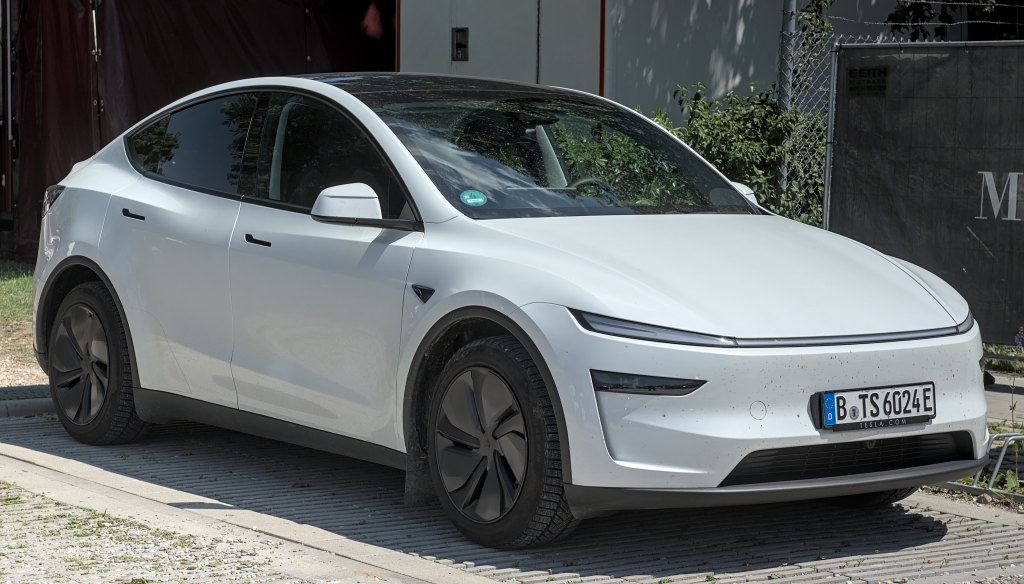
“Then slowly, and suddenly.” The slogan shared on the Tesla website with photos of the empty Model Y cars driving throughout the streets in Austin on the weekend captures the essence of the autonomous transportation pivot. While the vision for the future has been offered for many years by the company’s founder, Elon Musk, Tesla is now on the brink of proving its vision for full self-driving capability with the company having eliminated safety drivers from its self-driving taxi service in Austin.

1. Austin Milestone
Almost six months into its limited robotic taxi service in Austin with passenger safety monitors, Tesla has started its testing with no one inside the vehicle. Video clips of autonomous Model Ys driving through city roads went viral on social media, and Musk confirmed, “Testing is underway with no occupants in the car.” This is a significant update for Tesla for validating its autonomy plan, meeting its plan to eliminate passenger safety monitors by the end of next year. The deployment is still limited, with a few 25 to 30 cars on the road, but in 2026, Morgan Stanley forecasts a rise to 1,000 cars, and by 2035, a huge plan to reach 1 million robotaxis.
2. Vision-Only Architecture
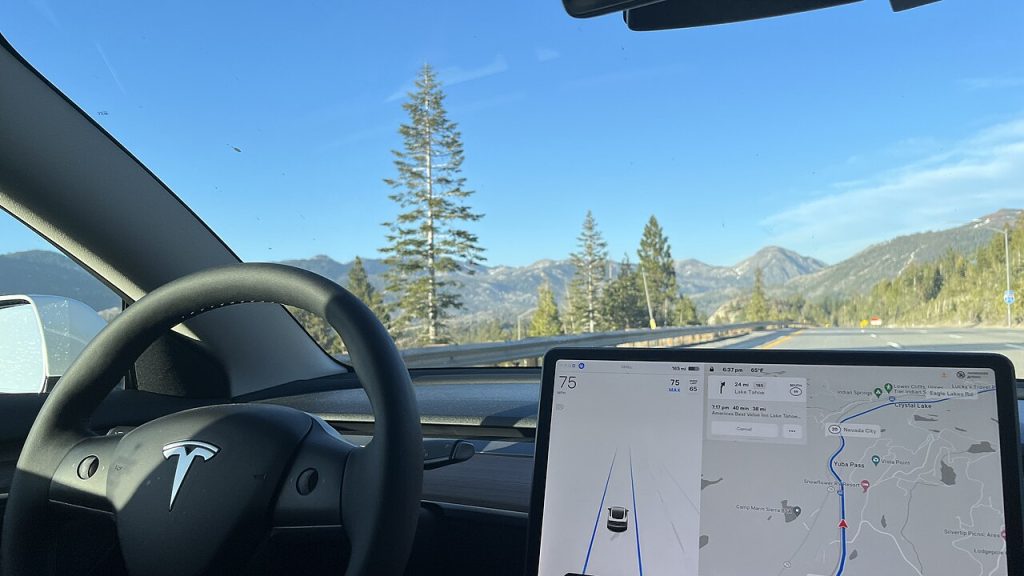
Tesla’s stack is based solely on eight exterior cameras, ditching the expensive LiDAR and RADAR found in competitors. Notingly, the camera-only solution is similar to human driving, where data from cameras is analyzed by algorithms to reconstruct spaces. Moreover, the cameras’ simplicity makes them ideal for mass production while utilizing the installed base of about 5 million Tesla models collecting data about driving. Tesla’s stack is based on “HydraNets” for lane detection and object recognition, “Occupancy Networks” for voxel mapping of spaces, and a “neural network planner” that permits end-to-end learning.

3. The Sensor-Rich Contrast
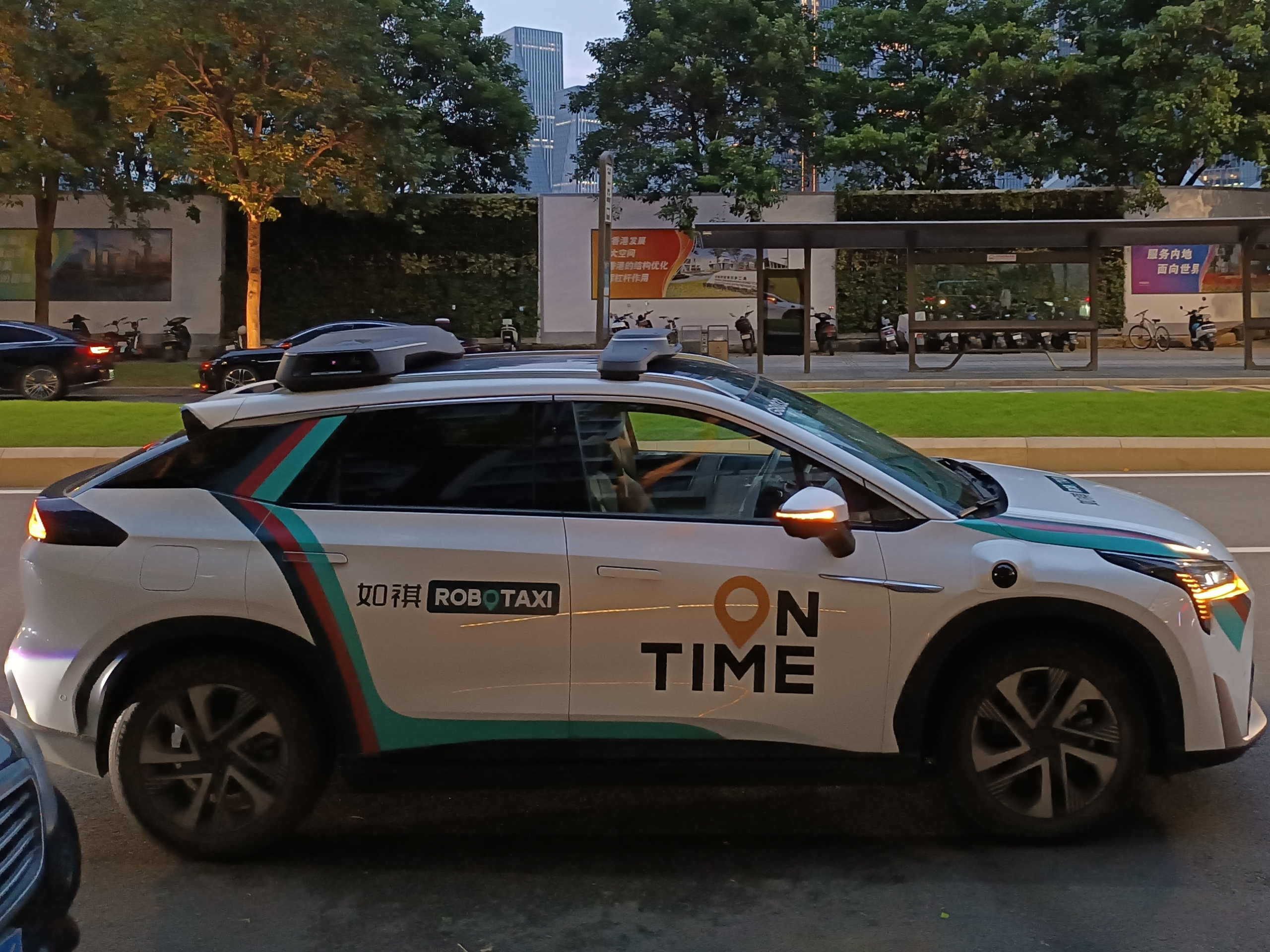
Alphabet’s Waymo goes the other way with 29 cameras, 6 RADARs, and 5 LIDARs deployed onto the vehicle. Their proprietary “Laser Bear Honeycomb” LIDAR sensors provide high-resolution point clouds with image-based RADAR that provides information about speed and 3D objects. While it edges out image-based systems when it comes to low-light and adverse-weather conditions, it is expensive, with a cost of $150,000 per vehicle, preventing scalability compared with Tesla’s solution of using a number of cameras.
4. Safety Metrics and Disengagement Rates
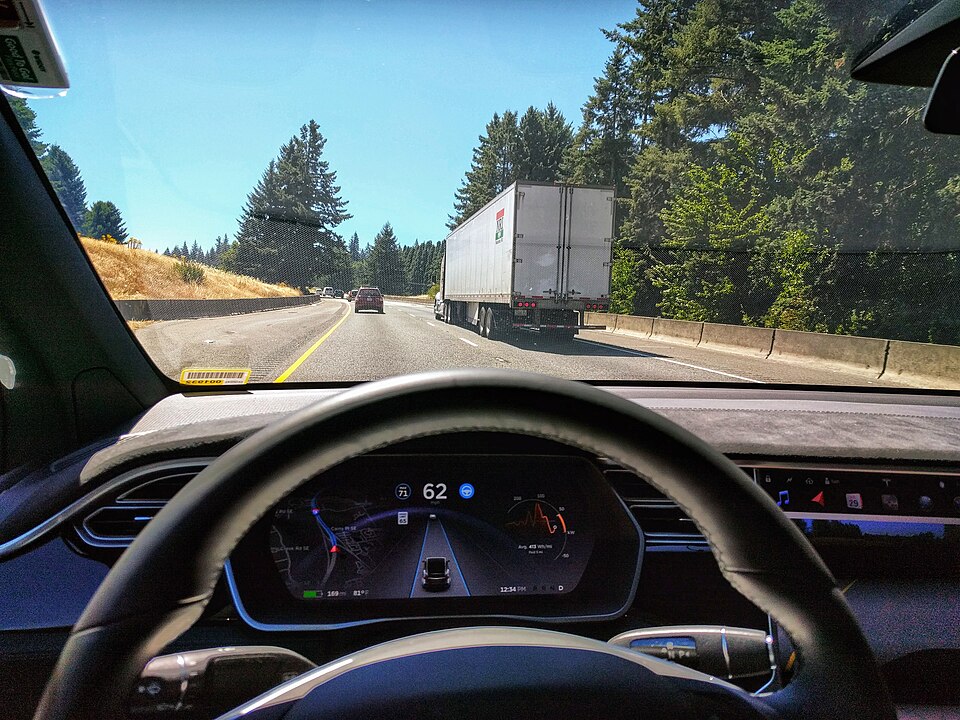
Tesla released data for the safety performance of its Full Self-Driving (Supervised) software, with 2.9 million miles between major collisions compared to the 505,000 national average as calculated by the NHTSA. There is one minor collision for every 986,000 miles, as opposed to 178,000 nationally. According to data from Waymo, vehicles are 5x safer than human-driven cars and 12x safer than those around pedestrians. “Disengagement” is defined as 24% of drives by the Tesla FSD Tracker but 9,793 miles per disengagement for the Waymo service.
5. Advantage of Fleet Scalability
Tesla’s plan involves integrating autonomous hardware in all the cars that the company sells, thus allowing for the activation of robotaxi services. This is different from Waymo, which operates in an HD-mapped environment and thus can only begin operations after the entire region of operation is exhaustively mapped. Tesla does not use LiDAR and RADAR and thus has the advantage of being able to mass-produce cars quickly, with Tesla CEO Musk suggesting the company can roll out one million autonomous cars in the next year.
6. Training of AI and Handling Edge Case
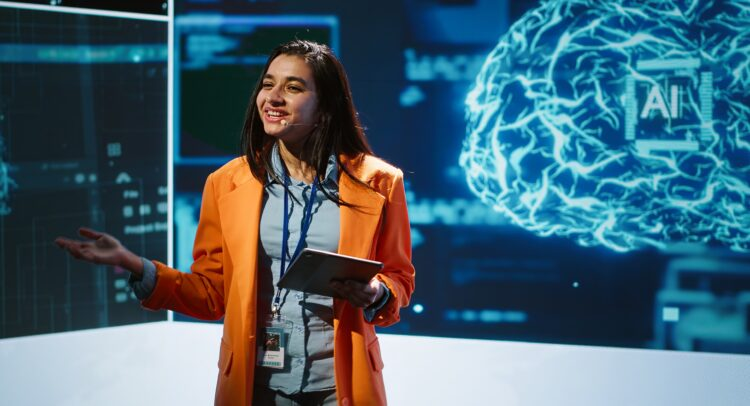
Tesla’s strength in end-to-end learning comes from its exposure to its data-rich fleet. Billions of miles driven in various settings are what its neural networks learn from to enhance performance in unstructured or unmapped roads. Tesla makes use of trigger classifiers to pick the “edge cases” and retrain the model through self-supervised learning on its supercomputer Dojo. This is restricted by Waymo’s limited exposure to variations due to its smaller data set and HD maps use.
7. Operational Economics
From an investment perspective, Tesla’s business model unlocks cars as ongoing revenue platforms. Subscription-based full self-driving capabilities at $99 or $8,000 up front may generate high margins as software-based revenue on millions of units. Waymo’s rides business may generate revenue streams from fares. However, it has high capex associated with each unit and expenses related to mapping. Tesla’s end-to-end technology rollout may generate higher margins as robotaxi rides scale.
8. Regulatory Landscape
When it comes to intervention by Presently, Texas has enabled autonomous vehicles to operate without permits, giving Tesla more leeway compared to California, considering that Tesla requires several permits before it can operate autonomously without human drivers. But soon, Texas Senate Bill 2807 is set to require DMV authorizations before Tesla or other commercial vehicles are allowed in 2026.
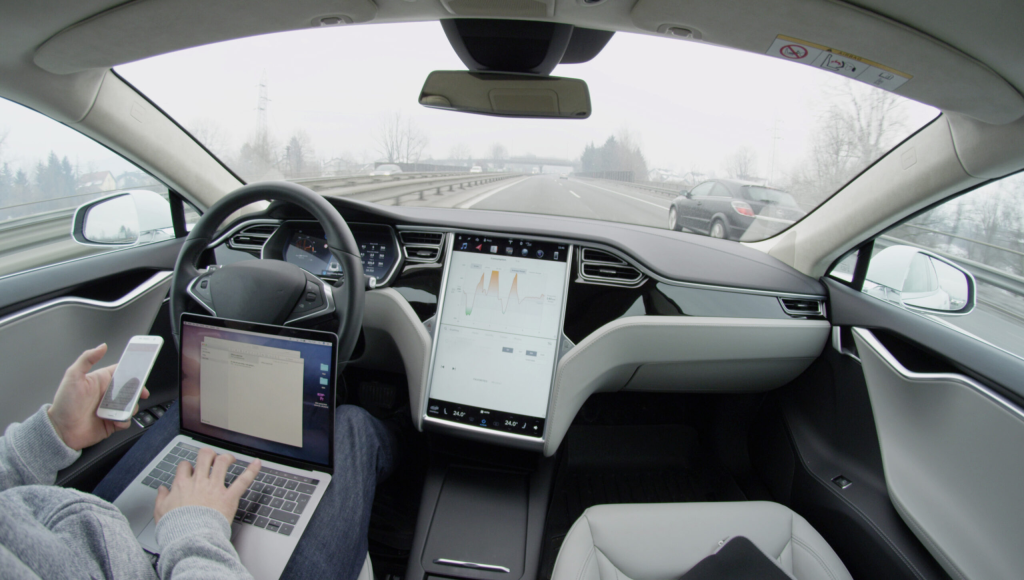
Tesla’s auraed Only series of driverless car trials in Austin represents not only a milestone in the city; it also represents the potential for a scalable vision-only AI mobility solution to work. Whether Tesla can leverage their advantage into a dominant robotaxi network before competitors catch up with their sensor technology will drive the next few years for tech-savvy investors.


