
What if the fault in the circuit requires it to be turned off in microseconds, not milliseconds? In contemporary high-voltage electric vehicles, AI data centers, and slim consumer electronics, the difference between functionality and calamity is now measured in the blink of an eye. The role of conventional fuses, which take time to act and address a limited area, is now obsolete. The emergence of semiconductor electronic fuses, also called eFuses, promises to turn power protection from a complex to a clever and multidimensional phenomenon.
1. Intelligent, Multi-Dimensional Protection
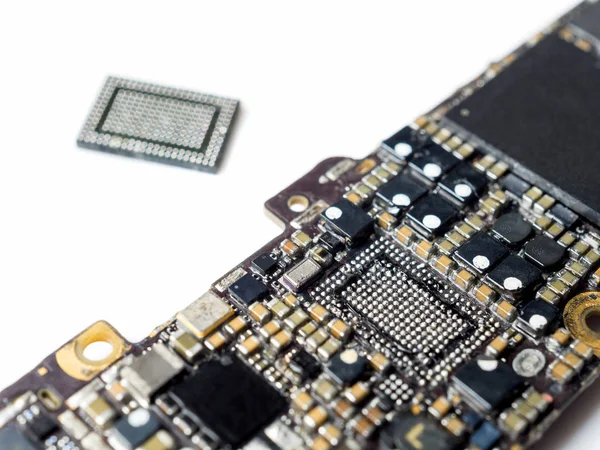
In contrast to traditional mechanical fuses, eFuses not only combine the functionality of power MOSFETs and current sensors but also carry out control logic and advanced protection circuit modules. This provides microsecond-level fault detection and recovery, along with the ability to set thresholds and, most importantly, support for self-recovery mechanisms. They also support over-voltage protection, thermal shutdown, reverse current detection, soft-start, and fault notification, which are now-a-days quite commonly included in many eFuse devices.
2. EV High-Voltage Evolution
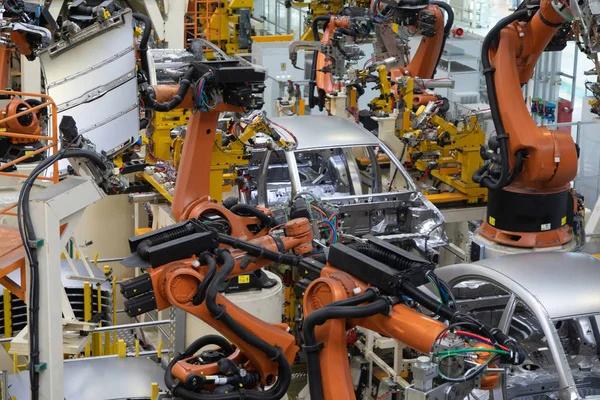
Electric cars are moving from the 400V platform to the 800V platform, leading to an increase in the level of complexity of isolating and protecting battery management systems, inverters, and charging systems. Here, the use of eFuses brings precise and high-speed isolation of faults, thus protecting costly devices from being damaged. Tesla cars were the pioneers in the industry, replacing traditional devices comprising relays and fuses with the help of eFuses in low-voltage systems.
The trend of moving from centralized power distribution systems to distributed power systems is becoming prominent. As a result, each of the respective regional control units is utilizing the services of an eFuse. When hot-plug capability is not necessary, the eFuse brings safe isolation of the 12V and the 48V domains.
3. AI Data Centers and Hot-Swap Reliability
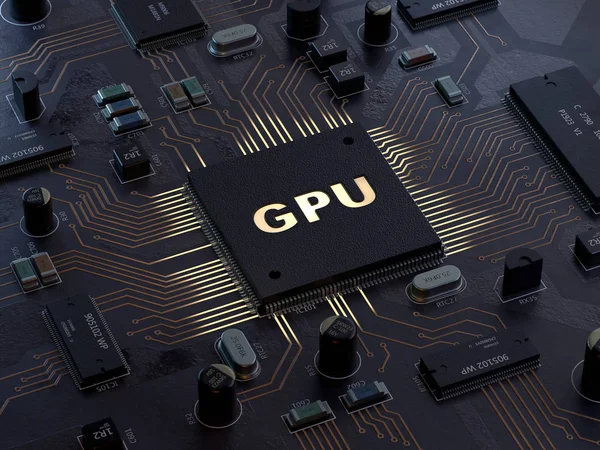
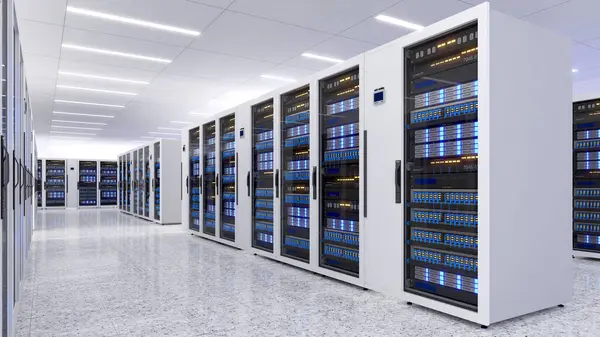
Generative AI applications effectively quantified server power at the kilowatt level 8.4kW in an eight-H100 GPU system, with clusters at >15kW per slot. In response to such requirements, the IT industry is witnessing the adoption of 48V solutions in data centers. eFuses, coupled with hot-swap controllers, lie at the forefront of UPPS/NOLs. Texas Instruments’ TPS1685 is the first 48V integrated hot-swap eFuse with power-path protection available in the industry; it supports >6kW systems, shrinks solution footprint by up to 50%, and includes current-sense monitoring via integrated resistors.
4. Semiconductor Integration and Power Scaling
Integration complexities are escalating as power densities continue to rise. Texas Instruments’ GaN LMG3650 product series, featuring TOLL packaging, delivers greater than 98% efficiency and power densities exceeding 100 W/in³, while integrating protection functionality for AC/DC server power applications. Similarly, Infineon’s XDP730 and XDP72x eFuse families combine hot-swap capability, nanosecond-level fault response, and PMBus communication to enable advanced monitoring and predictive maintenance. Infineon’s REF_XDP701_4800 development board leverages 1200 V CoolSiC™ JFET technology to provide user-adjustable inrush current limiting for loads up to 12 kW, enabling efficient and reliable interconnection between 48 V power architectures and next-generation data center infrastructure.
5. Consumer Electronics Miniaturization
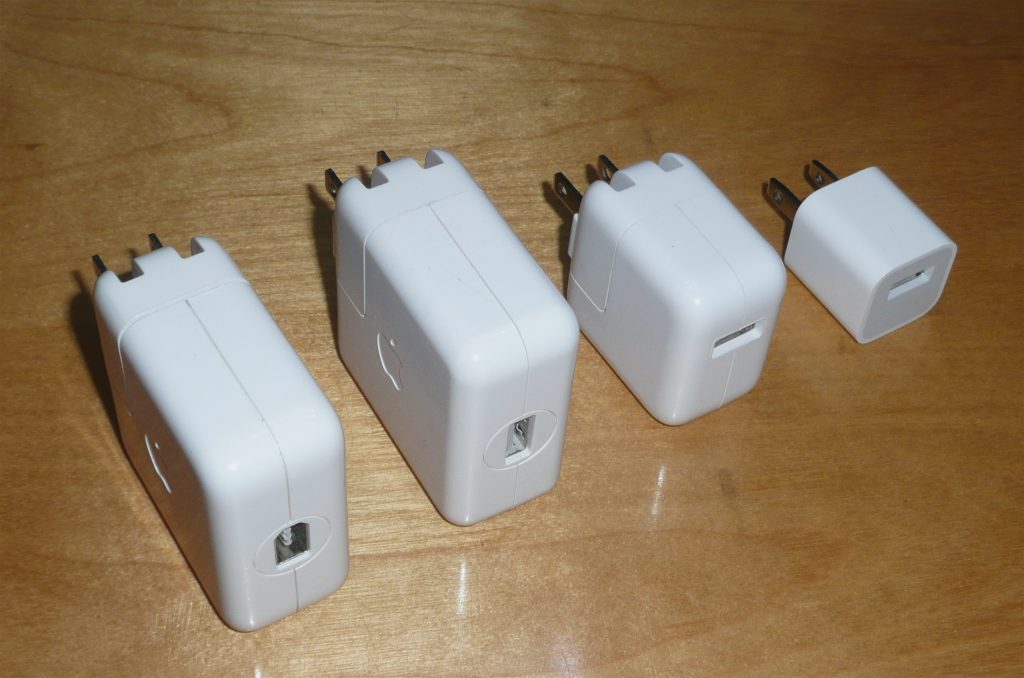
Smartphones, tablets, and high-end laptops require slim, high-performance power protection. The small package sizes and high integration offered by eFuses protect USB interfaces, battery lines, and display units while keeping PCB RE real-estate to a minimum. As there are currently 4.69 billion smart devices in use worldwide in 2024, the CE market is an enormous application environment for reusable, precise protective ICs.
6. Energy Storage & Industrial Automation
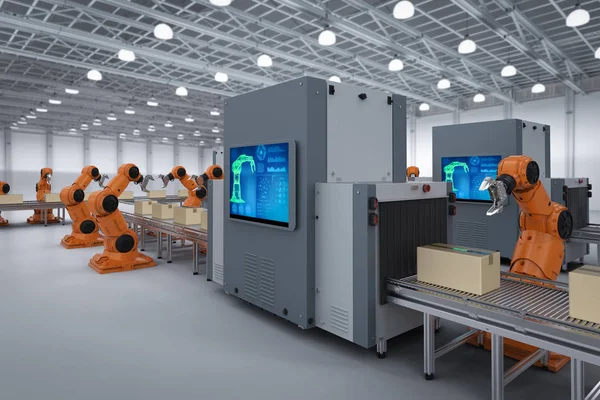
In energy storage applications, eFuses protect battery packs at the PACK level against overcurrent faults in BMS units, while providing intelligent early warning systems. In industrial automation, protection of PLC I/O ports with eFuses safeguards equipment against voltage fluctuations and short circuits. eFuses find applications in robotics, multifunction devices, and industrial control systems where high availability and fault isolation are essential.
7. Competitive Environment Among Global Giants
Texas Instruments is focusing on serving the high-power requirements of data centers through integrated solutions. Toshiba TCKE6 series products are designed for low-resistance, compact packages catering to industry and consumers. The STMicroelectronics STi²Fuse solution supports multi-channel, scalable, and highly diagnosable automotive-level overvoltage protection, adhering to demanding application standards such as EDA450. The Infineon lineup covers a range from 48V to a massive 800V, integrating SiC High Voltage technology optimized for EVs and AI applications. onsemi’s NIV3071 solution is capable of catering to demanding automotive conditions through multi-channel, multi-dimensional protection with smart monitoring, adhering to advanced power sequence specifications.
The eFuse market is expected to be worth $550 million in 2024 and reach $950 million by 2037. “Raising the bar on voltage and architecting systems in a more distributed way means that silicon-based solutions for protection are now mandatory and the engineered foundation for reliability within next-gen power-delivery systems,” Stack stated.


