
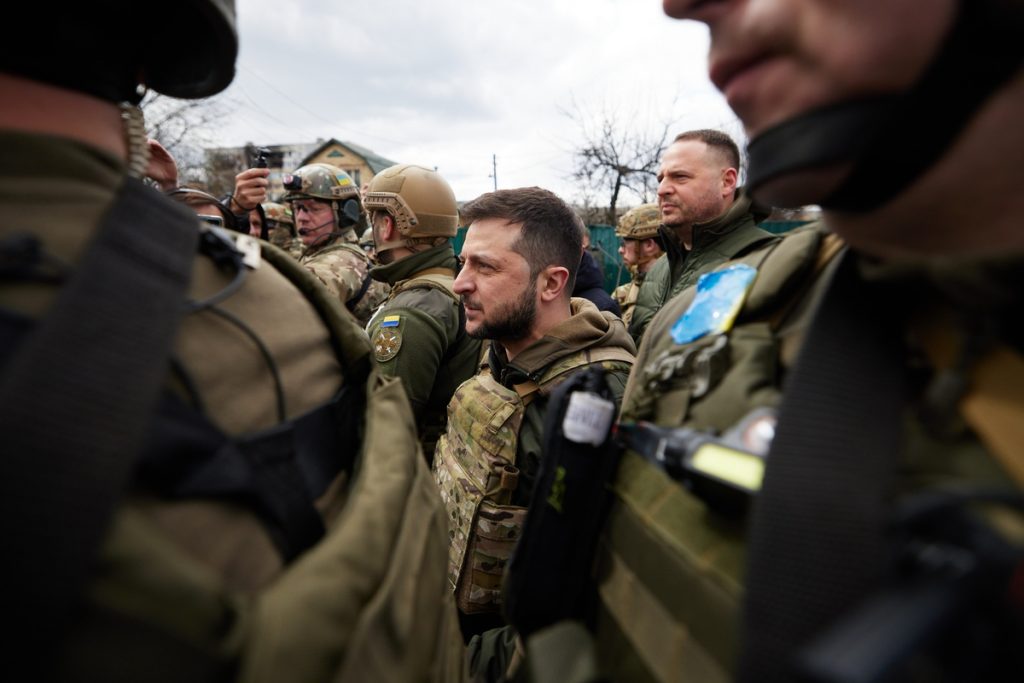
Is it possible for an armed force to emerge victorious in the war by targeting every frontline simultaneously? This query has received a very practical answer from the current military operations conducted by the Russians in the Ukraine situation. Although the Russians have outnumbered the Ukraine forces with sufficient firepower at their disposal, the joint efforts put in by the Russian military have not yet resulted in an impressive breakthrough for the commander in chief.
“However, for military experts, the modern battle scene reveals much more than the merely tactical shortcomings.” What is meant here is that in addition to the tactic attack, there is structural vulnerability present on the battle scene in relation to “the operations strategy used by the Russians” and the strength of “the defense erected by the Ukraine government against the invading party.” This is explained by the following nine points.
1. Multi‑Pronged Offensives Dilute Russia’s Strength
The fact that Russians strike on several axes, from Vovchansk to Hulyaipole, means that Russians will not be able to concentrate their forces. The traditional concept associated with conventional attacks is that a attacker shouldhave a minimum ratio of superiority over a unit of at least 3:1. The Russians, however, are resorting to dispersal, thereby losing this strength. The long-term human resource implications, according to the Institute for Study of War, that the Russians face through sustained attacks would be difficult for them to afford.
2. Fortress Belt: Ukrainian Defense Wave Breaker
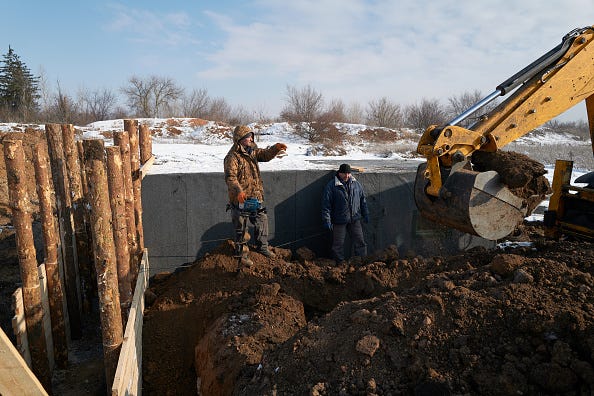
On the other hand, starting from 2014, Ukraine began the construction of the Fortress Belt, located in the Donetsk Oblast, and later, after 2022, the construction of the Fortress Belt was completed around cities like Slovyansk and Kramatorsk, and it acts as a wave breaker against Russian attacks.
3. Attrition Favors Ukraine
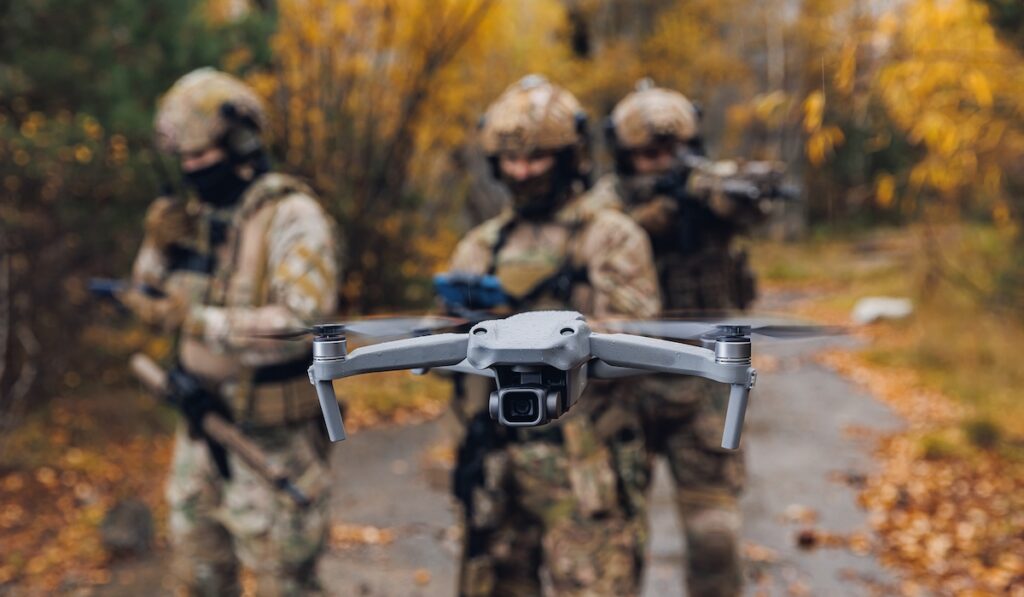
Though Russia still has the edge in strategy, its attacks are currently more reminiscent of an artillery battle, at times with “foot pace” tempo. It is clear that the pro-drone defenses on the part of the Ukrainians pave the way only for grinding attacks on the part of Putin. There is currently a stalemate here, and without a technology surprise, the side with the most advantage is the defensive side. It has the ability to inflict disproportionate damage.
4. Kursk Incursion’s Strategic Ripple
Ukraine’s incursion into the Kursk Oblast in August of 2024 pinned down the elite airborne and naval infantry forces of Russia, making it hard for them to conduct operations in other sectors. Forces of about a division size forced Russia to redirect troops from the Donetsk and Zaporozhya sectors, showing that there are no strategic reserves left by Russia. This operation demonstrated the ability of surprise and maneuver even with an open battlefield.
5. Negotiation Gambits Mask Battlefield Limits
“The demand for the whole Donetsk and Luhansk regions and the non-occupied territories of the provinces to be transferred to Russia” reveals the recognition of the impossibility of the capture of the territories by military means at this juncture. “The objective of the cognitive warfare implemented by the Kremlin” aims to win “concessions on the threat of victory,” wherein the latter “will not be gained by military power.”
6. Staggering Casualty Costs
Nevertheless, the price that Russia has had to pay in terms of these advances is also very high. In 2025, the loss included 392,000 soldiers killed or wounded, and more than one million soldiers have been lost in total since 2022. In terms of advances, 4,562 squarekilometers have been gained this year.
7. Doctrinal Stasis Despite Failure
The Russian military leaders are stuck in the pre-war tradition of combinedarms maneuver, sea surface control, and air superiority, seeing the failure of these concepts to be implemented and supported by the West as the source of those weaknesses, when in fact the cure lies in correcting the systemic weaknesses rather than falling back upon technological band-aids, as seen in this analysis of the Voennaia Misl’ journals.
8. Urban Strongholds Slow Advances
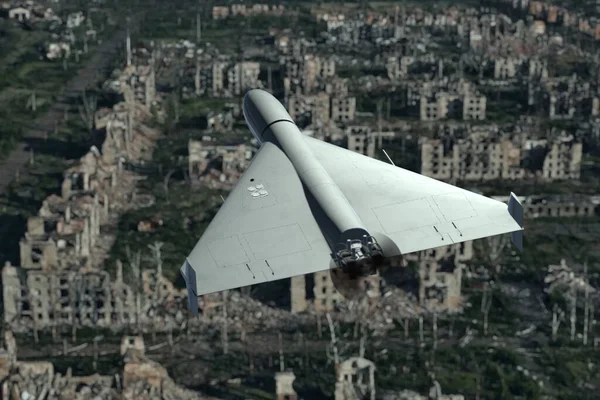
These towns, such as Pokrovsk, Chasiv Yar, or Kostyantynivka, have been resisting for so long, which has hampered any operational progress. Pokrovsk, nicknamed the “gateway to Donetsk,” has actually been attacked nonstop for 14 months, and Ukraine has kept their territory despite Russia massing 170,000 troops there. Urban warfare is extremely pricey when the territory gained is relatively insignificant.
9. Economic & Force Generation
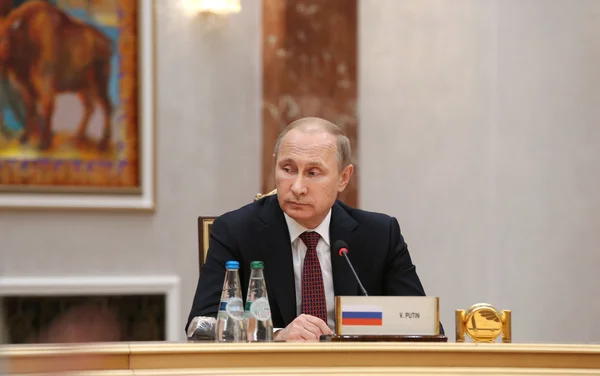
The sanctions imposed, the cost of war, and the principle of diminishing returns regarding the recruitment of reserve forces are seriously affecting the Russian economy and the pool of personnel available to be recruited. Putin is set to face challenges in the generation of forces, to wit, his statement so far regarding the 8th of December that the reserve forces have to be mobilized. These nine realities introduce one conclusive point: Russia is to be stuck in a prolonged state of its war within Ukraine. Operations involving multiple axis without concentration, the Ukrainian Fortress Belt, and urban warfare consume the tempo of the advance.
Russian negotiation approaches, battle doctrine, and increasing economic and personnel costs narrow Russia’s original plan. Military observers have a single, decisive point to take away from these developments: until a new approach and new circumstances are forthcoming, Russia will be stuck, and a long, costly, and possibly unsure road is to lie ahead of Vladimir Putin and his victory.


