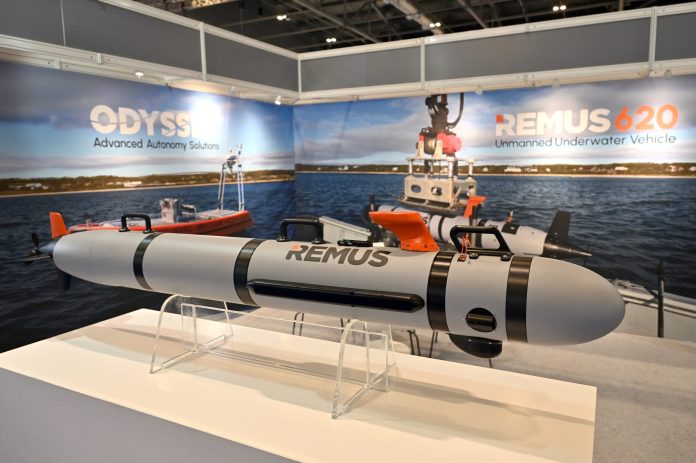
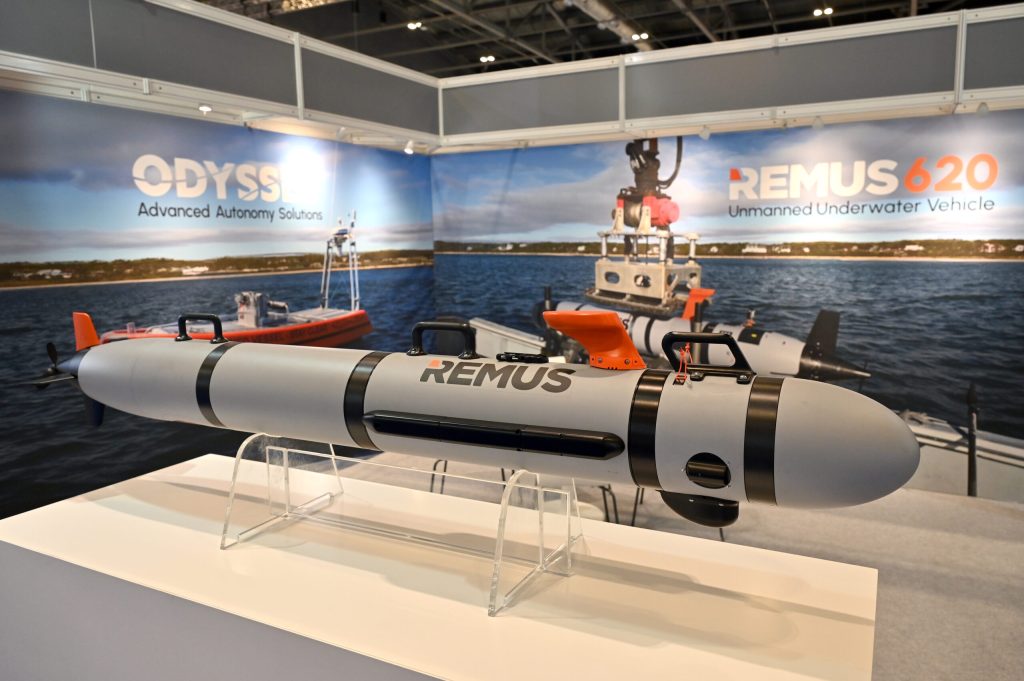
What happens when a submarine costing $400 million encounters a stealthy unmanned underwater drone? Just possibly, for Ukraine, it may translate to rewriting the Rulebook in Naval Warfare. On December 15, 2025, the Security Service of Ukraine, or SBU, announced the world’s first successful combat launch by an unmanned underwater vehicle on a submarine-an Improved Kilo-class vessel harbored in Novorossiysk belonging to Russia. Nonetheless, this event was not just limited to the Black Sea-this marked a technological milestone because it is now clear that even the most protected ships in the world are no longer invulnerable to inexpensive drones.
In a conflict that has already witnessed its fiercest battles in terms of redefining air and land conflicts by drones, there is now another aspect of conflict zones that has also just been pulled into battle: the underwater world. The salient aspects of such a first-of-its-kind operation, from the potential of the weapon technology to its effects on tactics and strategic shock waves within global naval strategies, have been covered in the subsequent sections.
1. Underwater Drone Warfare Enters History Books
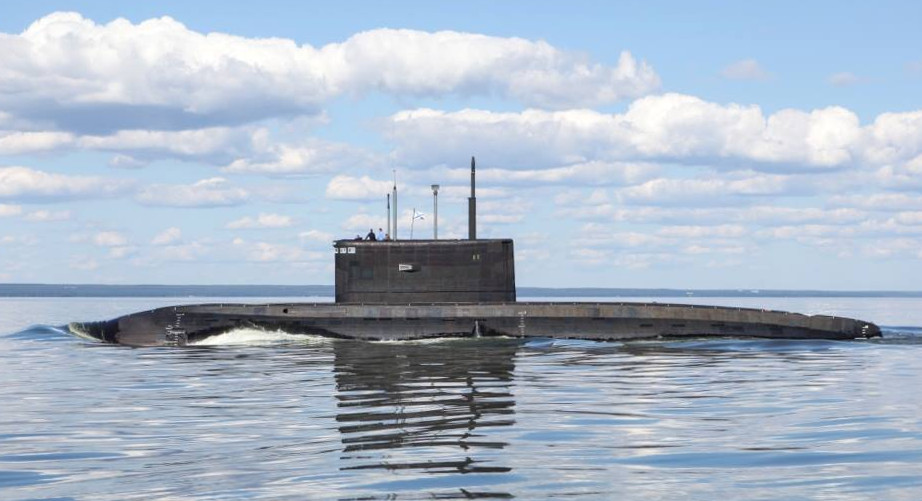
In the SBU’s Sub Sea Baby operation, they used a UUV for the first time in history, disabling a submarine in a port. Footage released by Ukrainian officials depicted a violent explosion at the stern of a Project 636.3 Varshavyanka submarine. Although Russia’s Defense Ministry has contradicted reports suggesting the submarine had been damaged, open-source specialists as well as foreign news sources believed the claim by the Ukrainians.
This is expected milestone, giving UUVs from development stages to full strike force capabilities. “It’s almost certain that that submarine is unserviceable,” said H.I. Sutton, regarded by many experts as the world’s leading submarine warfare strategist, citing what he believes may be damage to its propulsion.
2. The Target: Russia’s ‘Black Hole’ Submarine
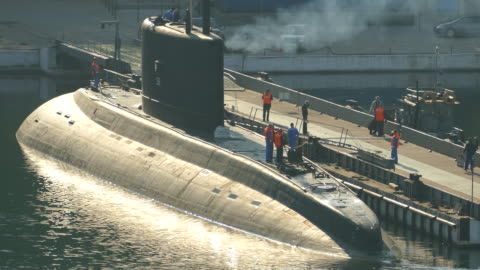
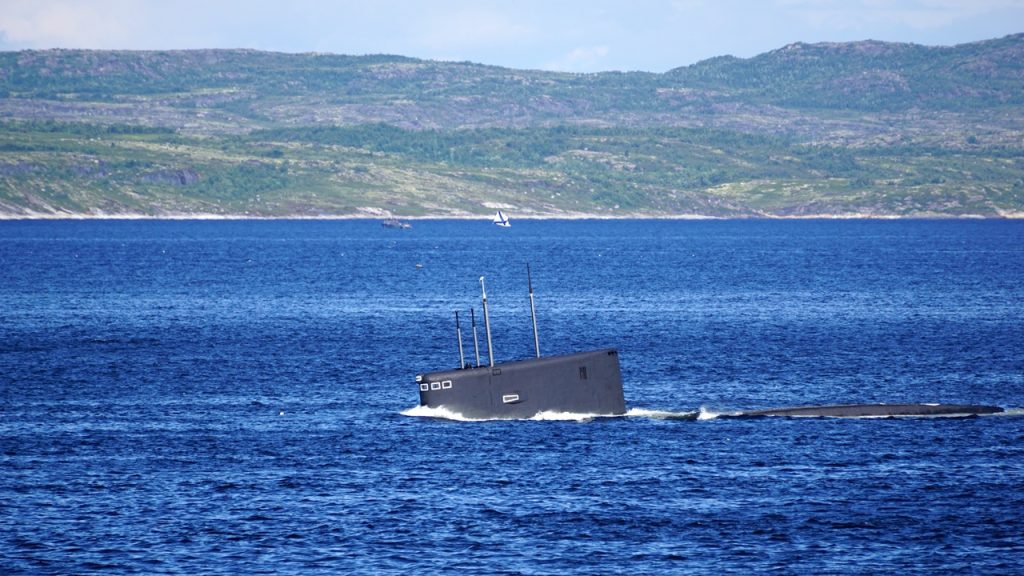
The Improved Kilo represents the backbone of the Russian striking force within the Black Sea area based on their perceived acoustic stealth, giving it the nickname ‘Black Hole.’ These are equipped for carrying land attack cruise missiles Kalibr, designated for carrying out land attacks against Ukrainian targets. The partly damaged ship was reported to have carried four launchers for such missiles.
The replacement of this platform would be gradual and costly if it were under sanction and the constraints of the shipyard, which would occur at a price of $400 million even before the war takes place. It would be the second major strike against a Kilo-class submarine after the destruction of Rostov-on-Don in 2024.
3. Sub Sea Baby: Evolution of Maritime Drones
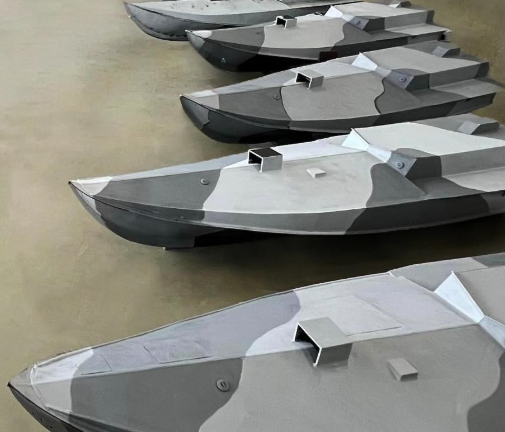
Sub Sea Baby is reportedly a submerged variant of the proven Sea Baby UASV for the Ukrainian military, intended for navigating layered harbor defenses. It likely uses waypointed navigation prior to autonomous terminal operations. Ukrainian media reported the target hit the area near the propeller and control surfaces to disable mobility without having to penetrate the pressure hull.
“It is developed from surface UAV’s, itself a progression from 108 kg warheads to 850 kg payloads, multi-mission roles, and modularity.” The Sub Sea Baby actually applies this versatility underwater, completely avoiding anything considered an anti-USV barrier.

4. Tactical Penetration of Novorossiysk
Novorossiysk was considered a more secure safe harbor, especially when Russia relocated most of its maritime forces from Sevastopol. The harbor was secured by floating barriers and patrols; however, these were originally designed for surface vessels. “A submerged UUV could dive underneath these barriers,” noted Sutton, referring to a robot which “has to be fine manoeuvrable” enough to enter open harbor doors and other confined spaces. It is here that Ukraine has proved Russia’s sovereign ports are not beyond reach, and this has dealt a serious psychological and operational blow to the Black Sea Fleet.
5. Strategic Impact on Russia’s Black Sea Fleet
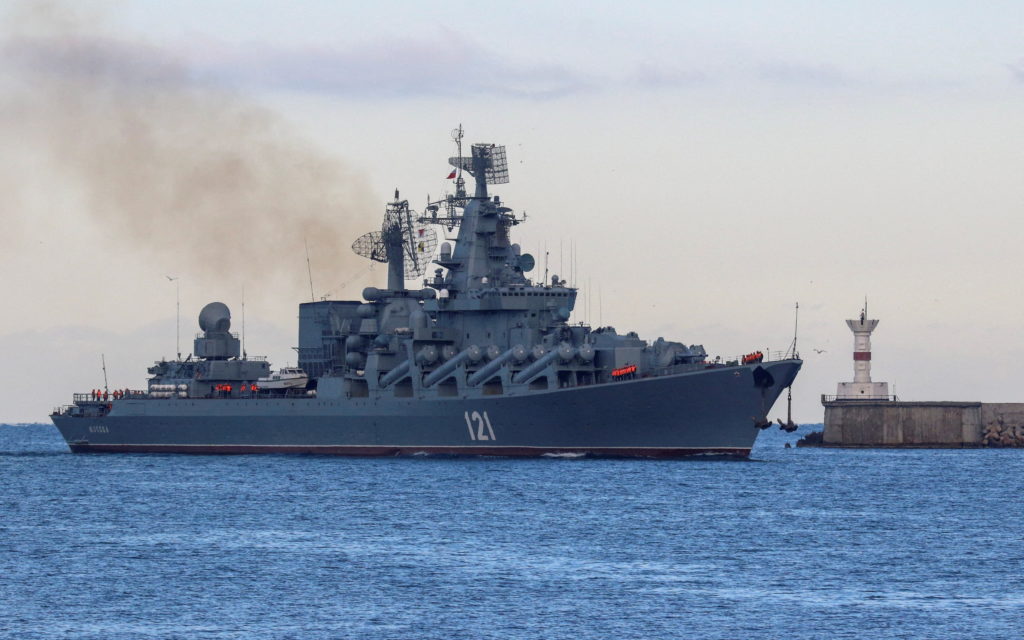
The loss or reduced availability of another submarine with Kalibr missile capability reduces strike rates for Russia. The Black Sea Fleet began the conflict with four improved Kilos in their fleet. Following previous losses, this strike may mean only four are operational. The Montreux Accords mean that any additional loss is irreparable through transport through the Bosporus. In any case, the repaired submarine will have to return to the vulnerable shipyard in Sevastopol, which is also regularly struck by Ukrainian missiles.
6. Implications for Global Naval Doctrine
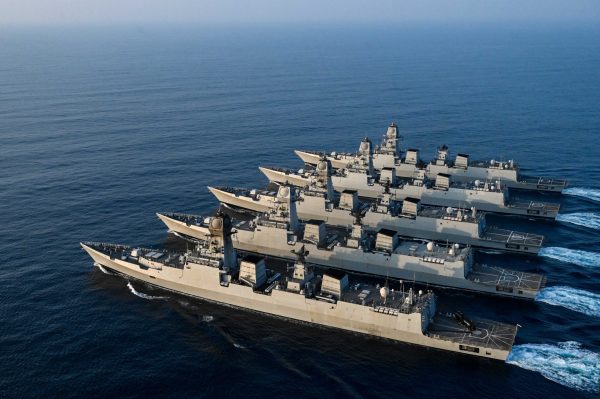
It highlights that submarines are most vulnerable when they are in port, as they are not very agile in terms of positions. Conventional methods such as nets, minefields, and anti-frogman squads are not very effective against stealthy underwater kamikaze drones. World navies must now factor counter-UUV operations into their defense systems for harbors, ranging from ever-present sonar barriers to rapid-response interceptors. The force-value relationship is wipe-out cheap when an attritable drone destroys a platform costing hundreds of millions.
7. Ukraine’s Growing UUV Arsenal
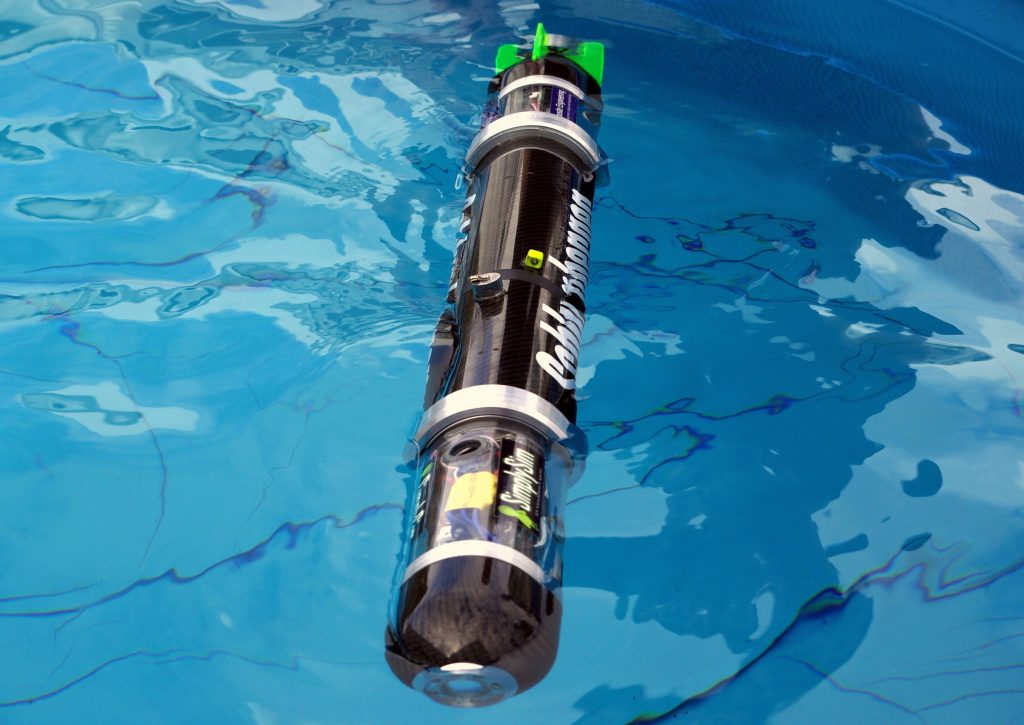
Beyond Sub Sea Baby, Ukraine has showcased various UUVs. These are classified into the Marichka series and the Toloka series, and its variants are named TLK-200, TLK-400, and TLK-1000, targeting ranges of 100 km to 2,000 km, and the capability of carrying up to 5,000 kg payload along with AI-based navigation and targeting solutions. They are also employed for reconnaissance, mine laying, and strikes, thus making it possible for Ukraine to have future underwater operations.
8. The Wider Maritime Drone Campaign
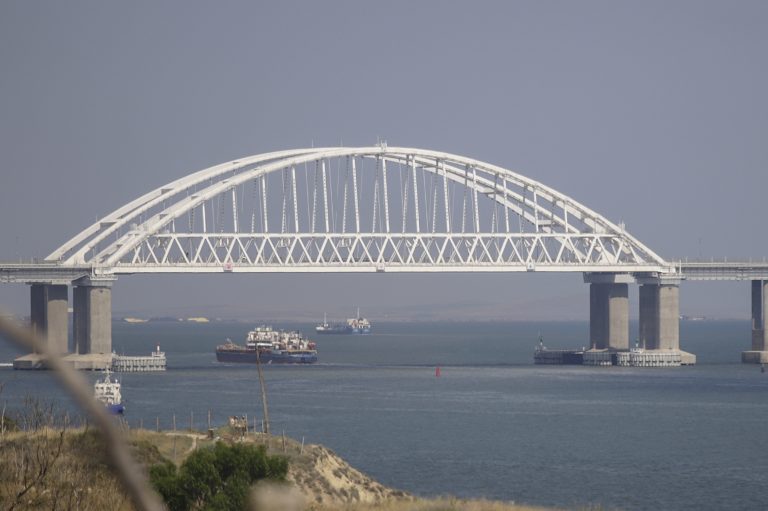
Since 2022, the maritime drones of Ukraine have destroyed or impacted more than two and a half dozen vessels belonging to Russia. Maritime drones like Magura V5 and Sea Baby have successfully struck-warships and logistics ships, including the Kerch Bridge. Sub Sea Baby further introduces an underwater component into it, thereby making it necessary for Russia to defend its ports against threats ranging from air and land platforms. This pressure has already compelled Ukraine’s Black Sea Fleets to move east and remain restricted in their operations.
9. The Consequences Beyond the Black Sea
This capability of attacking submarines while being protected by fortified ports is set to have ramifications all around the world. Combat-ready UUVs are being developed by China, USA, and Australia, and other nations too. The success of the Novorossiysk attack proves a working model. This has proven to all its adversaries that fortified ports or long distances do not necessarily mean that their safety is assured. This is also one step further into showing all its interested builders/subscribers that submarine missiles are accessible and achievable only by high-end platforms with high-end capability and high-end prices.
The Ukraine Sub Sea Baby strike was so much more than mere success-it was proof of an undersea balance change. Now all that Ukraine did was show that submarine missiles are more accessible and achievable by building them quickly and risking them freely without being mounted on an expensive manned submarine. All undersea battles were henceforth up for grabs by machines that are easier and faster built and risked and are free from all manned vessels.


