
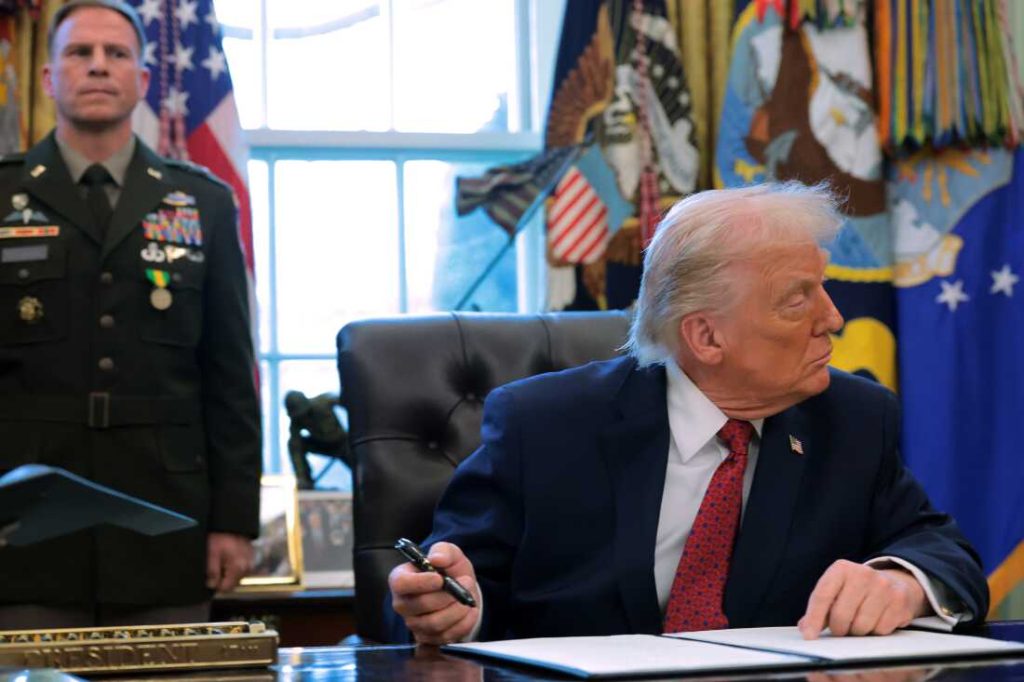
“Two to three hundred thousand people are dying a year, at least,” said President Donald Trump during a signing of an executive order declaring fentanyl a weapon of mass destruction. The truth is, as provided by the Centers for Disease Control and Prevention, it is around 48,000 deaths as of last year, a drastic decline since the previous year. There is a big difference between the statements made by Trump and actual statistics, depicting its political significance.
This kind of designation is rare for any narcotic drug and occurs during a heightened process of militarizing narcotics control for the U.S. While fentanyl’s powerful strength and potential for overdose-related deaths make the drug have strategic value related to national security, the push to designate fentanyl under this criteria also appears to carry the strategic aim of controlling fentanyl distribution.
While Washington is picking up its sights on “narco-terrorists” and is increasing its presence in the Caribbean and other areas around the world, it is obvious that there has been no more complex time concerning drug issues and defense policy and strategy. Below are nine realities regarding this contentious issue.
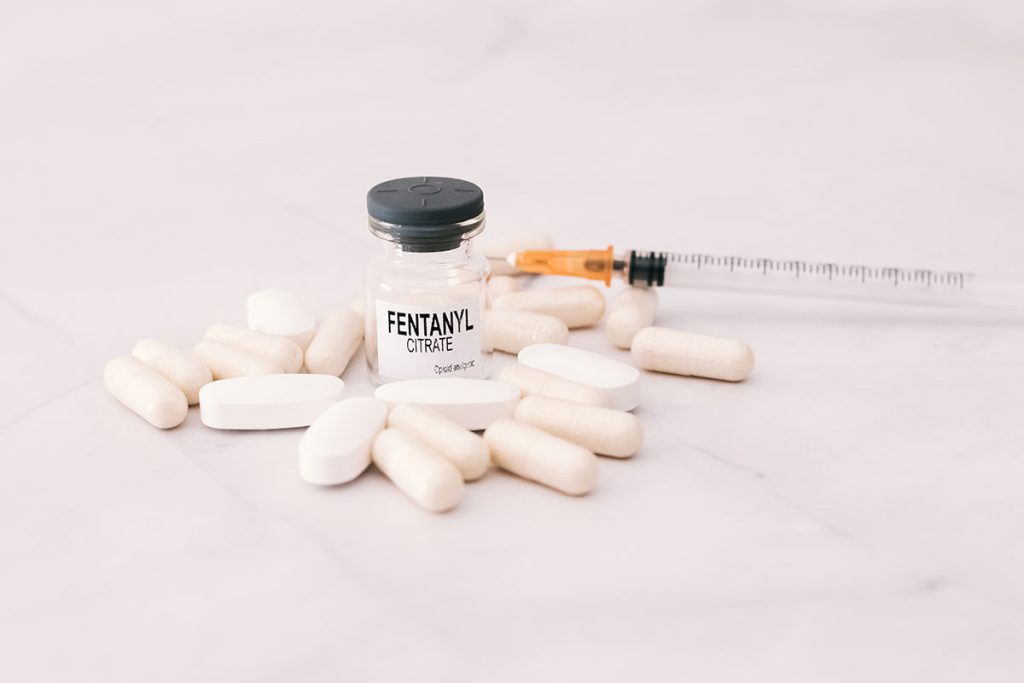
1. A Rare Presidential Act in Drug Policy
By designating fentanyl as a weapon of mass destruction, the U.S. president has marked a significant instance where a non-military substance has been so labeled. The Biden administration had been pressured by the political parties to take the move. By his executive order, President Donald Trump considers fentanyl to be a national security risk due to criminal gangs and border instability.
Experts at the Center for the Study of Weapons of Mass Destruction noted in 2019 that “it is not evident that there is any basis or need for, or net benefit to, officially designating fentanyl compounds as weapons of mass destruction.” Nevertheless, the categorization of WMD offers broader legal justification for military intervention than would otherwise be the case.
2. Potency and Limited Weaponization History
Fentanyl is deadly, with a lethal dose measured in micrograms. Nevertheless, its use as a weapons platform is exceptionally rare. The only recorded instance took place in 2002, when Russian troops used a gas-based form of fentanyl during a hostage rescue, resulting in the death of more than 100 hostages.
Dr.ugs policy analyst emphasize that the overdoses of American citizens are a consequence of demand in the illicit market and not acts of weaponization. Jeffrey Singer of the Cato Institute observed, “How can you consider individuals who are smuggling a product, satisfying a demand that is illegal, and a person who wants a product is committing an act of war?”

3. Supply-Chains: Mexico and Southeast Asia, Not Venezuela
The main entry points for fentanyl in the US are manufactured in Mexico with Chinese precursors, while the production of the drug is increasing in the region known as the Golden Triangle, composed of Laos, Myanmar, and Thailand.
Contrary to assertions by the Venezuelan administration, Venezuela is known for cocaine trafficking and not fentanyl trafficking. Christopher Hernandez-Roy, from the Center for Strategic and International Studies, stated, “Fentanyl is not coming out of Venezuela. Fentanyl comes from Mexico.” This raises several questions, such as the relevance of Venezuelan-associated maritime lanes for the purpose of fentanyl eradication.
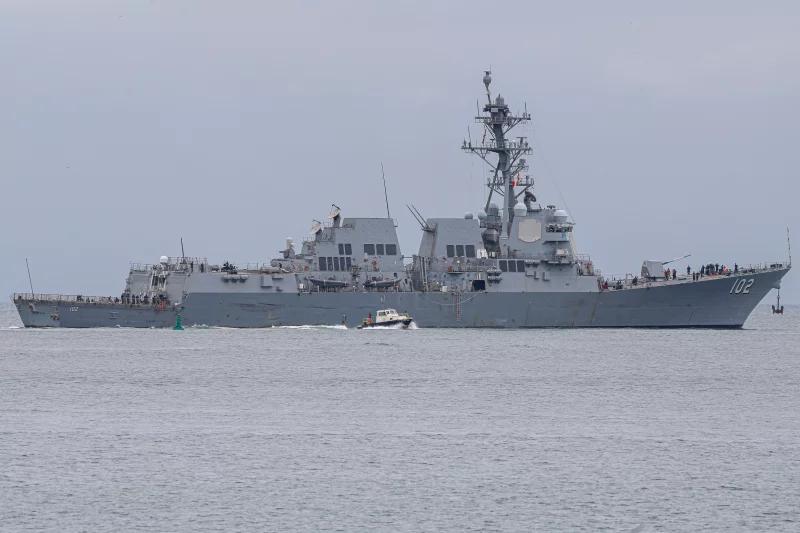
4. Caribbean Strikes and Questionable Impact
Over 21 deadly strikes in flashback in the Caribbean against suspected narc boats have been conducted by American forces since September; in total, over 80 people have been killed. “25,000 lives” are saved with each strike, according to admin statements.
However, experts such as Vanda Felbab-Brown claim that the drug-carrying boats contain cocaine meant for the European market. Notably, the activities have been criticized by William Baumgartner, a retired Coast Guard rear admiral who warned that the moves deny the U.S. useful intelligence information since the drug traffickers with the potential information are killed.

5. Legal Controversies Surrounding Maritime Force
Intervention in vessels is not permissible under international law in international waters, except on limited grounds like “hot pursuit.” Experts on international law, such as Queen’s University Belfast law professor Luke Moffett, assert that “the US strike is likely to be in breach of international law of the sea.”
These actions are deemed by the administration as self-protection against ‘narco -terrorists.’ However, according to Professor Michael Becker of Trinity College Dublin, “labelling everyone a terrorist does not make them a lawful target.” The U.S. is not in any conflict with Venezuela and Tren de Aragua cartel to justify the legality of this attack.
6. Domestic Political Utility
The WMD initiative serves to support the administration’s story of decisive action on threats when it appears to be failing to protect its own borders sufficiently. It fits with the wider national security strategy that seeks to place the struggle against ‘narco-terrorists’ high on the defense department’s agenda.
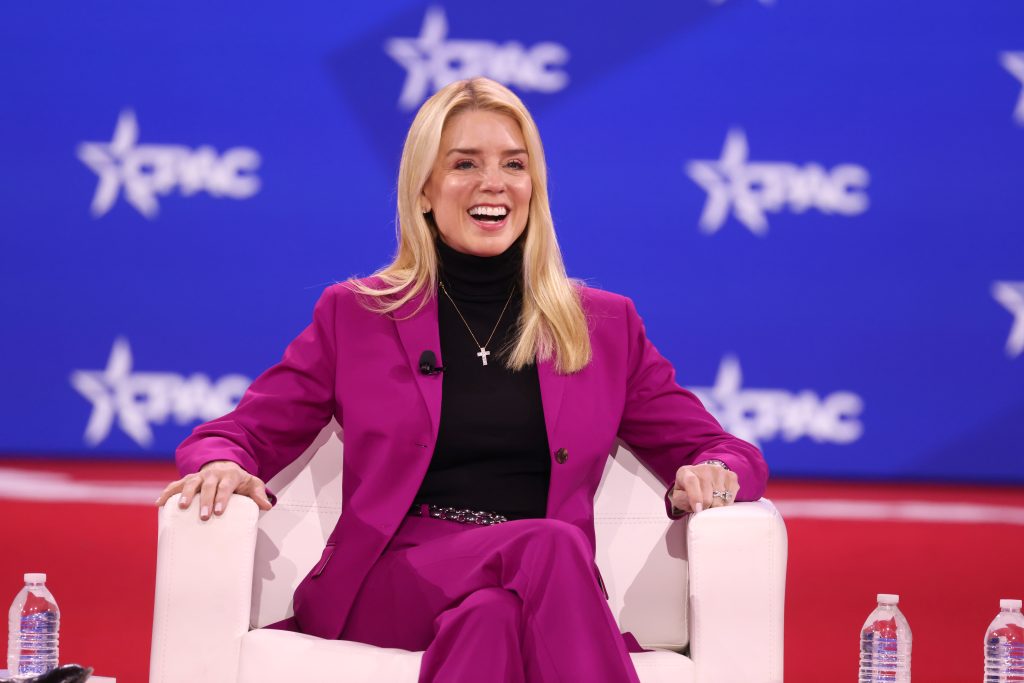
“The seizures in the first hundred days alone have saved 258 million American lives,” boasted Attorney General Pam Bondi, an estimate deemed wildly high by experts. While this claim cannot be supported, it has served to heighten public awareness of military involvement in drug policy.
7. Pardons Undermining the ‘Get Tough’ Message
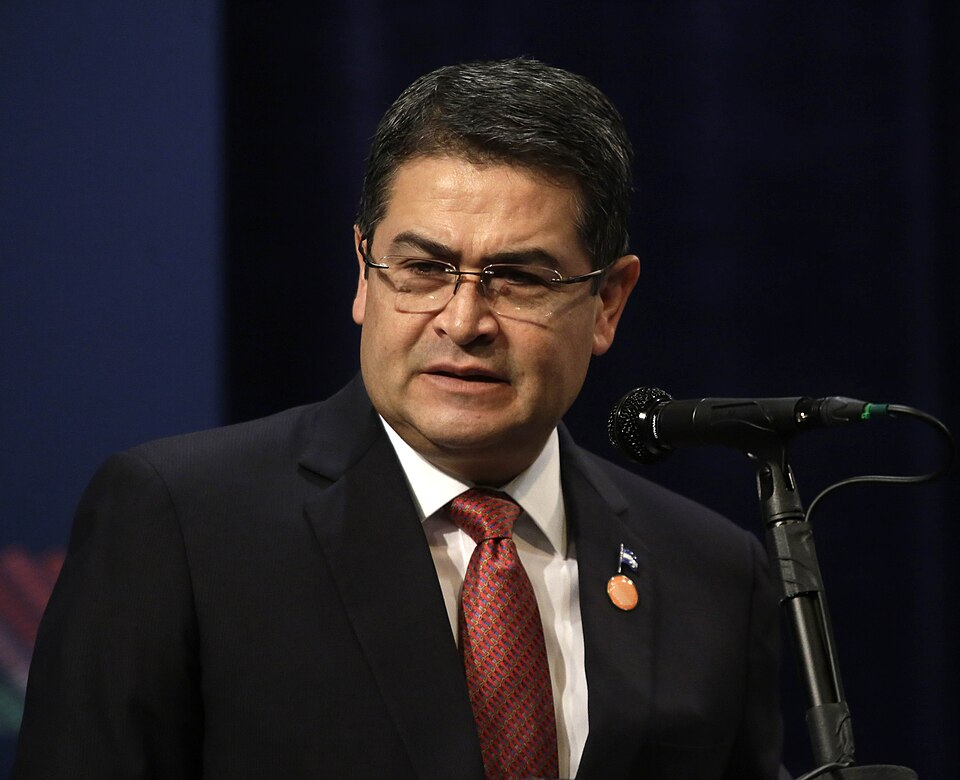
Trump’s consistent pardoning of notorious traffickers and cartel officials makes it more complex for the administration’s tough stance. Some of those pardoned include ex-president Juan Orlando Hernandez of Honduras, sentenced for drug trafficking offenses, and Gen. Salvador Cienfuegos Zepeda, associated with a cartel-related death in Mexico.
Felbab-Brown questioned the logic behind the policy: “There is no steady principled focus on counter-narcotics policy.” It has been stated that the pardons undermine the policies’ deterrence and credibility regarding the fight against crime organizations.
8. Strategic Pressure on Foreign Governments
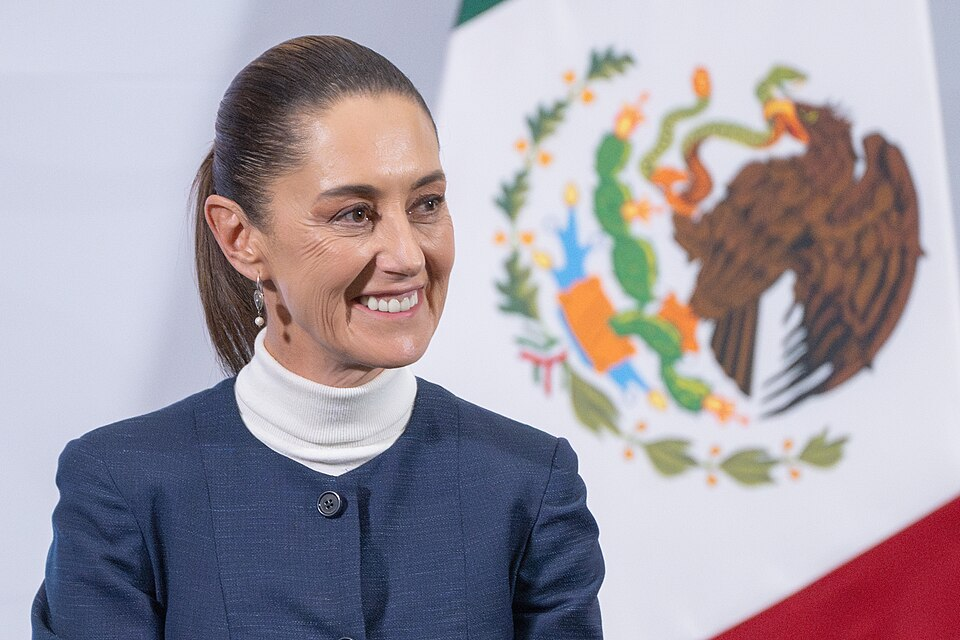
Despite the criticisms, the military strategy has leveraged pressure against certain foreign governments. Mexican President Claudia Sheinbaum is said to have augmented efforts at fighting narcotics in response to threatened tariffs and cartel terrorists.
Andrés Martinez-Fernandez of the Heritage Foundation welcomes the two-track approach of military intervention and diplomatic pressure, which is needed to deal effectively with the strong cartel influence found in the hemisphere.

9. Symbolism Versus Substance
The New York State Court of Appeals issued Former White House drug policy chief Rahul Gupta called these attacks “symbolic” because there was no plan to disrupt the cartels’ infrastructure or address addiction. “You have 50 or 60 boats a day smuggling drugs into the country. You’re not going to get rid of them all by interdicting one that has fatal consequences,” Gupta said. Indeed, as observed by Felbab-Brown, “drug cartels have shown the ability to rapidly adjust their strategies” in response to enforcement efforts, often switching “to more powerful synthetics.”
This could have the effect of aggravating the very problem the WMD category is meant to mitigate The choice to designate fentanyl as a weapon of mass destruction has significant implications in linking healthcare, law enforcement, and military policy in a manner that often makes it difficult to determine where domestic policy ends and international conflicts begin. Even as new avenues are made possible through such classification, it is unclear how it affects issues of overdose fatalities. For military strategists, it is a matter of reconciling deterrence with actualities of fentanyl production and organized crime networks.


