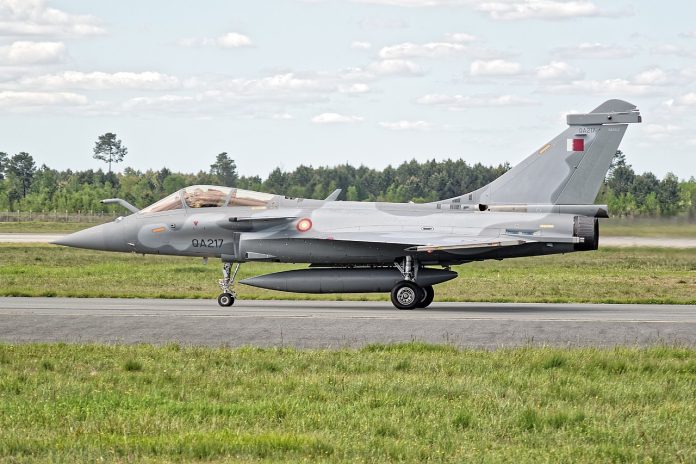

It is astonishing to note that the maximum number of Rafale F4 fighter jets that can be supplied to Ukraine is 100 planes produced by the French. It is more than an arms agreement. It is also a statement of intent in a war where control of the skies is literally a matter of life and death. This is because the treaty signed in front of Ukrainian President Volodymyr Zelensky and French President Emmanuel Macron, in a military airbase in France, represents one of the biggest military aviation commitments in Ukrainian history.
But in terms of this specific contract, this is more than just meeting the press headlines. It is intricately linked with Europe’s security policy trends, financial battles over frozen Russian money, and overall Ukrainian strategies in building 250 combat planes. For an average military analyst or tech commentator, this contract gives one crucial perspective on how the Ukrainians are realigning their airpower efforts while navigating politics in this process.
1. Rafale F4: the Best Fighter from France
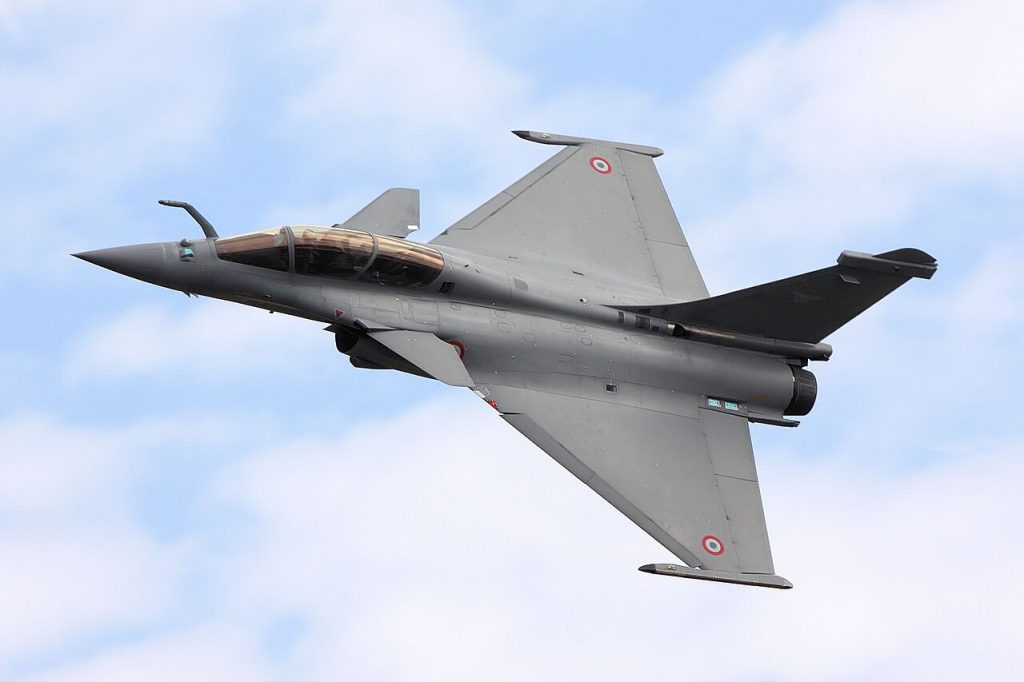
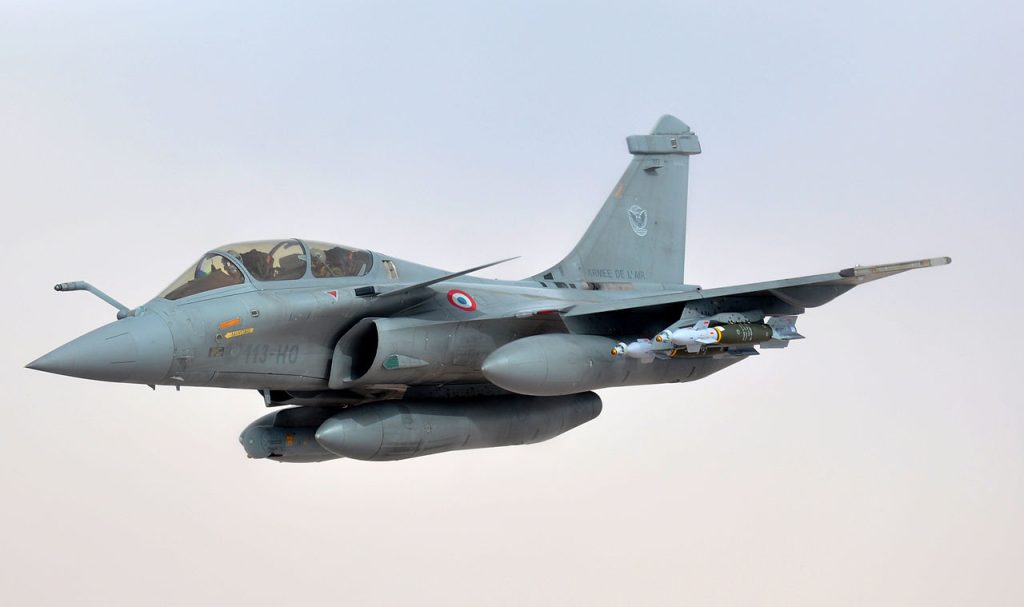
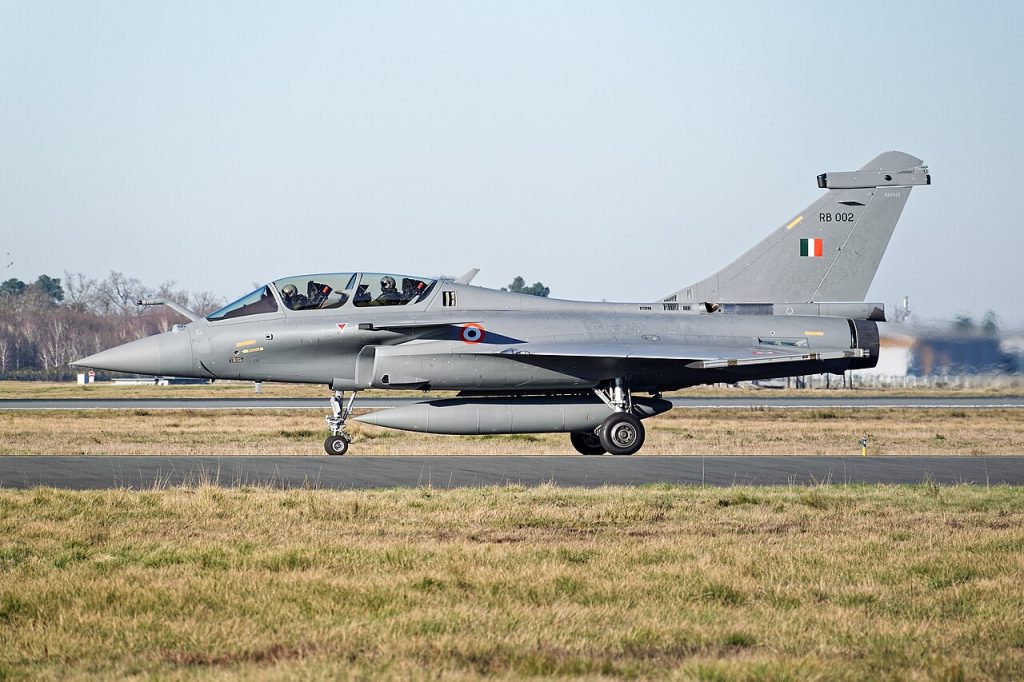
The Dassault Rafale F4 variant is one such instance of a 4.5 gen multi-role fighter integrated for combat. The variant includes better variants of radar systems, electro-optic cameras, helmet-display systems, and upgraded datalink. Speaking about armory, F4 carries highly advanced missiles such as Mica NG, air-to-air missiles, with a Hammer AASM weighing 2,200 pounds, already in use by Ukrain with their upgraded versions of the Soviet-era fighter jets. This fighter jets is also capable of carrying out air supremacy, deep strike, and reconnaissance missions with SCALP-EG Cruise missiles.
2. Historic Franco-Ukrainian Defense Pact
The agreement was signed on the 17th of November in 2025. The following projects are included in 100 Rafale F4 aircraft with up to eight SAMP/T air defense systems with six launchers each, and GF 300 radars, guided bombs, drones. This agreement has been described by Zelensky as one of the greatest air defenses in the world through joint production of low-cost interceptor drones. This, according to Macron, is a new step forward in our relationship, exemplified in pilot training courses based on Ukrainian experience with Mirage 2000 planes to cut conversion times to Rafale to less than one year. Dassault stocks were up on the news, showing market confidence in its ability to satisfy the existing orders, along with the new orders placed with various clients that range from Egypt, India, and Greece.
3. Rafales Role in Ukraine’s 250 Aircraft Program
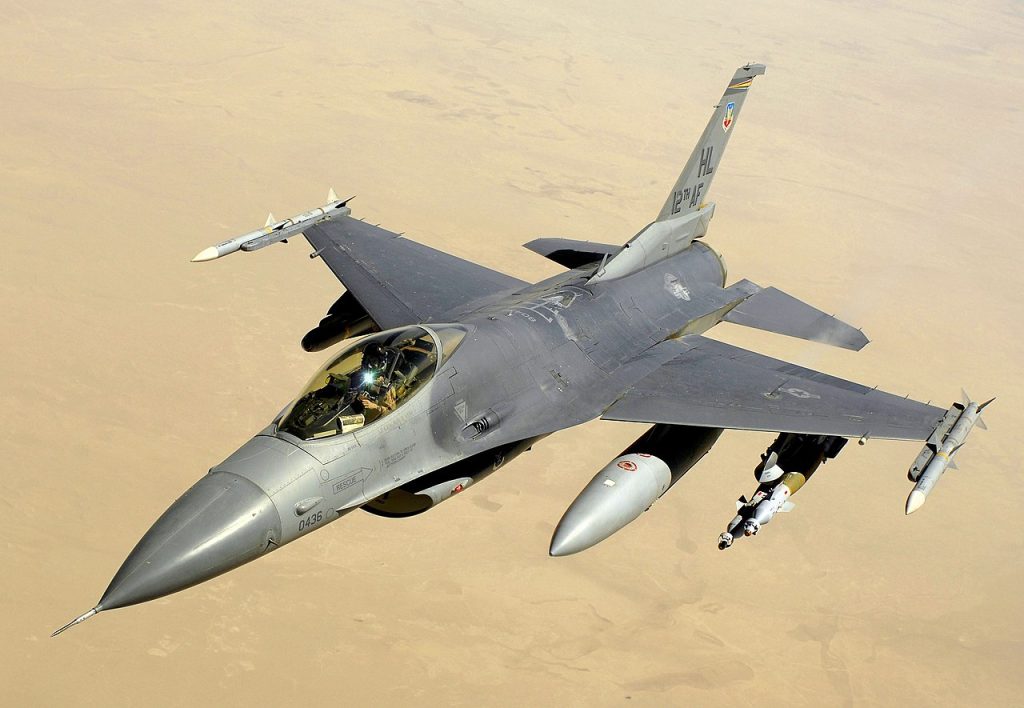
The Rafale is one aspect of the whole scheme devised by the government in Kyiv for 250 state-of-the-art fighters, which includes Gripens and U.S.-built F-16s. The plan would see an entry with Gripens with possible C/D models by 2026 and new E models, as well as local production in Ukraine, by 2033. The aim of this mixed forces organization is to eventually displace outdated aircraft that go back to the Soviet era, as well as to build a strong air power that could maintain its independence against Russian might throughout this next decade in the framework set within NATO.
4. Funding through Seized Russian Properties
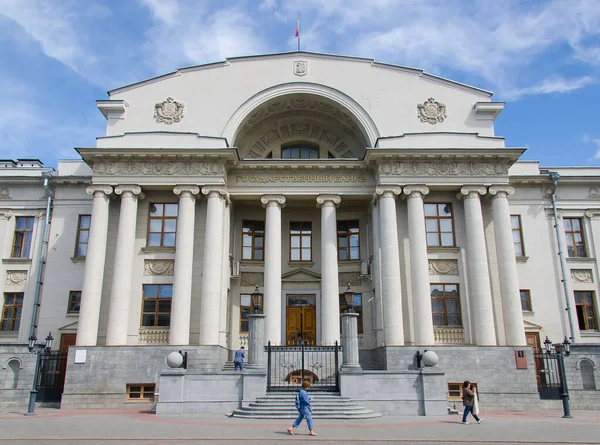
The biggest issue would be the source of funds to implement the plan. The French and Ukraine administrations are considering money from the EU and the frozen money in the Russian central bank, which would be worth €210 billion in Europe, for the purpose of implementing this plan. The EU finally agreed to put the money in deep freeze, thereby shelving the danger of Russia-dominated administrations not continuing the freezing of the money. The facility would be considered a loan to be used to pay reparation to Ukraine when Russia pays for the destruction of the war. It would be considered a grant. Euroclear’s activities within Belgium imply that the state requires foolproof securities in order to escape the judicial or financial implications of lawsuits in Russia. Euroclear’s activities within Belgium imply that “the cost of the implementation of the directive for the European state means that”: Euroclear’s position in Belgium means that the cost of the implementation of the directive for the European state means that
5. SAMP/T Air Defense Out
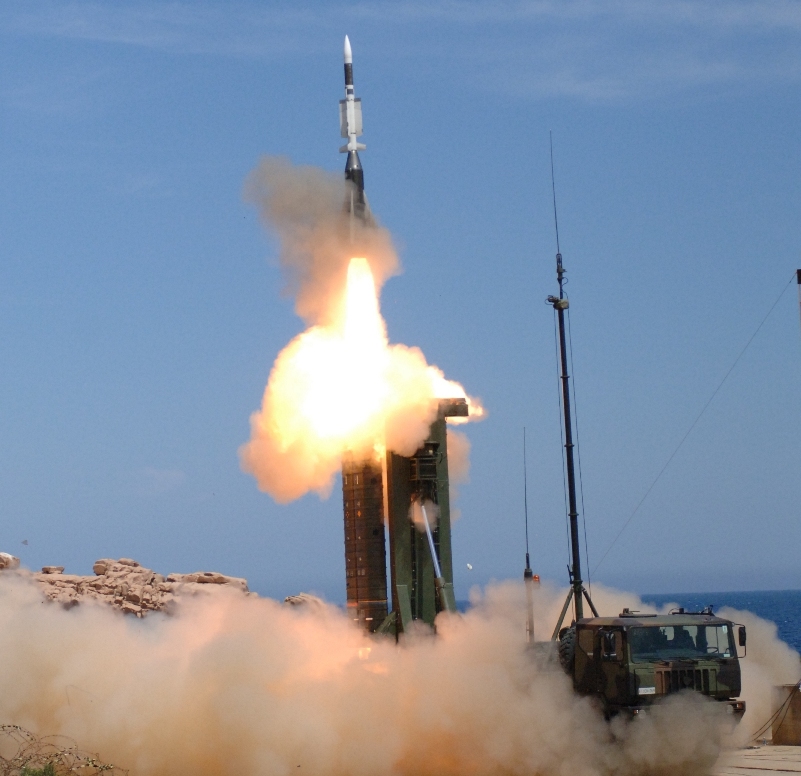
The SAMP/T Ukrainian interceptors have been working better even when pitted not only against the Patriot missiles produced in the United States but also against Russian advanced missiles, reported General Fabien Mandon of the Air Forces of France during a press briefing for the senators. Despite this, SAMP/T interceptors are working at a quick rate even if Russia has managed to adjust their missiles to counter the Patriots. SAMP/T next generation to form part of the Rafale agreement will be delivered by 2026. This is important because Russia is reportedly launching thousands of drones and missiles every month, most of which are aimed at energy and transport infrastructure.
6. Penetrating Russias Glide Bomb Barrage
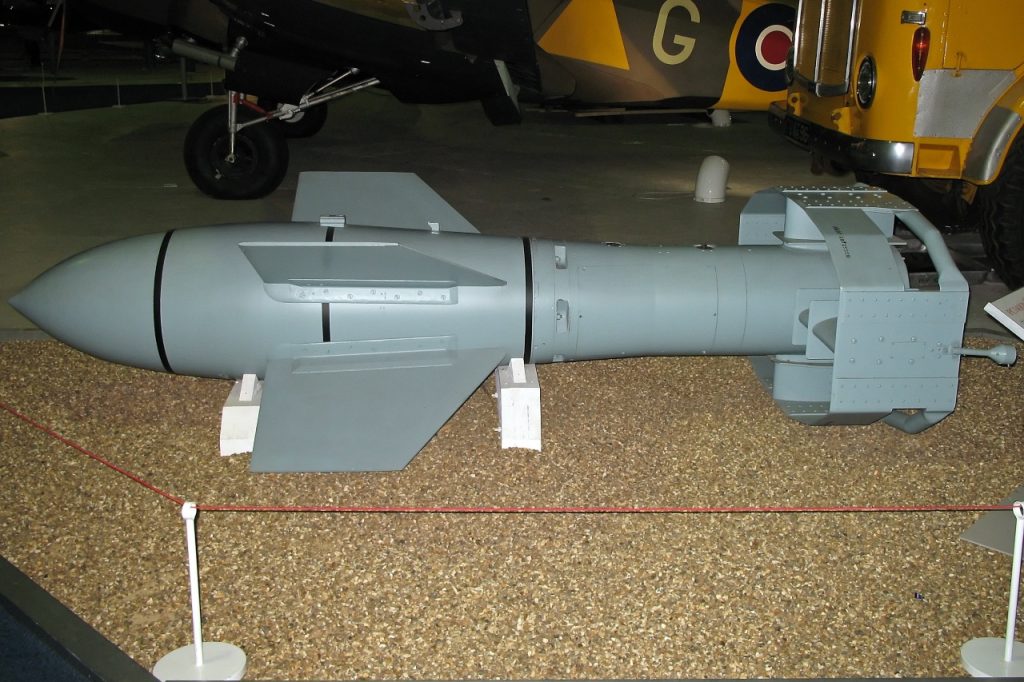
Russia is manufacturing as many as 6,000 glide bombs every month; these drones could be inexpensive and hard to destroy. Most importantly, it is necessary for the Russian Air Force to be engaged by missiles with an air-air range of more than 200 km, attacking the plane carrying the missiles. This can be assured by the arrival of the Rafales with missiles of high range. To intercept targets, there would be missile strikes, early warning by AEW&Cs, and jamming of satellite control signals. Using the cost exchange ratio, the preference to destroy the launch platforms is greater than the preference to intercept the bombs. This creates the imperative for the need to have advanced fighters.
7. Issues in Training and Infrastructure Issues
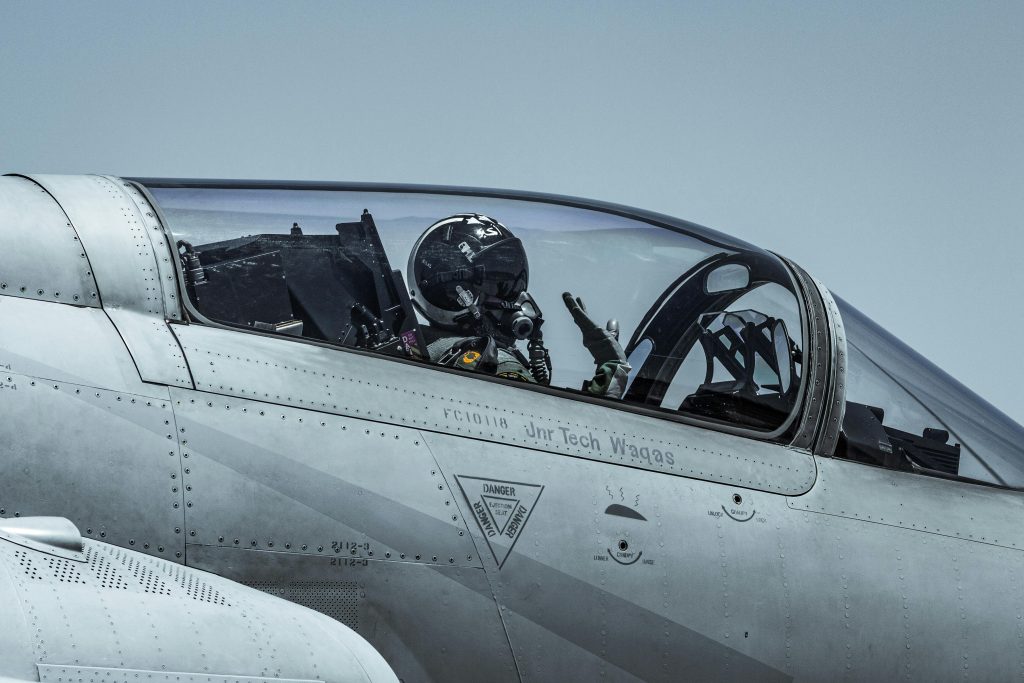
The training period for a Rafale pilot is a minimum of three years, though for Mirage pilots, it would be less. The infrastructure for Rafale, including spare parts, will have to be developed. The airforce stations in Ukraine will need to be upgraded to meet the operational requirements for Rafale. These kinds of investments are more or less what is required to support Gripens and F-16s, and are representative of the logistical effort being undertaken by the modernization of the Ukrainian military
8. Industrial Cooperation & Technology Transfer
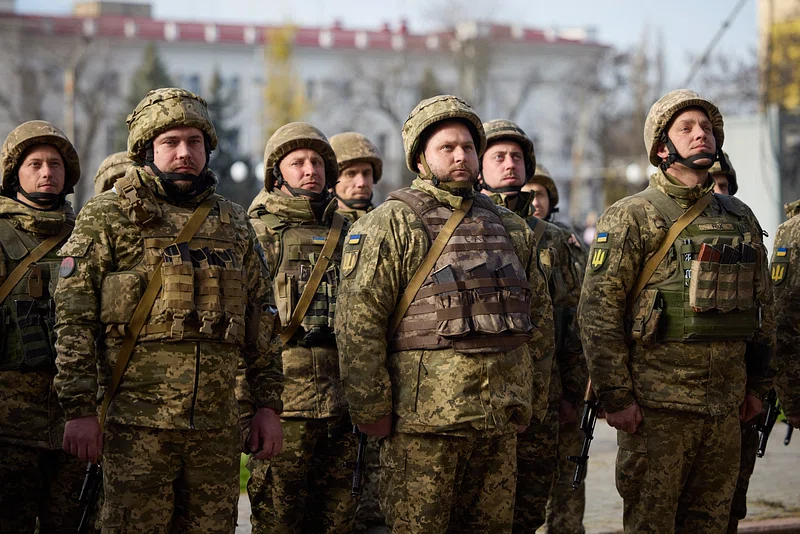
There is also collaboration in the joint production of interceptor drones and perhaps joint production of Rafales in Ukraine. There are also similar collaborations in assembly lines of Gripens between Ukraine and Sweden, which also seek to improve the Ukrainian military industry and reduce dependency. There is also collaboration between Greece and Ukraine in military naval drones and their plan to probably also explore collaboration in underwater technology. These projects seek to benefit the military industry of Ukraine by enabling it to be more diversified, even concerning the risks of military output within the confrontation of Ukrainian strikes by the Russian military. By so doing, these programs benefit European military powers by allowing them to acquire military technology proven within these programs.
9. Coalition of the Willing and Post-War Security
There is also leadership by France and the UK in coalitions of the willing, involving about 30 states ready to send military forces to Ukraine or any state within its frontier borders when a cease-fire agreement is agreed. These coalitions will essentially be taking a guaranteeing role to ensure that the Russian military does take advantage of attacking the Ukrainian military again. This Rafale military deal will essentially be bringing Ukraine within security protection by Europe. The blueprints essentially evince Western commitment, especially within the long-term military protection and support. They depend largely on achievements of peace.
10. Export Timelines and Global Demand
First, it is appropriate to note that Dassault’s whole contract will satisfy the demand of Ukrainian military by 2035. It is also important to note that requirements within export timelines to Indonesia and UAE do not have the potential to fulfill Rafales within short term. Not to mention that commitment within the French military is to draw from its aircraft capacities due to increased military production. “It’s really long-term thinking, and it’s also very much the political character of this agreement its much more about trying to bet on the future for Ukraine than anything else.”
The Rafale agreement between Ukraine and the French companies is one of the most vital components for gaining access to the contemporary air force in Kyiv according to NATO standards. It will take Europe ten years to honor this pledge, but theres no doubt regarding the commitment of Europe concerning the security of the airspace of Ukraine and the integration of the military industry of this country into the security framework of Europe. As far as military strategists are concerned, this is an interesting case in warfare’s emerging imperatives in the intersection of long-range procurement policy, politics within alliances, and hard realities on battlefields overseas.


