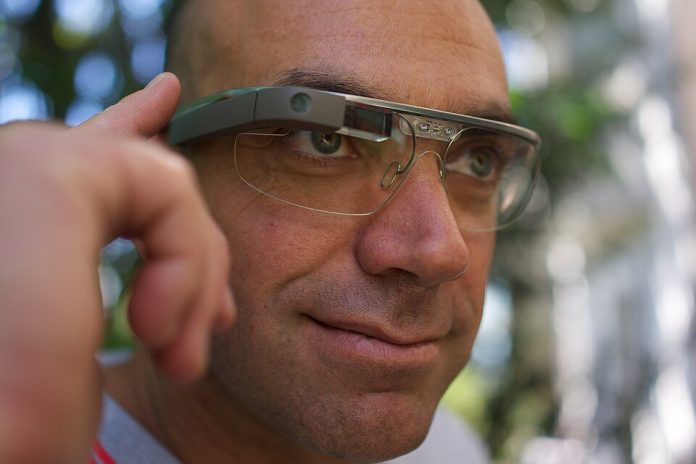
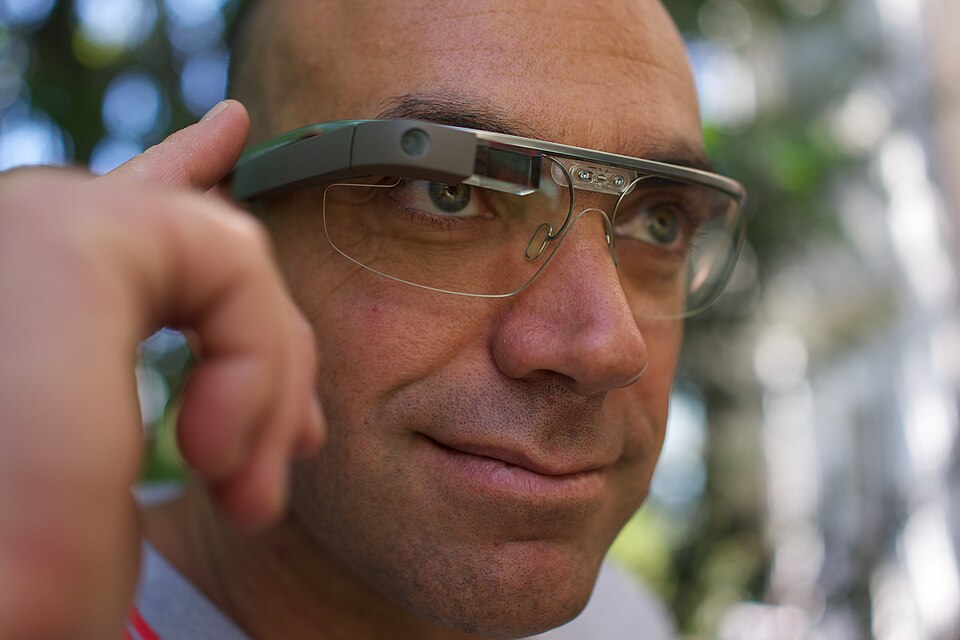
This is not a hypothetical: Smart glasses will replace or at least augment smartphones. In 2025, Apple, Google, Meta-joined by a wave of ambitious startups-are all targeting eyewear as the next big personal computing platform. Unlike false starts like 3D TVs or the niche plateau of VR headsets, smart glasses are aided by sudden advances in optics, AI, and wearable input systems, making them lighter, more capable, and more socially acceptable than ever.
1. Why Tech Giants Are Betting on Smart Glasses
A deal with Ray-Ban proved that people will wear AI-powered glasses, and Meta has announced sales of more than 2 million pairs in the first half of 2025. Apple reportedly axed plans for a second-generation Vision Pro to work on lightweight glasses instead, and Google is building an entire mixed-reality OS, Android XR, to make sure a single ecosystem exists between smart glasses and XR headsets. If Meta is right, the market could be huge-$8.26 billion by 2030-driven by the development of AI-powered capabilities and major industry-wide adoption.
2. Smart Glasses vs VR Headsets: Engineering Divergence
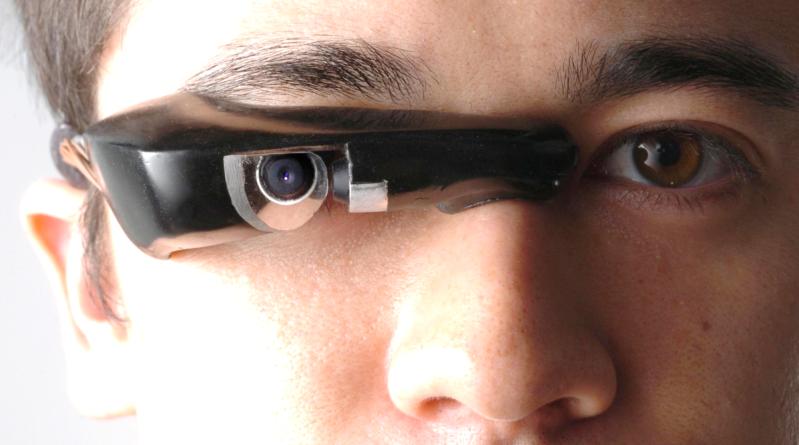
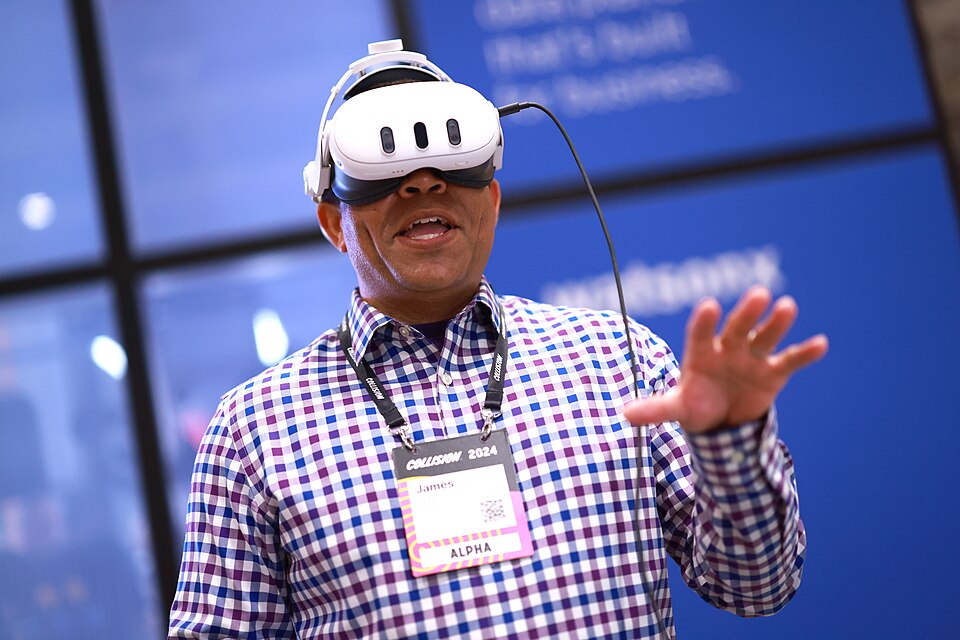
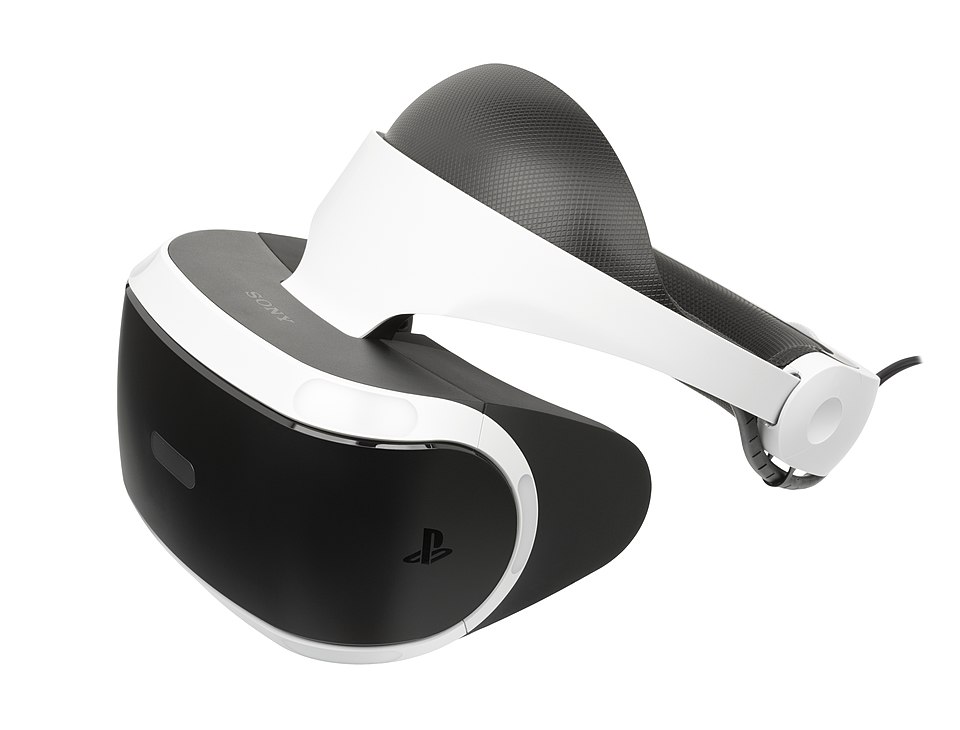
Both have three of the same basic building blocks: microdisplays, sensors, and processors. Their sharp divergence lies in their goals of design: whereas VR headsets isolate users by presenting a completely immersive environment with high-field-of-view optics and relying on external tracking, smart glasses emphasize mixed reality overlays to maintain environmental awareness. That involves some very different engineering decisions: whereas VR goes big, with bigger optics and high-capacity batteries, smart glasses shrink down into low power draw and discreet form factors.

3. The Three Emerging Categories
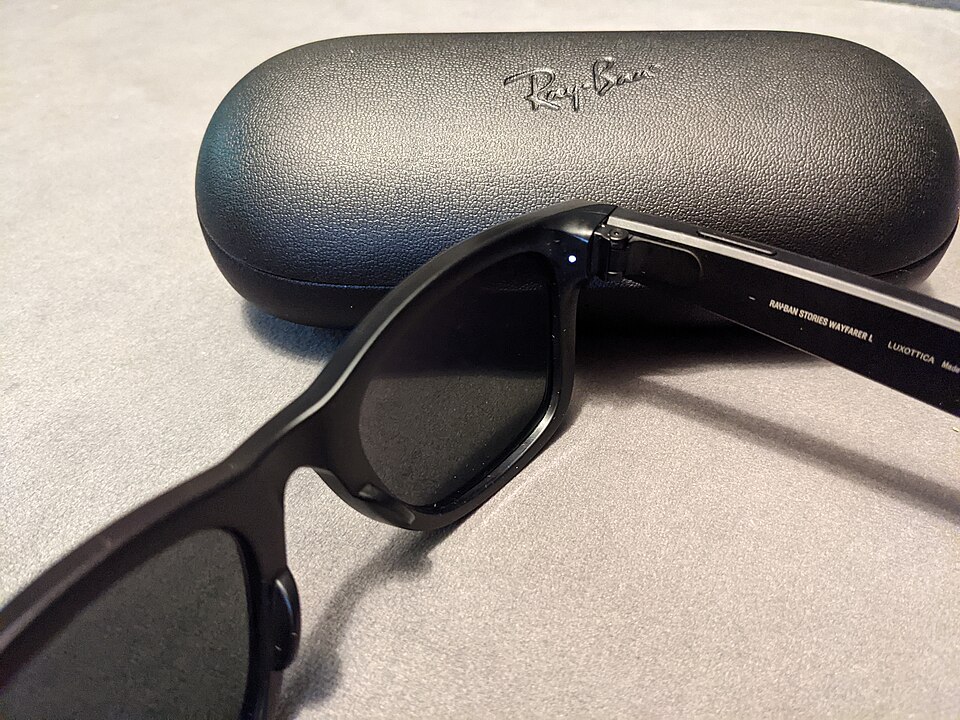
Smart glasses, sans displays, such as the early Ray-Ban Stories, feature cameras, audio, and voice assistants. Waveguide AR glasses-such as the Meta Ray-Ban Display or Even Realities G2-integrate microprojectors into lenses etched with optical patterns that enable thin, light designs with HUD-like overlays. Wearable monitor glasses, like those from Xreal and Viture, make use of birdbath optics-beamsplitters and mirrors-to reflect high-quality images into the eye, trading slimness for brightness and large virtual screens.
4. OPTICS Waveguide versus Birdbath Systems
Waveguides rely on internal reflection to channel light through transparent substrates and enable full-colour or monochrome displays in lenses as thin as regular eyewear. They are outstanding for wearability but display limited field of view and brightness. Contrasting with these are the Birdbath systems that provide finer image quality, wider viewing angles, and suffer from light loss, requiring darker lenses and thicker frames. Engineers try hybrid approaches to balance these factors of immersion, transparency, and comfort.
5. Android XR: A Platform Play
Finally, Google’s Android XR puts an end to the fragmentation in XR devices. Development kits boast Waveguide Monocular and Binocular Displays with touch-strip controls, integrated Gemini AI, and even baked-in apps like Google Maps with live minimaps. Unlike Meta’s closed OS, Android XR is open: developers can easily port over existing Android apps, while future support for iOS grows the addressable market. This is an ecosystem approach-a lot like the very success of Android on smartphones-and might just be what accelerates its adoption.

6. Wearable Input Innovations
Control remains the bottleneck. Meta’s neural wristband reads electrical signals to understand finger gestures; Even Realities’ G1 ring puts in a touchpad and adds health tracking. Android XR’s Project Aura brings full hand-tracking sans controllers, using Snapdragon XR2+ Gen 2 processing from a pocket-size control box. Smartwatch integration has emerged as the sensible bridge able to handle gesture and tap input with no extra wearables necessary.

7. AI as Core Experience
Generative and contextual AI is evolving smart glasses from passive displays to proactive assistants. Gemini can identify objects in view, offer text translation, and suggests actions based on surroundings. Meta’s AI also offers a number of these features, albeit much more tightly bound to its social platforms. This move from reactive to proactive is based on the recognition of visual context-a capability that is rapidly improving with onboard cameras and edge processing.

8. Hardware Diversity and Style
Consumer adoption is just as much about aesthetics as capability, which is why Google partners with Gentle Monster and Warby Parker, for instance, on designs almost indistinguishable from regular eyewear. There are models ranging from audio-only frames to full AR displays with transition lenses. Weight targets are anywhere between 25–50 grams for all-day wear, although display-equipped models like Meta’s Ray-Ban Display still break the threshold of 70g.

9. Assistive and Niche Applications
Beyond mainstream uses, smart glasses find a place in accessibility. The FDA-cleared hearing-aid glasses from Nuance Audio rely on beamforming mics to isolate speech. Camera-equipped smart glasses come loaded with an integrated app, Be My Eyes, describing surroundings for visually impaired users. Thus, many medically oriented designs forego cameras and displays altogether to maximize battery life and comfort.
10. Privacy and Safety Challenges
The point of continuous camera and microphone use does bring up privacy concerns. It is possible to disable LED recording indicators, and AI outputs can hallucinate or misidentify some objects. Then there are safety issues in the form of unexpected visual overlays when walking or driving. While open ecosystems like Android XR may allow users control over AI services, the need also pertains to standardization and transparency when it comes to data handling.

11. The Road Ahead
Development kits like Project Aura show what is possible: a 70-degree FOV, a hand-tracked interface, and multi-app multitasking inside a glasses form factor. While consumer-ready iterations may stay until late 2026, the intersection of waveguide miniaturization, AI maturity, and open XR platforms suggests smart glasses will be a core personal computing device and may perhaps bring along an era of the first post-smartphone computing.


