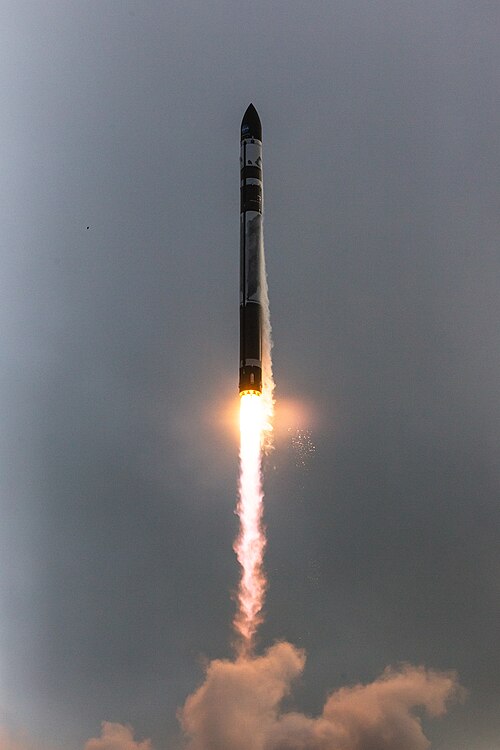
“What does it take to turn a hand‑folded art form into a high‑gain communications system orbiting Earth? For Japan’s Aerospace Exploration Agency, the answer came on a crisp December day when its latest technology demonstration mission, RAISE‑4, rode a Rocket Lab Electron into sun‑synchronous orbit, carrying an eclectic mix of propulsion experiments, AI‑driven sensing systems, and deployable structures that push the boundaries of small satellite engineering.
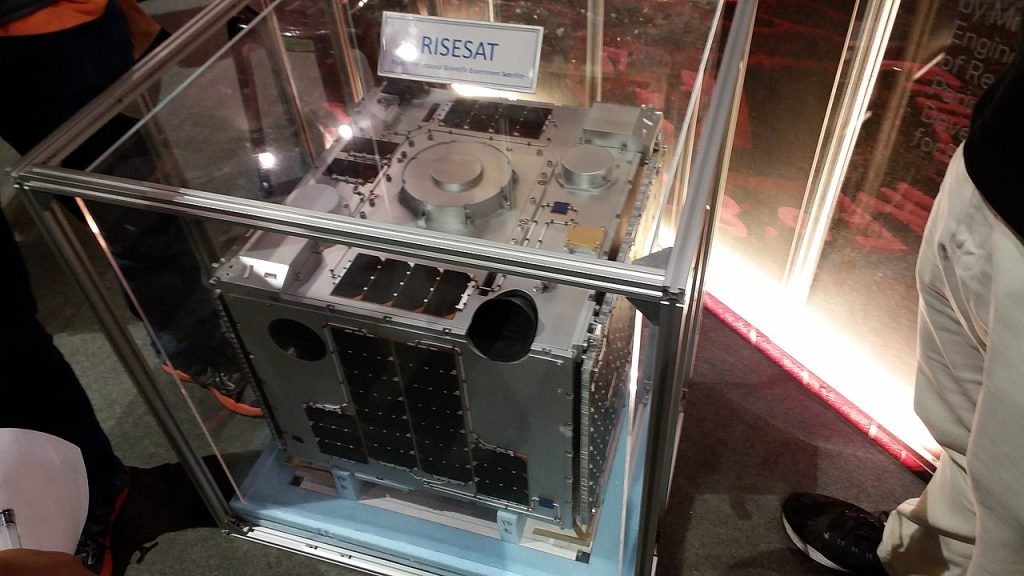
1. RAISE‑4: A Multi‑Payload Testbed in Orbit
At the core of the mission sits the 110‑kilogram Rapid Innovative Payload Demonstration Satellite‑4. Intended to test eight novel space technologies from Japanese universities, research institutes, and private enterprises, the payloads aboard RAISE‑4 range from advanced communication systems to propulsion prototypes. Its orbit at 540 kilometers provides an ideal vantage point for experiments necessitating sun-synchronous, stable conditions. The mission is part of JAXA’s open‑call program, wherein proposals undergo competitive evaluation for the acceleration of Japan’s capabilities in space.
2. OrigamiSat‑2: Folding Art into High‑Frequency Antennas
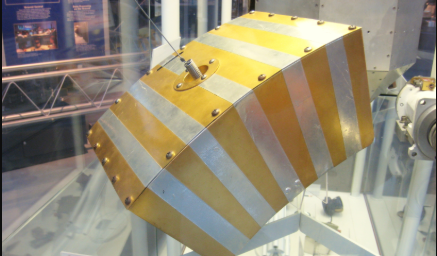
One of the most visually striking payloads is OrigamiSat‑2, a 3U CubeSat carrying a 50‑cm × 50‑cm two‑layer pop‑up reflectarray antenna</b. Stowed within a 10‑cm cube using a flasher origami pattern, the membrane unfolds in orbit to a surface area 25 times larger</b than its stowage volume. The two layers-one carrying antenna patches, the other serving as an electrical ground-are separated by 5 mm to form a dielectric layer. The structure deploys using elastic energy stored in four diagonal cylindrical composite booms released by a nichrome heater cutting polymer wires. Carrying a C‑band transmitter, OrigamiSat‑2 provides 20‑Mbps amateur satellite communication</b, while a deployable gravity‑gradient mast and magnetic torquers stabilize its attitude.
3. Engineering Deployable Membrane Structures
Its design uses textile substrates to accommodate the thickness of flexible electronics to ensure mechanical resilience for stowage. Ground verification work was conducted with electromagnetic field simulations, anechoic chamber measurements, vibration tests, and long‑term stowage trials. This approach builds on the one‑layer membrane heritage of OrigamiSat‑1 but with improved gain and frequency range in L‑band to X‑band, covering high‑capacity communications and Earth observation from small satellites.

4. AI in Orbit: AIRIS Maritime Surveillance
RAISE‑4 also carries AIRIS (Artificial Intelligence Retraining In Space), which Mitsubishi Heavy Industries is using to find evasive maritime vessels, or “dark ships,” that disable their AIS transponders. Unlike other satellites that downlink raw imagery for processing on the ground, AIRIS leverages onboard AI to spot targets in real time, downlinking only the relevant data. This minimizes bandwidth demands and allows for rapid response to illegal activities such as unreported fishing, which costs the global economy up to $23 billion every year. The AI models can be updated from Earth, enabling adaptation to new evasion tactics and broadening potential applications to tracking aircraft or land vehicles.
5. Water and Plasma Propulsion for Small Satellites
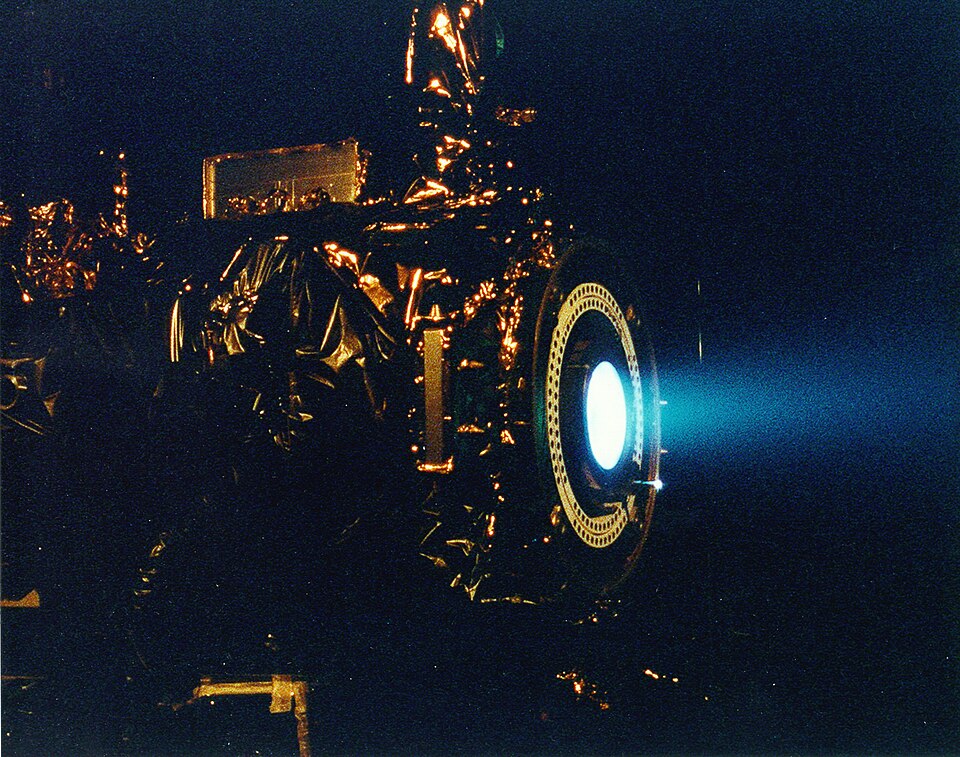
Two propulsion experiments onboard RAISE‑4 aim at meeting the increasing demand for efficient mobility in small satellites. KIR‑X uses water as propellant, which makes for a safe, low‑cost alternative for orbit maintenance or maneuvering. TDS‑PPT is to demonstrate a pulsed plasma thruster, compact and low-power electric propulsion suitable for ultra-small satellites. Such systems could provide extended mission lifetimes and/or station-keeping with high accuracy without depending on toxic propellants.
6. Debris-Free Satellite Housing
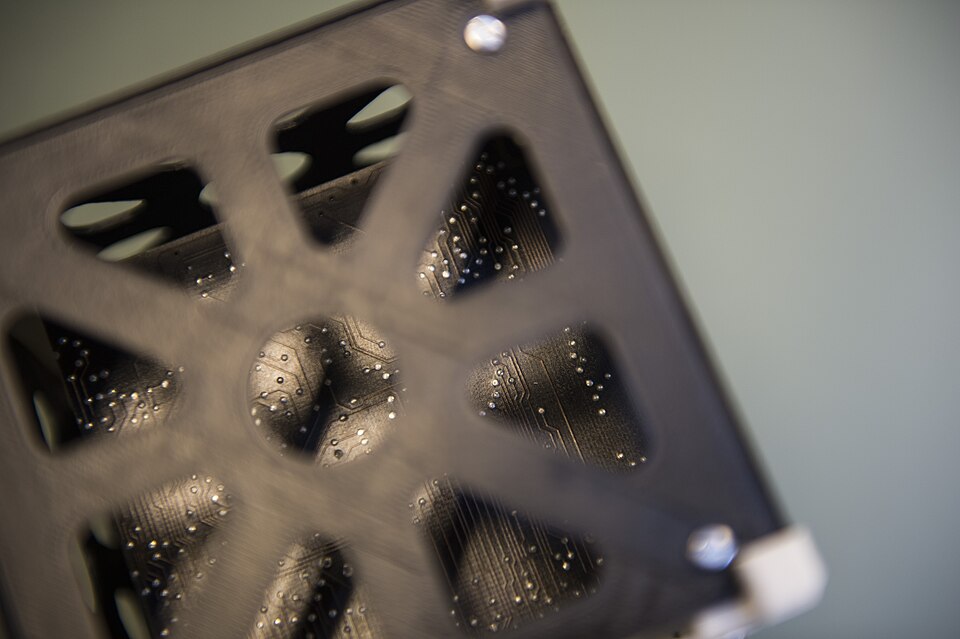
WASEDA‑SAT‑ZERO‑II introduces a 3D-printed CubeSat structure without screws or mechanical fasteners to minimize the risk of generating orbital debris. Its planar membrane deployment system also borrows from origami principles, supporting experiments in structural expansion without complex mechanical assemblies. Such designs could simplify manufacturing and improve reliability for future nanosatellite missions.
7. Interconnected Nanosatellite Constellations
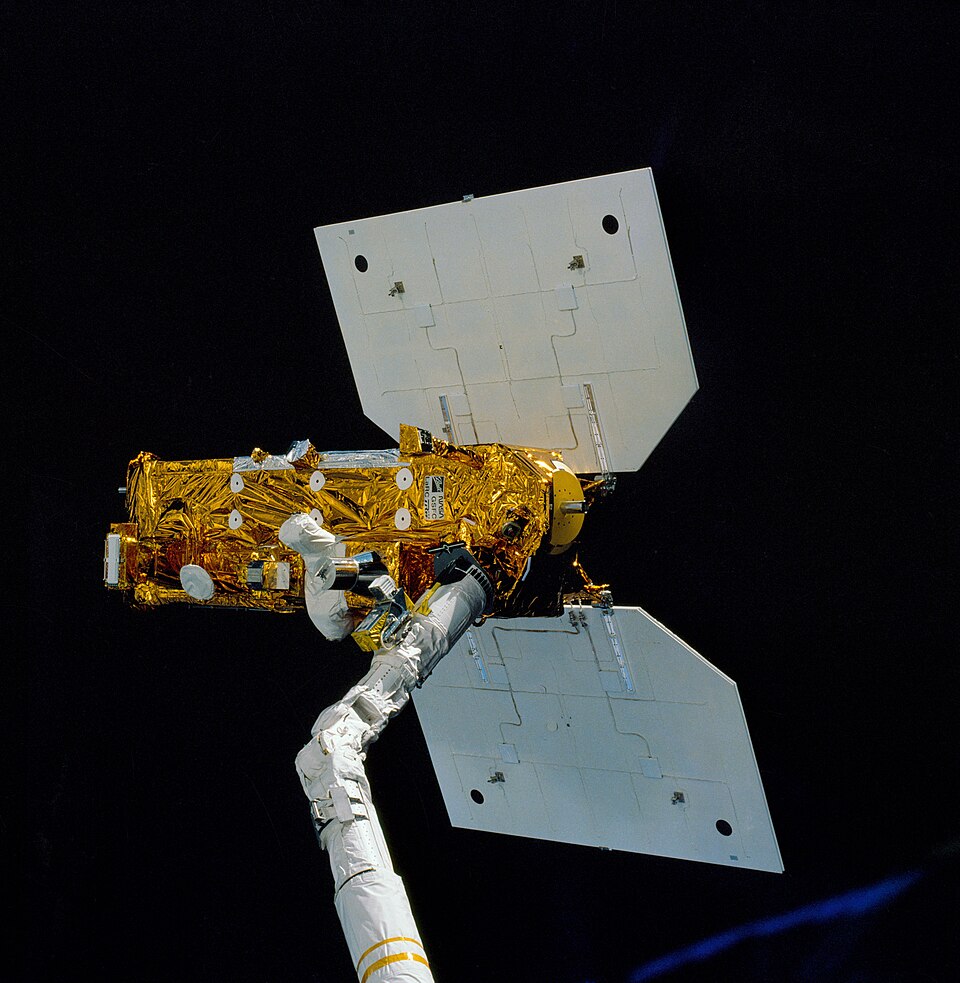
MAGNARO‑II demonstrates a new way of rotating and then separating physically connected nanosatellites into a functional constellation in orbit. The eventual outcome could be to reduce launch costs by sending several satellites together as one unit, then spreading them out to coordinated positions for distributed sensing or communications.
8. Intelligent Power Management in Space
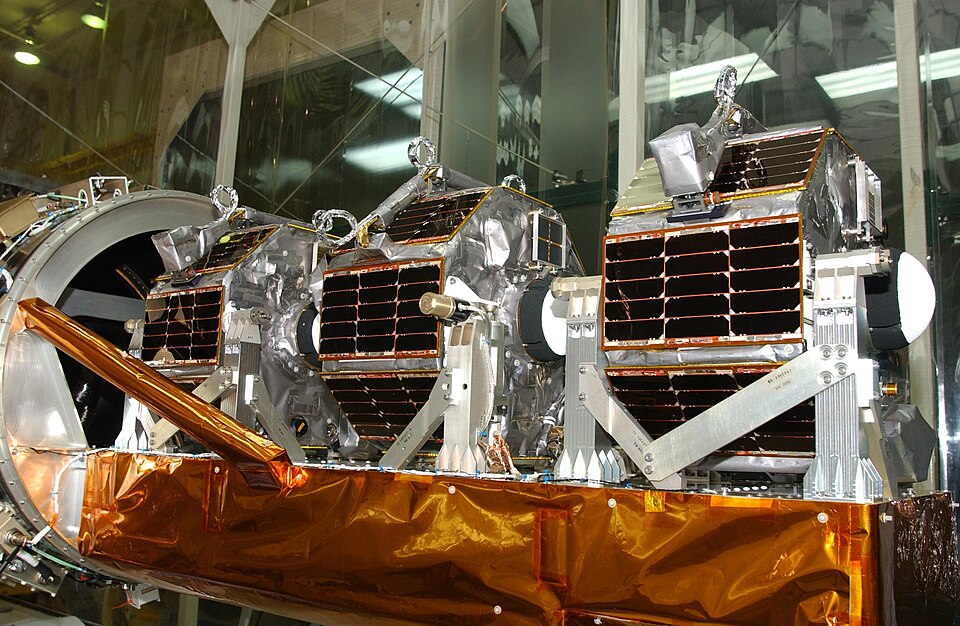
Mono‑Nikko has implemented an intelligent power supply unit to monitor the health of the batteries in ultra‑small spacecraft. Such systems are able to help avoid mission-ending failures and optimize energy usage for long-duration operations by catching deterioration or anomalies early.
9. Space‑Based Earthquake Monitoring
PRELUDE carries a hybrid electric field/plasma sensor to detect precursor phenomena that may be associated with seismic activity. If successful, the technology could form part of worldwide earthquake prediction networks combining space‑based measurements with terrestrial monitoring systems.
From origami-folded antennas to AI maritime surveillance, RAISE-4’s payloads represent a convergence of mechanical ingenuity, materials science, and onboard intelligence. Over the coming 13 months, these experiments will be operated by JAXA, which will give data that may redefine what small satellites can achieve in communications, navigation, and environmental monitoring, among many other areas.


