“Death is not the end; sometimes, it’s a pivot.” That unsettling thought now has experimental underpinning: biologists have been detecting a liminal ‘third state’ in which cells from dead organisms reorganize, adapt and do entirely new things. This nascent field is rewriting the boundaries between life and death, pushing against long-standing assumptions of irreversibility, and making possible technologies that seem lifted from speculative fiction. Coaxing frog skin cells and human lung cells into small, motile constructs able to repair tissue, navigate complex environments, and even self-replicate, researchers in labs from Massachusetts to Alabama have created what might properly be called the first biobots.
Dwelling in that twilight zone no longer part of a living organism but far from inert, implications will span from regenerative medicine through synthetic biology into our philosophical view of what it means to be alive. Nine of the most exciting developments at the frontier are described below, each touching on an aspect of the scientific and technological possibility inherent in the third state.
1. Anthrobots: Human Cells Reimagined
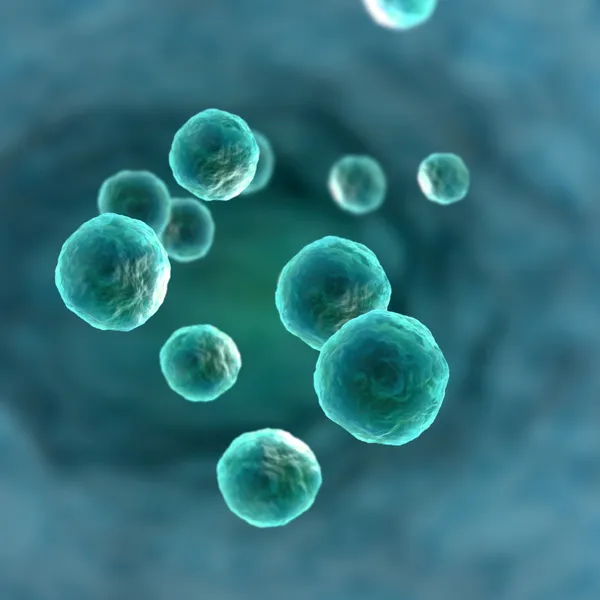
Anthrobots are derived from adult human tracheal cells and self-assemble in culture dishes sans surgical shaping. Their surfaces bristle with cilia that beat in coordinated patterns to propel them through fluid. In one striking experiment, these constructs encouraged damaged human neurons to regrow across a gap-a feat accomplished sans genetic modification. Their biodegradation after 45-60 days acts like a natural safety mechanism, which makes them promising candidates for either drug delivery or for targeted tissue repair.
2. Xenobots: Frog Cells in New Roles
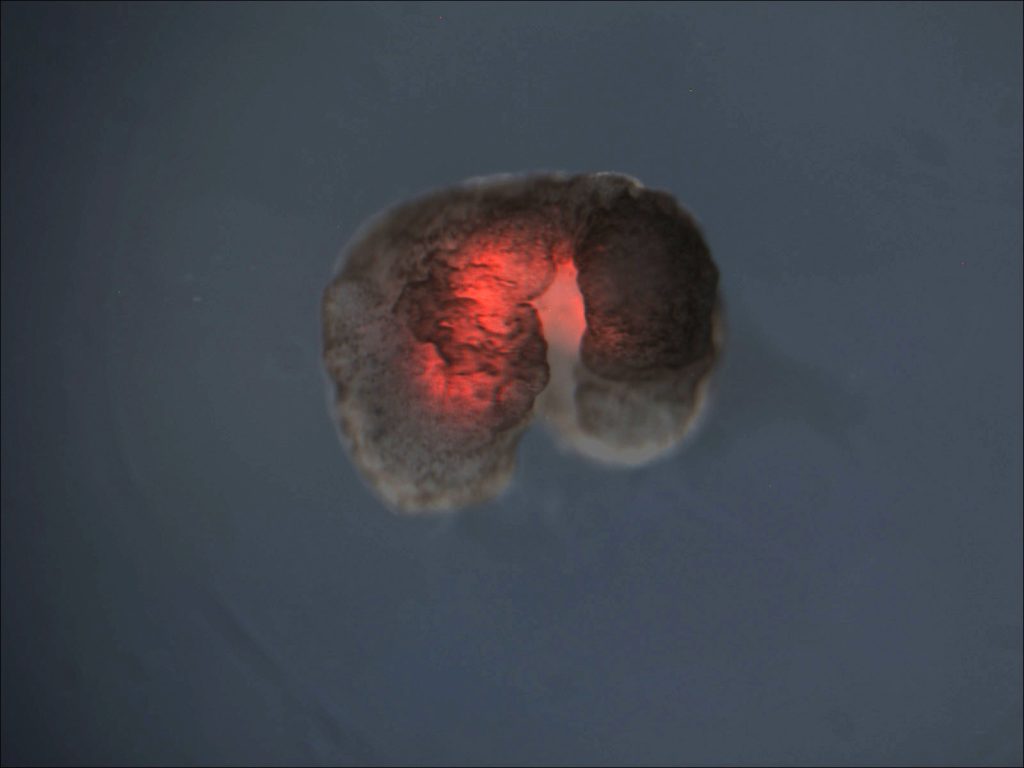
Skin cells from deceased Xenopus laevis embryos have been reorganized into multicellular entities that use cilia to locomote-not in the service of mucus transport, as in the frog-but for locomotion. These xenobots can heal after injury, and in some designs perform kinematic self-replication, gathering loose cells to build new bots. These behaviors emerge from the inherent plasticity of cellular systems, demonstrating hidden capacities of the genome when freed from normal developmental constraints.
3. Self‑Replication Beyond Biology’s Playbook
In one experiment headed by researchers at Tufts University and the University of Vermont, the AI-designed xenobots assumed a Pac-Man-like shape that optimized their capability to collect cells and assemble offspring. This kind of kinematic replication, formerly confined to molecular scales, persisted for several generations. As Joshua Bongard says, “With the right design they will spontaneously self-replicate,” pointing to how each computational design combines with biological plasticity.
4. Postmortem Cellular Survival
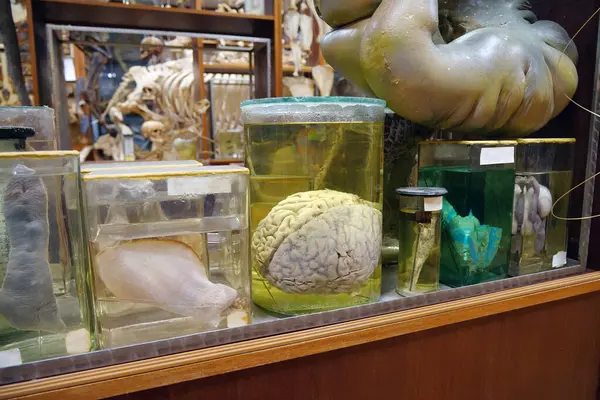
Different cell types survive for different times post‑organismal death: human white blood cells up to 86 hours, mouse skeletal muscle cells up to 14 days, and sheep and goat fibroblasts up to about a month. This toughness depends upon metabolic requirements, modes of preservation including cryopreservation, and the activation of stress related genes among other factors. In some instances, fibroblasts seem almost “oblivious” to the death of the host, still signaling and functioning.
5. Bioelectricity as Cellular ‘Cognitive Glue’
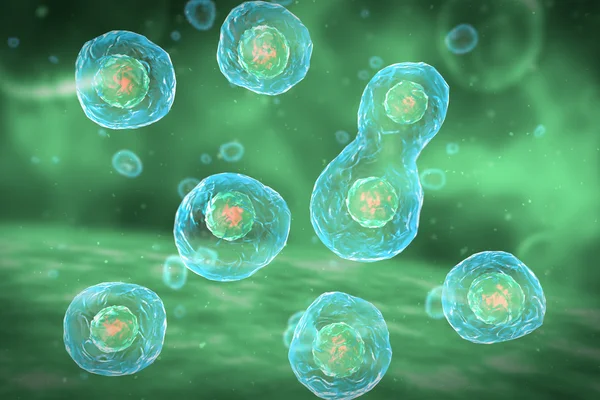
Rather, growth, locomotion, and morphogenesis are preeminently governed by electrical signals, including those produced across the cell membrane by specialized ion channels and pumps. Bioelectric networks are already part of what orchestrates cells toward coherent anatomical outcomes in xenobots and anthrobots. In other organisms, manipulation of such signals has been used to generate stably altered body plans; this work points toward a future ability to direct the forms and function of synthetic constructs.
6. Brain Revival Hours After Death
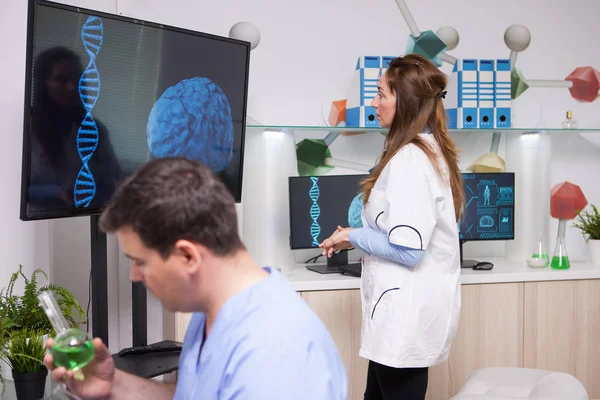
Using an perfusion system termed BrainEx, researchers restored microcirculation, metabolic activity, and some cellular functions to intact pig brains four hours after death. Although global electrical activity that is typically associated with consciousness did not return, neurons fired and glial cells responded to administration of stimuli. These findings indicate that the window for intervention after ischemic injury is longer than has been previously considered and have implications for both neuroscience research and medical resuscitation.
7. Environmental Navigation and Collective Behavior
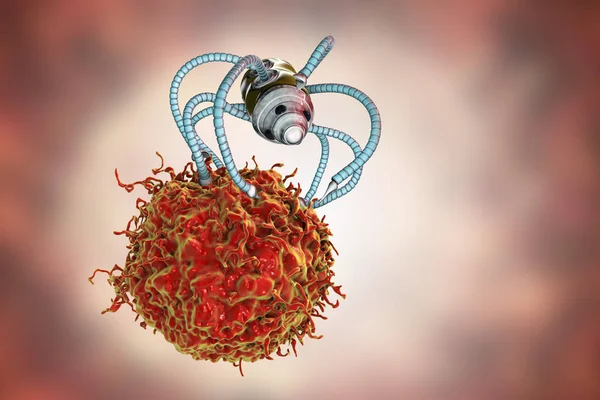
These robots can negotiate such tasks through terrains ranging from open arenas to narrow capillaries without being preshaped for the task. In groups, they can achieve emergent behaviors such as aggregating particles into piles. Simulations now demonstrate how such collective effects can arise without sensory feedback, purely from physical interactions, and can be enhanced by altering individual shapes-a potential route to applications in environmental clean-up.
8. Molecular Memory in Living Constructs
The researchers gave xenobots a simple form of memory by adding mRNA encoding a photoconvertible protein. Upon exposure to specific wavelengths of light, the protein irreversibly shifted its fluorescence from green to red, thereby allowing subsequent verification of environmental exposures. Proof‑of‑concept paves the way for biobots that record chemical exposures or other stimuli during deployment.

9. Medical Horizons and Ethical Boundaries
Potential applications include anthrobots sourced from a patient’s own cells to deliver drugs without immune rejection, dissolve arterial plaque, or clear mucus in cystic fibrosis. Yet the same properties that make third‑state constructs valuable adaptability, motility, interaction with living tissue demand careful ethical oversight. Researchers emphasize built‑in lifespans and containment, along with rigorous review to prevent unintended consequences. No longer a metaphor of speculation, the third state between life and death is a domain of empirical science in growth.
From self-assembling human cell bots to revived postmortem brains, such findings challenge binary alive versus dead and invite new frameworks for medicine, ecology, and synthetic biology. As the technology matures, its promise will stand on a delicate balance between innovation and caution: ensuring these twilight-state creations serve life without crossing boundaries we do not yet fully understand.


