“Can a fleet of rusting oil tankers really threaten global security? In the murky waters of sanctions evasion, the answer is yes. The so‑called “dark fleet” a sprawling network of rogue vesselshas become a central player in Russia’s economic survival strategy, moving sanctioned oil under false flags and manipulated identities while sidestepping international oversight.
This is no longer just a sanctions loophole; it is a maritime front in a wider gray‑zone conflict. The United States and Ukraine are now targeting these ships with seizures, drone strikes, and legal maneuvers, seeking to dismantle a system that fuels war, undermines law, and risks catastrophic environmental damage. What follows are ten key dimensions of this shadow war at seaeach revealing how the fleet operates, why it’s dangerous, and how enforcement is evolving.
1. Scale and Strategic Role of the Dark Fleet
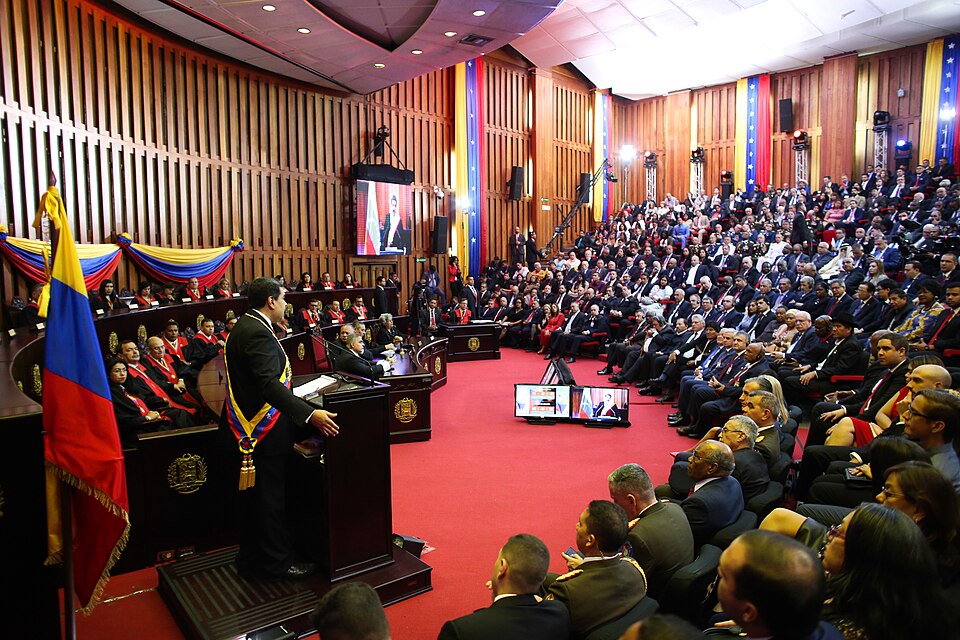
Maritime intelligence estimates place the fleet at roughly 1,000 vessels trading sanctioned Iranian, Venezuelan, and Russian crude. According to Michelle Wiese Bockmann of Windward, these ships are “a lifeline” for regimes under sanctions, channeling revenue into Russia’s war in Ukraine and sustaining Venezuela’s Maduro government. Their operations are not incidentalthey represent a deliberate economic warfare tool, designed to bypass sanctions and maintain funding streams for hostile state actors.
2. False Flagging and Stateless Operations
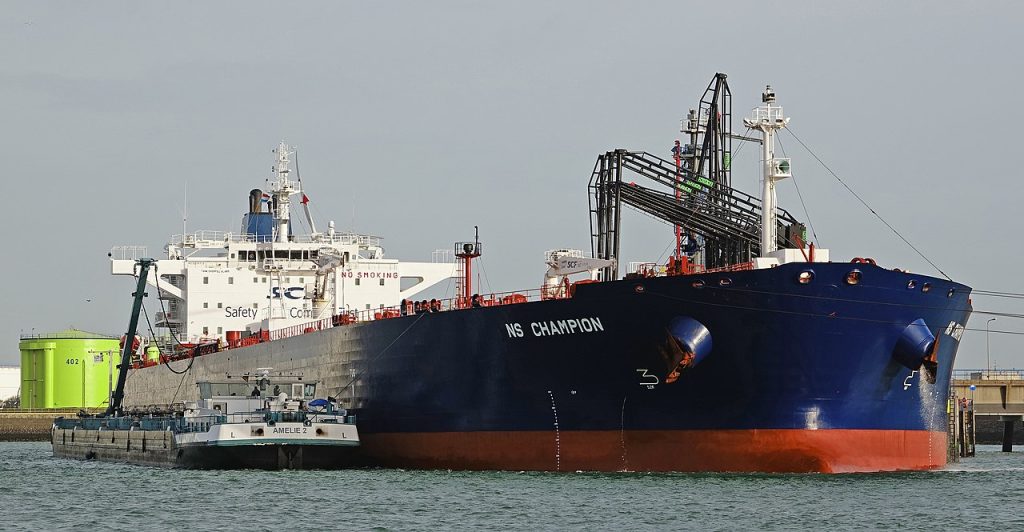
A core tactic involves vessels flying unauthorized flags, rendering them stateless under international law. In September 2025, 90 vessels operated under false flagsa six‑fold increase from late 2024. Some flags, like Malawi’s, are entirely fictitious, with registries that do not exist. Statelessness voids insurance, removes classification oversight, and exposes crews to heightened risk, while allowing operators to exploit the “right of innocent passage” to avoid interception.
3. AIS Manipulation and Location Spoofing
Ships in the dark fleet routinely manipulate their Automatic Identification System (AIS) to broadcast false positions. This “spoofing” can mislead authorities into thinking a tanker is off Guyana when satellite imagery shows it near Venezuela. Maritime tracking firms like TankerTrackers.com use satellite and optical imagery to detect mismatches, but AIS manipulation remains a potent evasion tool, enabling ship‑to‑ship transfers and covert port calls beyond enforcement reach.
4. Aging Vessels and Elevated Environmental Risk
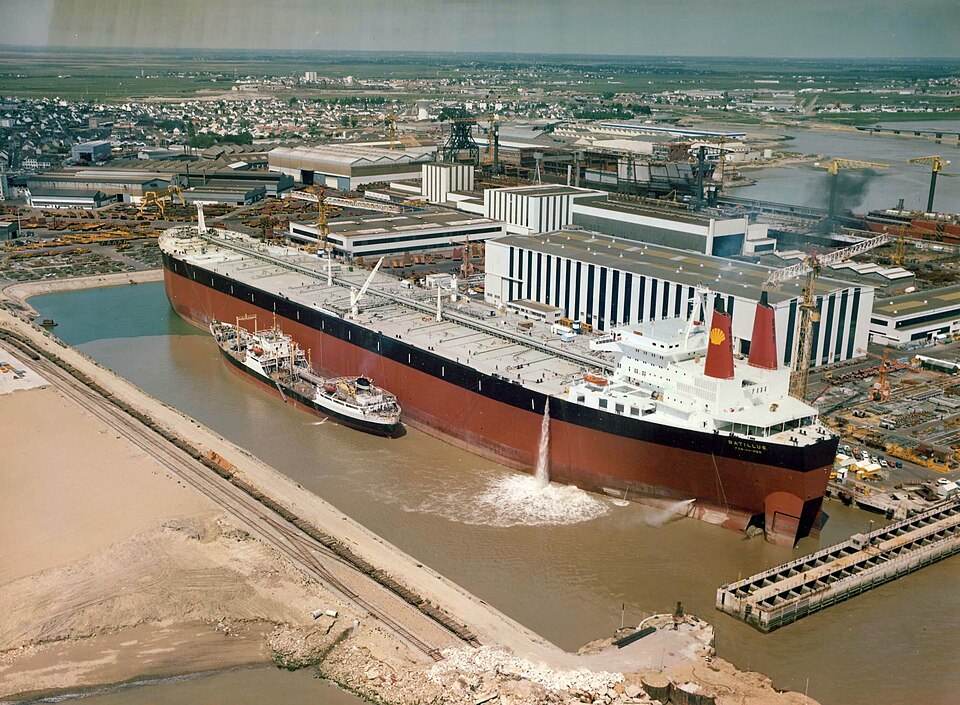
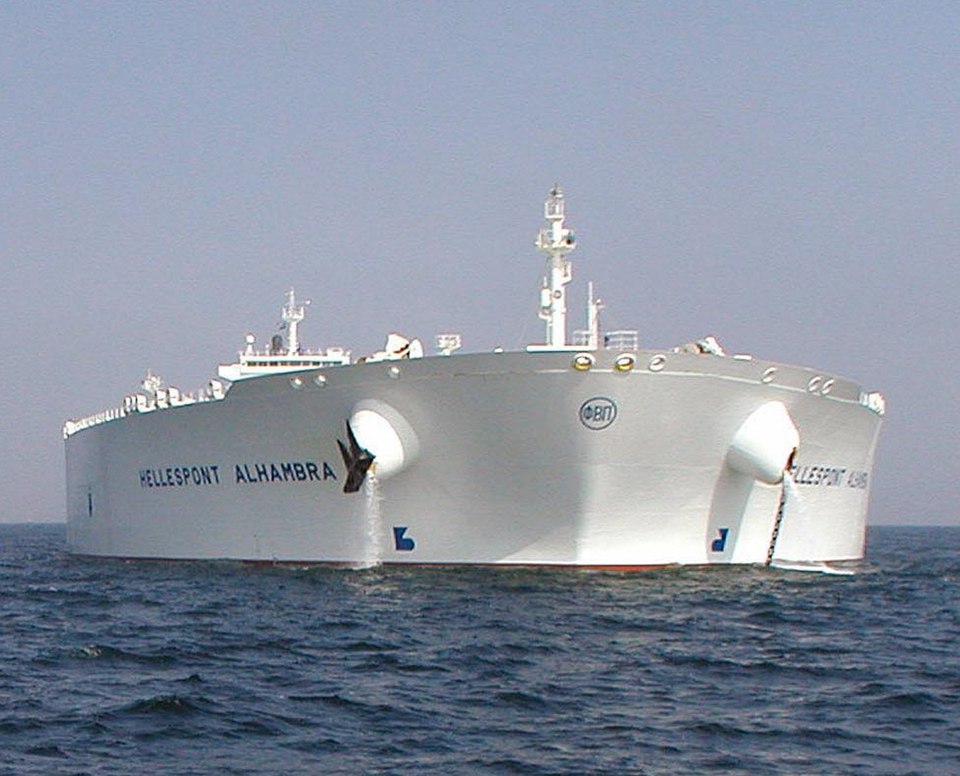
The fleet’s average age exceeds 18 years, with over 75% past the 15‑year threshold where technical failures spike. Poor maintenance and lack of verified insurance magnify the danger. Bockmann warns of a “billion‑dollar oil spill catastrophe waiting to happen.” In narrow, ecologically sensitive waterways like the Baltic, a single hull breach could devastate fisheries and coastal economies, while cleanup costsoften unrecoverablewould fall entirely on affected states.
5. Legal Tools and Article 110 Enforcement
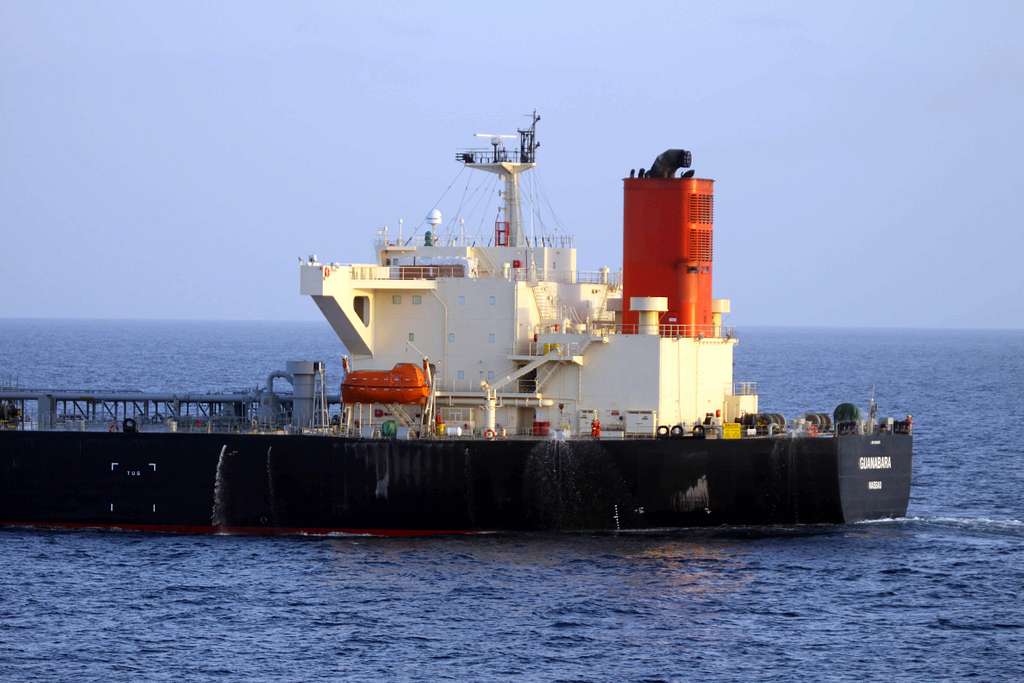
The United States has invoked Article 110 of the UN Convention on the Law of the Sea to board stateless vessels, as in the seizure of the tanker Skipper. This provision allows warships to verify a vessel’s nationality if it is suspected of being without one. While boarding is widely accepted, seizure remains contentious, with some states rejecting unilateral enforcement against stateless ships. Nonetheless, Washington’s Maritime Drug Law Enforcement Act extends jurisdiction over such vessels, creating a legal pathway for interdiction.

6. Ukraine’s Drone Strikes in the Black Sea
Kyiv has shifted from defensive naval operations to proactive targeting of shadow fleet tankers. Recent strikes disabled vessels like the Dashan, part of Russia’s sanctions‑evading network. Ukraine selected tankers “in ballast” not carrying oilto minimize environmental fallout. These actions signal a willingness to disrupt logistics directly, framing maritime interdiction as part of broader wartime strategy.
7. Registry Exploitation and Flags of Convenience
Of 46 registries used by Russian shadow vessels since 2022, 23 are classified as flags of convenience. These open registries have facilitated the transport of EUR 50 billion in Russian oil. Post‑sanctions deflagging by traditional registries has driven operators to newer, less‑regulated registries with no enforcement history, complicating oversight and creating fresh havens for sanctioned ships.
8. Insurance Evasion and Liability Shifting
Over 70% of the fleet lacks verifiable Protection and Indemnity coverage. Many list defunct insurers or falsified certificates. Without valid insurance, collision or spill costs shift entirely to coastal states or private actors. The International Tanker Owners Pollution Federation estimates spill costs at up to $4,000 per barrel, yet affected states often have no legal recourse due to opaque ownership and registry structures.
9. Gray‑Zone Aggression and Strategic Pressure
The dark fleet embodies gray‑zone tacticsactions below the threshold of armed conflict but designed to impose strategic costs. By normalizing sanctions evasion and environmental risk, Russia leverages the fleet as a coercive tool against NATO and EU states. Incidents like anchor‑dragging damage to subsea cables in the Baltic illustrate how maritime logistics can double as infrastructure sabotage.

10. Emerging Countermeasures and Enforcement Gaps
Nordic‑Baltic states have begun joint insurance verification at chokepoints, and port authorities can demand proof of coverage. However, compliance is inconsistent, and real‑time solvency checks are rare. Experts advocate expanding registry information‑sharing, mandating beneficial ownership disclosure, and deploying satellite‑AI tools to detect AIS suppression. Targeting enabling actorsregistries, insurers, brokersmay prove more effective than chasing individual vessels at sea.
The confrontation with the dark fleet is not simply about stopping illicit oil shipmentsit is about closing the legal, regulatory, and operational seams that allow hostile states to weaponize maritime commerce. The United States and Ukraine’s actions mark an escalation in counter‑gray‑zone strategy, but lasting impact will depend on coordinated measures that dismantle the fleet’s support architecture. Without such systemic disruption, the riskseconomic, environmental, and strategicwill continue to sail unchallenged across the world’s waterways.”


