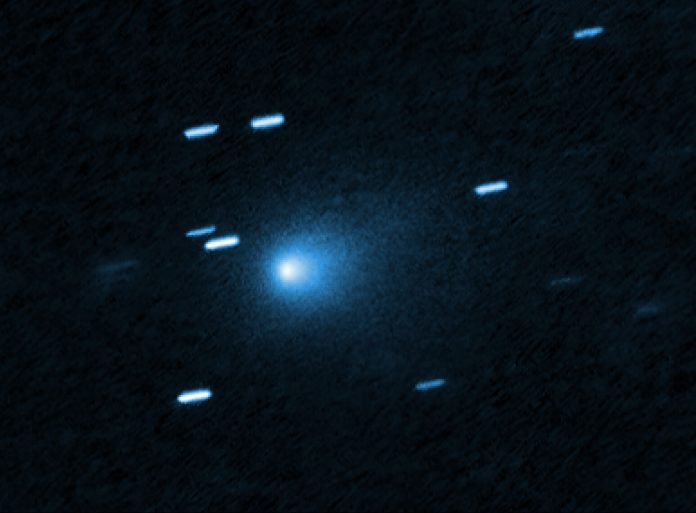
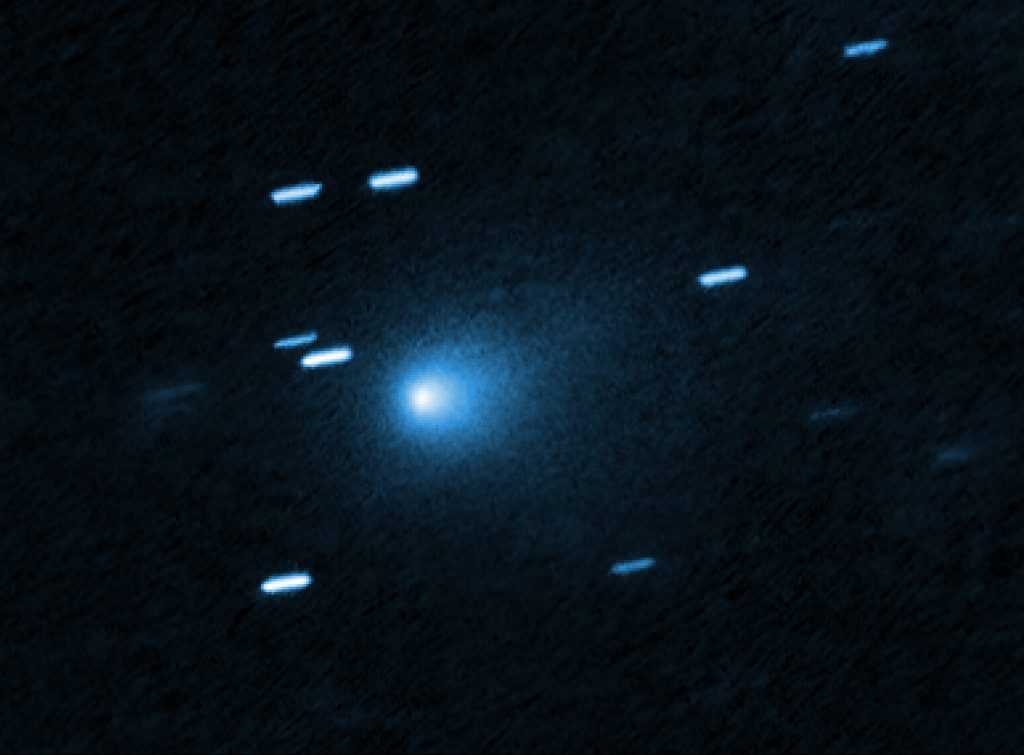
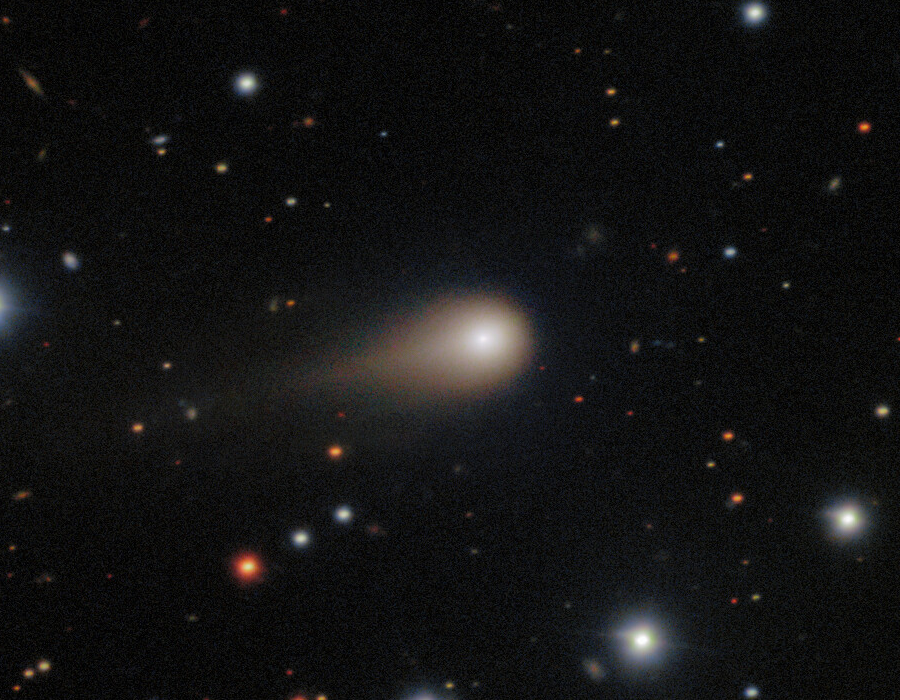
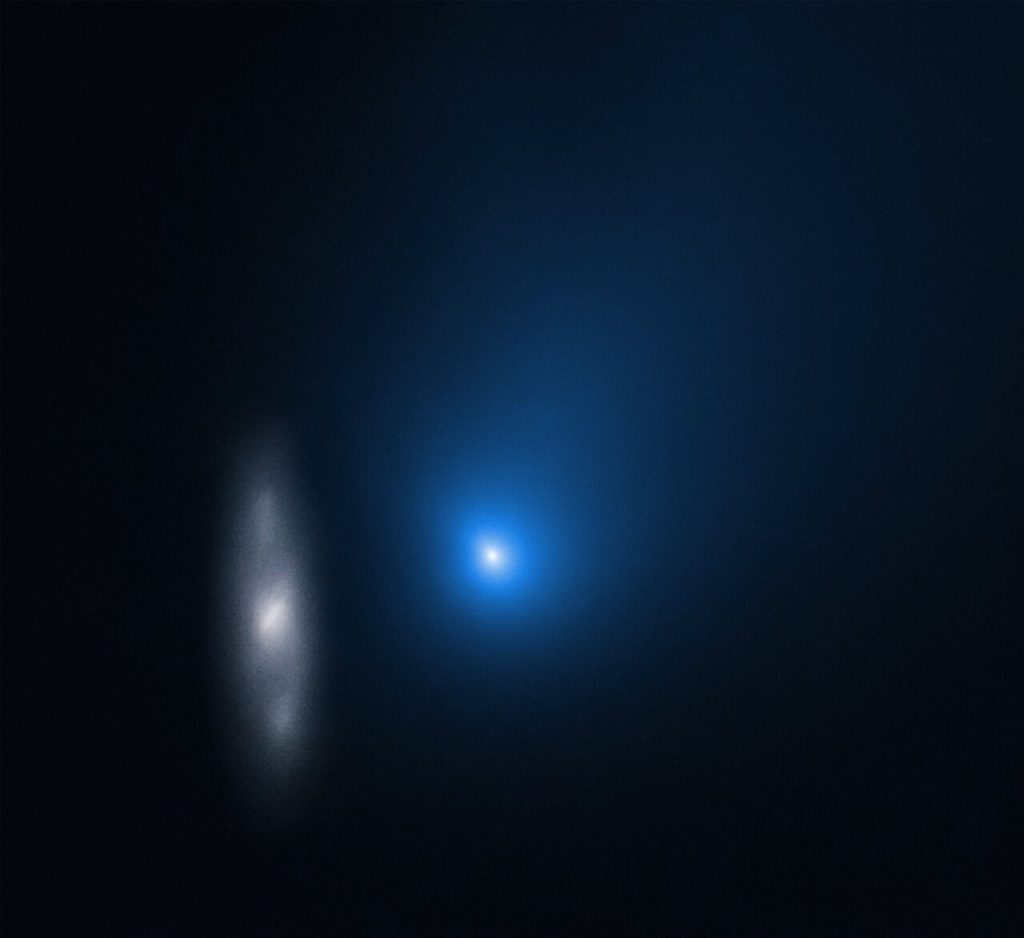
All the images I have seen show a relatively ordinary/healthy-looking comet. There is no indication at all that the nucleus broke up, cometary expert Qicheng Zhang summarized the sentiment among astronomers observing the passing and highly unusual interstellar comet 3I/ATLAS. Normal, yet abnormal. Comets are normally composed primarily of ice. Its abnormality derives from its extraordinary chemistry.
Comets have historically been very active, but 3I/ATLAS sets an unusual standard. Its rapid movement poses an engineering challenge. As 3I/ATLAS hurtles towards its closest approach to our planet on December 19, 2025, it continues to display characteristics that defy comet physics.
1. A CO₂ Dominated, Metal
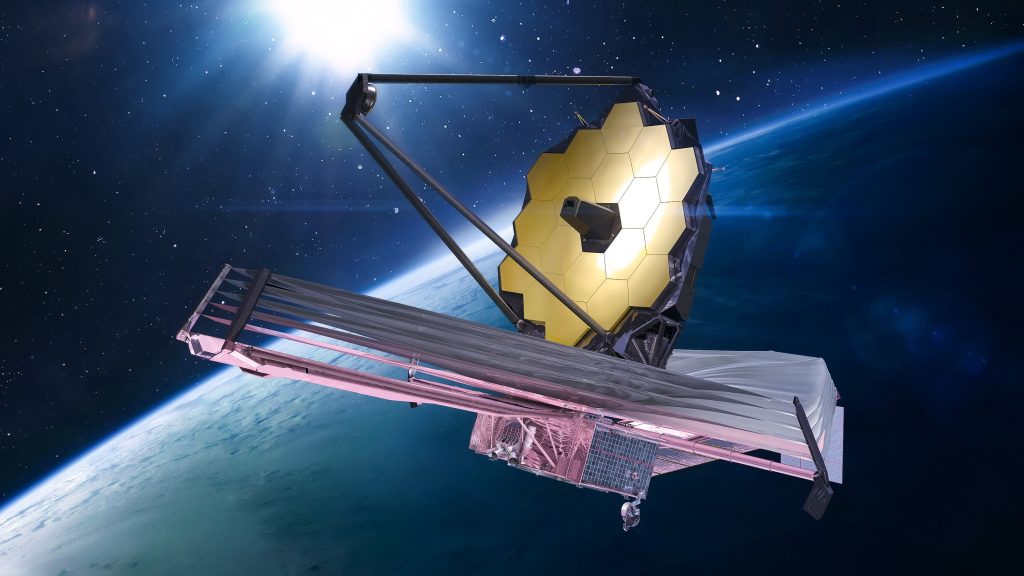
Because it doesn’t have its own spectrum, 3I/ATLAS appears as a dark region on these spectrographic images. Notice that there are bright bands on either side because 3I/ATLAS’s parents were brighter. The ratio of carbon dioxide to water vapor discovered within 3I/ATLAS’ coma via the Near-Infrared Spectrograph on the James Webb Space Telescope shows that there’s almost eight times as much carbon dioxide. This ratio has never been seen before on comets within our own Solar System. Confirmation of these findings via observations with the SPHEREx mission validate these readings and imply an origin within a region rich with carbon dioxide.
2. Cryovolcanic Eruptions and Jet Formation
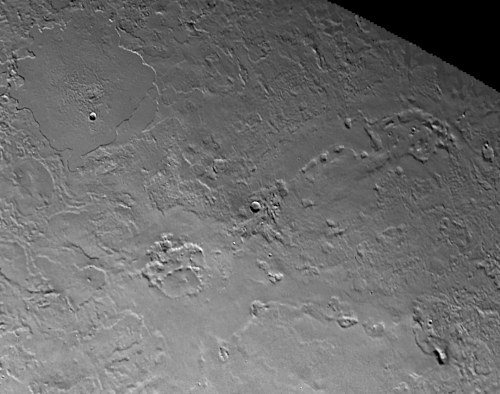
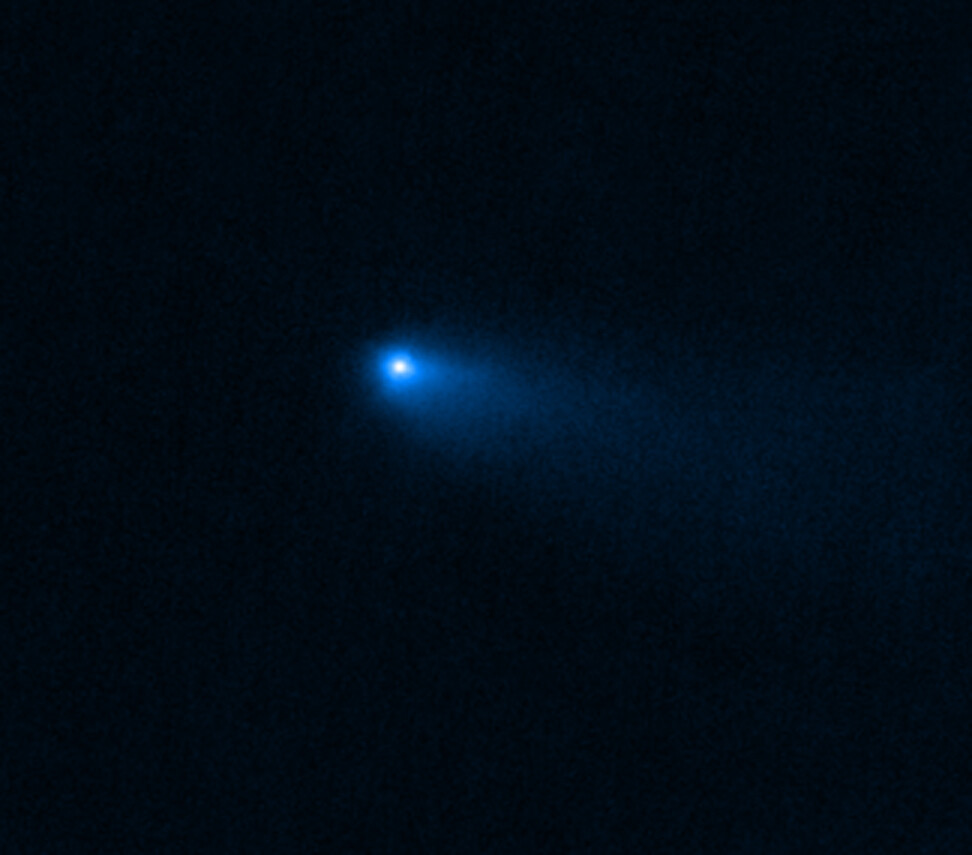
Resolved imaging at high resolution at European observatories has revealed spiral-like jets shooting out from localized vents. These cryovolcanos, with activity fueled by sublimation of CO₂ and water ice beneath a processed surface layer, have been known to eject debris at rates anytime within a range of a few hundred thousand kilometers. Without a dust layer capable of shielding Solar System comets, solar illumination extends down into zones with volatiles, and intense outgassing occurs.
3. 16.16-Hour Variability
Photometric observation shows a periodical pattern on the light curve with a period of 16.16 hours. However, the amplitude with values measured in tens of percent considerably exceeds what would be caused solely due to nucleus rotation. On the contrary, it can be assumed that regular jets increase and decrease as chunks of volatiles rotate within the solar illumination area. Outflowing velocities are measured at 440 m/s, so it would be enough to travel 25,000 km.
4. Radio Emissions Due to OH Molecules
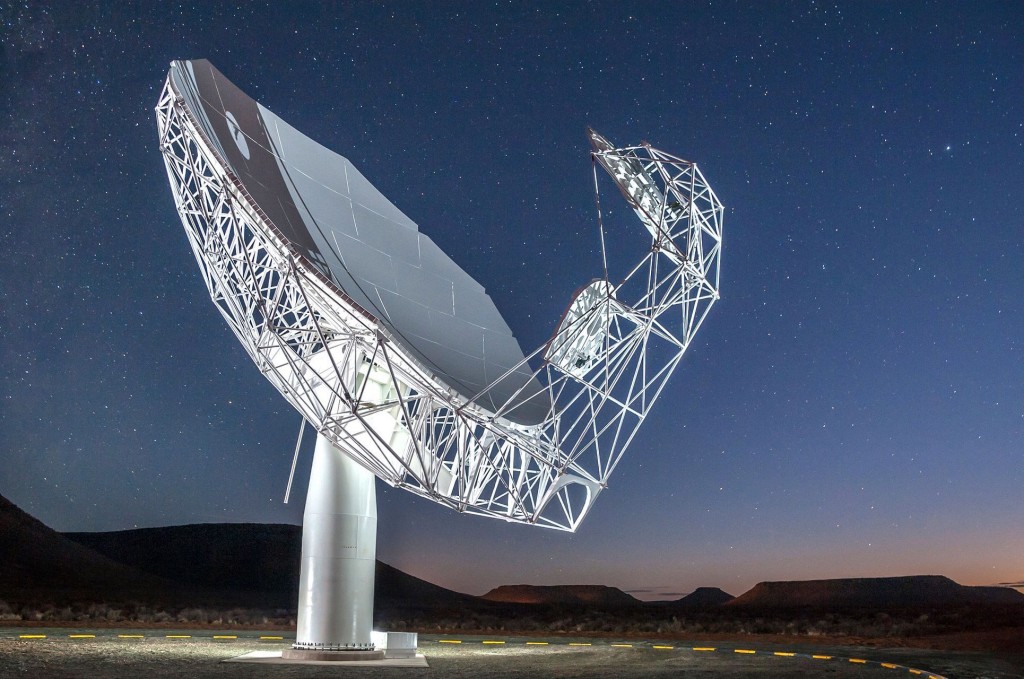
The MeerKAT telescope detected narrow absorption lines at 1665 and 1667 MHZ on October 24, and these are classic spectral signatures of hydroxyl molecules created as a result of the ultraviolet radiation breaking water molecules resident in the comet’s coma. It should be noted that these phenomena have been well documented within comets and offer definitive proof of active water emission.
5. Non-Gravitational Acceleration and Out
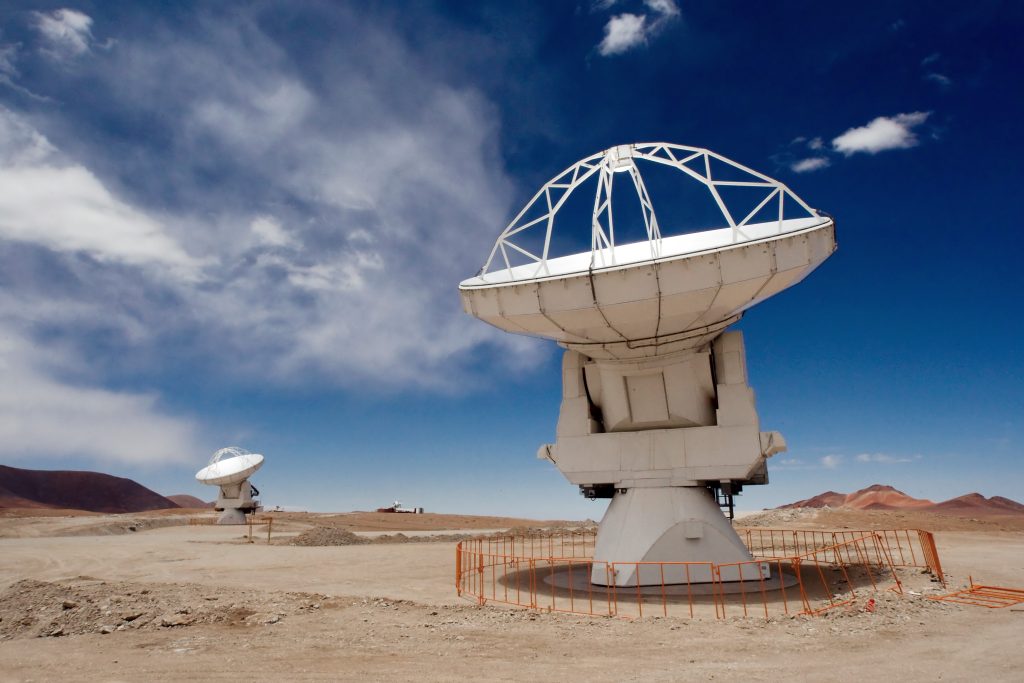
Trajectory modeling based on ALMA observations and the International Asteroid Warning Network indicate an acceleration of approximately 0.02 mm/s² on a 50-day timescale near perihelion, with a resultant change in comet velocity of approximately 86 m/s. Simulations indicate that these phenomena can be accounted for by an “rocket-effect” due to asymmetry in jetting activity associated with 13-16% volatile mass loss on a several months timescale.
6. A Pristine Interstellar Time Capsule
Dynamical analyses indicate that 3I/ATLAS has, at least within the past 10 million years, avoided proximity to a star. 3I/ATLAS’s photo-ionized surface and compositional peculiarity make it extremely valuable as a remnant from an early planetary system. Its age could be as old as 7-14 billion years, well before the Solar System itself, providing an indication about conditions and volatile composition within interstellar media.
7. Global Observation and Planetary-Defense Exercise
The United Nations and IAWN have chosen 3I/ATLAS as the target for their eighth planetary defense exercise. The exercise will be conducted from Nov 27, 2025, through Jan 27, 2026. It will be carried out with coordinated astrometric observations worldwide. A comet poses specific problems with tracking, with a comae and tail large enough to introduce systematic error into centroid calculations. It will be a challenge to validate astrometric extraction.
8. Viewing Opportunities for Amateur Astronomers
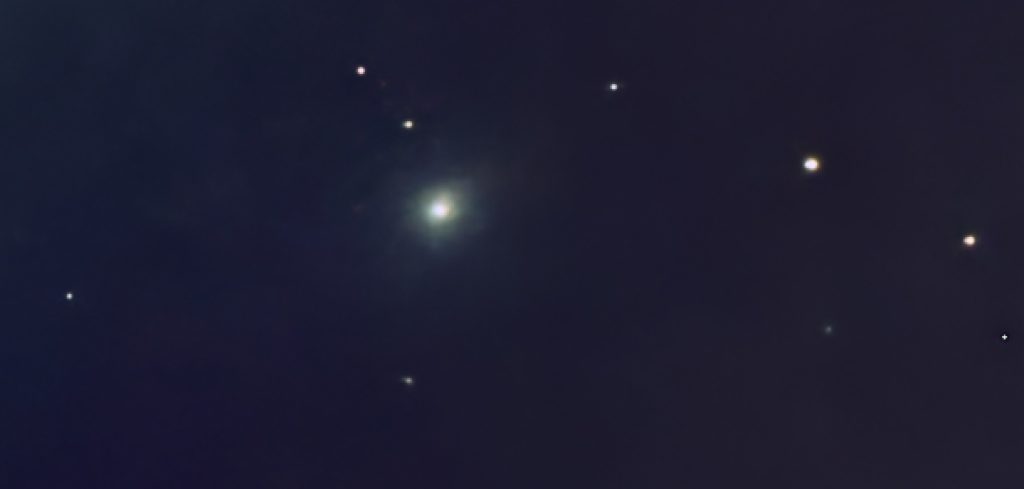
At its closest approach on December 19 at 1.8 AU, comet 3I/ATLAS will be bearly 10 mag and will be close to Regulus in the constellation of Leo. A 6-8 inch telescope will be needed on a dark night to spot it. Astrophotographers with tracking mounts will be able to image its tail and jets with multi-minute exposures.
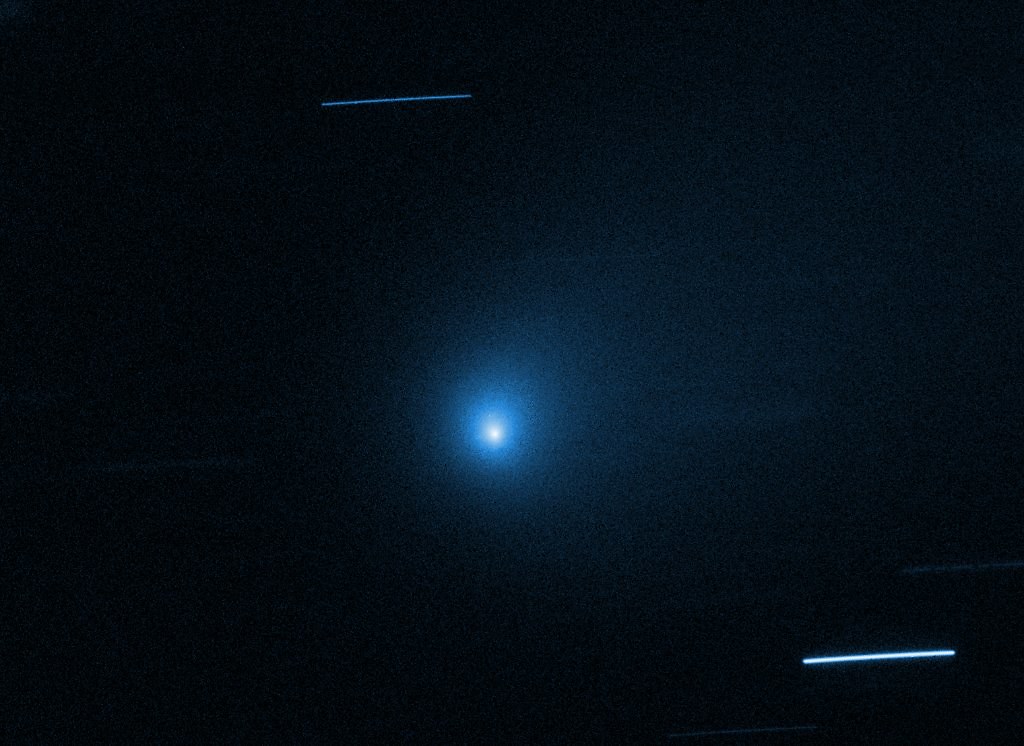
Apps with precise coordinates will be necessary for knowing where exactly to look. As 3I/ATLAS hurtles towards its Jupiter Flyby in March 2026, every pulse from its heartbeat activity, cryovolcanic jet, and spectral feature brings 3I/ATLAS ever closer to becoming a more familiar yet completely alien comet. It is an unspoiled metal-rich and CO₂ composition interstellar comet that defies comet formation theories, enhances planetary defense methods, and expands the scientific understanding of small bodies within the galaxy.


