

Will a drone be sufficient to reverse the strength of air superiority forces in the Indo-Pacific region? A new heavy drone with the fitting naming of Jiutian has just made its first flight, signifying that there will soon be a rapid escalation with regard to its swarming attacks. China’s first ever mission with its operational aircraft was conducted in Shaanxi Province and would be more apt as an option that would display precision-guided munitions as well as swarms.
Years later, Chinese military strategists have been seeking an unmanned aircraft which is flexible and with a high loading capacity and can be an airborne arsenal. The presence of Jiutian represents more than an advance on its technological capabilities but represents a paradigm shift in China’s strategy on autonomous and modular unmanned aircraft capabilities. Listed below are some of the main attributes associated with Jiutian.
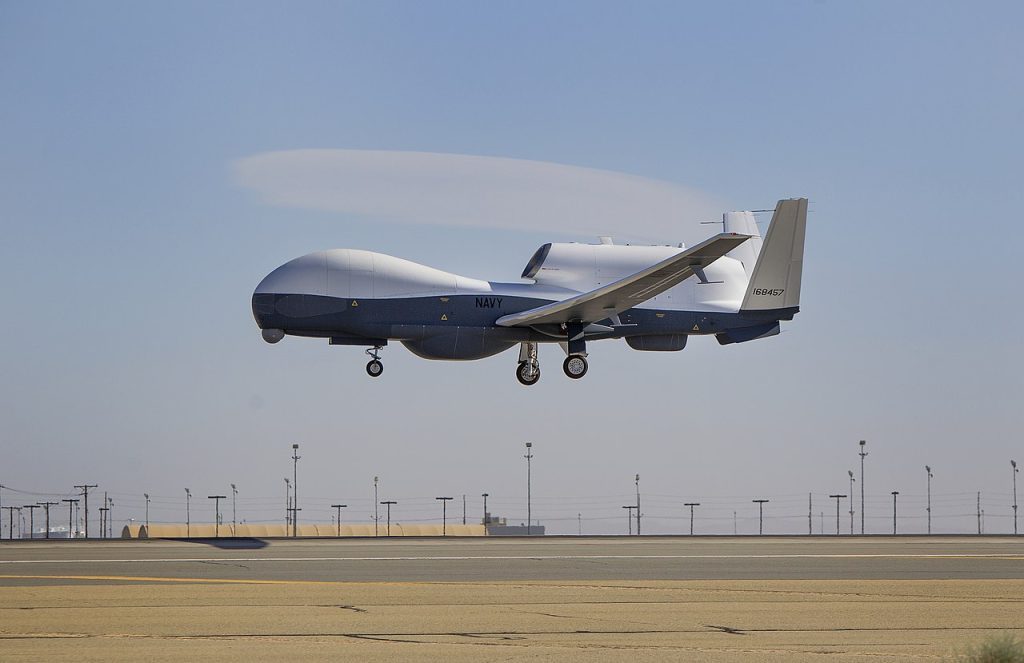
1. Record-Breaking Size and Payload Capacity
With a total length and wingspan of 16.35 meters and 25 meters respectively, Jiutian is among the largest drones ever made. It weighs 16 tons and boasts a payload capability of 6,000 kilograms. Its weight class also puts it among drones like the U.S. RQ-4 Global Hawk. According to reports on Chinese state media, Jiutian boasts 12 hours of endurance and a 7,000-kilometer ferry range.
2. Modular Mission Bay for Swarm Deployment
The most distinctive feature of the Jiutian drone family is its internal “isomerism hive” mission bay. The enclosed region can be configured within two hours as an operating arena for hundreds of loitering munitions or small UAVs. A CCTV broadcast asserted its function as an aircraft with capabilities to unleash hundreds of drones while mid-flight, with functions for respective reconnaissance, jamming, and precision attacks for respective drones. The aircraft features smooth transition functions for carrying out operations in strike, transport, or cyber warfare.
3. Multi-Role Combat Configuration
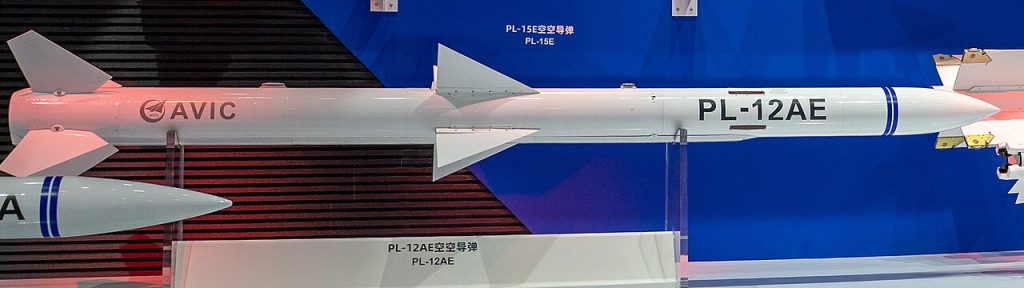
Its eight hard points on its underside allow it to use 1,000kg-class guidance bombs, anti-ship missiles, and radar-guided air-to-air missiles. It has also been depicted with PL-12 missiles, TL-17 Land Attack Cruise Missiles, and precision-guided bombs. By utilizing the concept of swarm attacks, Jiutian becomes a bomber-UAV hybrid aircraft.
4. Advanced Sensor and Communications Suite
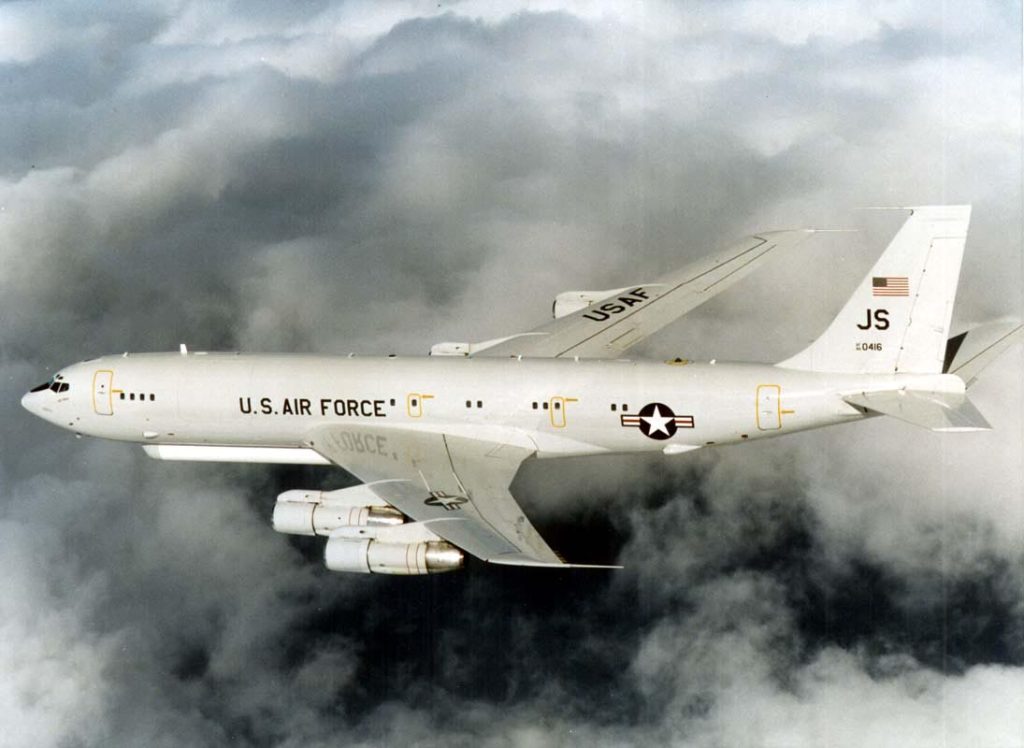
A nose-mounted electro-optical/infared turret provides support for targetting and ISR, and there would be a dome on top of the nose region that would house beyond line-of-sight communications. The radar mount facilities could allow Jiutian to detect and target airborne threats or assist it with navigation. It would then be a strike platform as well as a communications platform at high altitude.
5. Strategic Role in Taiwan Contingency Planning
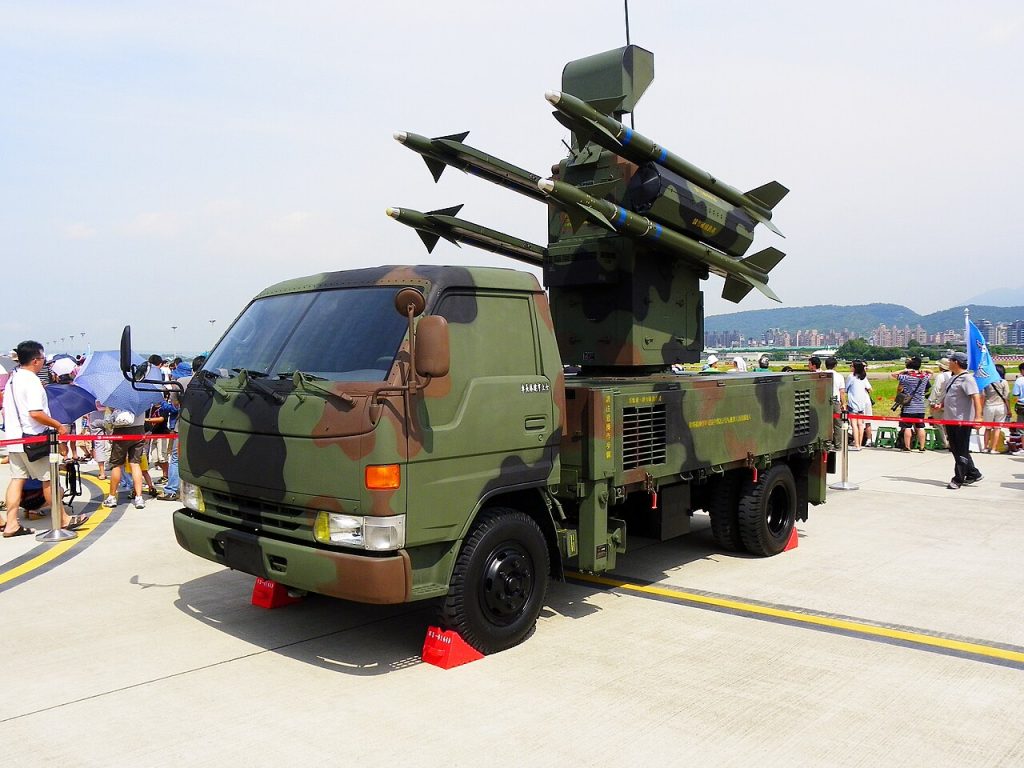
China’s military strategists are persuaded that Jiutian drones will be flying overhead in mainland China, and drone “wave after wave” attacks will be launched to saturate Taiwan’s air defense systems. China’s drone swarms might include deception drones, jamming functions, and precision-guided payloads, making it simpler for manned aircraft and missiles. The range and flying abilities of a drone allow it to function effectively from ‘sacred’ airspace but impact operations hundreds of kilometers away.
6. Sea Strike and Loyal Wingman Capability
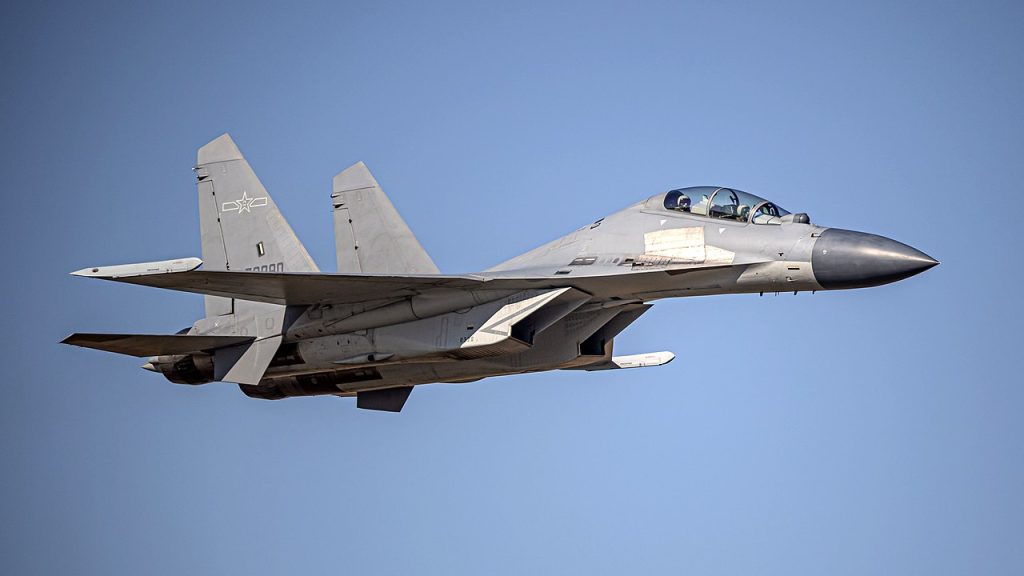
However, it might have missions involving seaborne package attacks within the South and East China Seas outside of Taiwan. It might operate as a trusted wingman arsenal aircraft with either J-16s or J-20s as dual roles. It would be useful as an extension of their range capabilities with cloud attacks and autonomous domain operations within disputed blue-water routes. It suits very well with China’s developments on network-centric forces.

7. Dual Use Civilian Applications
Though more prominent would be its military mission, AVIC prefers to cite juvenile duties as regards disaster relief, remote cargo transport, and communications. Also made possible via the same carry-on bay would be cargo pallets and sensor platforms useful for geographic surveying. Its dual-use mission role would be consistent with China’s military-civil fusion strategy.
8. Comparison with Global Counterparts
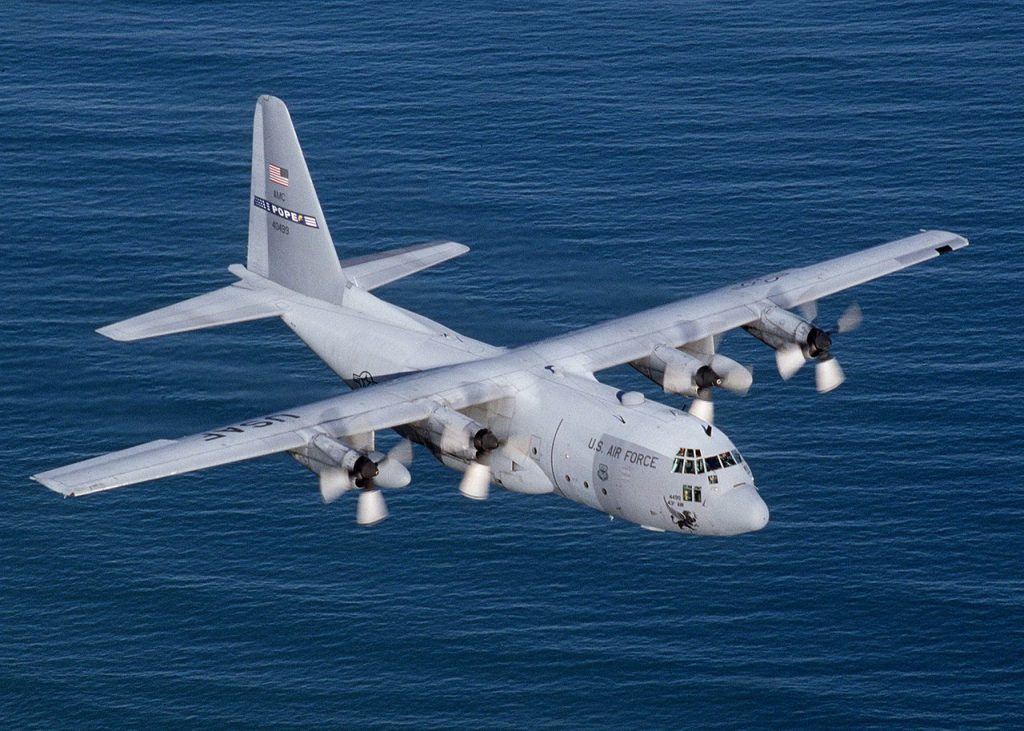
Unlike the U.S. DARPA Gremlins project, which used C-130 aircraft, as seen with Jiutian, there is an emphasis on one-way and mass usage. It challenges the Global Hawk based on size but will rely on stealth and endurance for carry and modularity. Its bespoke aspect makes it differ from regular transports repurposed for other functions, with concepts involving swarms from aircraft carriers for type 076 drones.

9. Vulnerabilities and Operating Limitations
Although it boasts various capabilities, Jiutian’s radar cross-section and reliance on satellite/datalink control can be vulnerable within hostile skies. It may be vulnerable if it were introduced into an area without air superiority because it would be vulnerable to distant range interceptors, area air defense, and electronic warfare. It is considered that its optimal area of operation would be within protected airspace as it would be using mass effects without being within high-risk surroundings.
It marks an historical watershed within China’s UAM strategy. By combining heavy lift, swarming, and multi-capable operations, it marks a modern and very capable alternative within regional and potentially global operations for the PLA. Despite some shortfalls, it would appear that its use within China’s multi-layered strike strategy could make it very hard on defense planning within hostile nations.


