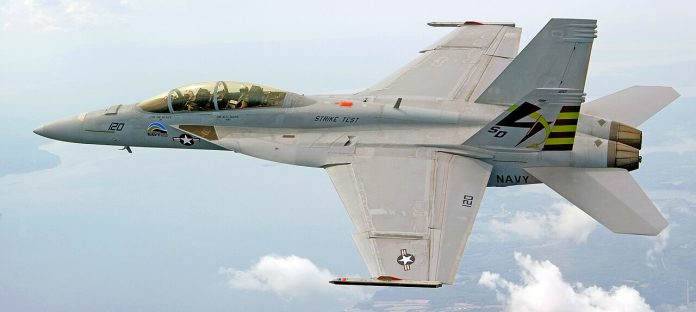
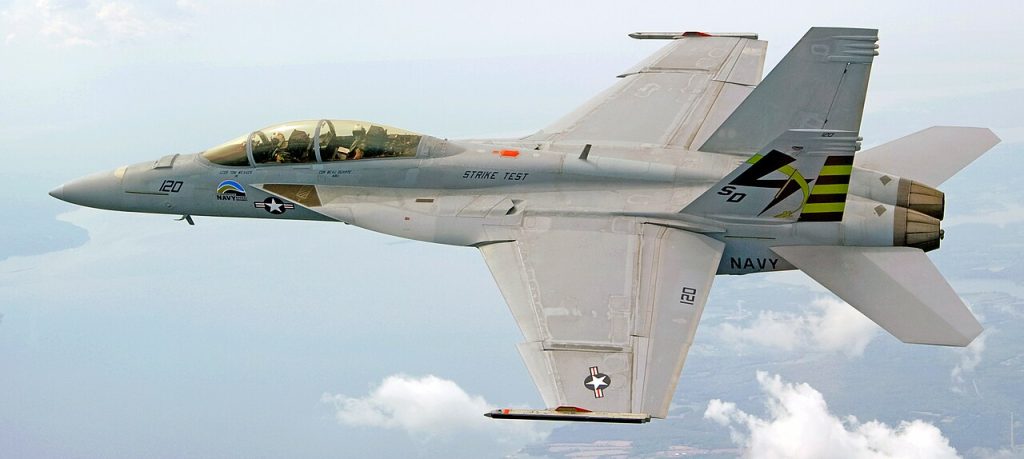
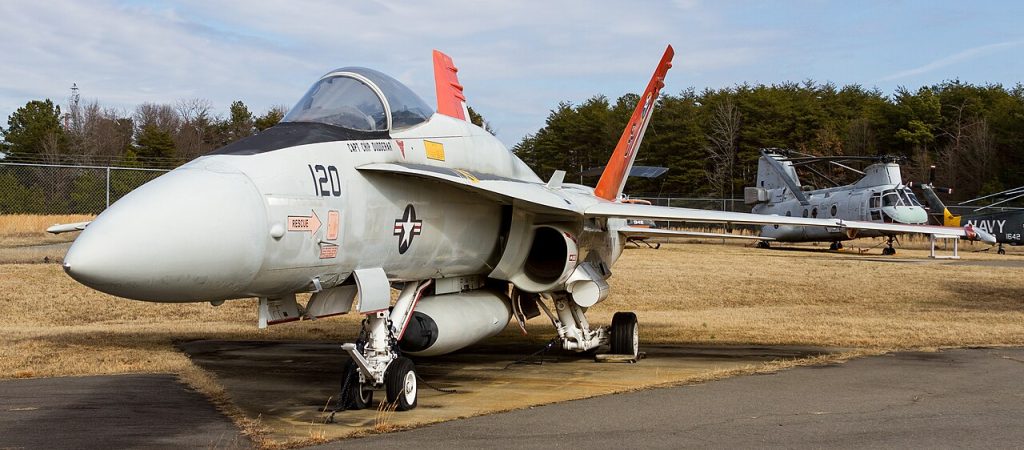
“The difference between life and death was a few feet or a few seconds.” That blunt sentence from a Navy investigation into a different carrier mishap underlines the unforgiving nature of naval operations, especially in contested waters like the South China Sea. In late October 2025, two US Navy aircraft, an F/A‑18F Super Hornet and an MH‑60R Seahawk, dove into those waters within 30 minutes of each other during routine operations from USS Nimitz.
The ensuing recovery mission had as much to do with a matter of technical skill as one of strategic imperative, given the proximity to Chinese surveillance and military assets. Indeed, the incident-a part of a series of mishaps over recent years across the carrier fleet-provides critical insight into US naval readiness, operational risk, and an evolving threat environment within one of the most contested maritime theaters in the world.
1. Rapid Recovery to Deny Adversary Access
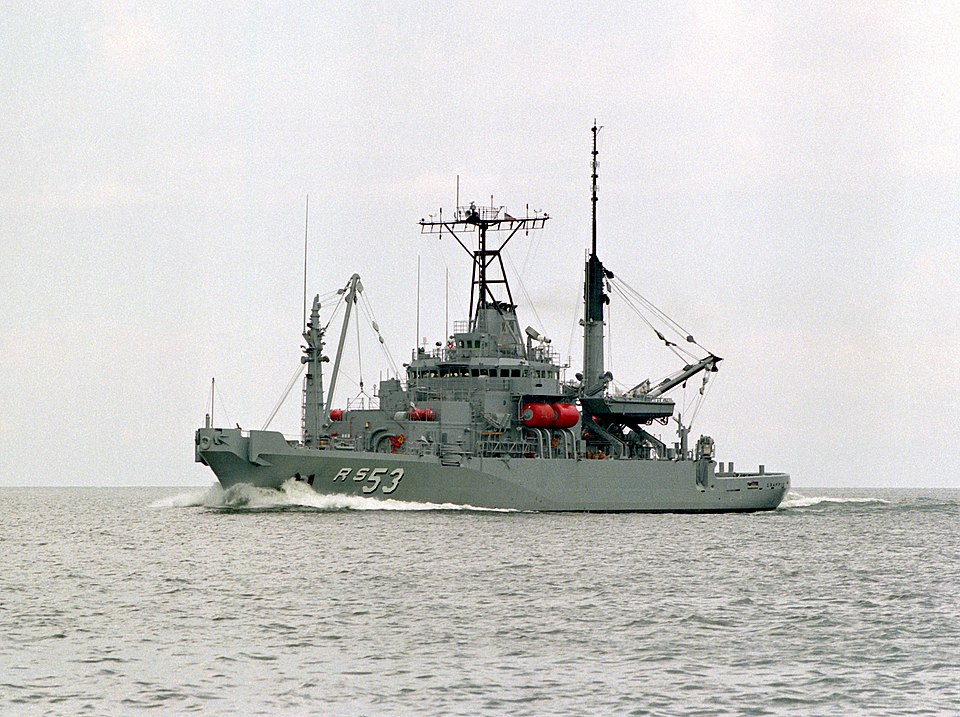
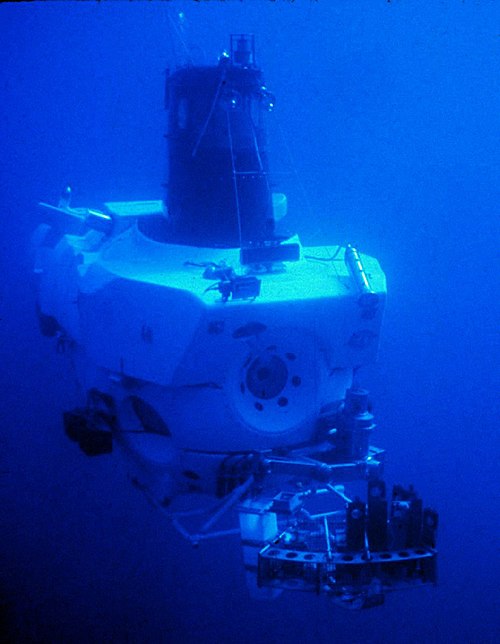
It was never a question that the debris would be allowed to stay in the South China Sea. A contracted Vessel of Opportunity with a government-owned, contractor-operated unmanned system recovered both aircraft from about 400 feet. The rationale for this undertaking lay in the possibility that even shattered fragments could reveal intelligence about U.S. avionics, sensors, and weapons systems to Chinese forces operating in the vicinity. All recovered parts were transported to an undisclosed Indo-Pacific facility for analysis.
2. Salvage Teams Show Integrated Capability
This effort was led by Commander, Task Force 73, along with Task Force 75, the Naval Sea Systems Command’s Supervisor of Salvage and Diving, and CTG 73.6’s Mobile Diving and Salvage Unit. Lt. Cmdr. Christopher Andersen called it “critical expertise to make sure we could safely and successfully return these aircraft back to U.S. custody.” The operation demonstrated naval integration and readiness within high-stake, complex environments.
3. The Chinese Surveillance and Electronic Warfare Edge
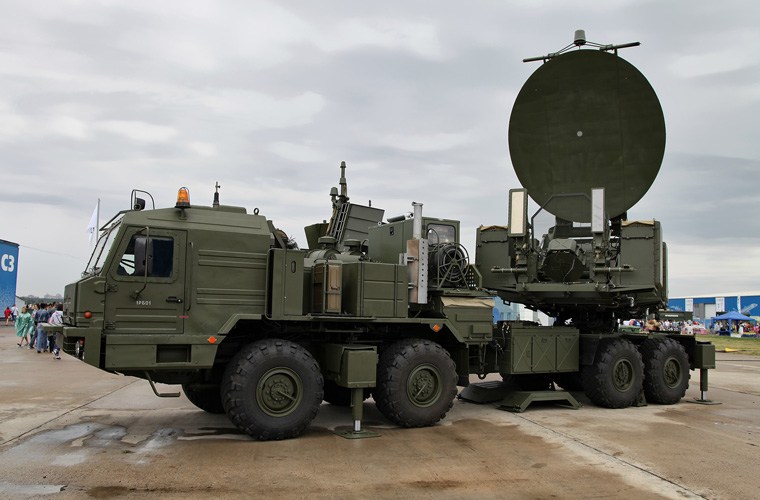
Today, each of China’s fortified outposts on Mischief, Subi, and Fiery Cross reefs boasts at least one mobile jammer, modern radars, and ISR radomes for tracking and disrupting foreign forces. Analysts have warned that these systems can jam communications, spoof radar, and geo-locate targets in a way that might impair US carrier strike group operations. Whether any such capabilities were responsible for the Nimitz incidents is unproven but a possibility of strategic consequence.
4. A Pattern of Carrier Mishaps
The Nimitz crashes are part of a worrisome trend-the USS Harry S. Truman had a collision with a merchant vessel, inadvertent missile firing on friendly aircraft, and numerous overboard losses of F/A‑18s-all in less than a year. According to a NAVSEA report, the Navy is “stretched dangerously thin” because operational tempo is high and maintenance is being deferred, erodingsafety margins. What the pattern suggests are systemic pressures-not isolated bad luck.
5. Fatigue and Maintenance Gaps
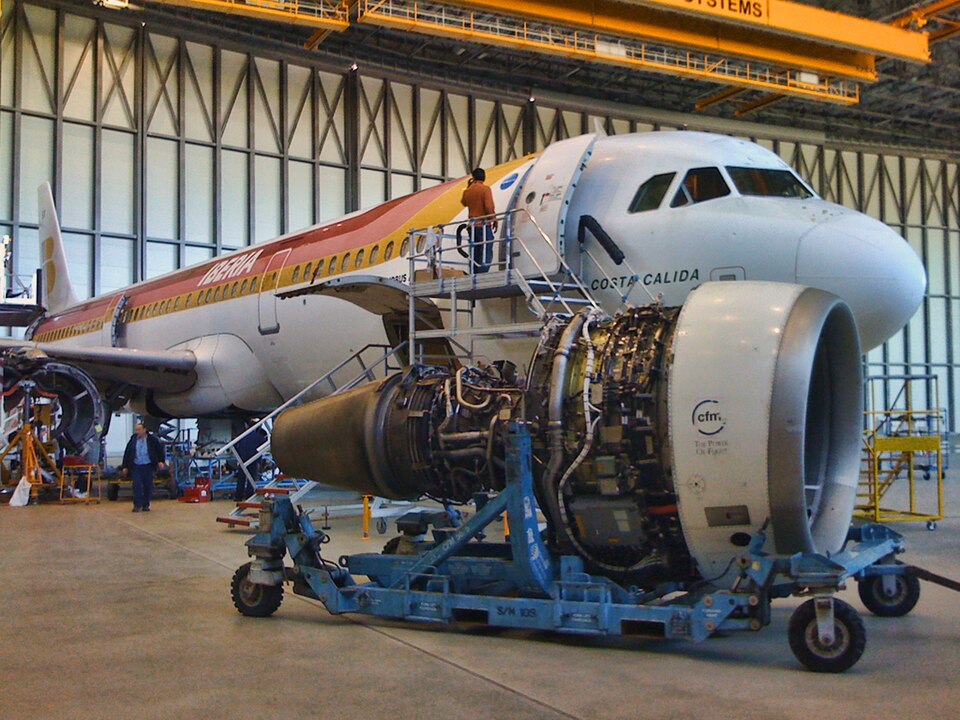
Other accident investigations underline crew fatigue, poor training, and skipped maintenance as contributing factors. On Truman, egregious equipment failures-such things as non‑skid that had worn off and arresting gear that was not correctly assembled-contributed directly to the loss of aircraft. These problems reflect fleetwide issues, as aging platforms and relentless deployment cycles take a toll on both personnel and materiel readiness.
6. Strategic Stakes in the South China Sea
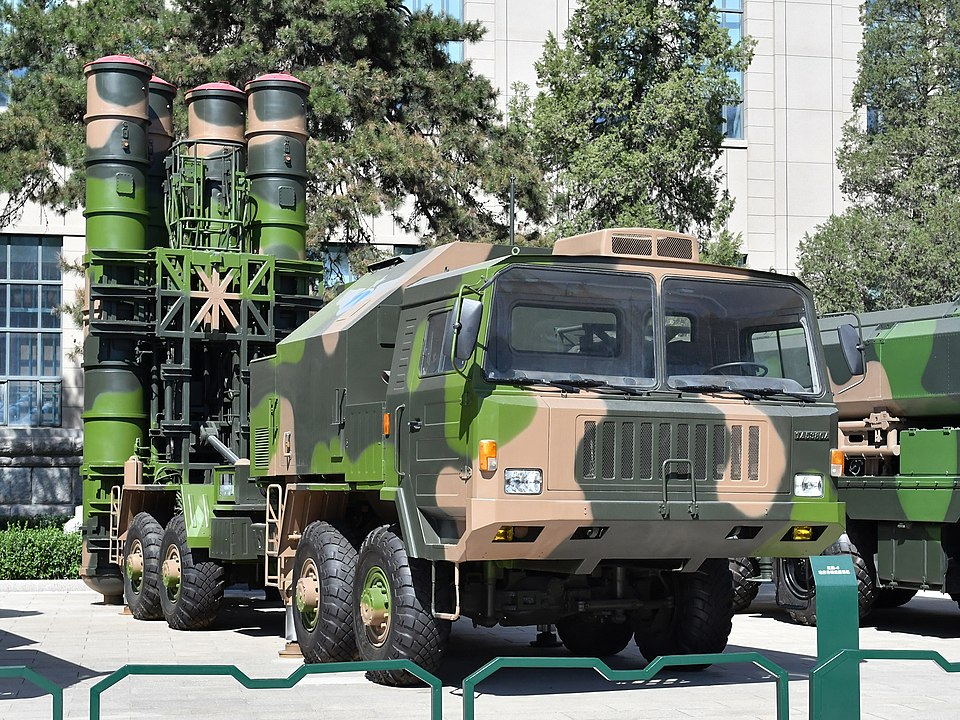
Since 2014, Beijing has been building out dual‑use bases, emplacing HQ‑9 SAMs, YJ‑12B anti‑ship missiles, and combat aircraft across the Spratlys and Paracels. These combine to create an overlapping network of engagement zones threatening U.S. and allied forces. The South China Sea is an incendiary flashpoint of overlapping claims and a largely ignored 2016 tribunal ruling that invalidated China’s expansive claims therein-meaning every U.S. operation there is a geopolitical signal as much as it is a tactical mission.
7. Electronic Warfare: A Force Multiplier
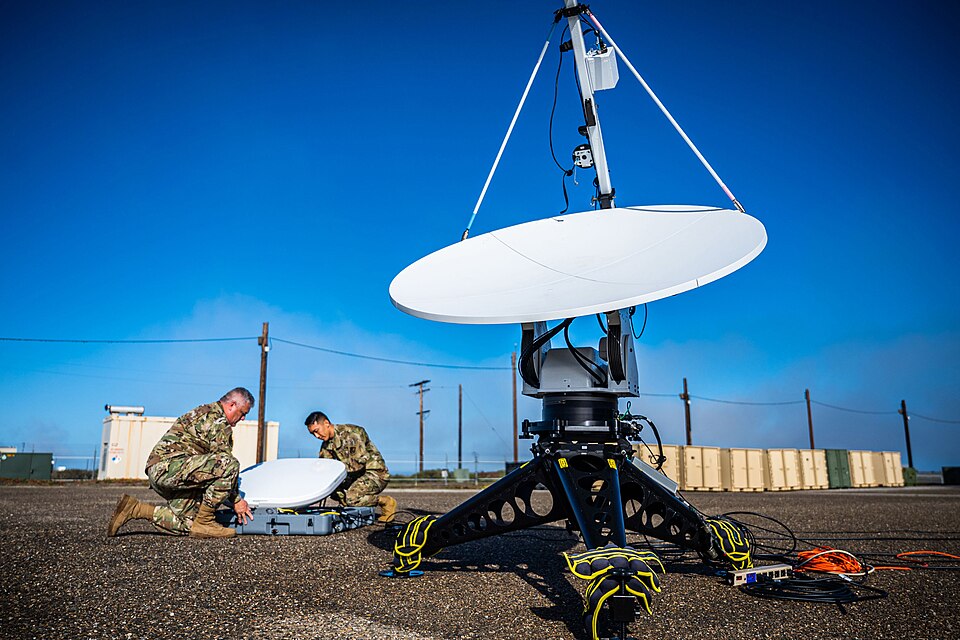
The report has warned that PLA electronic warfare capabilities could disrupt U.S. reconnaissance, communications, and targeting systems-the “nervous system” of modern operations. Severing the data links and degrading shared targeting, China may be able to blind a carrier group’s air defenses. Chinese doctrine matches this objective: neutralize U.S. advantages without direct kinetic engagement.
8. Nimitz’ Final Deployment:
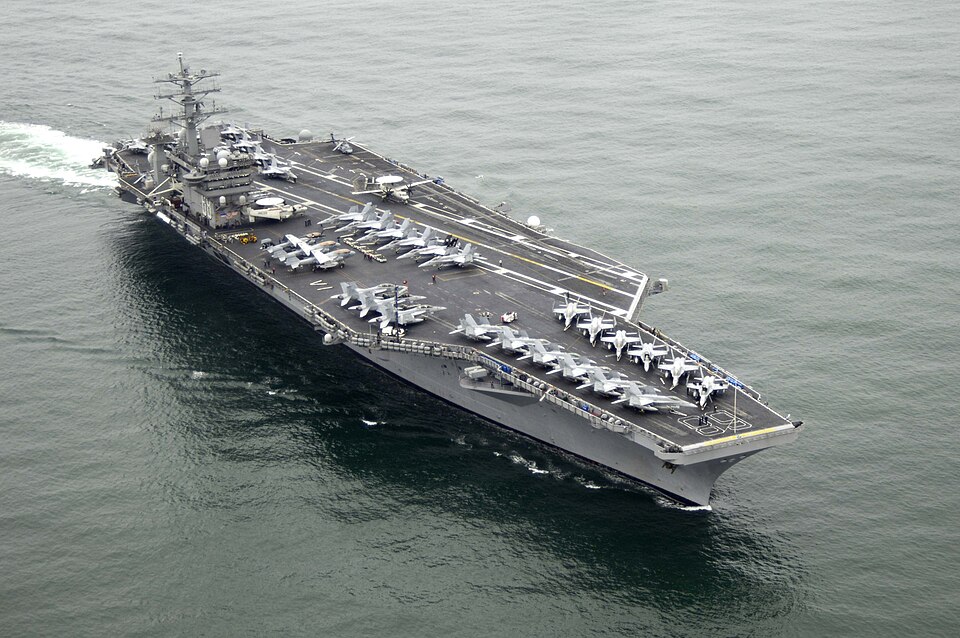
Commissioned in 1975, USS Nimitz is wrapping up its last operational tour before retirement. Bookended between high‑profile operations in both the Middle East and the South China Sea, its final months have been the struggle to maintain readiness on a half‑century‑old hull. Certainly, the double crash and recovery underlines risks inherent in pushing legacy platforms in high-threat zones.
9. The lessons learned from incidents involving carrier
operations from Nimitz to Truman are that seamanship training for carrier watchstanders needs improvement, better maintenance oversight is required, and electronic warfare training environments need to be more realistic. Lt. Gen. John Caine recently warned that U.S. forces have “lost some muscle memory” in operations on a contested spectrum and investment in EW resilience is as critical as that of hull and airframe upkeep.
The rapid recovery of the two downed aircraft in the South China Sea was more than a salvage operation-it was a race of time, technology, and geopolitics. It showed how the Navy could take decisive action under pressure but exposed the extant vulnerabilities in fleet readiness and China’s sophistication in surveillance and electronic warfare. The lessons from these incidents will frame how strike groups will operate-and survive-in future contested waters as the U.S. works its way through transitioning legacy carriers out of service.


