
“We lose every time.” Those four words, spoken by U.S. Defense Secretary Pete Hegseth about Pentagon war games simulating a conflict with China over Taiwan, have reverberated through Washington’s defense circles. The classified “Overmatch” brief, recently delivered to the White House, lays out a grim scenario: America’s most advanced warships and aircraft could be wiped out in days, its supply lines shattered, its industrial base incapable of replacing losses.
The revelations come as Beijing accelerates preparations for a potential move on Taiwan by 2027, armed with hundreds of hypersonic missiles, a swelling navy, and cyber capabilities aimed at crippling U.S. infrastructure. The simulations-run both by the Pentagon and by independent think tanks-indicate that the United States is still tethered to expensive, vulnerable legacy systems in danger of being outmaneuvered by cheaper, more numerous Chinese weapons.
What follows is not just a battlefield forecast but an indictment of strategy: a military culture resistant to change; procurement pipelines dominated by a handful of giants in the defense industry; and an urgent need to remake how America prepares for high-intensity war in the Indo-Pacific. Here are nine of the most sobering takeaways from these war games and related analyses.
1. Hypersonic Missiles Tip the Balance
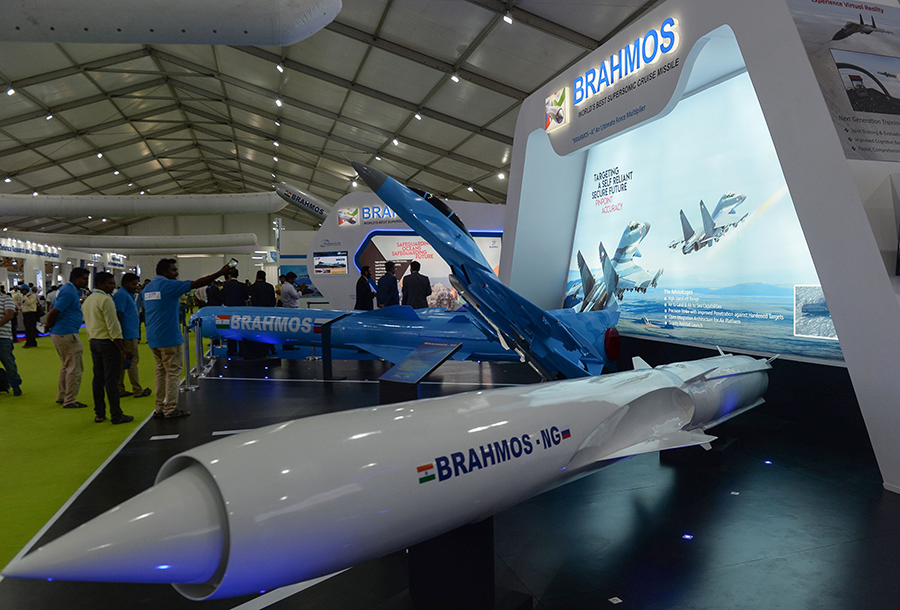
The deciding factor in those simulations was China’s arsenal of some 600 hypersonic weapons able to travel at five times the speed of sound. Those missiles, combined with advanced targeting networks, sunk U.S. carriers such as the $13 billion USS Gerald R. Ford in a matter of minutes. In many Pentagon scenarios, ships of that class were lost early in a conflict, making their air wings irrelevant.
The threat is compounded by China’s integration of reconnaissance aircraft, satellites and warships to guide these weapons in-flight. Some U.S. analysts doubt Beijing can fully pull off such complex targeting, but the war games assumed a high degree of effectiveness, forcing U.S. carriers to operate far from Taiwan-shrinking the strike range of their aircraft and ceding initiative.
2. Vulnerability of Legacy Platforms
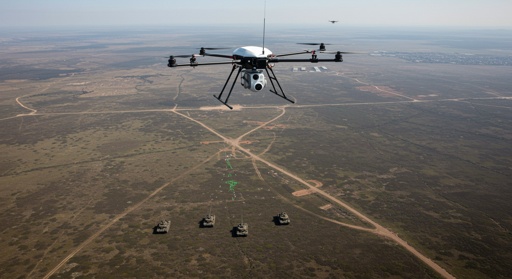
The Overmatch brief made clear how dependence on large, bespoke platforms supercarriers, manned fighters, heavy armor by America facing adversaries fielding cheaper, mass-produced systems has become a real liability. In Ukraine, a few hundred dollars’ worth of drones destroyed tanks worth millions. The same dynamic, applied to the Pacific, exposes U.S. ships and aircraft to swarms of missiles, drones, and diesel-electric submarines.
But despite those repeated losses in simulations, the Navy still plans to build nine more Ford-class carriers. Critics say such investments amplify weaknesses, rather than sharpen strengths, by diverting funds from dispersed, resilient capabilities- such as unmanned systems and cyber warfare.
3. Industrial Base Cannot Sustain Losses
A war over Taiwan would exhaust U.S. munitions in short order. National Security Adviser Jake Sullivan has cautioned that America could run out of artillery shells within weeks. The Pentagon’s own data shows China outnumbers the U.S. in nearly all categories of cruise and ballistic missiles, while the U.S. has yet to field a single hypersonic weapon.
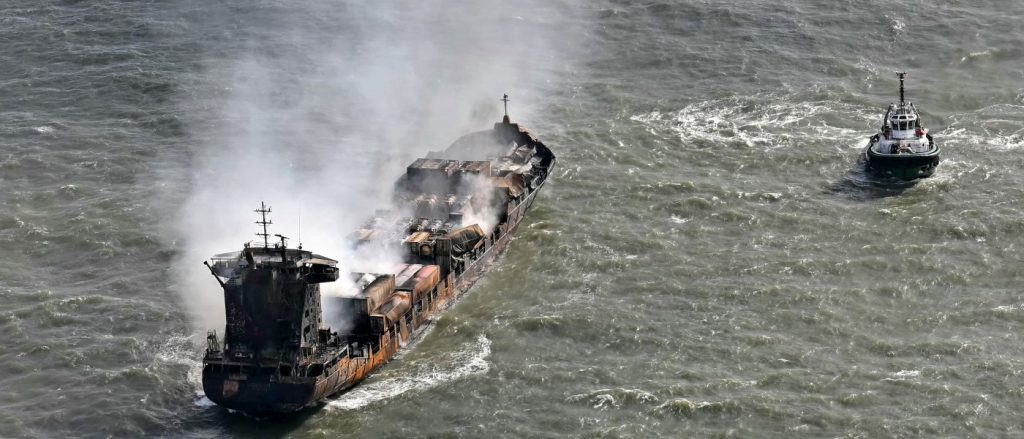
In one CSIS wargame, breaking a Chinese blockade cost the U.S. 45 ships, over 1,000 aircraft and 21,000 casualties. Replacing such losses would take years at current production rates, a pace far slower than that of China’s state-driven manufacturing.
4. Blockade Scenarios Are Costly on All Sides
The CSIS “Lights Out” blockade simulations showed that even limited Chinese efforts to choke Taiwan’s imports could cause electricity production to collapse within weeks. One critical vulnerability is Taiwan’s reliance on imported liquefied natural gas.
For the U.S., convoy escorts through contested waters came at the cost of more than one hundred merchant ships and scores of warships. Both sides suffered thousands of casualties with escalatory pressures constant. According to analysts, for Beijing a blockade carries its own set of serious risks-things which may alienate global trade partners and trigger broader conflict.
5. Geography favors Beijing
Where China’s coastline is just 90 miles away, Taiwan lies over 1,700 miles from the nearest major U.S. base in Guam. This proximity allows China to mass forces quickly, while U.S. reinforcements face long transit times and vulnerable staging areas.
Chinese missile, air, and drone strikes could disable regional airfields early in a potential conflict, slowing U.S. air support and degrading maritime operations. Only U.S. submarines could reliably penetrate China’s anti-access/area-denial (A2/AD) network in the opening days of a conflict; their numbers and firepower are insufficient, however, to decisively alter the outcome.
6. Uncertainty of Air Superiority
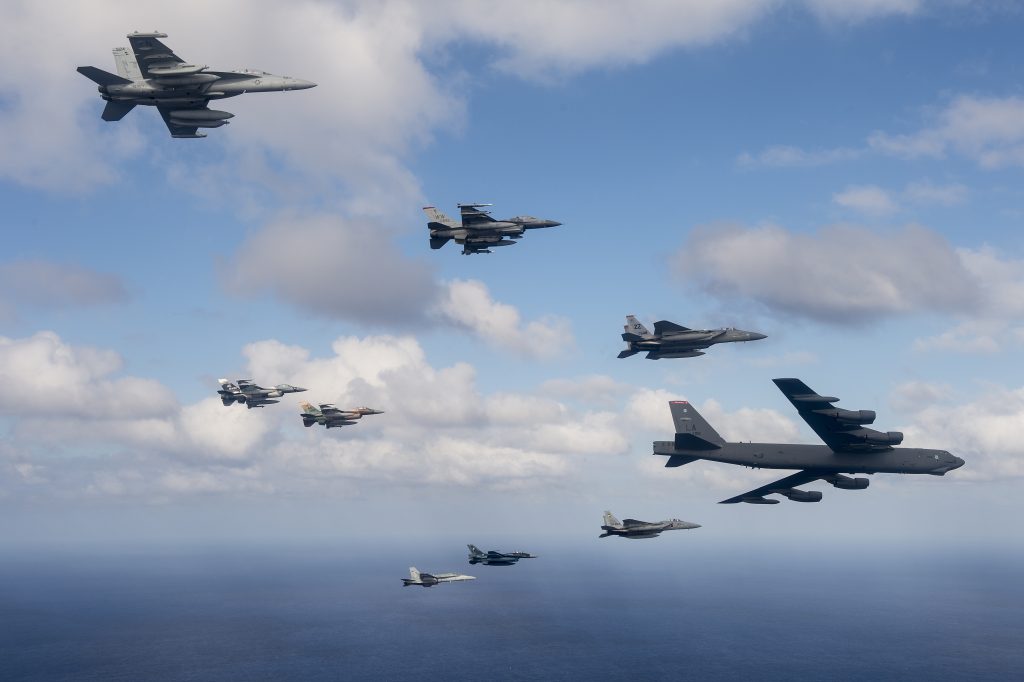
In modeled battles over the Miyako Strait, U.S. fighters faced odds as high as 10:1 against P.L.A. aircraft. While American pilots may retain a qualitative edge, China’s growing fleet of fifth-generation J-20s and long-range air-to-air missiles narrows the gap.
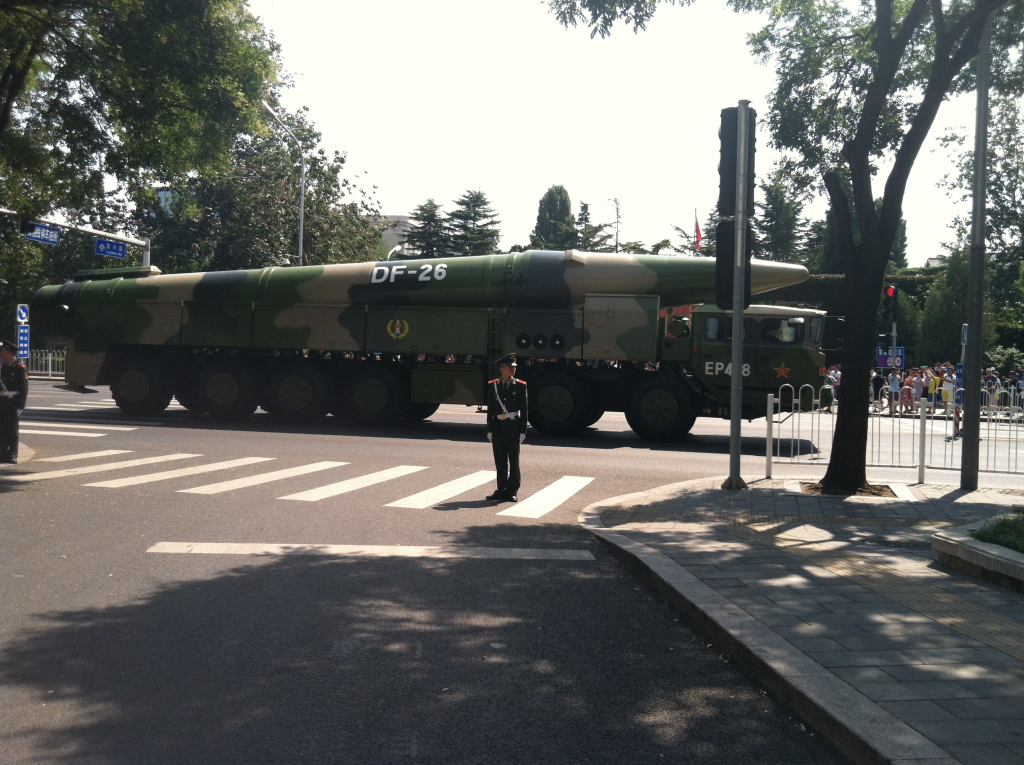
Furthermore, the bases in Okinawa and Guam are within the range of China’s DF-26 “Guam Killer” missiles. Strikes on these facilities could ground aircraft for days, leaving fighters in the air with no safe runway to return to.
7. Cyber Threats to Critical Infrastructure
Volt Typhoon, the state-sponsored Chinese group, has reportedly implanted malware in the U.S. power grids, communications, and water systems serving military bases. If there is a conflict over Taiwan, such intrusions could interfere with logistics, delay deployments, or affect civilian populations.
The Overmatch brief warned that those cyber capabilities, melded with kinetic strikes, had the potential to paralyze U.S. command and control in the Pacific at the moment of crisis.
8. Entrenched Procurement Culture
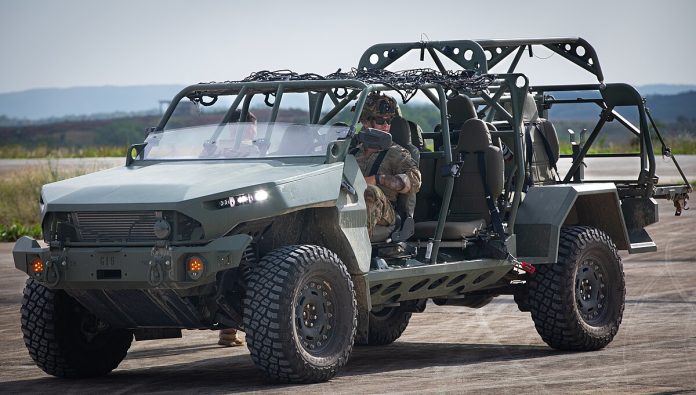
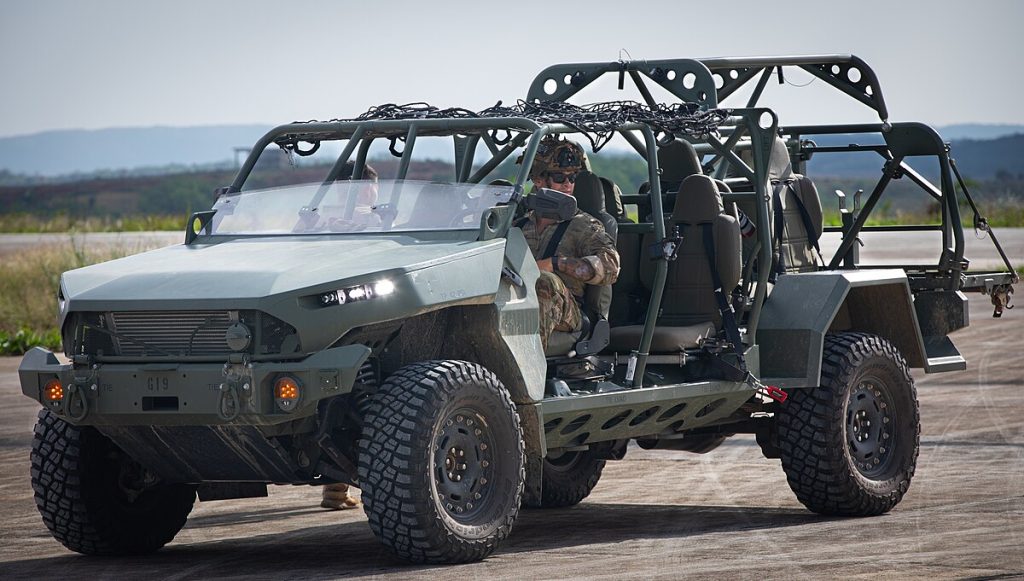
Five major defense contractors dominate U.S. weapons procurement, down from 51 in the early 1990s. This concentration, along with attachment of senior officers to systems they know, has retarded the adoption of commercially available, modular technologies. Now, Army leaders are pushing to shed outdated gear and adopt dual-use platforms that can be quickly upgraded-such as the Infantry Squad Vehicle based on a civilian truck chassis-but the institutional resistance to these efforts remains fierce.
9. Allies Are Important but Never Certain
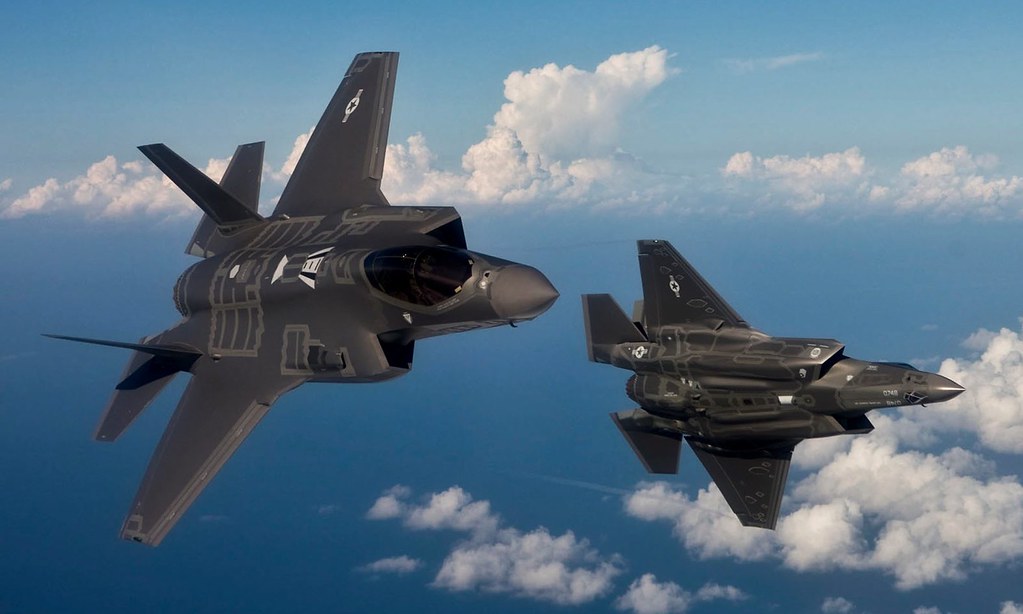
Japan plays a very important role, providing bases, airpower, and possible carrier strike groups. Together, in combined operations, U.S. and Japanese forces could bring into battle more than 600 fighters, many of these F-35s, supported by submarines operating from the flanks. However, the analysts caution that the political will is not certain, access to bases in the Philippines or other regional partners might be contested, and without allied support, U.S. forces would be stretched thin against China’s massed capabilities. The war games are not prophecy, but they are a warning. They expose a U.S. military still configured for past conflicts facing an adversary that has tailored its forces for a high-tech, high-intensity fight in its own backyard. The choice now is whether to continue investing in vulnerable symbols of power or to pivot toward resilient, adaptive capabilities that can survive and prevail in the contested Indo-Pacific battlespace.”


