Could a flotilla of unmanned naval drones become a game-changer on the Black Sea battlefield? Over recent weeks, Ukraine has escalated its maritime war, using its homemade Sea Baby drones to strike a series of Russian “shadow fleet” oil tankers. The attacks represent a dramatic shift from targeting warships to hitting the economic arteries that sustain Moscow’s war effort.
The strikes have rattled regional powers, disrupted shipping insurance markets, and provoked sharp warnings from Russian President Vladimir Putin. They also show how naval tactics are changing, use of unmanned systems is growing, and the geopolitical risks in expanding the war into contested waters are becoming a norm. Here are nine critical takeaways from this new phase of Ukraine’s maritime operations.
1. Strategic Shift to Economic Targets
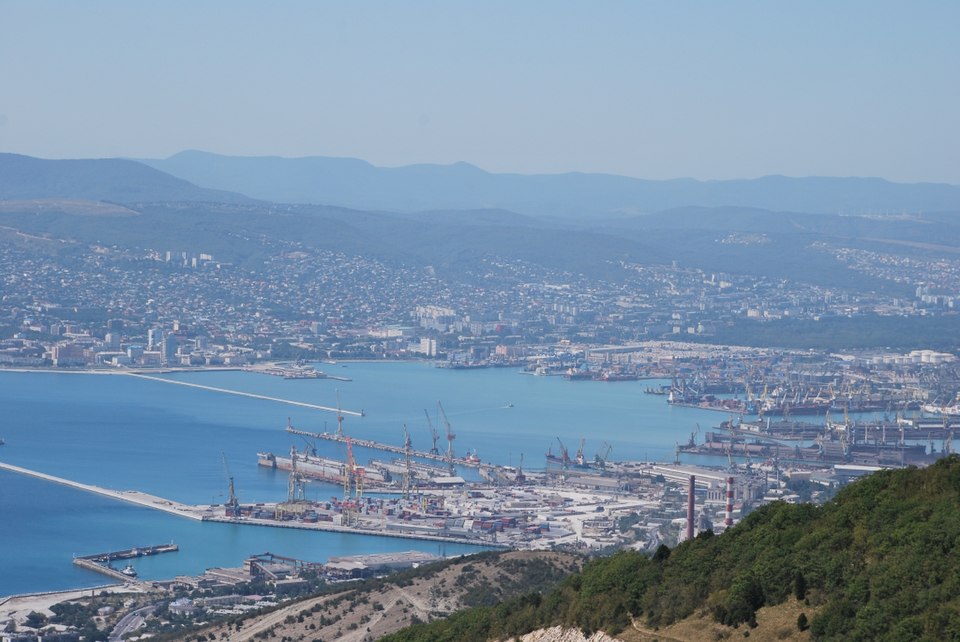
Analysts like Glen Howard of the Saratoga Foundation say that Kyiv’s recent operations reveal a conscious shift from containing the Russian Black Sea Fleet to targeting commercial infrastructure. By disabling offshore loading units and striking unloaded tankers bound for Novorossiysk, Kyiv is seeking to break the logistical chain moving sanctioned Russian oil. Howard branded this “the beginning of a sustained effort to make Novorossiysk inoperable as an oil export hub,” a port that handles about one percent of global oil.
2. The Function of Sea Baby Naval Drones
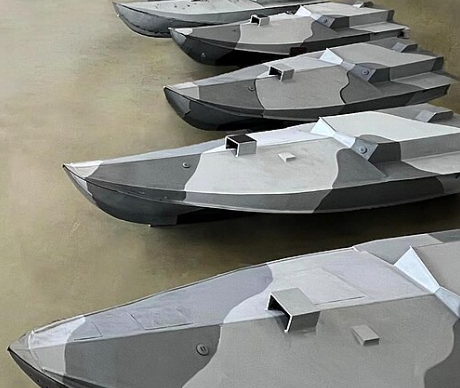
Ukraine’s Security Service deployed Sea Baby unmanned surface vessels, which have repeatedly struck targets, including the Gambian‑flagged Kairos and Virat tankers. The domestically developed drones demonstrated their potential to pierce defenses and deliver debilitating blows to vessels worth tens of millions of dollars. Drills captured on video show drones diving under hulls before detonations engulfed stern sections in flames.
3. Attack the Shadow Fleet
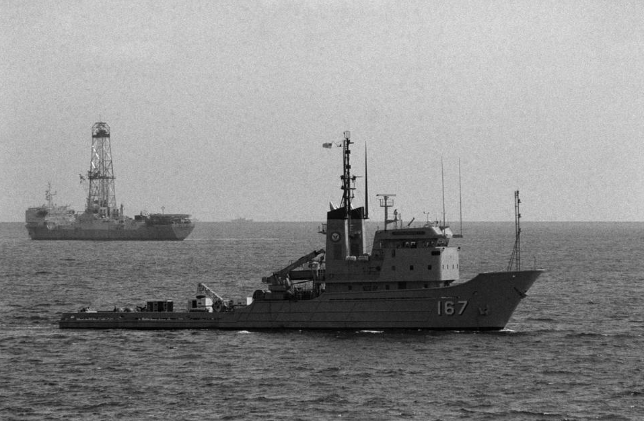
Russia’s shadow fleet comprises hundreds of aged tankers flying flags of convenience, deployed to circumvent Western sanctions and export oil in secret. The majority of these ships transact with their transponders switched off and with unclear ownership. Strikes, such as those by Ukraine on vessels like the Comoros-flagged Dashan, are part of an effort to make it too dangerous for shipowners to enter Russian ports.

4. Geopolitical Fallout with Regional Powers
Turkish President Recep Tayyip Erdogan denounced the attacks inside his country’s exclusive economic zone as an “alarming escalation,” citing threats to navigation, the environment, and human life. Kazakhstan, meanwhile, protested damage to facilities belonging to the Caspian Pipeline Consortium, through which 80% of its crude exports flow. These reactions emphasize the diplomatic juggling act Ukraine faces when hitting targets in sensitive maritime zones.
5. Russian Threats and Possible Escalation
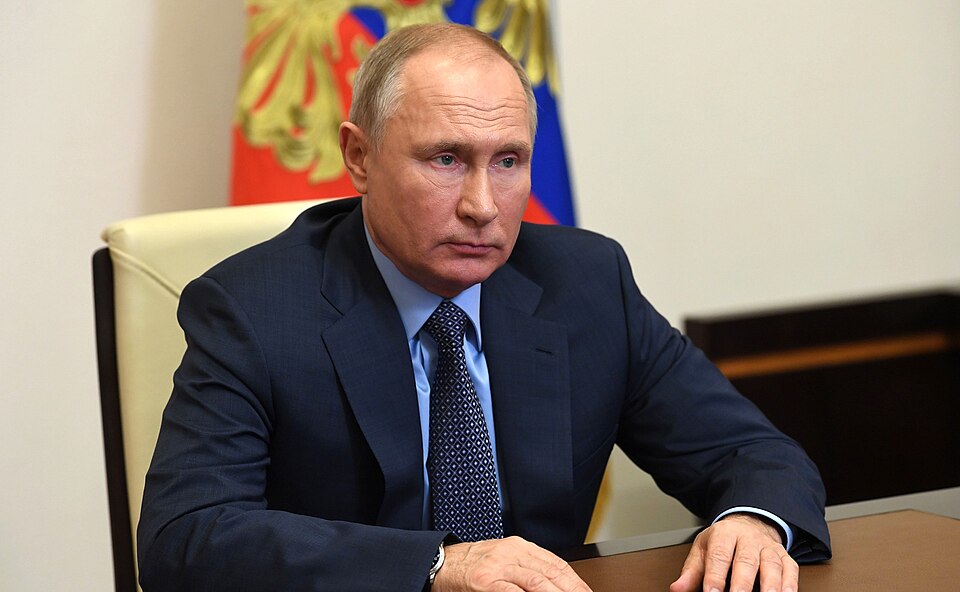
Following the strikes, Putin accused Ukraine of “modern‑day piracy” and threatened to take retaliatory moves, such as cutting off Ukraine’s access to the sea or an attempt to attack grain shipments. Such threats raise the risk of escalation beyond the Black Sea, with a potentially wider impact on global food supply chains that depend on Ukrainian exports.
6. Tactical Evolution of Ukraine’s USVs
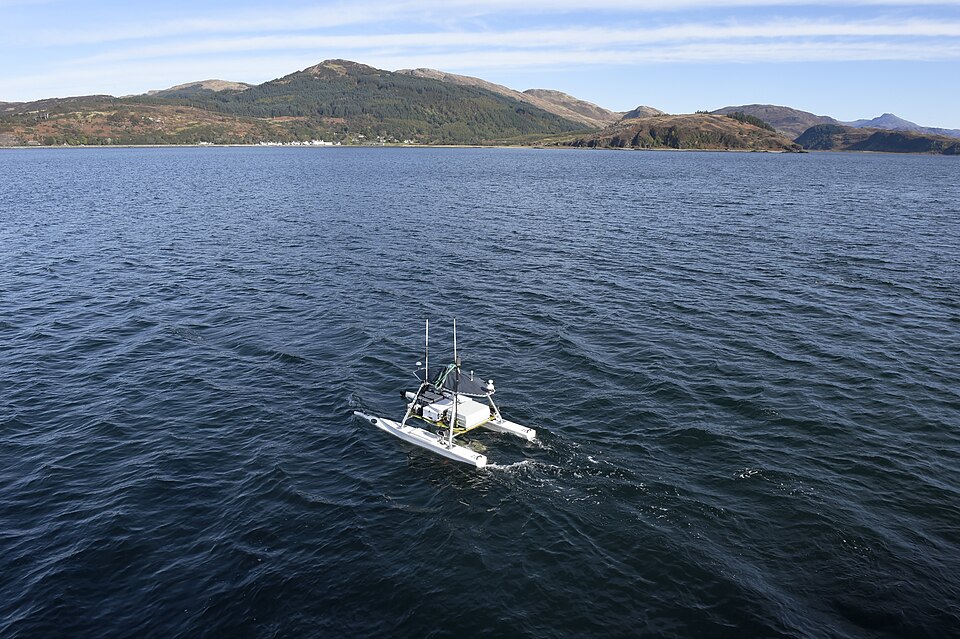
Rear Admiral Mike Mattis discussed how Ukraine progressed from just small-scale attacks to massed drone strikes-certainly capable of sinking warships. Teething through increased tactical air patrols by the Russians, Ukraine expanded its suite of drones to add air-to-air missiles, quadcopter launchers, and cannons that can attack both aerial and surface targets. This modular approach allows flexible responses to changing enemy defenses.
7. Insurance Market Shock
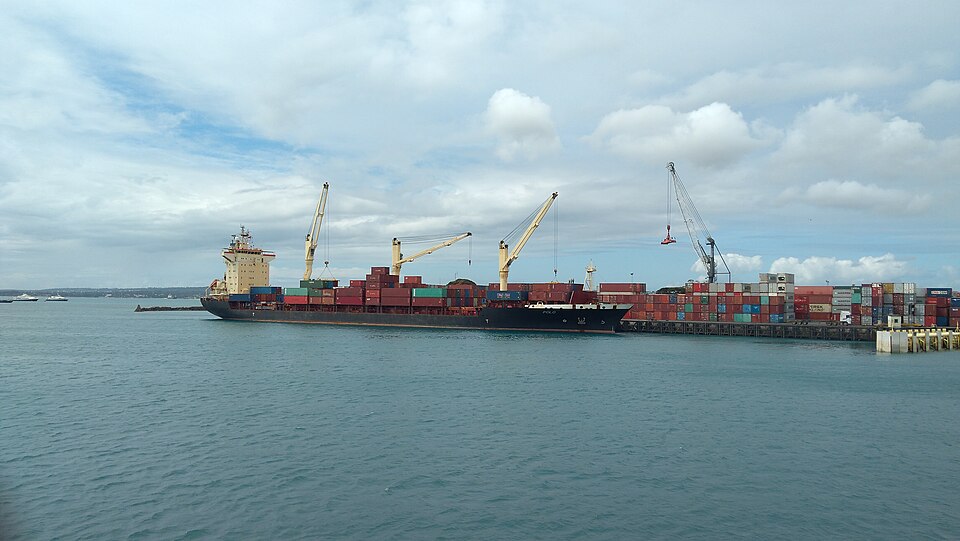
Coordinated strikes on Kairos, Virat, and Dashan sent war‑risk insurance premiums for Black Sea voyages soaring. Some shipping firms, like the Turkish owner of the Mersin tanker, have completely cut operations related to Russia because of what they call untenable risks to vessels and crews. This economic ripple effect puts added pressure on Moscow’s oil export network.
8. Sea Denial
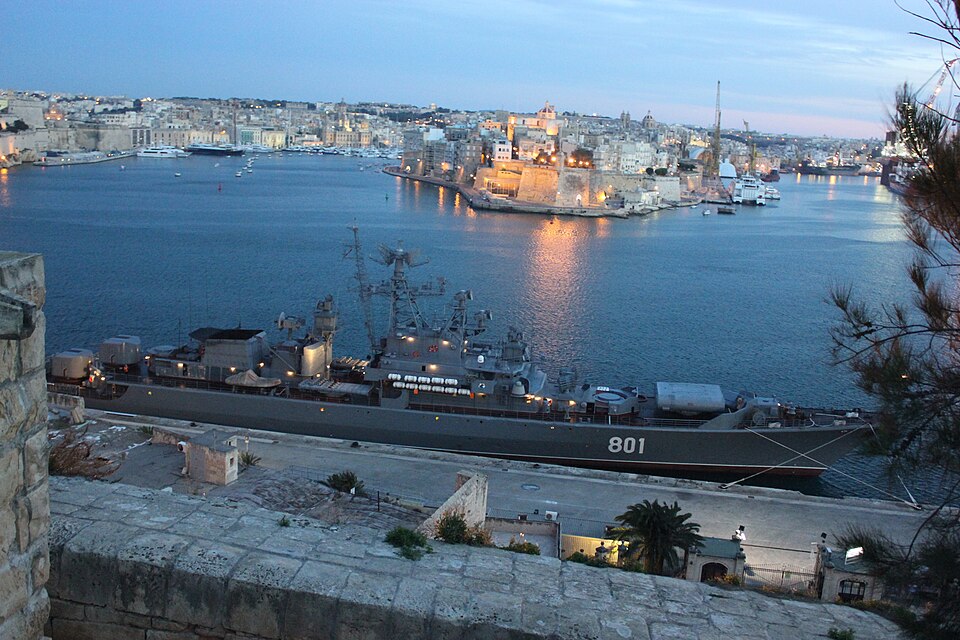
Ukraine’s maritime drone campaigns have compelled the Russian Black Sea Fleet to retreat from Crimea to Novorossiysk, limiting their ranges of operation. According to the commander of Group 13, Russian vessels now hardly make sorties beyond a radius of 40 km from port. Their confinement reduces Russia’s ability to project naval power and complicates its missile launch patterns.
9. Future of Autonomous Maritime Warfare
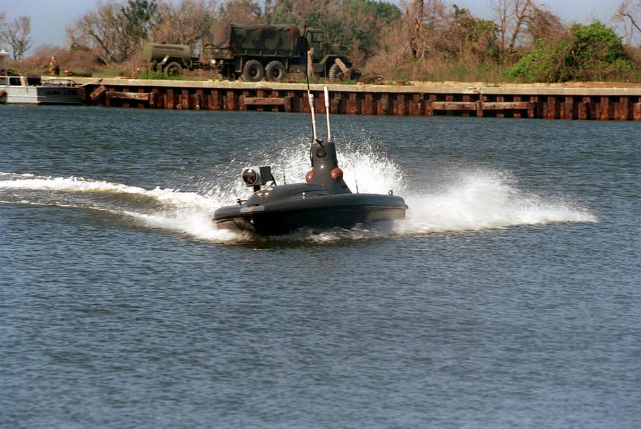
Integration of AI is being done deeper in USV operations, and the Ukraine’s Group 13 unit work to get drones searching autonomously for targets, distinguishing between civilian and military vessels, and independently making decisions on engagement. Further such advances could enhance precision, reduce operator workload, and increase the reach of unmanned systems in constrained seas like the Black Sea or the Taiwan Strait.
The attacks on the Russian shadow fleet mark a significant inflection point in the war’s maritime dimension. Melding economic disruption with fresh unmanned tactics, Kyiv is challenging Moscow’s freedom of action in the Black Sea. The next months will demonstrate whether continued pressure on Novorossiysk and the shadow fleet can reshape the strategic balance or whether the Russian countermeasures will dull the edge of this newest offensive.


