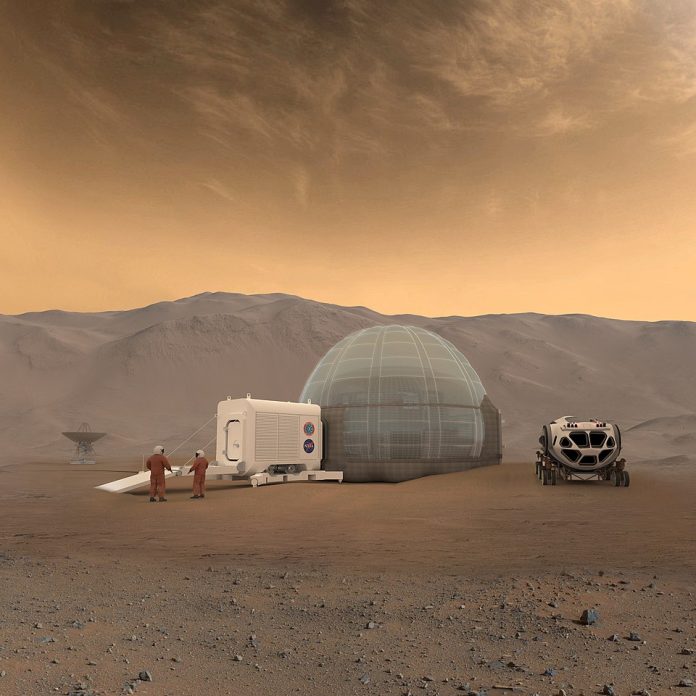
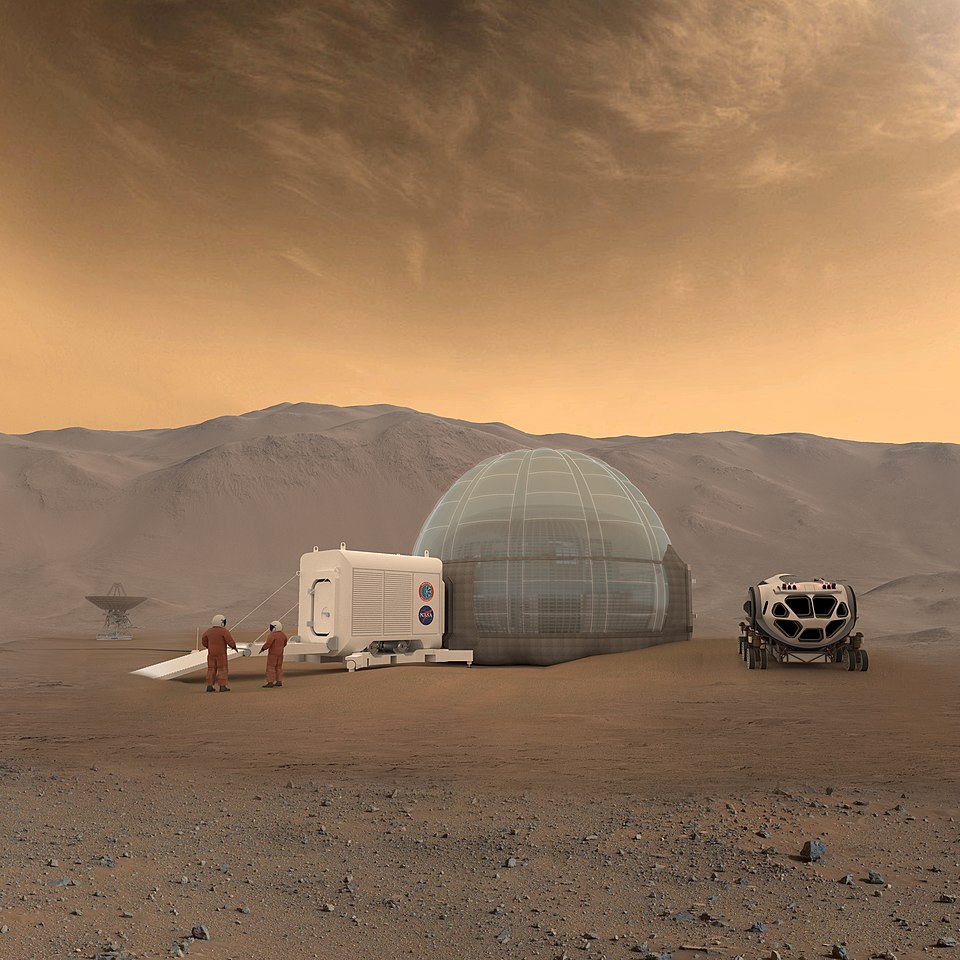
Why risk billions and decades of effort to send humans to Mars? For leading scientists, the answer is clear: the chance to ascertain whether life ever existed beyond Earth. This guiding purpose underpins the newly released “A Science Strategy for the Human Exploration of Mars,” a comprehensive, 240‑page report from the National Academies of Sciences, Engineering, and Medicine. Co‑chaired by Dava Newman of MIT and Linda T. Elkins‑Tanton of the University of California, Berkeley, the document ranks the most critical scientific objectives for the first crewed missions and addresses the engineering realities that will shape them.
1. The Search for Life as the Prime Directive
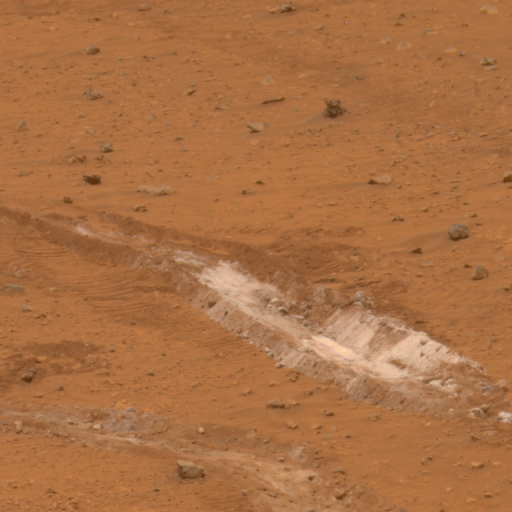
Its highest priority is to search for signs of life that could have existed, prebiotic chemistry, or conditions that are habitable, but only within a well-defined area of exploration. In other words, “We’re looking for life on Mars,” Newman said. “The answer to the question ‘are we alone’ is always going to be ‘maybe,’ unless it becomes yes.” This will drive landing site selection toward geologically diverse areas with potential biosignatures, such as ancient lava flows or near‑surface glacial ice.
2. Eleven Interconnected Science Goals
In addition to the detection of life, it emphasizes objectives such as characterizing an ancient and present water and CO₂ cycle, mapping the geological record of Mars, studying the dynamics of dust storms, and understanding radiation exposure. Other high-priority objectives involve crew health, microbial stability, and what Mars does physiologically to plants and animals. Each objective is linked to certain measurements, sampling strategies, and environmental monitoring during surface operations.
3. Architecture of Mission Campaign
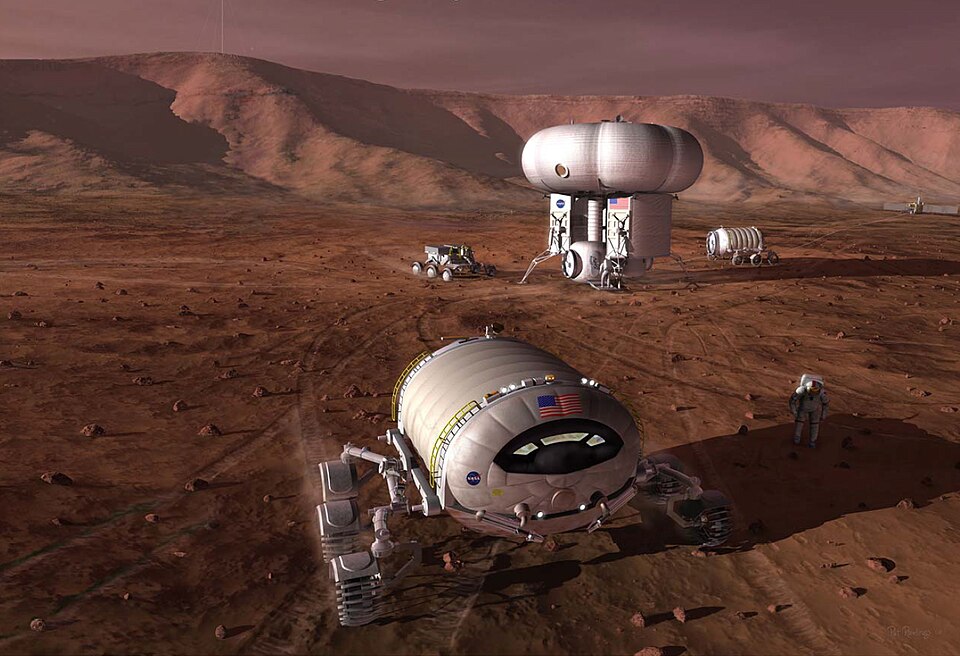
It assessed four consecutive mission campaigns: The top-ranked includes a human landing of 30 sols, an unmanned delivery of cargo, and a second crewed mission of 300 sols in the same 100-kilometer-wide zone of exploration. The resources will be further focused to maximize scientific return while incorporating advanced robotics for “human-agent teaming” to expand reach and efficiency.
4. Planetary Protection Issues
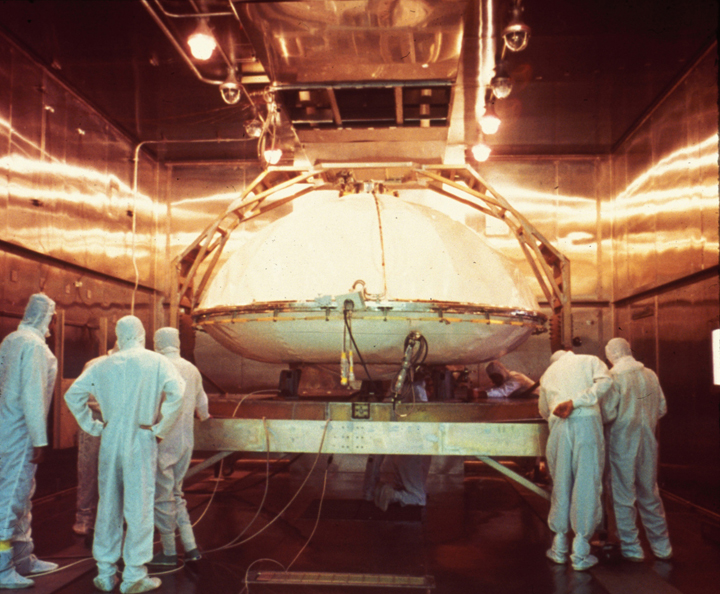
Most challenging is the problem of protecting Mars from Earth microbes and Earth from possible Martian organisms. The current COSPAR guidelines preclude crewed landings in areas known to have liquid water, but these are precisely the places most likely to be targets for life detection. NASA is developing policies in concert with international partners that define zones for human access while setting aside “pristine” regions. Indeed, the report concludes: “NASA should continue to collaborate on the evolution of planetary protection guidelines, with the goal of enabling human explorers to perform research in regions that could possibly support, or even harbor, life.”
5. In‑Situ Resource Utilization for Propellant and Habitats
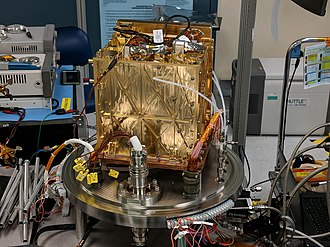
The capability to produce oxygen and fuel on the planet would radically lower mission mass in low Earth orbit. Solid oxide electrolysis of Martian CO₂ already demonstrated by the MOXIE technology demonstrator is a relatively simple task: a unit on the Martian surface ingests atmospheric CO₂, turns on, and releases oxygen. This is a radical contrast with lunar ISRU, which requires complex mining and processing of regolith material. Leverage is extreme: ascent oxygen replacement for a mission to Mars might save 240 to 300 tons in LEO per launch.
6. Radiation Hazards and Shielding Solutions
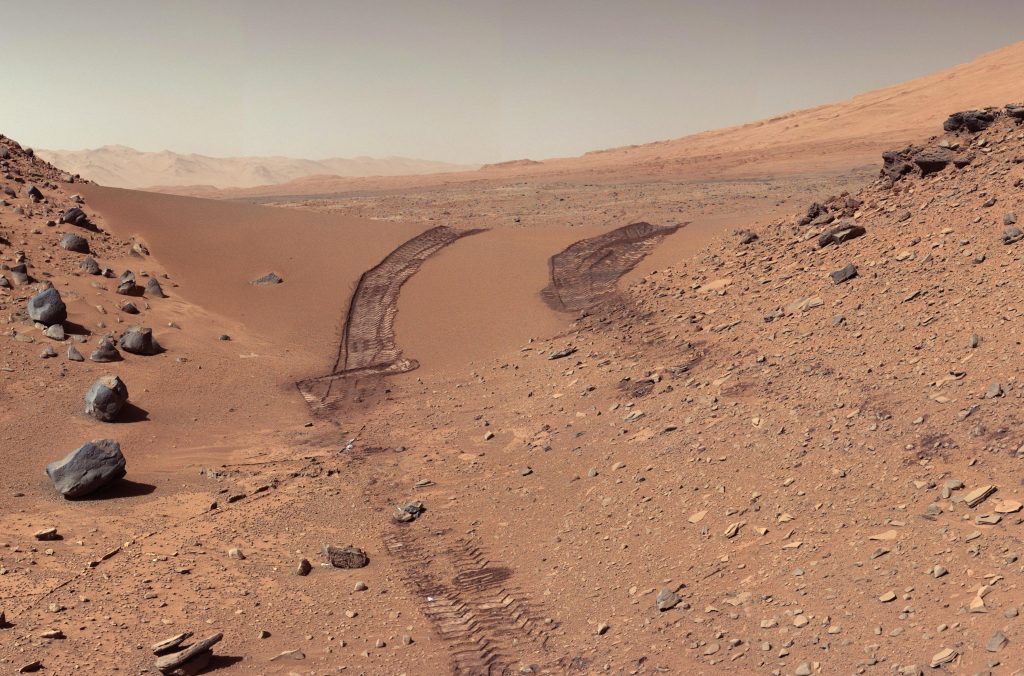
But Mars does not have a shielding protective magnetic field or a thick atmosphere to block most of the dangerous cosmic rays. Research has shown that composite materials-such as selected plastics, rubber, synthetic fibers, and Martian regolith-will be effective in the attenuation of radiation. Water is particularly effective because of its high hydrogen content, while recent innovations involving 3D‑printed hydrogels achieve equal distribution without the risk of leakage. Both could be incorporated into habitats and spacesuits by combining shielding with water storage.
7. Human Health in the Martian Environment
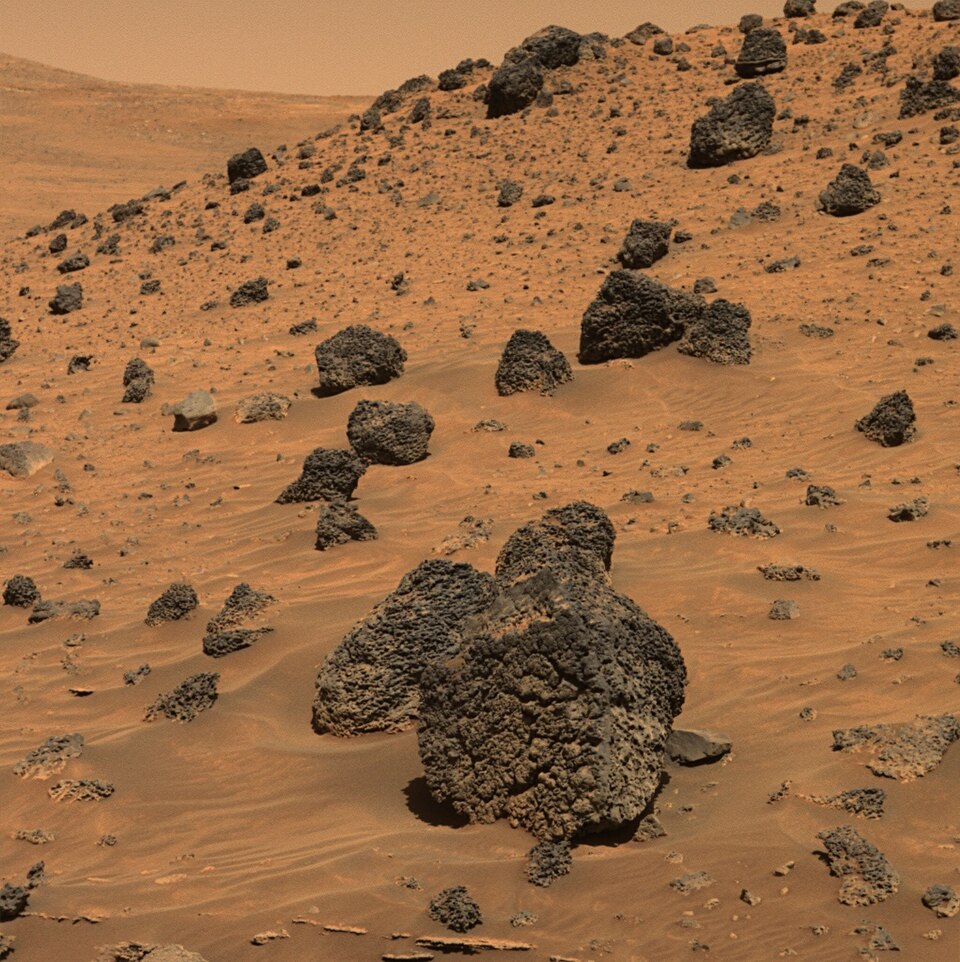
Longitudinal studies are emphasized on crew physiological, cognitive, and emotional health under conditions of Mars: Countermeasure Validation-Radiation, Isolation, Altered Gravity, and Dust. Electrostatically charged dust abounds and pervades systems and lungs; better understanding of its impact is central to production hardware lifetime and human health.
8. Integration of Biological Studies
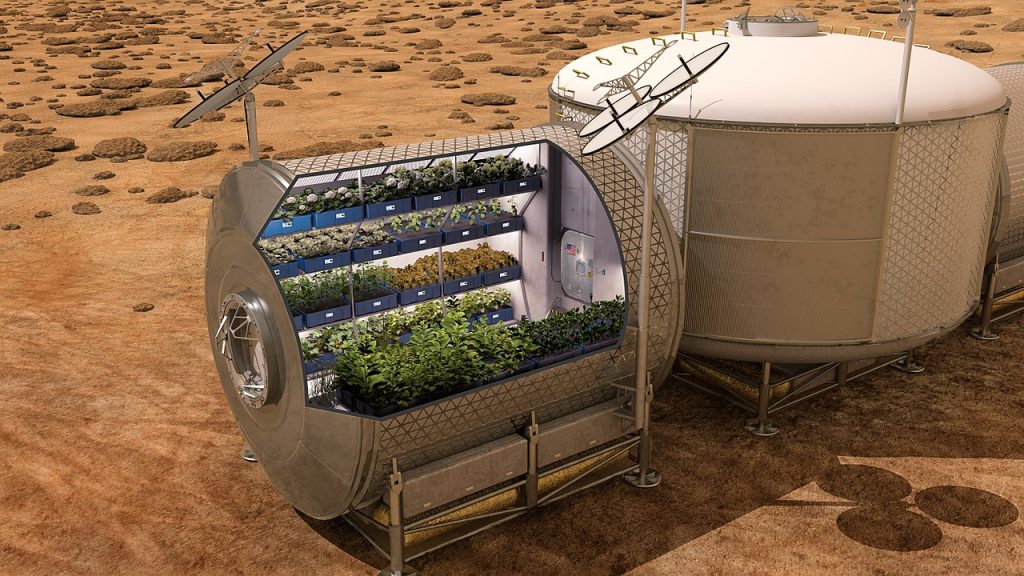
Missions to Mars will study how the environment affects reproduction and the functioning of the genome in model plants and animals, and how intact ecosystems respond over multiple generations. Such research underpins closed-loop life-supporting systems that are requisite to permanent human settlements that follow.
9. Robotics and Human‑Agent Teaming
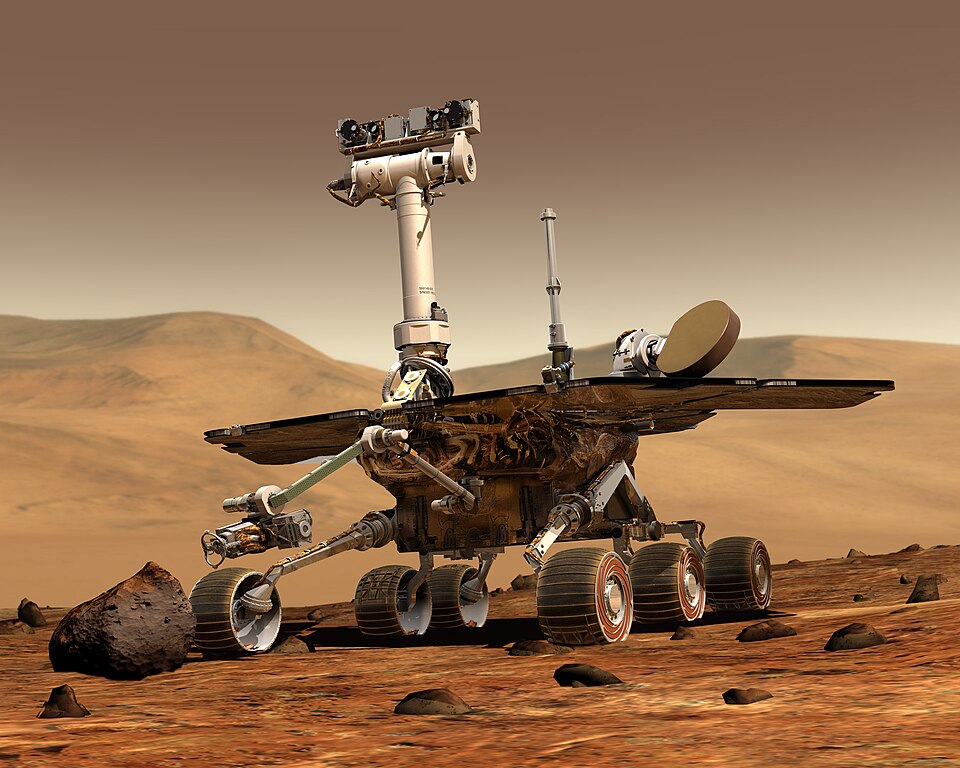
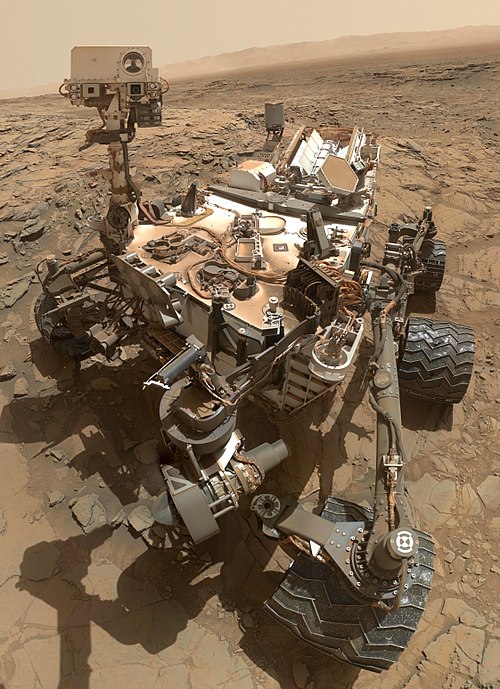
Advanced autonomous systems will supplement human crews by performing reconnaissance, sampling, and drilling. The report considers both humanoid and non‑humanoid agents, designed according to mission demands, but with early definition of scientific objectives to control technological developments.

10. Landing Site Criteria and Pre‑Mission Reconnaissance
Sites need to balance scientific potential with engineering feasibility: accessible ice deposits, varied geology, manageable terrain for rovers and deployment of habitat. Pre‑mission robotic surveys will map radiation levels, dust activity and possible biosignature locales that inform final site selection.
11. Policy and Programmatic Context
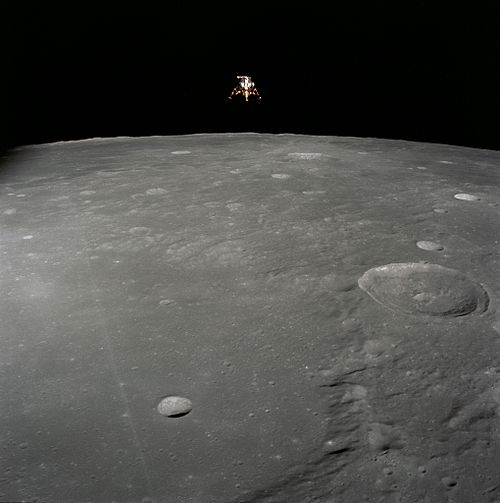
This roadmap aligns with the strategy of NASA’s Moon to Mars program to utilize lunar missions to test technologies and operational concepts. Of course, political will and consistent funding remain a pre-requisite; as Elkins‑Tanton noted, “We’ve been on Mars for 50 years. With humans there, we have a huge opportunity.”
In integrating science priorities with engineering realities-from planetary protection protocols through to ISRU and radiation shielding-it builds a vision for Mars exploration that is aspirational and anchored in technical detail.


