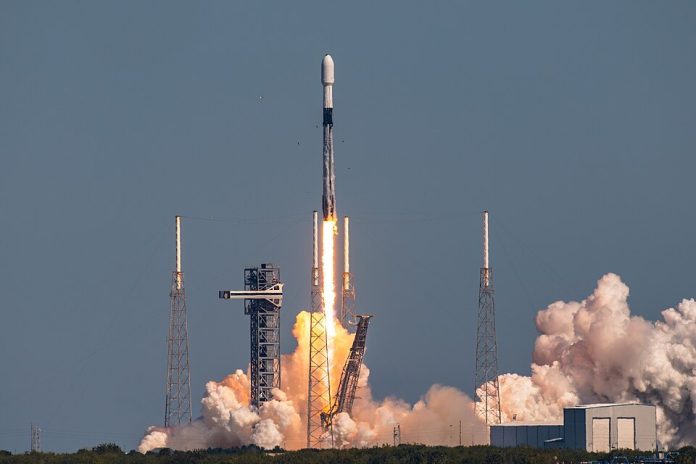
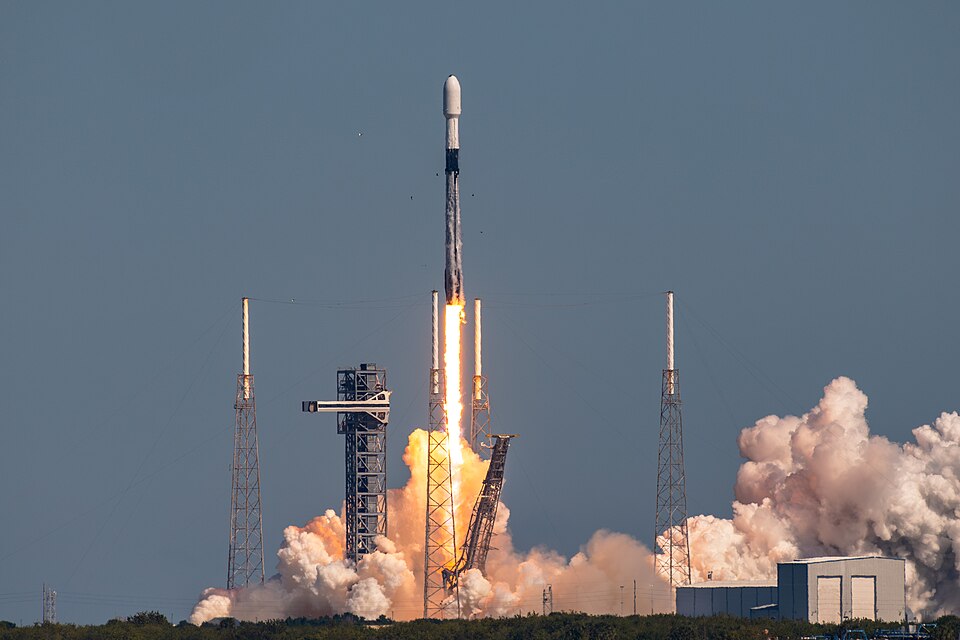
Within a few hours, a shaft of fire will slice through the stillness of the California night, as SpaceX’s Falcon 9 rocket departs Vandenberg Space Force Base at midnight, bound to launch 27 Starlink satellites into low-Earth orbit. For space enthusiasts and fascinated locals, this is both a visual spectacle and a window into the engineering precision behind modern spaceflight.
1. Launch Timing and Window
The launch window for the mission opens at 12:54 a.m. PT Wednesday, Dec. 10. If weather or technical issues get in the way, the backup opportunity would fall on the next day. Orbital mechanics that drive satellite launches into very specific positions relative to Earth mean that sometimes such windows fall deep in the night.
2. Launch Site and Trajectory
It will lift off from Space Launch Complex 4E at Vandenberg Space Force Base in Santa Barbara County. The southeast trajectory is a signature of Vandenberg launches, designed to avoid populated areas while threading satellites into operational orbits. This path also can make the rocket visible from parts of Arizona where dark skies can reveal the glowing ascent.
3. The Falcon 9 and Booster Recovery
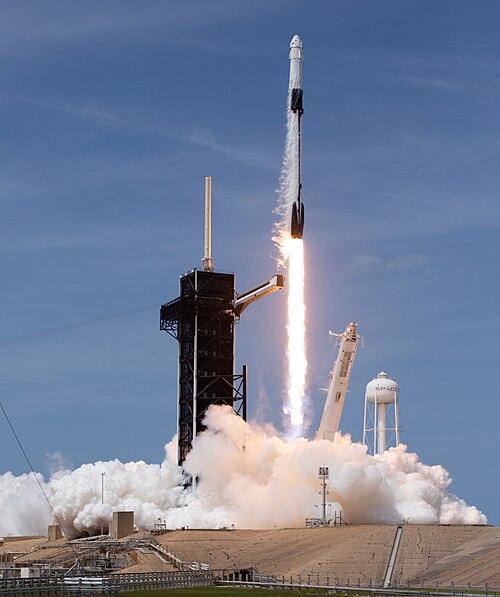
The Falcon 9 rocket stands 230 feet tall and is a workhorse two-stager, capable of rapid reuse. After propelling the Starlink payload toward orbit, its first-stage booster will try to land on the drone ship “Of Course I Still Love You”, stationed in the Pacific Ocean. Its recovery is enabled through grid fins for atmospheric steering, cold gas thrusters for orientation, and precision engine burns to slow its descent. Another key aspect of the booster is its direct compatibility with rapid reuse, which has significantly reduced launch costs and improved cadence.
4. Starlink Constellation & Performance
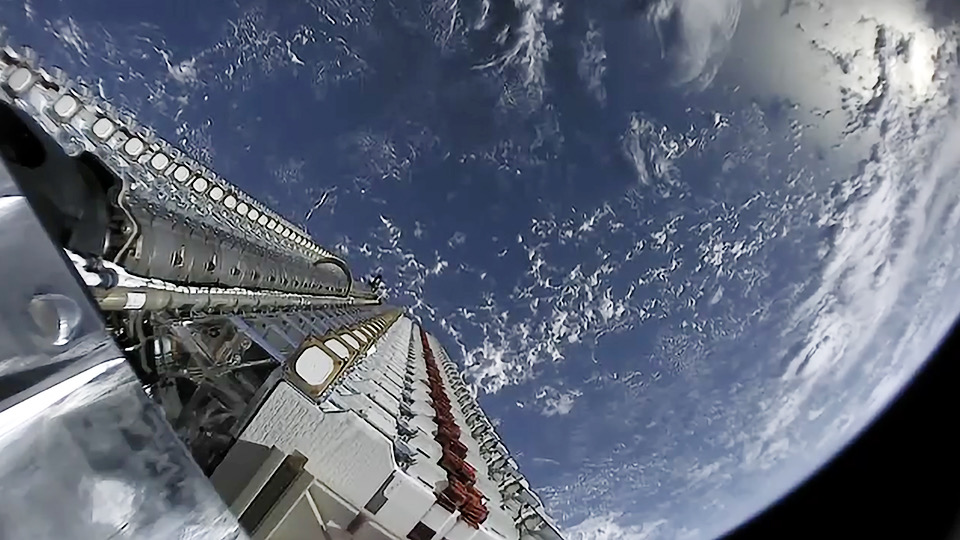
The Starlink network comprises over 8,700 satellites in low-Earth orbit, some 341 miles above the planet. That altitude provides lower latency compared with geostationary systems; median latency in Q1 2025 was 45 milliseconds. Download speeds have almost doubled over three years to 104.71 Mbps, while upload speeds have increased to 14.84 Mbps. That sort of performance allows for streaming, online gaming, and video calls, particularly for rural areas.
5. Public Viewing Locations in California
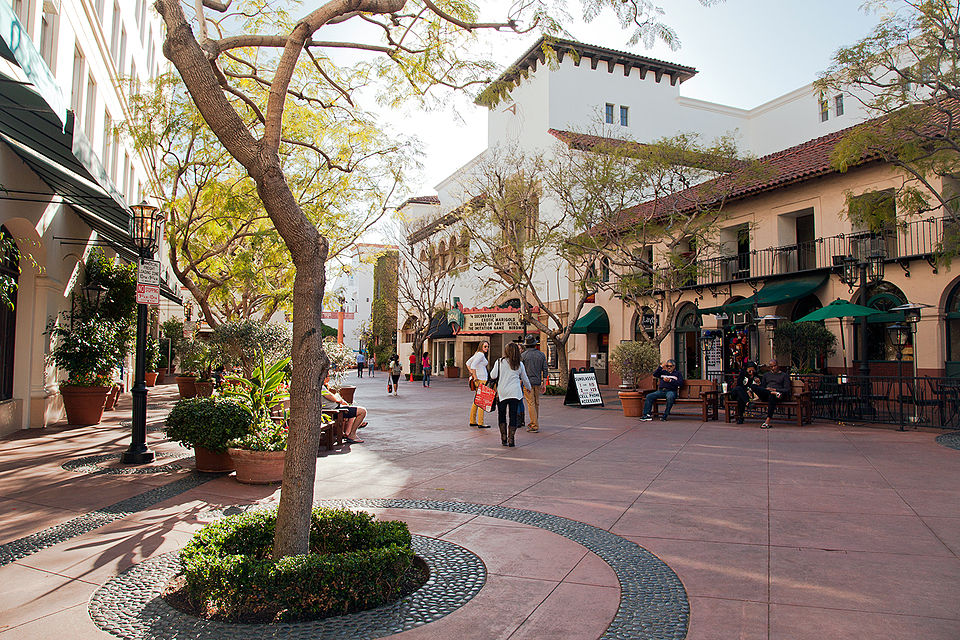
Although Vandenberg is not open to the public, good weather conditions allow viewing from many locations: Santa Barbara County: 13th Street & Arguello Boulevard, Floradale Avenue & West Ocean Avenue, Renwick Avenue & West Ocean Avenue, Santa Lucia Canyon Road & Victory Road, Ocean Park, Allan Hancock College, Riverbend Park, Surf Beach Ventura County Ventura Pier, Emma Wood State Beach, Serra Cross Park, San Buenaventura State Beach, Cemetery Memorial Park San Luis Obispo County, which includes Avila Beach, Pismo Beach, Shell Beach parks, Oceano Dunes and Morro Strand State Beach Farther out, the rocket’s ascent might be visible in Long Beach, Lake Forest, San Diego and Merced.
6. Sonic booms and acoustic research
Residents in Santa Barbara, Ventura, and San Luis Obispo counties may hear sonic booms-brief, thunder-like rumbling sounds that occur when the rocket breaks the sound barrier. Vandenberg, in partnership with SpaceX, NASA, and universities, is leading research into ascent sonic booms. A network of 25 monitoring stations across 500 square miles captures data on how microclimates and terrain influence boom audibility. “All launches produce sonic booms; but their audibility to the public depends on a number of factors including how the launch trajectory, the size of the rocket, and atmospheric conditions,” said Kent Gee of Brigham Young University.
7. Balancing Environment and Operation
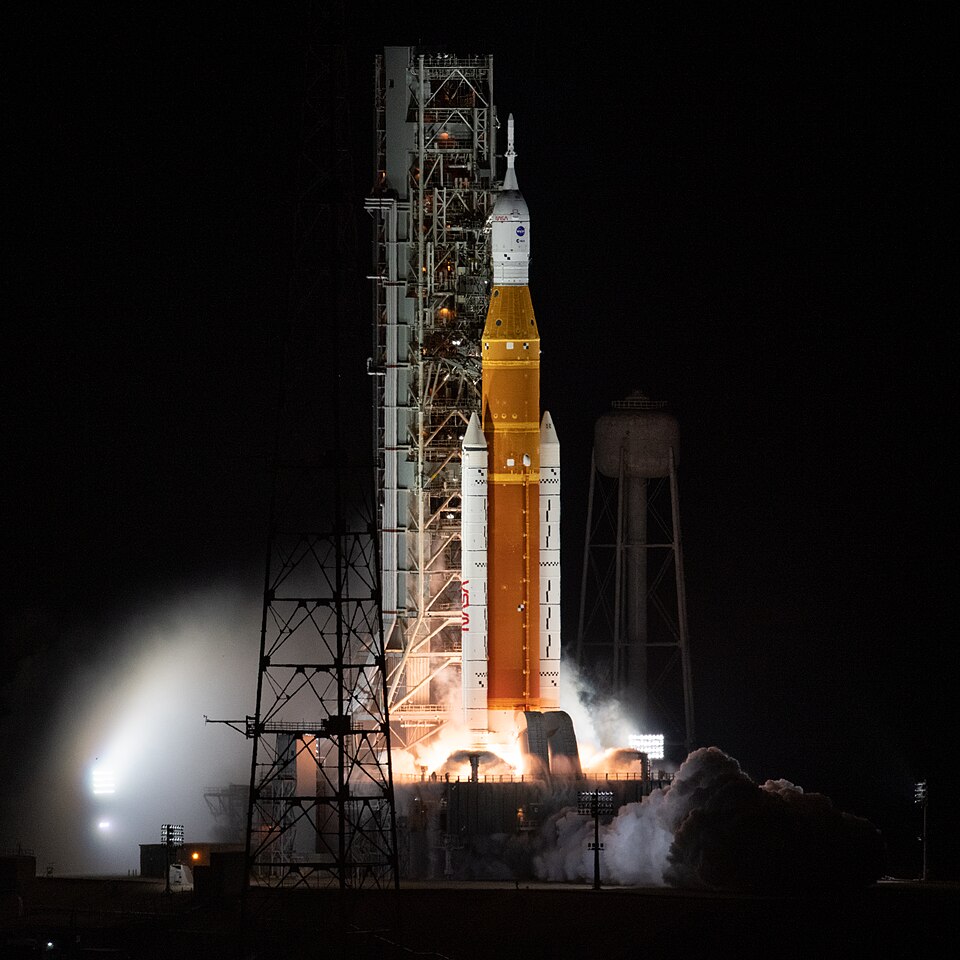
Col. Mark Shoemaker, Space Launch Delta 30 commander, noted the sweet spot is finding that balance between mission needs and impact on the community. Launch times are adjusted sometimes to reduce disturbance, although some orbital requirements may necessitate flying at midnight. The Interagency Environmental Working Group meets quarterly to review data related to the impacts to coastal resources, including results from the sonic boom study.
8. Vandenberg’s Role in Space Operations
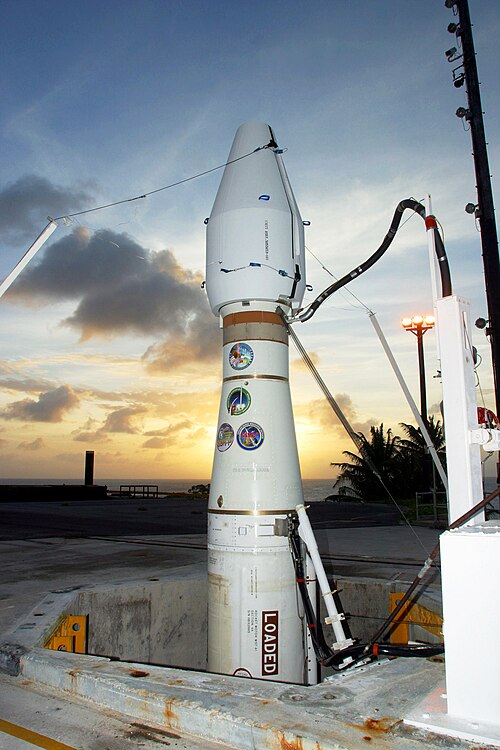
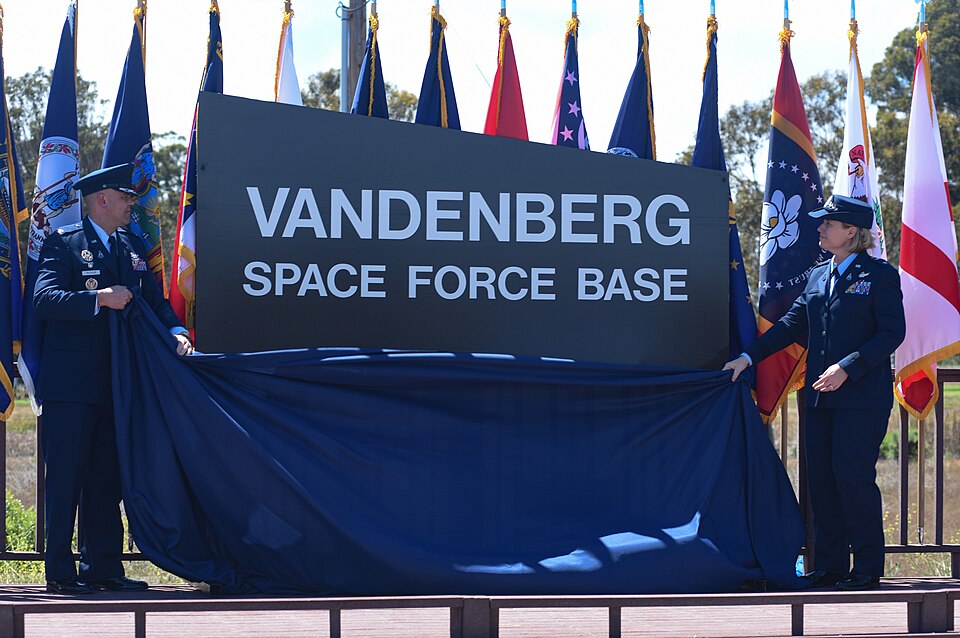
Established in 1941, Vandenberg became a cornerstone of U.S. space capability, hosting civil, commercial, and military launches. Space Launch Delta 30 oversees operations, which include missile tests and national security payloads. The base’s infrastructure is supportive of high-frequency launches, contributing to SpaceX’s rapid Starlink deployment cadence.
This mission represents the fourth Starlink launch from California in just the first 10 days of December. With the countdown working its way toward midnight, California’s coastal skies will host another chapter in the evolving story of reusable rockets, global internet connectivity, and the science of sound in spaceflight. For those along the Central Coast and beyond, it is a rare chance to see an intersection of engineering mastery and celestial spectacle.


