

The previously dominant narrative of a civilization destined to soon collapse under the impacts of climate change is giving ground to a data-driven, innovation-led approach. Leaders, scientists, and investors converged at COP30 in Belém, Brazil, around one basic principle: the best climate strategy puts human welfare first and rapidly accelerates the deployment of affordable zero-carbon technologies in all large-emitting sectors simultaneously. This reframes the orientation toward one of building the technological and economic conditions of both decarbonization and resilience from merely a narrow pursuit of short-term targets in emissions.

1. From Temperature Goals to Metrics of Human Development
The core message that came out of COP30 was that climate policy should be evaluated not just on the degrees averted but on improvement in the quality of life, particularly in low-income countries. Dramatic gaps are revealed by the UN’s Human Development Index: Switzerland comes in at 0.96, while the South Sudan is 0.33, where a child is 39 times more likely to die before age five than in Sweden. To billions of people, poverty, disease, and lack of infrastructure are far more concerning than climate change per se, and any policy failing to take that into consideration risks misallocating those sparse resources.

2. AI-Enhanced Climate Intelligence
Artificial intelligence is changing the face of adaptation planning. Initiatives like Stanford’s Climate Change and Political Mobilization in the Global South now use machine learning to combine geolocated data of climate exposure with political and social metrics into high-resolution maps of vulnerability. These tools underpin targeted interventions-from early-warning systems for extreme weather to optimized resource allocation-that directly address community needs most exposed to climate shocks.

3. Sector-by-Sector Innovation Pathways
Breakthrough Energy’s framework is in line with IEA’s Net Zero by 2050 roadmap, which designates five sectors responsible for all emissions: electricity, manufacturing, agriculture, transportation, and buildings. In the case of electricity, high-capacity transmission lines from companies like TS Conductor and VEIR, advanced geothermal systems from Fervo, and next-generation nuclear from TerraPower form the core of firm, clean power. Breakthroughs in manufacturing include zero-emission steel from Boston Metal and cement from calcium silicate rock from Brimstone-avoiding process emissions from limestone altogether. For agriculture, methane-reducing cattle feed additives and negative Green Premium biofertilizers already can reach viability; they just need to be scaled up. For transport, the main changes will come from driving down battery costs at Redwood and Stratus Materials to electrify vehicle fleets; aviation is still waiting for cost-competitive synthetic fuels. High-efficiency heat pumps and building materials like super-insulating windows from Luxwall will decarbonize buildings.
4. Hard-to-Abate Materials: Steel and Cement
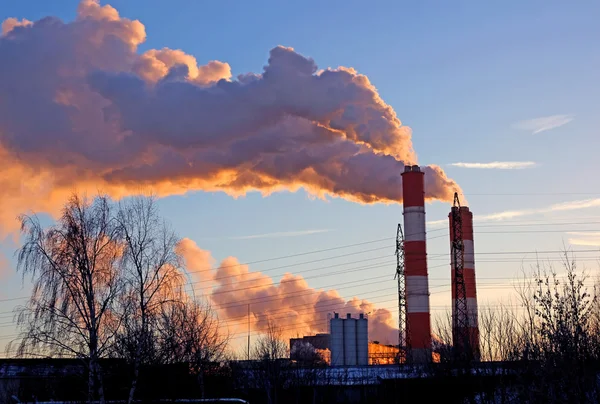
Today, steel and cement together account for almost 20% of global CO₂ emissions. In each sector, process emissions are a dominant driver, and power from renewables is not enough to remove them. Green hydrogen is being used to replace coal in direct reduction of iron, by companies such as Sweden’s Stegra, to achieve up to 95% cuts in emissions, while the geological process employed by Brimstone avoids CO₂ release altogether. Catalytic customers such as Mercedes and Amazon drive these approaches toward price parity, while the EU’s Carbon Border Adjustment Mechanism is among the policies that will help level the playing field.
5. Energy Storage and Grid Modernization
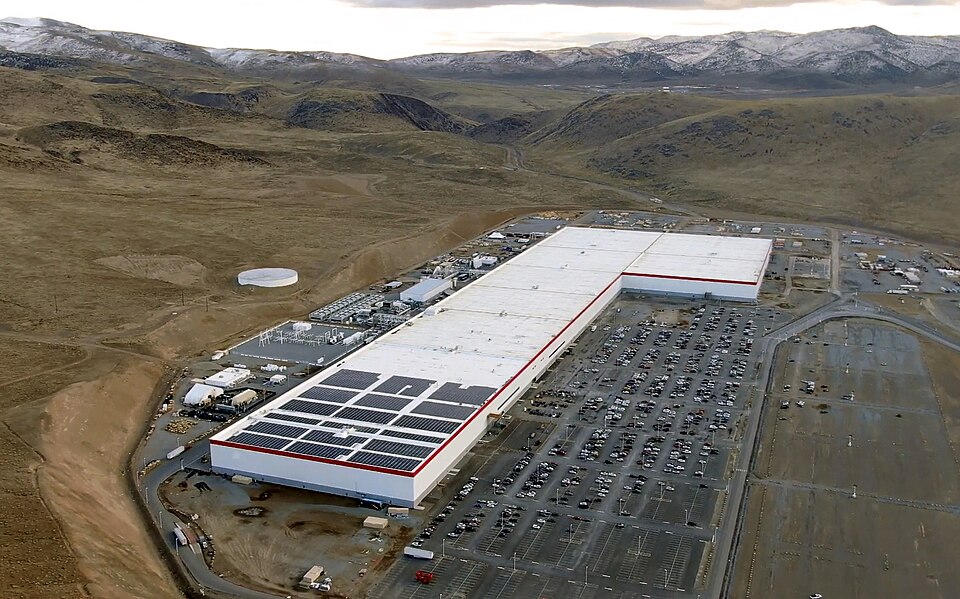
The IEA pathway calls for annual solar PV installations of 630 GW and wind of 390 GW by 2030, along with huge upgrades in grids. Battery production must increase massively from 160 GWh today to 6,600 GWh by the end of the decade, which would require close to 20 new gigafactories coming online every year. Smart grids, demand‑response systems, and large‑scale storage are indispensable to integrate these renewables reliably into the system. Grid digitalization is being integrated into participatory planning approaches in several projects in Sub‑Saharan Africa to align expansion with local development priorities.
6. Climate-Smart Agriculture: The Engine of Adaptation
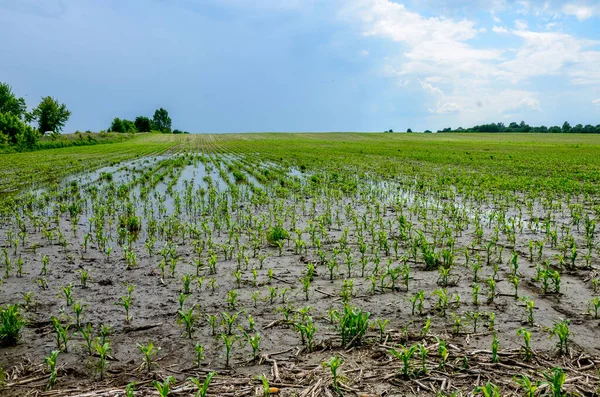
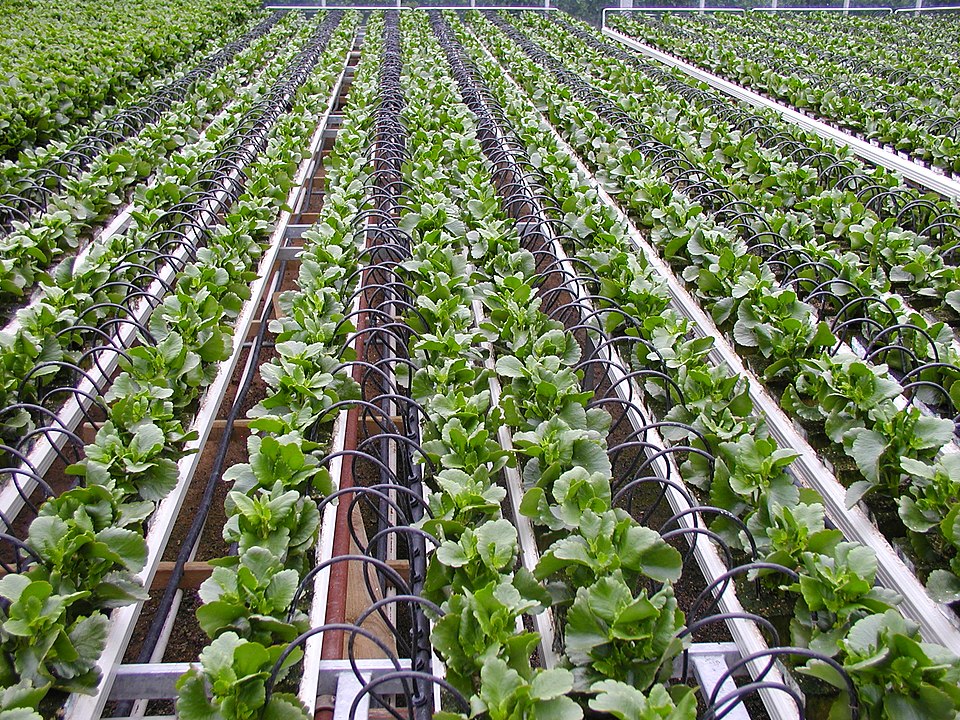
Climate-smart agriculture serves as both a poverty-reduction and an adaptation strategy in regions where most people are smallholder farmers who make $2 a day. AI-driven agronomic advice, deployed for 40 million farmers during the last monsoon, can prevent widescale crop losses. In Kenya, drought-tolerant maize varieties have increased yields by 66%, while biofertilizers in Tamil Nadu have increased yields by 20%. Accordingly, these interventions create immediate income gains and long-term resilience.
7. Health Systems as Climate Infrastructure
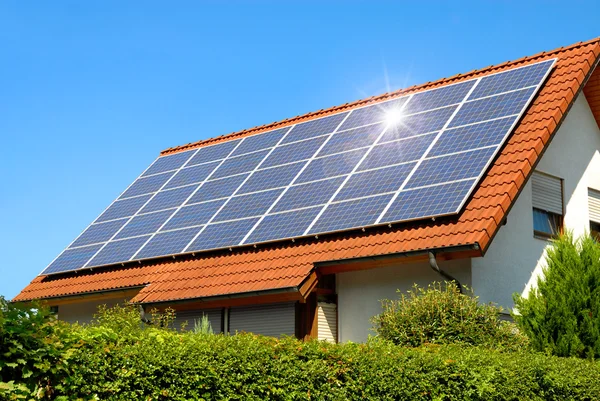
The World Bank’s Climate and Health Program is integrating low-carbon, climate-resilient infrastructure into national health systems. In Indonesia, a total of $4 billion is invested in energy-efficient medical equipment and telemedicine to maintain service during climate shock. In Sierra Leone, solarized clinics and climate-smart facility upgrades will improve care for a third of the population. Such investments reduce vulnerability both to direct climate impacts and to the underlying disease burdens that magnify them.

8. Financing the Transition
This call by COP30 to treble adaptation finance by 2035 fits within the Baku to Belém Roadmap’s US$1.3 trillion target for developing countries in view. It will necessitate the blending of public and private finance, de‑risking investments in emerging markets, and coherence of trade policies with climate objectives in order to mobilize such capital. The new dialogues on trade and climate seek common carbon accounting, the handling of border adjustment mechanisms, and the fair distribution of benefits from green industrialization.
9. Measuring Impact with the Green Premium
Where this has already happened-the “Green Premium,” or cost gap between clean and incumbent technologies, has fallen to zero-is in solar, wind, storage, and EVs. It is this that the goal is to replicate across all sectors. Policymakers, investors, and activists should focus efforts on technologies with high current premiums but large decarbonization potential, guided by rigorous cost‑per‑life‑saved and welfare‑impact metrics of spending, much as Gavi’s $22 billion vaccine program has prevented 19 million deaths since 2000.
The strategic pivot emerging from COP30 is clear: Development is adaptation. By embedding technological innovation within a human-welfare framework, the climate community has the potential to simultaneously drive emissions toward net zero and pull millions out of poverty, ensuring rapid, widely shared benefits of the transition.


