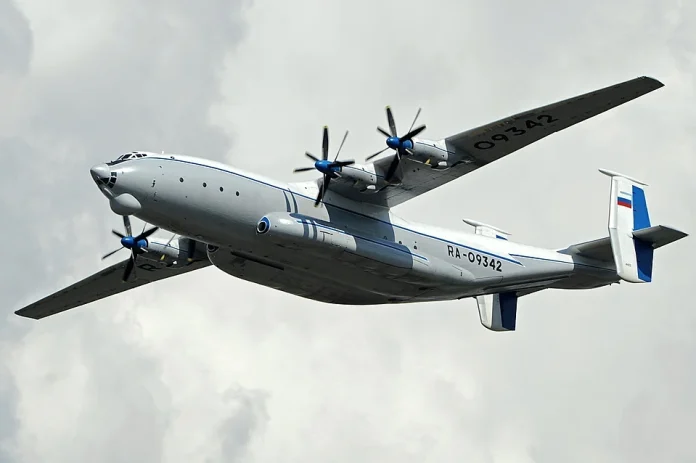

Just another blow to Russia’s military airlift capability: The crash in the Ivanovo region of a rare Antonov AN-22 has not only taken one of few remaining examples of this giant turboprop out of service but has laid open far deeper structural problems within the transport fleet of the Russian Aerospace Forces. In a war where unmanned systems dominate the skies, every surviving crewed aircraft has become a scarce asset-and losing one is far more than a headline.
The demise of the AN-22 occurs against a background of sanctions, supply chain collapse, and aging airframes pressed back into duty. This list examines some of the most striking facts and their implications surrounding the crash, aircraft history, and the greater crisis facing Russia’s military aviation. It explains why this incident matters far beyond the immediate loss.
1. The Crash That Shouldn’t Have Happened
Witnesses in Ivanovo said the AN-22 broke apart in the air and its parts dropped into the Uvodskoye Reservoir. The Russian Ministry of Defense said the plane was on a test flight “following repairs” when it crashed, killing all seven crew on board. State media had given the impression the type had been retired, making its appearance in the air somewhat unexpected. The Kommersant newspaper reported, citing sources, that a technical malfunction was the probable cause.
2. Cold War Giant
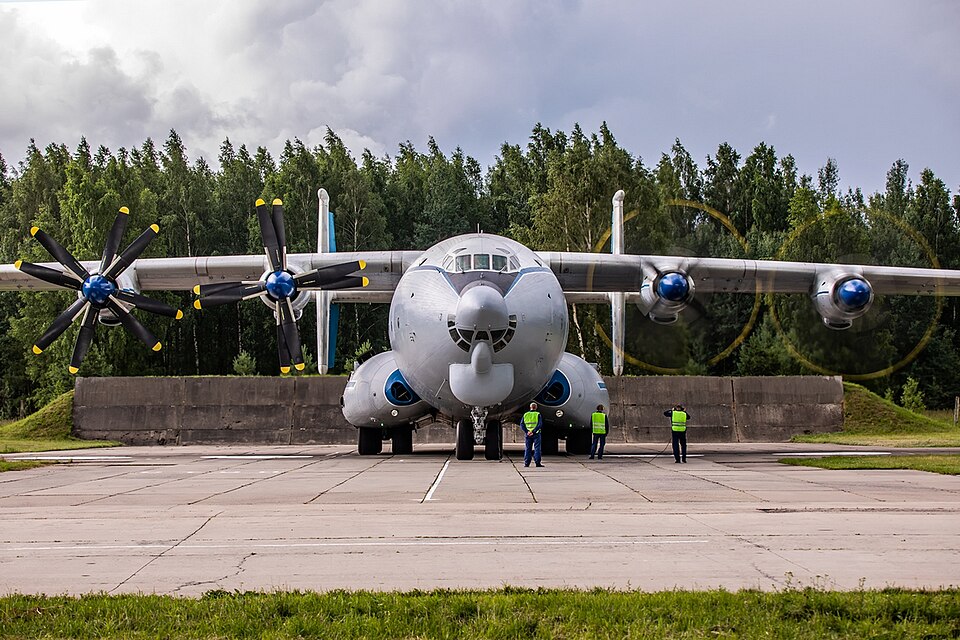
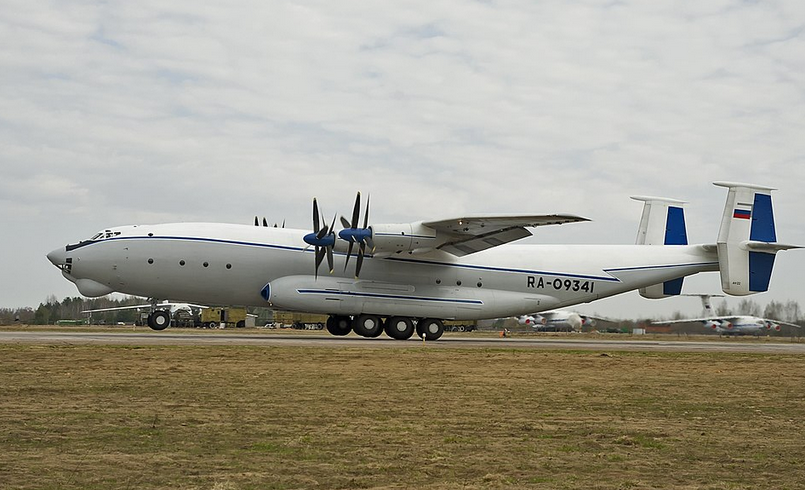
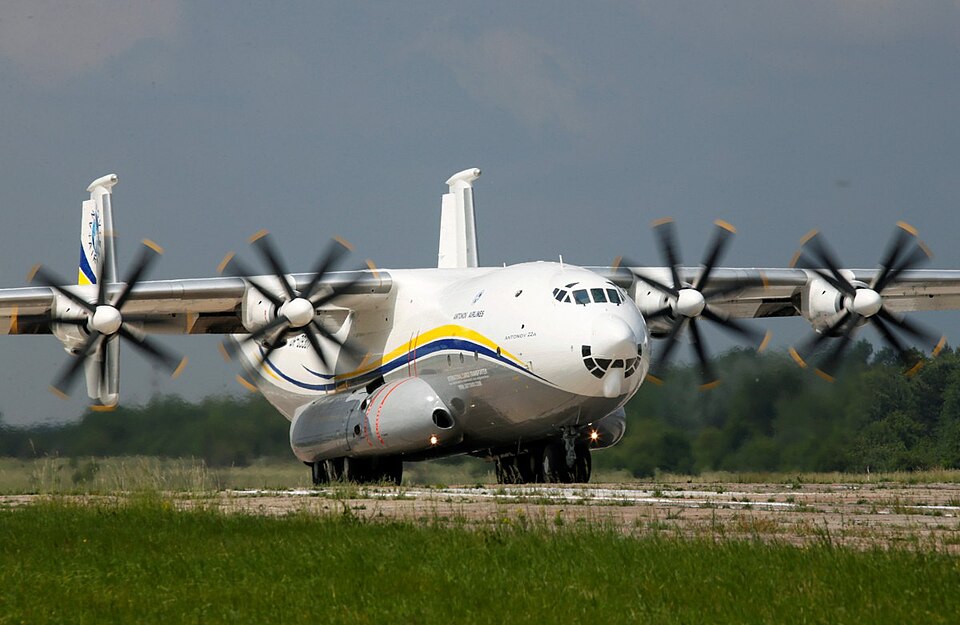
First flown in service in the mid-1960s, the AN-22 ‘Antei’ was once the world’s heaviest aircraft. Four turboprops-the Kuznetsov NK-12MA-drive eight-blade contra-rotating propellers more than 20 feet in diameter and give the giant transport a payload capacity of more than 132,000 pounds, or as many as 292 troops. Its rough-field capability and outsized load-carrying capacity have made it indispensable on strategic missions ranging from Afghanistan to humanitarian relief in Armenia.
3. Retirement Plans That Never Stuck
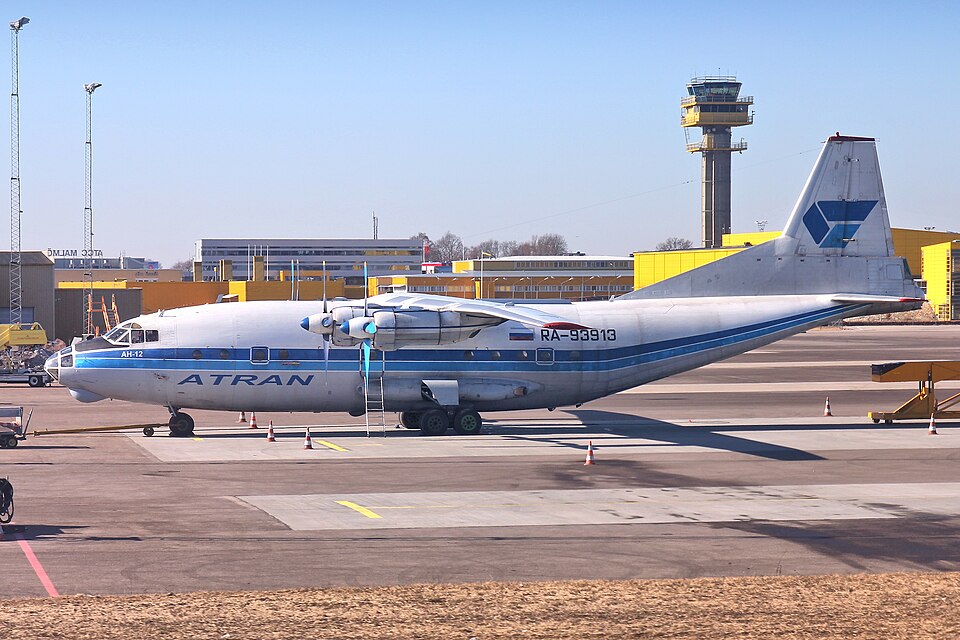
Lt. Gen. Vladimir Venediktov had told VGTRK in 2024 that the AN-22 would retire before year’s end. At the time, only five remained in service with the 196th Military Transport Aviation Regiment. One example was reportedly destined for a museum display in Verkhnyaya Pyshma, but recent satellite imagery showed no such aircraft suggesting plans changed, possibly due to shortages in other heavy-lift types.

4. Sanctions and the Engine Bottleneck
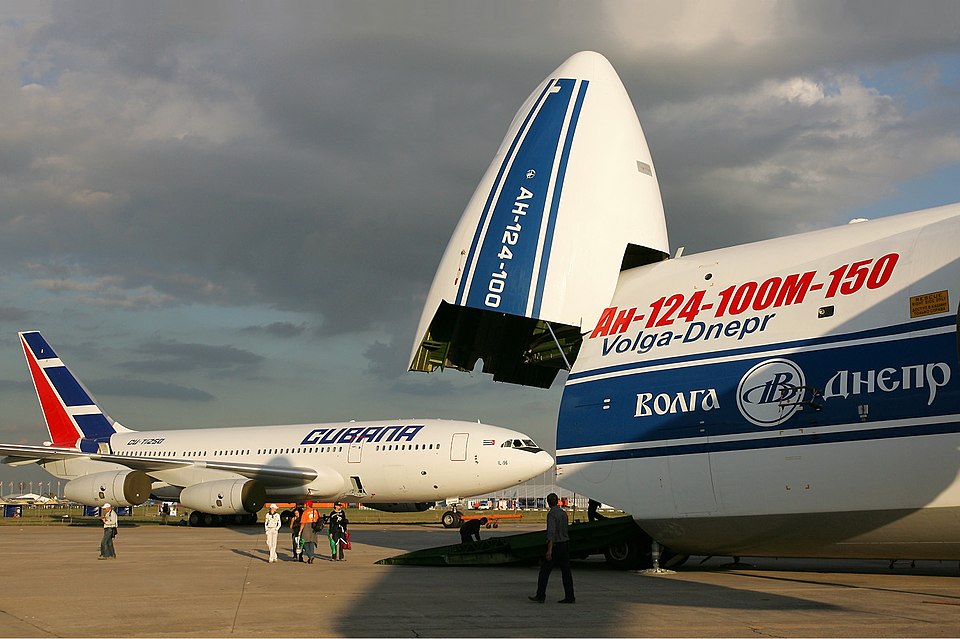
A failure of Russia to restart production of the An-124 ‘Condor’ is linked to its lack of D-18T turbofan engines, built and overhauled solely by Motor Sich in Ukraine. This had minimized the amount of An-124s being flown which could have driven attempted returns to service of AN-22s despite their age. Sanctions also blocked access to Western parts for Boeing and Airbus aircraft, forcing operators to cannibalize or smuggle components.
5. Safety Spiral of Civil Aviation
Russia’s commercial aviation is in a safety crisis: the number of accidents rose from eight in 2023 to 17 last year, with three times as many people killed. Already this year, 53 people have died in 2025. Poor maintenance, inadequate pilot training, and continuing reliance on aged Soviet-era aircraft that lack certified parts are some of the causes. Already, the crash of the AN-22 fits into a pattern of growing mechanical failures.
6. Supply Chain Collapse in Defense and Aerospace
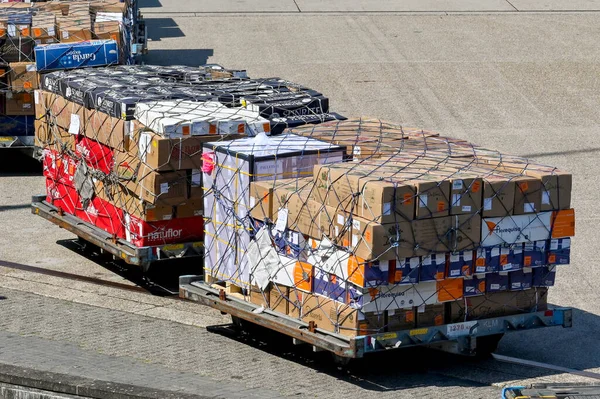
Sanctions have crippled Russia’s aerospace supply chain, where titanium, aluminum, and microchips have been cut off. One monopoly, VSMPO-AVISMA, once fed Boeing, Airbus, and Embraer, but now Russia struggles to source critical materials. Military manufacturers are facing shortages, including tank production and missile exports, because of that, and aviation maintenance is hurt due to the lack of OEM-certified parts.

7. Wartime Demand for Heavy-Lift Capacity
With the war in Ukraine still raging, Russia’s need for heavy transport is on the rise. The AN-22 had a more spacious hold, relatively cheaper to operate than the An-124, and larger than IL-76, which made it useful in moving armored vehicles or large humanitarian loads. Losing one reduces flexibility in a fleet already stretched thin by combat logistics and sanctions.
8. Drone-Dominated Skies and Transport Vulnerability
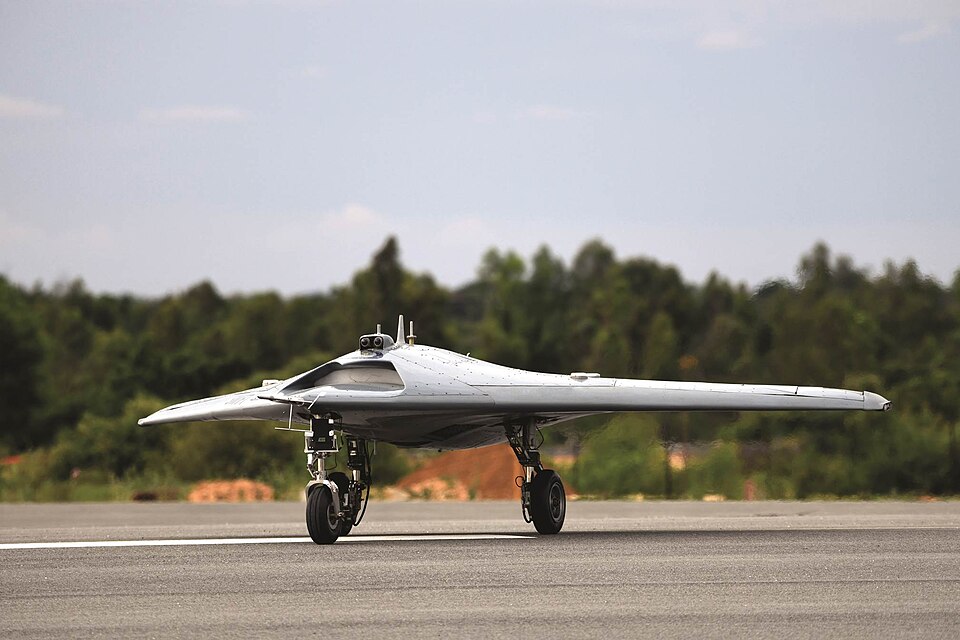
In the current conflict, manned transports share the mission space with UAV logistics and surveillance platforms. Russian drones have achieved partial battlefield air interdiction against Ukrainian ground lines of communication. This environment heightens the risks for large, slow transports, which could be targeted in rear areas, compounding the fleet’s attrition from accidents.
9. The Bleak Outlook for Russia’s Air Transport Arm
The AN-22 crash underlines a wider decline. Modernization plans failed, production of the An-124 has stalled, and Il-76s cannot meet all heavy-lift needs on their own. Other recent crashes such as the An-24 near Tynda and An-2 in Krasnodar expose systemic issues. Without new production or reliable imports, Russia’s transport aviation is facing up to a future of dwindling numbers and rising hazards.
The loss of the AN-22 is more than the disappearance of a Cold War relic; it is the symptom of a fleet in crisis. Sanctions, supply-chain breakdowns, and wartime strain have combined to push Russia’s military and civil aviation into dangerous territory. Every transport aircraft counts in a battlespace dominated by the use of drones and logistics that are always under threat, with every loss creating less margin to sustain operations.


