“Again unprepared.” Those four words formed one of the most unsparing verdicts yet on Moscow’s 2022 invasion of Ukraine from retired Col. Gen. Vladimir Chirkin, former commander of Russia’s ground forces. In a rare public broadside, he accused the country’s intelligence apparatus of feeding the Kremlin a fantasy-a universe in which a majority of Ukrainians would embrace a pro-Russian regime and Kyiv would fall in days.
The candor from such a senior ex-officer is remarkable for today’s Russia, where any war-time dissent has often been swiftly punished. His remarks in an interview broadcast on RBC Radio provided more than the puncturing of the myth about a well-prepared “special military operation”; moreover, it told about deeper cracks in the culture of Russian military and intelligence decision-making.
This selection distills the most salient themes from Chirkin’s interview and related analyses to show how systemic misjudgment, entrenched habit, and flawed command structure combined in one of Moscow’s most costly strategic missteps in decades.
1. Intelligence Based upon Fallacious Premises
He faulted Russian intelligence, accusing them of assuring the Kremlin that 70 percent of Ukrainians would support a government installed by Moscow. In fact, he said, the ratio was reversed 70 percent opposed. It was no minor miscalculation; it shaped the whole invasion plan. Analysts have linked it to a culture of telling leaders what they want to hear, a hallmark of what scholars call Russia’s “besieged fortress” mindset, where dissenting assessments are suppressed.
2. The ‘Three Days to Victory’ Delusion
In February 2022, senior figures had boasted that the war would last three days. Chirkin recalled this bravado as emblematic of Moscow’s chronic underestimation of adversaries and overestimation of its own forces. The reality weeks of stalled offensives and an eventual retreat from Kyiv was, in his words, “not as advertised.”
3. Paralysis due to the so-called ‘Tbilisi Syndrome’
He referred to early battlefield paralysis rooted in the so‑called “Tbilisi syndrome,” a legacy of the 2008 Georgia war: a hyper‑centralized command where field officers are afraid to take action without explicit orders. By the time approval comes, opportunities have passed. Western and Ukrainian assessments have echoed this diagnosis, noting how it paralyzed Russian responsiveness in the invasion’s opening phase.
4. A Systemic Collapse, Not Just Tactical Errors
Think‑tank studies argue that early failures were the consequence of a systemic collapse of a political‑military machine that was misaligned with modern war. The Kremlin’s designation of the invasion as a “Special Military Operation” precluded legal and mobilization frameworks for large‑scale conflict, curtailing force size, logistics, and adaptability from the outset.
5. Strategic Culture: The Hidden Culprit
Research into Russian intelligence culture underlines hardened traits: a reluctance to deliver bad news, deference to hierarchy, and a worldview that sees Russia under constant siege. These habits, instilled over generations, conditioned how raw intelligence was interpreted in an effort to turn even valuable human and cyber penetrations in Ukraine into overly optimistic reports.
6. Dysfunctional Civil-Military Relations
Analysts indicate that civilian control under the helm of Vladimir Putin has equated to political compliance, not effective oversight. Over-centralization, flawed evaluation mechanisms, and poor human-capital development left Russia’s armed forces with weak junior leadership, outdated training, and a tendency to protect institutional interests over battlefield performance.
7. Material Losses and Attrition
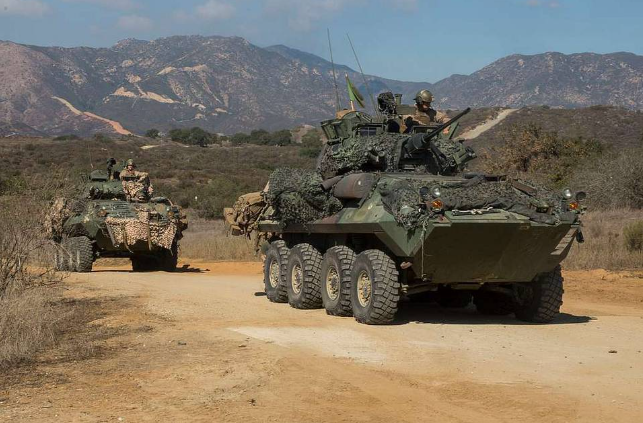
By mid‑2025, Russia had suffered over 950,000 total casualties, including a quarter‑million dead, and had lost thousands of tanks, armored vehicles, and artillery pieces. Since January 2024, its territorial gains-less than 1 percent of Ukraine-came at a pace slower than World War I’s Somme offensive. Such figures undermine Kremlin claims of holding the strategic initiative.
8. Adaptation Under Fire
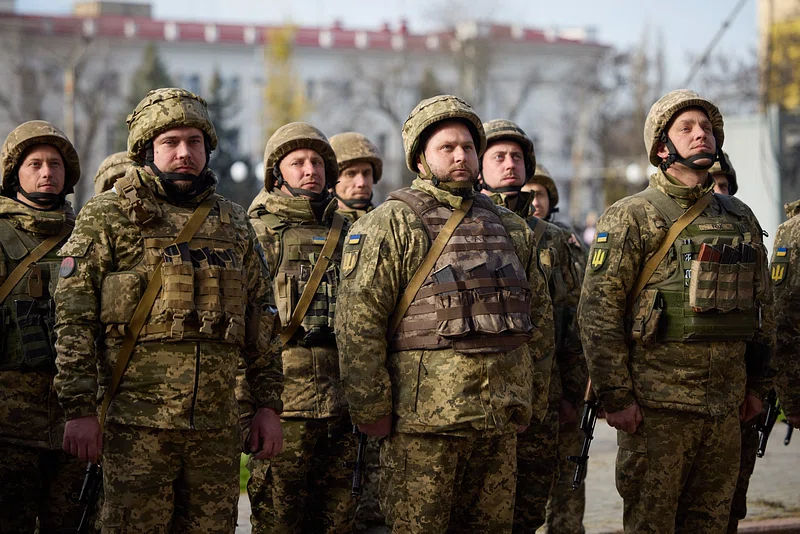
The Russian forces have adapted tactically, despite structural flaws, from battalion tactical groups to smaller assault detachments; integration of drones in artillery units to improvements in electronic warfare. The civil society actors, from the regional governments down to pro-war activists, have furnished supplies of non-lethal gear while demonstrating both the robustness and lacuna in the official logistical operations.
9. The Command-and-Control Paradox
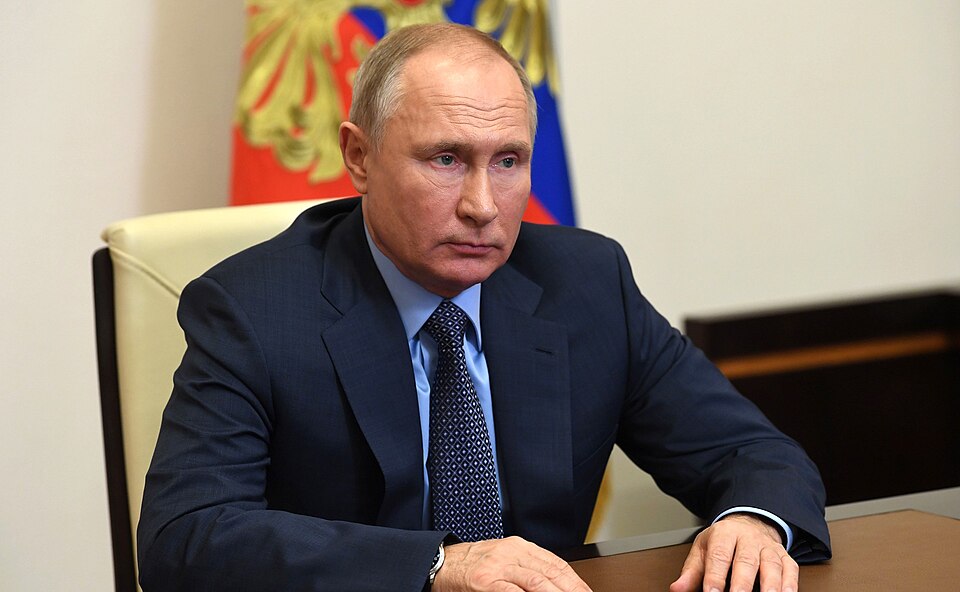
Reforms after 2008 created joint strategic commands and the National Defense Management Center to accelerate decisions. However, in Ukraine network-centric warfare concepts foundered, and stove-piped structures endured. It is also top-heavy-Putin himself has been described by Gen. Valery Gerasimov as laying down operational objectives personally-thus limiting flexibility at the front. Chirkin’s candor removes the varnish from the preferred narrative of the Kremlin-and also reveals a war effort crippled by cultural inertia, faulty intelligence, and rigid command.
His critique chimes with more expansive analyses which diagnose Russia’s early Ukraine campaign not as an unlucky stumble, but rather as the predictable consequence of a system resistant to honest appraisal. Whether Moscow can reform these habits in the midst of a grinding war is an open-and consequential-question.


