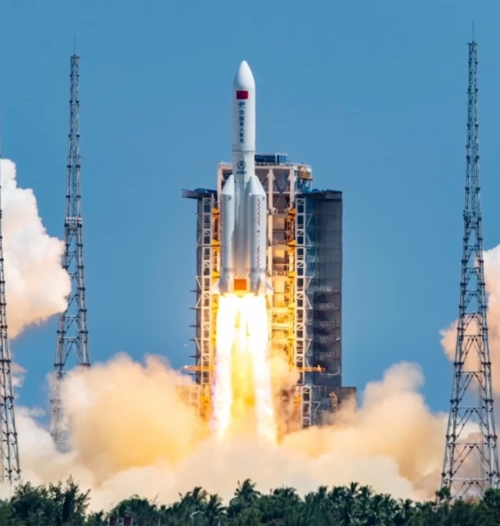
Space is no longer a sanctuary. It is a domain in contestation, and the advantage of the United States has been eroding at a speed that alarms defense strategists. Experts say that Beijing’s push to build a “vertically integrated space ecosystem” is not a benign scientific undertaking-it is a calculated effort to undermine America’s military and economic supremacy from orbit to Earth. The implications go well beyond satellites into navigation systems, surveillance networks, lunar resources, and even into the very set of rules which order space.
In recent congressional testimony, Clayton Swope of the Center for Strategic and International Studies laid out how the People’s Republic of China is fusing civilian, commercial, and military space programs into a unified strategic apparatus. This whole-of-society approach is designed to match-and ultimately surpass-U.S. capabilities, enabling China to deny, displace, and dominate in the most critical high ground of the 21st century. The following nine developments reveal the breadth of this challenge and the urgency of countermeasures.
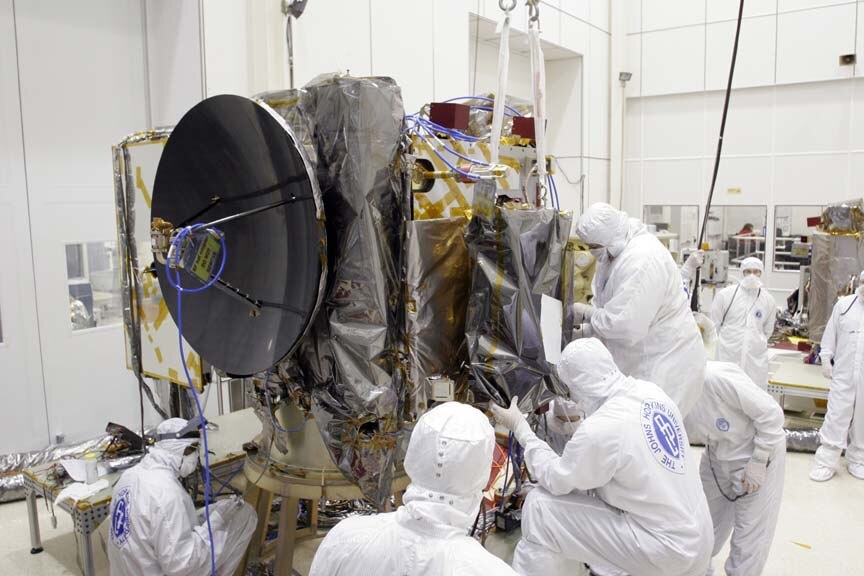
1. Building a Vertically Integrated Space Ecosystem
It is building a nearly self-sufficient network of satellite manufacturing plants, launch facilities, tracking stations, and on-orbit servicing technologies. While much of this infrastructure is within China, key elements-overseas ground stations-most notably.Extend Beijing’s reach globally. Under the military-civil fusion doctrine, the PRC has aligned commercial and military goals so that every technological gain-from in-space refueling to space-based data centers-feeds directly into the People’s Liberation Army’s operational advantage.

2. Deploying Persistent High-Resolution GEO Surveillance
The launch of Yaogan-41 in December 2023 marked a leap in China’s ability to monitor the Indo-Pacific. Officially described as a civilian remote-sensing satellite, it is assessed by Western analysts to be a military reconnaissance asset able to identify and track car-sized objects across half the globe. This persistent geostationary coverage, combined with synthetic-aperture radar from Ludi Tance-4, gives Beijing an unparalleled capability to follow the U.S. and Allied naval and air forces in near real time, complicating stealth and maneuver strategies.
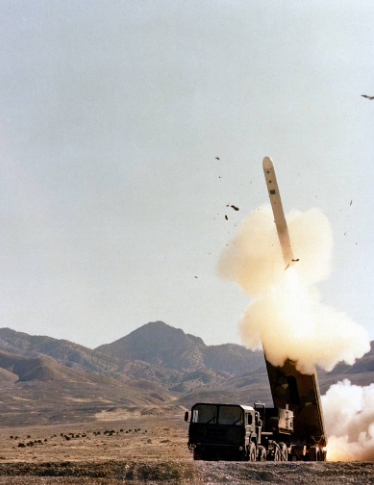
3. Advancing Counterspace Weapons and Doctrine
China has emerged as a leader in kinetic and non-kinetic anti-satellite systems, rivaled only by the U.S. and Russia. Its arsenal includes ground-launched missiles, co-orbital interceptors, and electronic warfare tools capable of jamming or spoofing signals. Multiple Chinese rendezvous and proximity operations are documented in the Secure World Foundation’s 2025 report, hinting at rehearsals for the disablement or capturing of adversary satellites. Capabilities such as these pose a threat to the very backbone of U.S. military communications, intelligence, and navigation.
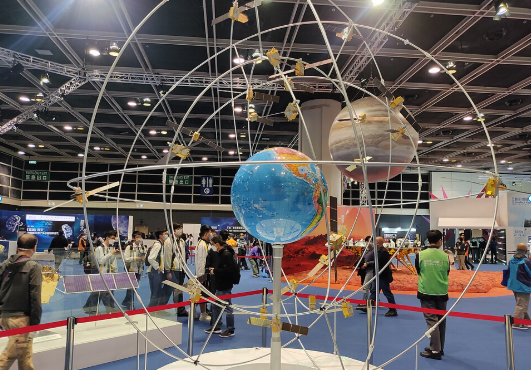
4. Challenging GPS Supremacy with BeiDou
With 56 satellites in orbit and unprecedentedly expansive ground monitoring stations, BeiDou now surpasses GPS coverage over much of Africa and Southeast Asia. The National Space-Based Positioning, Navigation and Timing Advisory Board warned that GPS’s capabilities are “substantially inferior” to BeiDou’s. By embedding BeiDou into Huawei devices and Belt and Road infrastructure, China gains not only economic leverage but also an ability to operate without dependence on U.S.-controlled navigation in any conflict scenario.
5. Leveraging Lunar Resources for Stronger Bargaining Positions
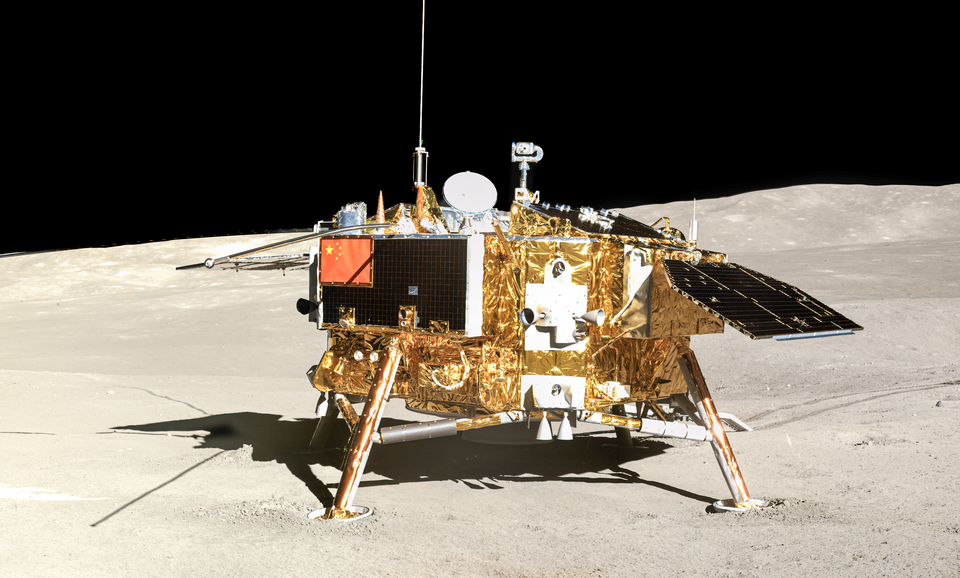
Beijing’s lunar program aims to extract helium-3, rare earth elements, and ice deposits as part of its long-term ambitions to corner the markets of the future energy and technological resources. Missions like Chang’e-8 will test in-situ resource utilization, laying groundwork for a permanent base on the Moon’s south pole by 2035. Control of helium-3, which costs about $20 million per kilogram, could facilitate leaps in nuclear fusion and quantum computing, providing China with unparalleled economic and informational advantages.
6. Participating in the International Lunar Research Station with Russia
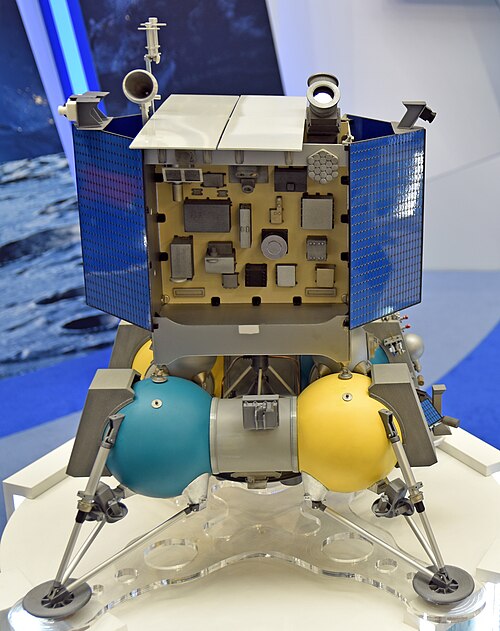
The envisaged ILRS, to be powered, if need be, by a lunar nuclear plant, constitutes the rival bloc to the US-inspired Artemis program. This scalable autonomous base initiative is joined by seventeen partner countries in its design. Cooperation with Russia reinforces the positions of the two countries in space governance and resource claims, while it also serves to challenge Western norms and alliances.
7. Emulating and Outcompeting the U.S. in Space
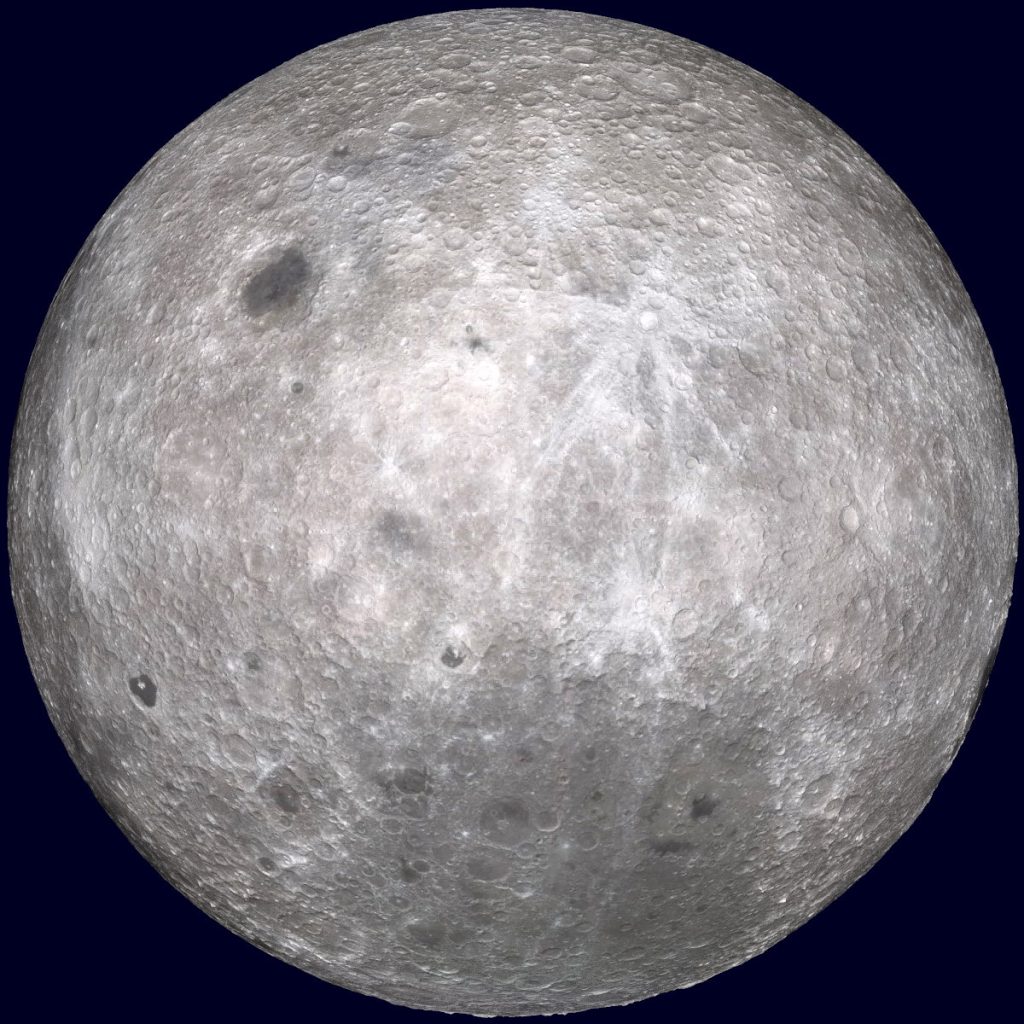
But while much of China’s progress to date has mimicked U.S. accomplishments- modular space stations, reusable launchers, and missions to Mars-it is now pressing ahead to field capabilities that no other country has. These include the first far-side lunar sample return, operations at the Earth-Moon L2 point, and a planned 300-satellite very low Earth orbit surveillance constellation. Innovations such as these suggest Beijing is charting its own course, rather than merely following Washington’s.

8. Undermining International Norms and Arms Control
The expansion of China’s counterspace capabilities runs parallel to the resistance of binding agreements limiting destructive testing. Beijing vetoed a UN Security Council resolution in 2024 that prohibited nuclear weapons in orbit and has shown little interest in halting debris-generating ASAT tests. Without norms that can be enforced, the risk of destabilizing incidents-whether deliberate or accidental-threats to military assets and civilian infrastructure alike remain high.
9. Integrating Space Power into Geopolitical Strategy
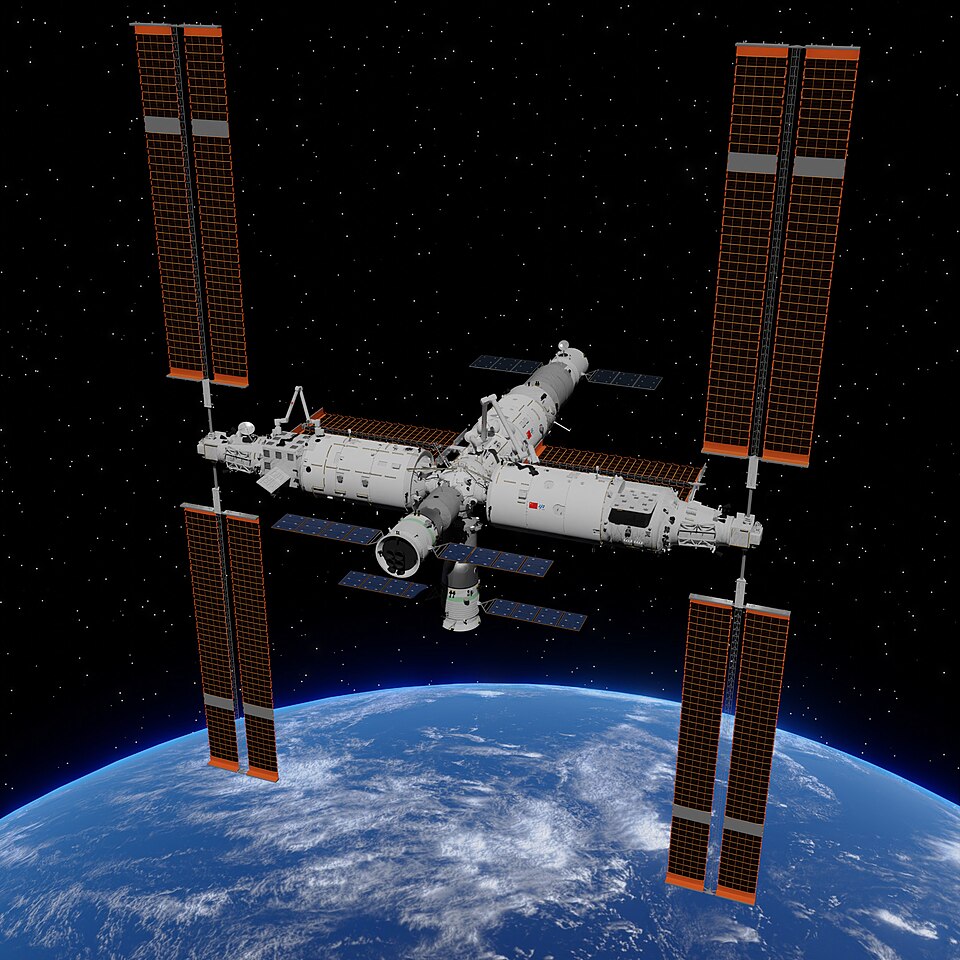
From the Belt and Road Initiative’s “Space Silk Road” to lunar “safety zones” that could morph into de facto territorial claims, China views space as part of its terrestrial strategic playbook. The Moon has taken on a new significance for senior Chinese space officials, who liken it to disputed islands in the South China Sea, underlining a basically territorial approach. This integration of space ambitions with broader geopolitical goals heightens the stakes for U.S. national security.
China’s incremental development of space assets across a range of critical areas, including surveillance, navigation, counterspace weapons, and lunar resource utilization, represents a strategic competition that will define global power in the decades to come. The military, economic, and diplomatic component elements of Beijing’s space strategy leave little doubt that, without determined investment, innovation, and alliance coordination, the United States is under threat of losing the high ground. In the unforgiving arena of space, hesitation is not an option.


