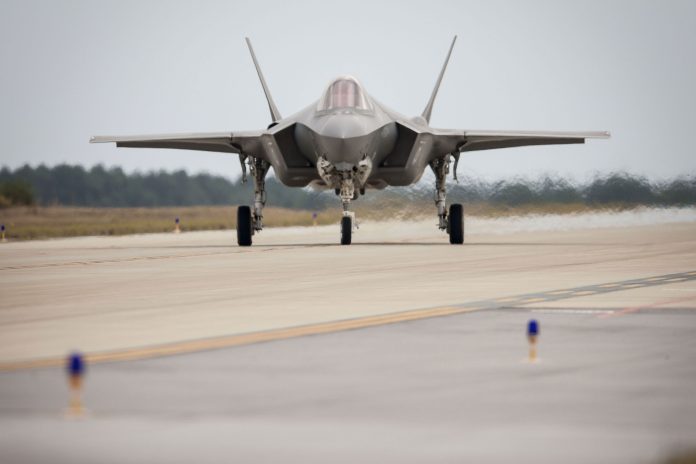

“The last airplanes we took delivery of were $87 million… Find me an airplane out there right now that costs $85 million and has that capability,” former Air Force Chief of Staff Gen. Michael Moseley once said of the F-22 Raptor. That quip neatly summarizes the enduring appeal-and controversy-of America’s twin flagship fifth-generation fighters: the Lockheed Martin F-22 Raptor and the F-35 Lightning II.
While both jets are technological marvels, their conception involved equally dissimilar missions, cost structures, and philosophies of production. Whereas the F-22 was built as an uncompromised platform for ensuring air dominance, the F-35 was engineered for affordability, versatility, and mass production. Its procurement history, operational costs, and modernization strategies have diverged markedly.
The following listicle looks at 10 of the most interesting differences between the two, everything from flyaway costs to production numbers, stealth profiles, and future upgrade paths. In essence, these are the reasons why, to the aviation enthusiast and defense analyst, direct comparisons are much more complicated than they might seem.

1. Volume of Production and Economies of Scale
Meanwhile, the F-22 program eked out just 187 serial aircraft before the line closed in 2011-quite a far cry from the original goal of 750. While Lockheed Martin has delivered more than 1,200 F-35s, with thousands on tap, this scale rewards the latter with economies of production-smoothing out per-unit development overhead and honing manufacturing processes. The Raptor never enjoyed this advantage, making its per-unit costs much higher.
2. The Disparities in Flyaway Cost
The current flyaway costs for the F-35A Production Lots 15–17 average $82.5 million, with the STOVL F-35B at $109 million and the carrier-based F-35C at $102 million. Air & Space Forces Magazine reported that the Lot 18 combat-ready F-35s are priced at $101.5 million. For their part, estimates for F-22 flyaway cost vary between $137 million to $340 million depending on the calculation methods and inflation adjustments applied. RAND’s 2014 study put the first 100 Raptors at $297 million in 2025 dollars.

3. Hourly Operating Cost
Department of Defense FY 2024 reimbursable rates have the F-22 at $54,500 per flight hour compared with $17,500 for the F-35. That 3.1-to-1 ratio captures the Raptor’s costly sustainment demands driven by unique maintenance pipelines, niche parts and low fleet size. More users and common logistics decrease the hourly cost for the Lightning II despite its higher sustainment when compared to some 4.5-generation fighters.
4. Mission Specialization versus Multirole Flexibility
The F-22 is about air superiority, manifesting the best in high-speed, high-agility dogfighting and beyond-visual-range engagements. The F-35 was designed with multirole adaptability in mind, exceling in tasks such as SEAD/DEAD, deep strike, and networked warfare. In exchange for raw performance, the Lightning II gains versatility by serving the Air Force, Navy, Marine Corps, and allied fleets; stealthy though both are.
5. Stealth Profiles
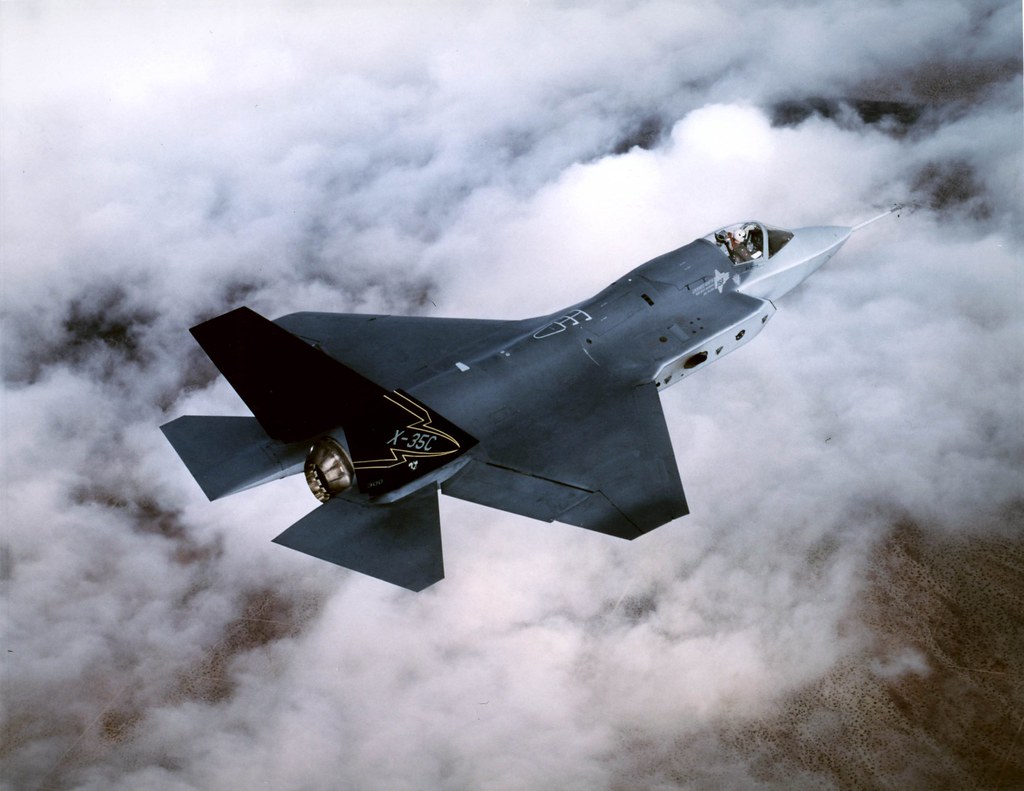
According to Lockheed Martin, in ideal cases, the F-22 Radar Cross Section can be as low as that of a steel marble, significantly helped by aggressive shaping and radar-absorbing material. Optimized for strike missions, the F-35 stealth design features aligned edges and engine masking; its RCS is somewhat larger. While the Raptor stealth advantage is fitted for air-to-air dominance, the balance for the Lightning II puts low observability together with flexibility in payload.
6. Weapons Capability
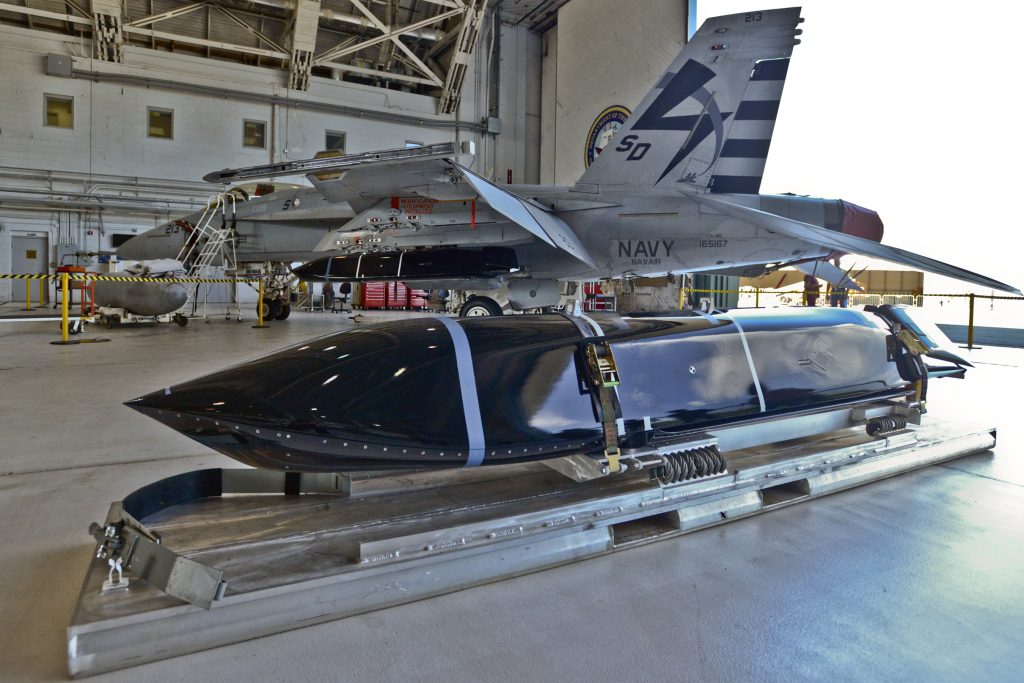
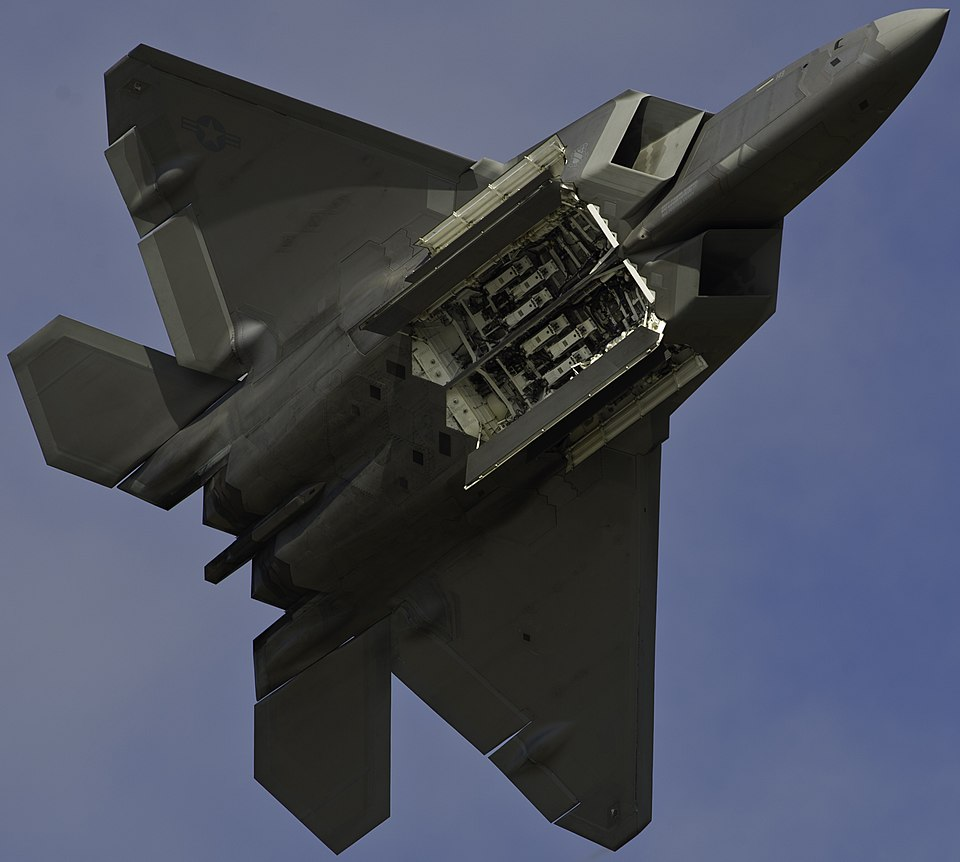
The F-35 supports many more types of munitions, including nuclear weapons like the B61-12, anti-ship missiles such as the AGM-158C LRASM, and standoff weapons. Heavier loads can be supported on external hardpoints when stealth is not important. The F-22 continues to focus on air-to-air missiles: six LAU-142/A launchers in the main bay and two LAU-141/A launchers in side bays, with the ability to carry JDAMs or Small Diameter Bombs for precision strikes.
7. Export Policy Impact
A Congressional prohibition on exports of the F-22 limited the technology of that fighter to only the U.S. Air Force, which denied the potential foreign sales from lowering the jet’s cost-a big difference between it and the F-35, designed to be sold internationally. Today, more than a dozen countries either operate or are set to operate the Lightning II as they build interoperability with shared development costs.

8. Modernization Paths
Last but not least, despite the delays to 2031, continuous software-driven upgrades flowing to the F-35 under its Block 4 program remain ongoing. Structural and open architecture allows for the rapid integration of new sensors and weapons. In return, F-22 modernization is less comprehensive, though it includes stealth sustainment, improvement of sensor capabilities such as Infrared Search and Track pods, electronic warfare, and low-drag fuel tanks that extend range while retaining super cruise.
9. Block 20 Raptors Upgrade Modernization of 32 older
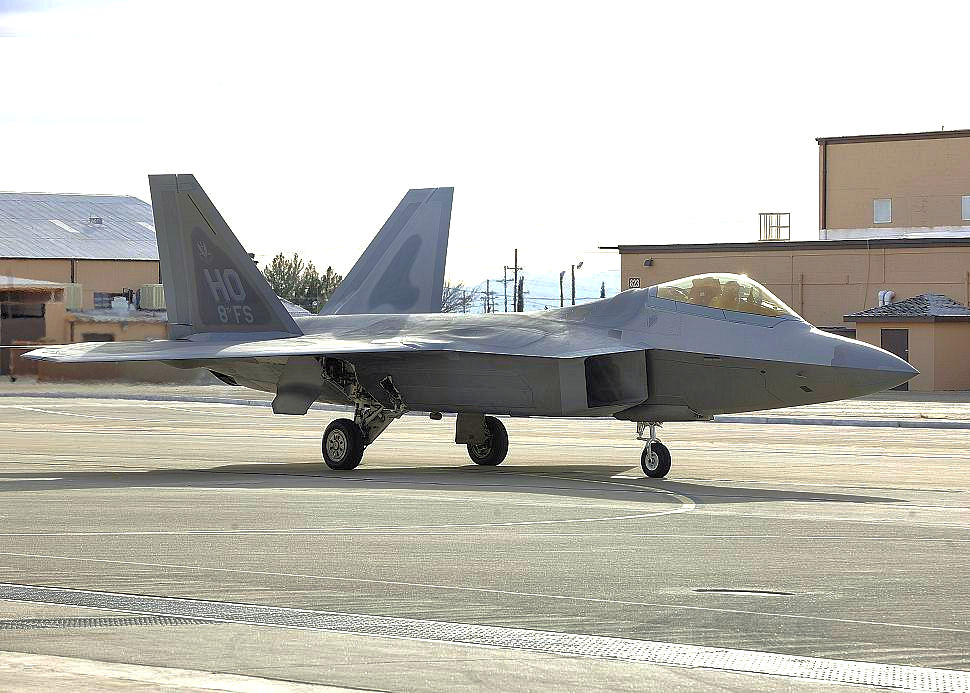
Block 20 F-22s by Lockheed Martin could push the number of combat-coded jets upwards by more than 20%. Modernization upgrades will come in the form of open mission systems architecture, advanced stealth coatings, IRST sensors, integration of the AIM-260 missile, and crewed-uncrewed teaming. This sustains training capacity and hedges against potential F-47 delays.
10. Replacement Strategy and the F-47
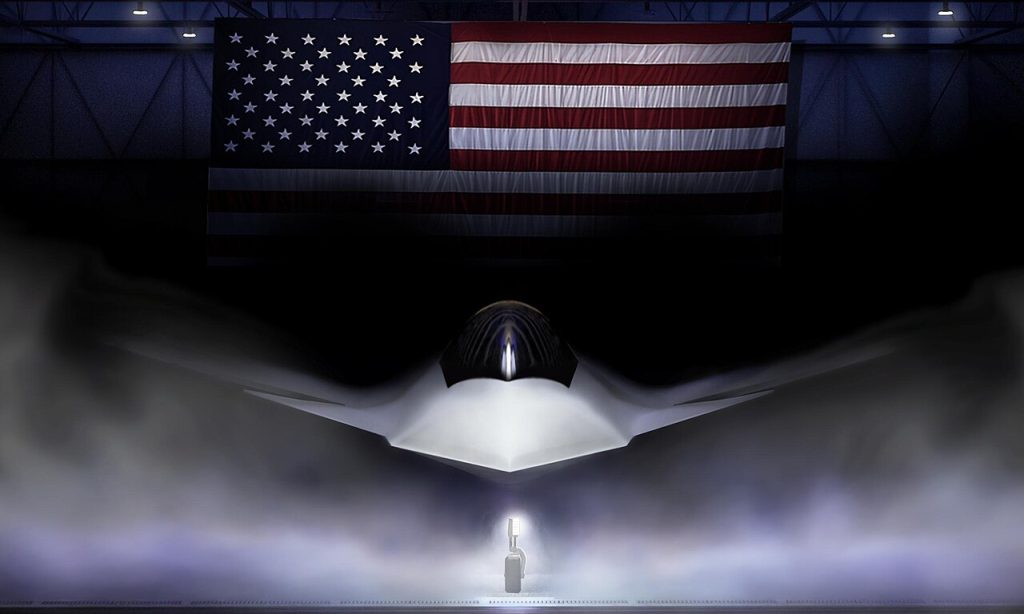
Boeing F-47, designed under the Next Generation Air Dominance program, is supposed to replace the F-22; it enjoys a combat radius over 1,000 nautical miles, speeds of Mach 2+, and more advanced all-aspect stealth. The Air Force intends to purchase at least 185 units, but timelines are fluid. This keeps Raptors viable during this process, sustaining and upgrading them up until the time when the F-47 comes online, thus providing bridge air superiority. The F-22 Raptor and F-35 Lightning II speak to different eras and philosophies in fighter design; one is a bespoke air dominance machine, another is a versatile, globally integrated strike platform. Cost comparisons undergird the impact of production scale, export policy, and mission scope, while contrasts in capability further highlight their complementary role. As the Air Force bridges to the F-47, both jets will continue to shape the tactical and strategic landscape, each fulfilling the mission it was built to dominate.


