
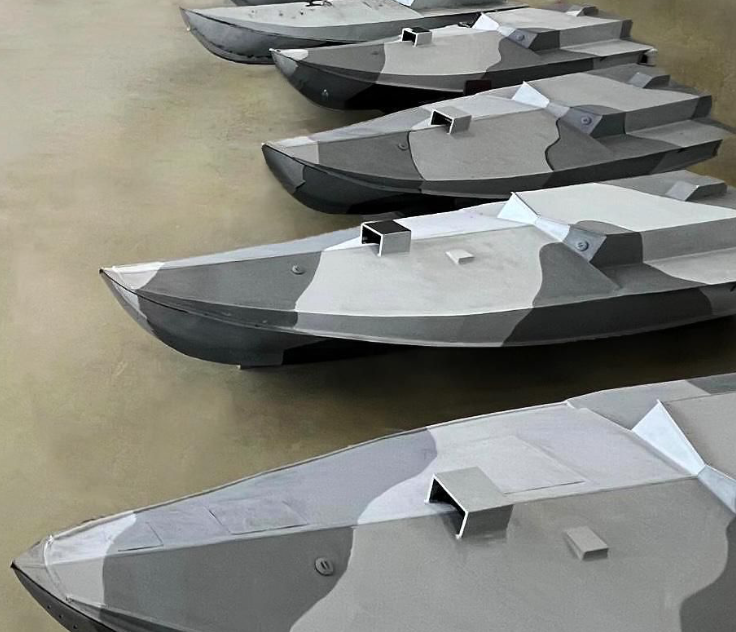
Can one precision strike change how energy markets work? Events in the final days of November 2025 suggest yes. Ukraine’s deployment of advanced sea drones against Russia’s Novorossiysk oil terminal has shut down a key artery of crude supply and chilled as much as 2% of world output, rippling from geopolitics through corporate boardrooms to commodity exchanges.
The CPC terminal has become a linchpin for Russian and Kazakh exports; it operates under constrained capacity after one of its offshore mooring systems was crippled. A truism was underlined: that targeted infrastructure attacks can reshape market dynamics, strain alliances, and force strategic recalculations from OPEC into the boardrooms of energy firms. The following is a breakdown of the most consequential developments emerging from this strike and the aftermath.
1. Novorossiysk’s Strategic Vulnerability Exposed
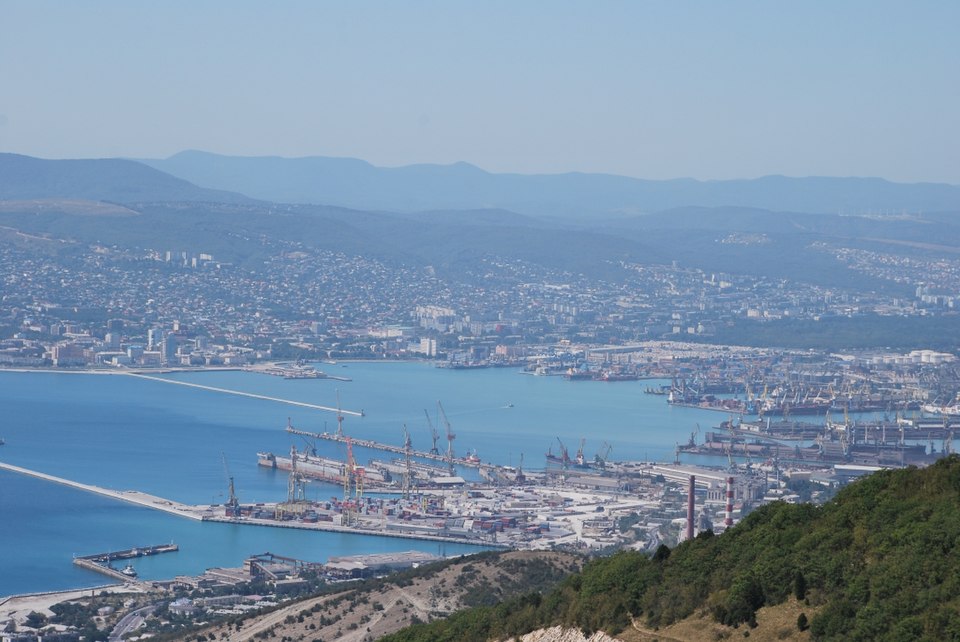
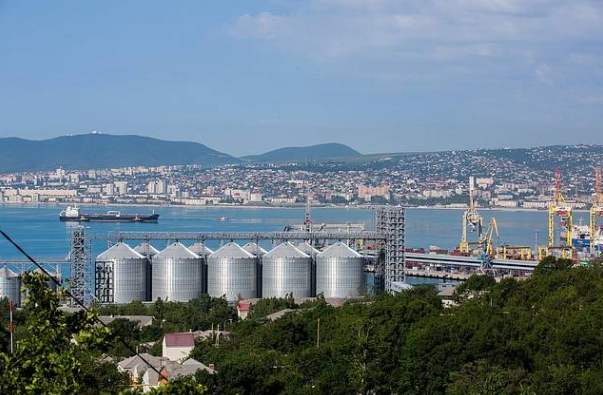
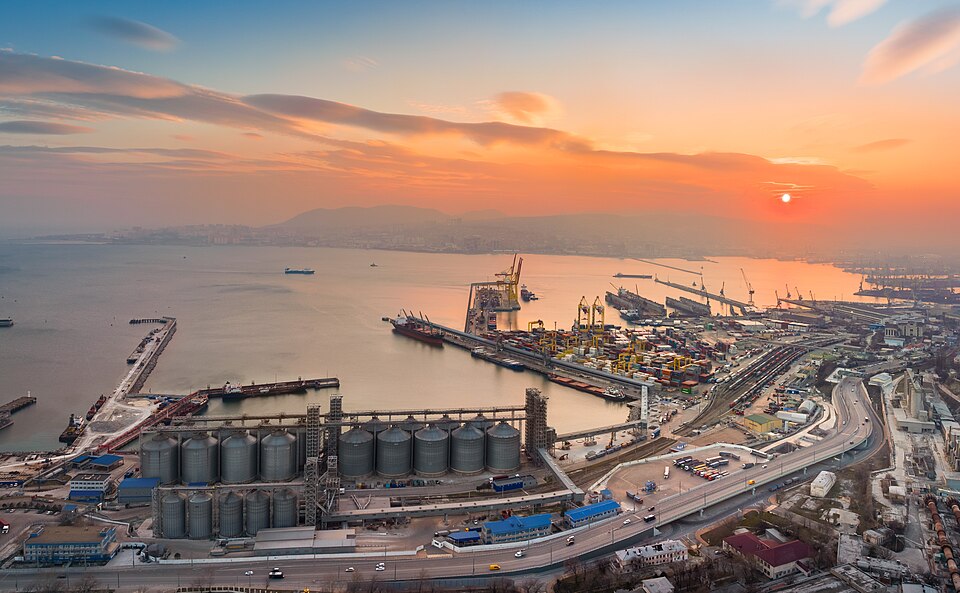
Handling approximately 20% of Russia’s crude exports, Novorossiysk is something more than a port-it is a nodal point feeding Moscow’s revenue streams. The CPC’s marine terminal, with three single-point moorings offshore, is the key loading point for tankers bound for markets worldwide. The strike that hit SPM‑2 on 29 November completely stopped all cargo operations, forced tankers out, and initiated an automatic pipeline shutdown to avert an oil spill. The incident demonstrated how fragile Russia’s southern export infrastructure is in the face of precise strikes by naval drones.
2. Global Implication of a 2% Supply Shock
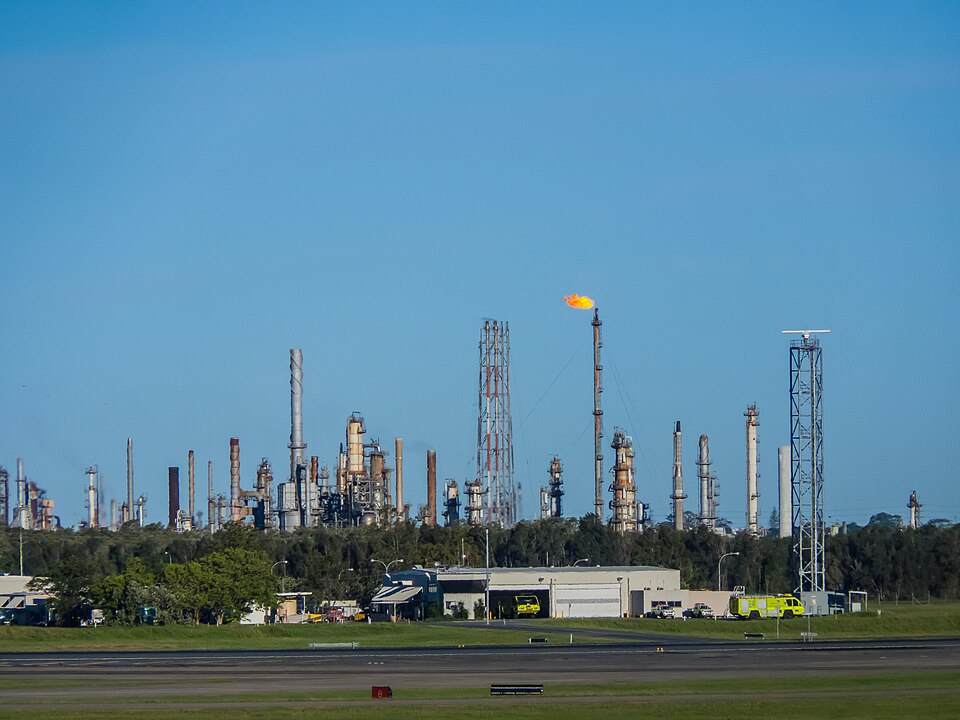
But 2% of worldwide crude production-some 2.2 million barrels a day-is seismic in energy markets. That’s the amount that Saudi Arabia produces every day, or Libya in its entirety. Upheaval on that scale ripples upward through refineries, shipping contracts, and fuel prices around the world. Analysts say volatility could force Brent futures higher should this outage continue to pressure OPEC to change output, with inflation and recession risks.
3. Kazakhstan Economic Crossfire
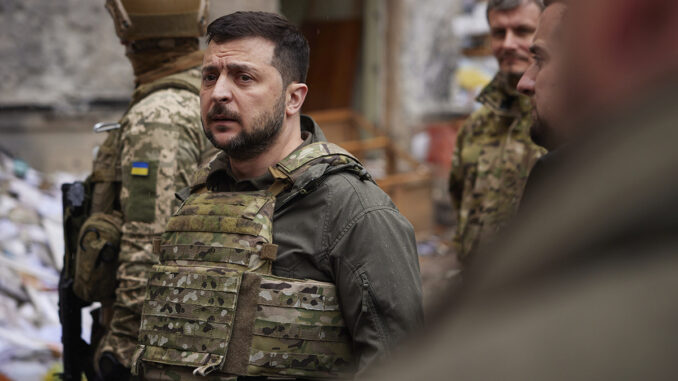
Kazakstan sends some 80% of its crude via CPC and is thus left particularly exposed. The SPM‑2 outage eliminated direct access to about 55mn tonnes of annual capacity. Almaty issued a rare formal protest, referring to the terminal as an “exclusively civilian facility” and threatening harmed relations with Kyiv. At the same time, Kazakhstan can ill afford to jettison Russian transit routes on pain of devastating economic consequences. Nor can it afford to be insensitive to Ukraine’s wartime needs.
4. Silent Losses of Western Energy Majors
Combined, Chevron, ExxonMobil, Shell, and Eni own more than 30% of CPC. Every barrel exported via Novorossiysk means revenues for these firms, much of it derived from the Kazakhistans Tengiz, Kashagan, and Karachaganak fields. The strike had frozen about 46.6 million tonnes of annual throughput for foreign shippers. None publicly acknowledged the hit, but market pricing reflected increased supply anxiety, with the attendant underlining of the exposure of Western corporate interests to regional conflict.
5. Plans and Schedules for Repairs
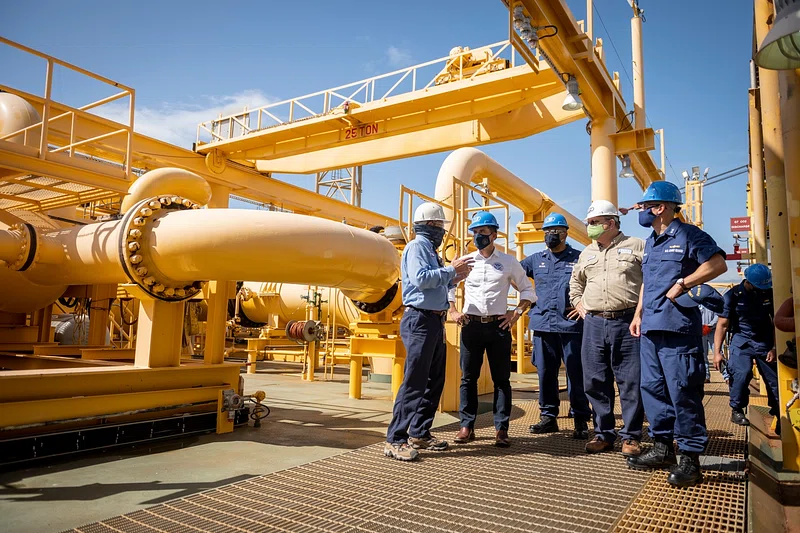
SPM‑3, which went down in mid‑November for maintenance, should be back online in days ‑ well ahead of schedule ‑ and, together with SPM‑1 may restore full capacity. But SPM‑2 will take months longer. Replacement parts are expensive and slow to put into place under wartime conditions. With just two moorings working, CPC operates at a bit over half its full capacity, leaving no redundancy against another strike.
6. Ukraine’s Sea Drone Arsenal Evolves
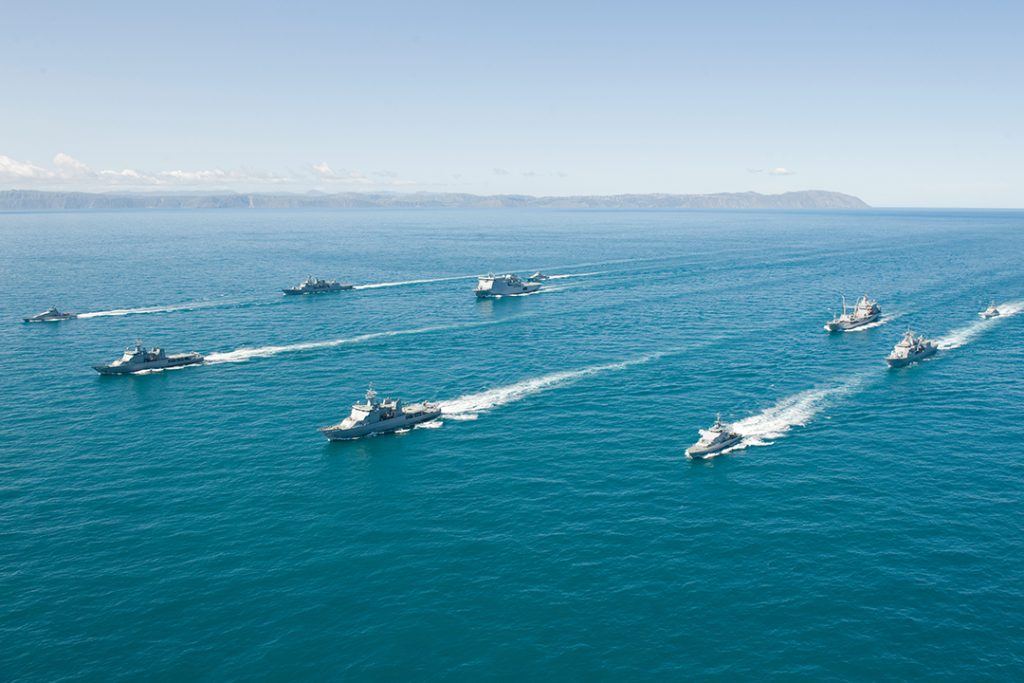
Now, the Security Service of Ukraine’s “Sea Baby” platform has a range of 1,500 kilometers, a payload of 2,000 kilograms, AI-assisted targeting, and modular weapon systems. Brig. Gen. Ivan Lukashevych told the Associated Press, “The SBU became the first in the world to pioneer this new kind of naval warfare-and we continue to advance it.” These drones have already forced Russia’s navy to relocate from Sevastopol to Novorossiysk, illustrating their strategic reach.
7. Wider Russian Export Disruptions
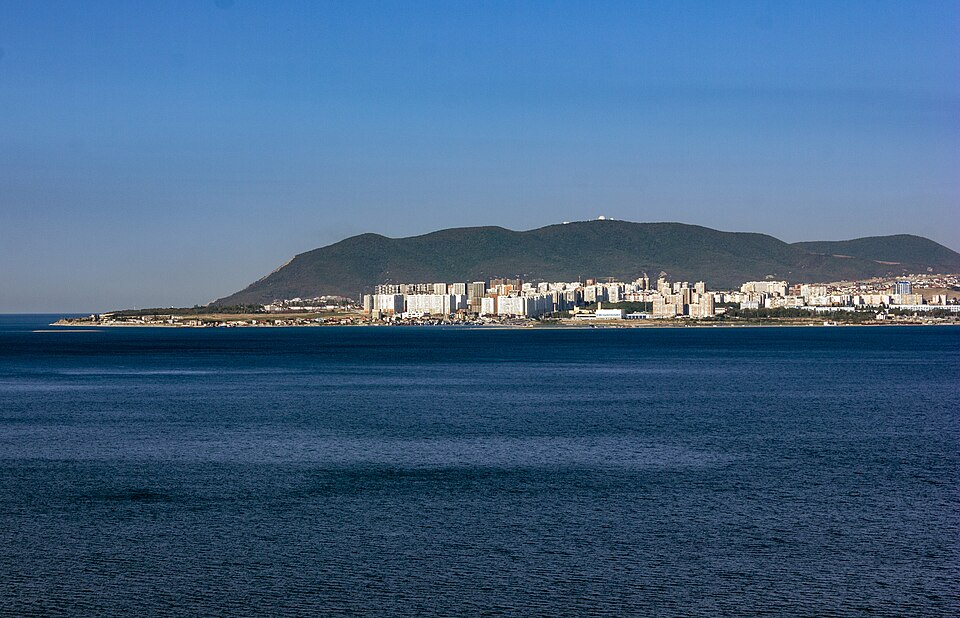
Novorossiysk’s woes come hot on the heels of a collapse at Primorsk, Russia’s largest Baltic crude terminal, where shipments plunged 73% in late November. That both Black Sea and Baltic hubs are in focus at roughly the same time suggests a coordinated Ukrainian strategy to constrict Russia’s export options. Arctic and Caspian alternatives face logistical and geopolitical constraints; this draws an increasingly taut noose on Moscow’s crude flows.
8. Diplomatic Fallout with Turkey
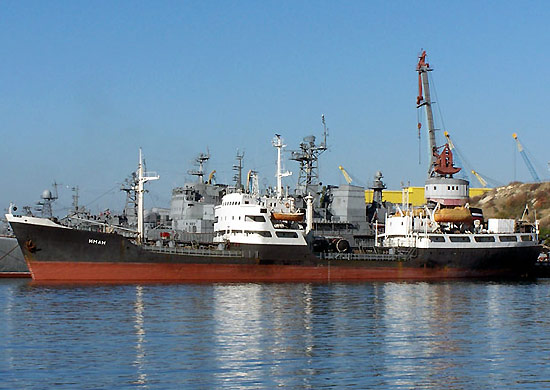
The strike against the two sanctioned Russian tankers by Ukraine fell within the exclusive economic zone of Turkey. Turkish Energy Minister Alparslan Bayraktar suggested that both sides should “keep the energy infrastructure out of this war.” In Ankara, the reaction showed how regional partners whose maritime corridors are critical for world trade could be alienated, and the environmental perils if fully laden vessels were struck.
9. Kazakhstan in Search of Alternative Routes
With CPC impaired, Kazakhstan is trying alternatives. In December, it will export 50,000 tonnes of Kashagan crude to China via the Atasu‑Alashankou pipeline a small volume compared to CPC throughput. Routes across the Caspian to Azerbaijan’s BTC pipe, or via the Druzhba network, have restricted capacity and are more expensive. Europe remains Kazakhstan’s key market a strategic pivot eastward is economically tough.
10. Market Volatility and Strategic Realignment
Energy Aspects estimates this CPC outage cut near‑term supply by 1 million barrels per day. Such shocks can precipitate inventory releases, speculative hoarding, or price spikes. If Ukraine continues to keep pressure on Novorossiysk and Primorsk, global markets are likely to reweight away from Russian exports to the benefit of alternatives. The calculus is more stark for Kazakhstan and Western stakeholders-to operate in a war zone or to withdraw and cede the infrastructure to Russian control.
The November 29 strike on Novorossiysk’s SPM‑2 is more than a tactical victory; it is a case study in how precision warfare against energy infrastructure will reshape global supply chains, unsettle alliances, and force strategic recalculations. As repairs inch forward and diplomatic tensions mount, the episode underlines a new reality: in the age of autonomous systems, the security of oil flows is no longer guaranteed by distance or defenses but by the ability to protect fixed assets from low‑cost, high‑impact threats.


