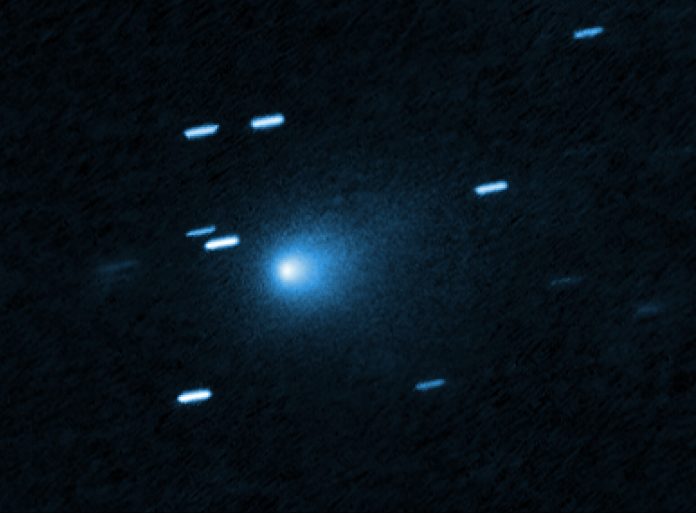
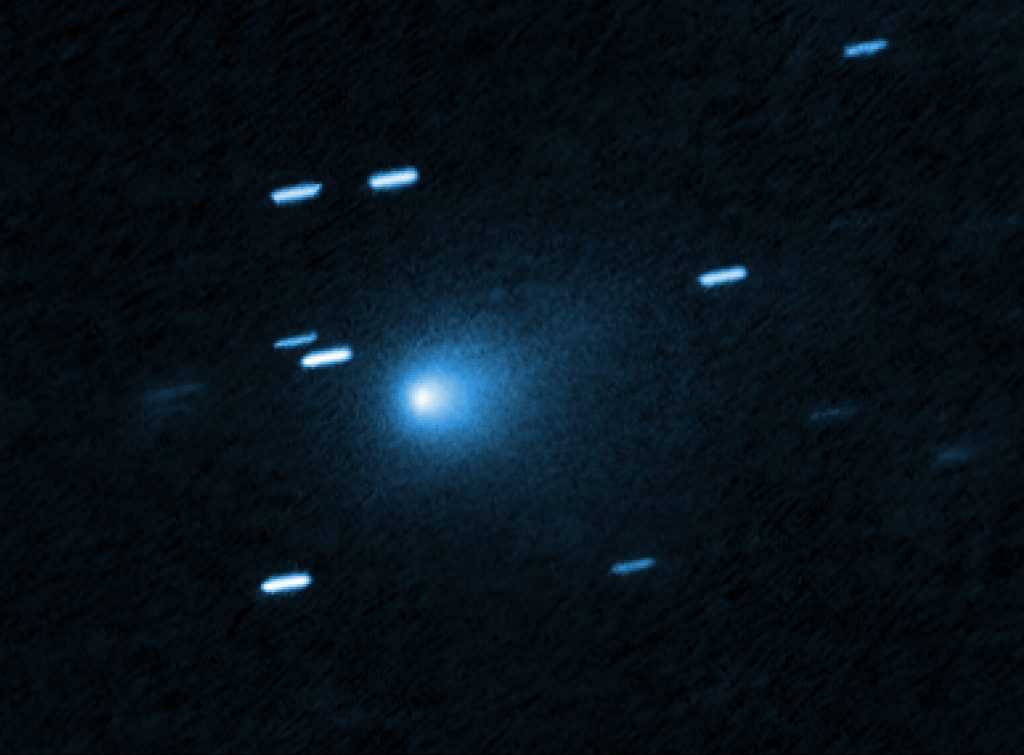
Could a frozen wanderer from another star hold secrets older than the Sun itself? The interstellar comet 3I/ATLAS, only the third confirmed object to enter our solar system from beyond, is offering scientists an unprecedented opportunity to find out. Since its discovery in July of 2025, it has been the focus of an extraordinary global observation campaign, revealing a wealth of information regarding its chemistry, structure, and origins.
Now, NASA and international teams have pieced together the most detailed portrait yet of this icy visitor. Far from the speculative realm of alien spacecraft, the data paint a picture of a natural comet carrying a chemical fingerprint from a distant, ancient planetary system. From cryovolcanic eruptions to unusual metal vapors, 3I/ATLAS is rewriting what scientists thought they knew about cometary behavior-both in our solar system and beyond.
1. Confirmed Natural Origins
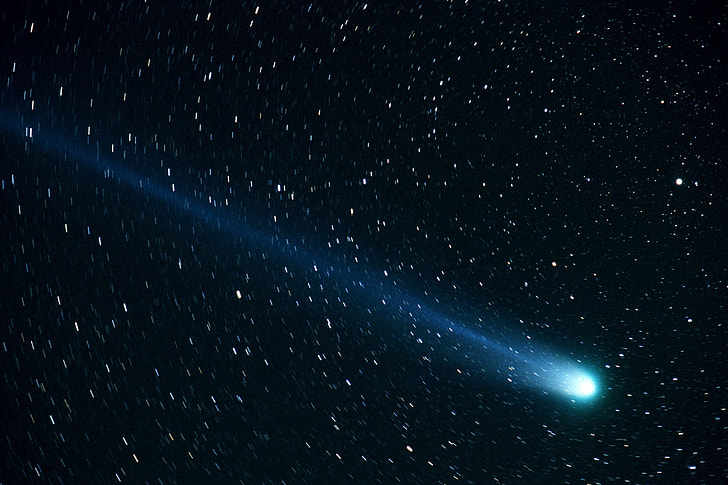
Despite the wave of online theories linking 3I/ATLAS to alien technology, the comet is indeed natural, according to NASA. “This object is a comet,” said NASA Associate Administrator Amit Kshatriya. Observations reveal no technosignatures or artificial activity. Its trajectory is strictly gravitational; there is no propulsion at work, no course corrections, and it will come no closer than 170 million miles (270 million km) from Earth, thus posing no threat.
2. A Solar System-Wide Observation Campaign
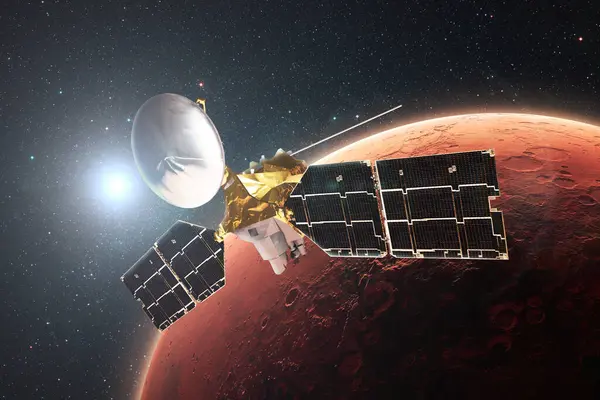
Tracking 3I/ATLAS required coordination with more than 20 missions, from Earth orbit to Mars and beyond. The Mars Reconnaissance Orbiter captured its coma from 90 million miles away, MAVEN detected hydrogen from sublimating water ice, and the James Webb Space Telescope provided the first infrared view of an interstellar object. Even the Parker Solar Probe and Perseverance rover contributed, marking the first time an interstellar object was imaged from another planetary surface.
3. Origin in an Ancient Star System
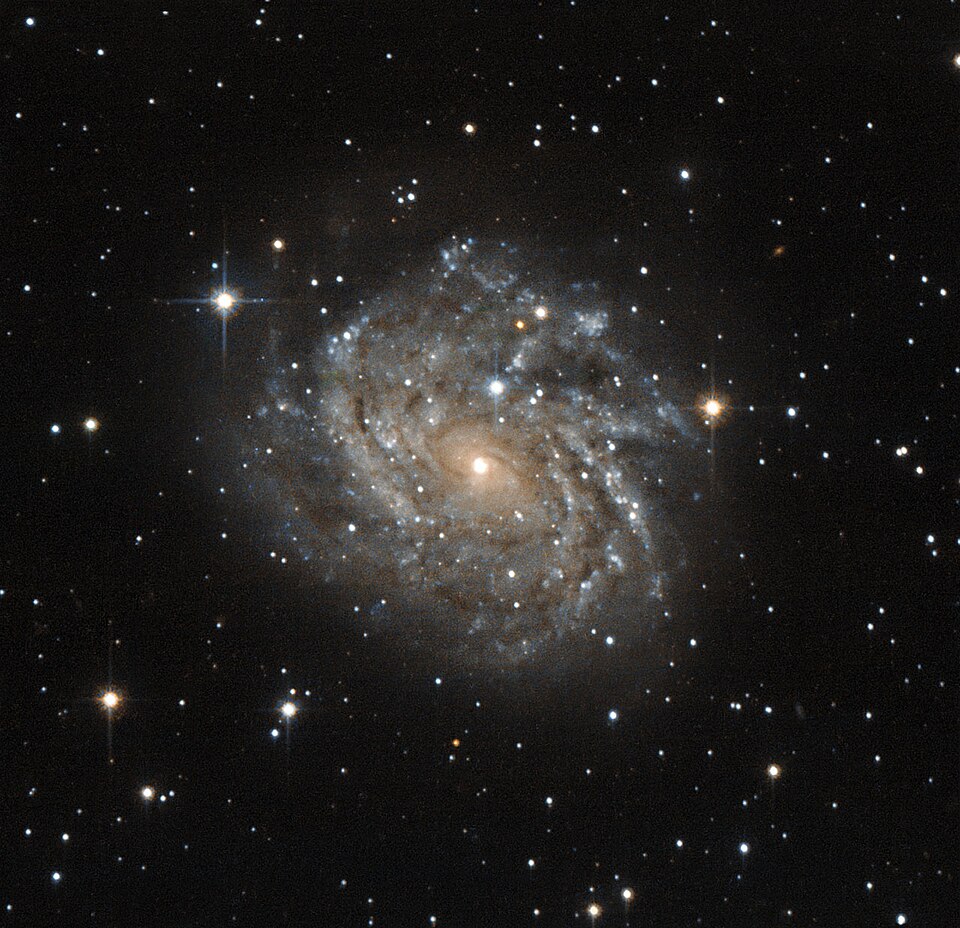
Models suggest that 3I/ATLAS most likely formed in a planetary system older than our own, possibly more than 7.6 billion years old. In this regard, it is truly a time capsule from the early galaxy, preserving material forged when heavy elements were scarcer. Studying it could yield clues to whether the building blocks of planets vary across different stellar environments.
4. Water Ice in the Coma
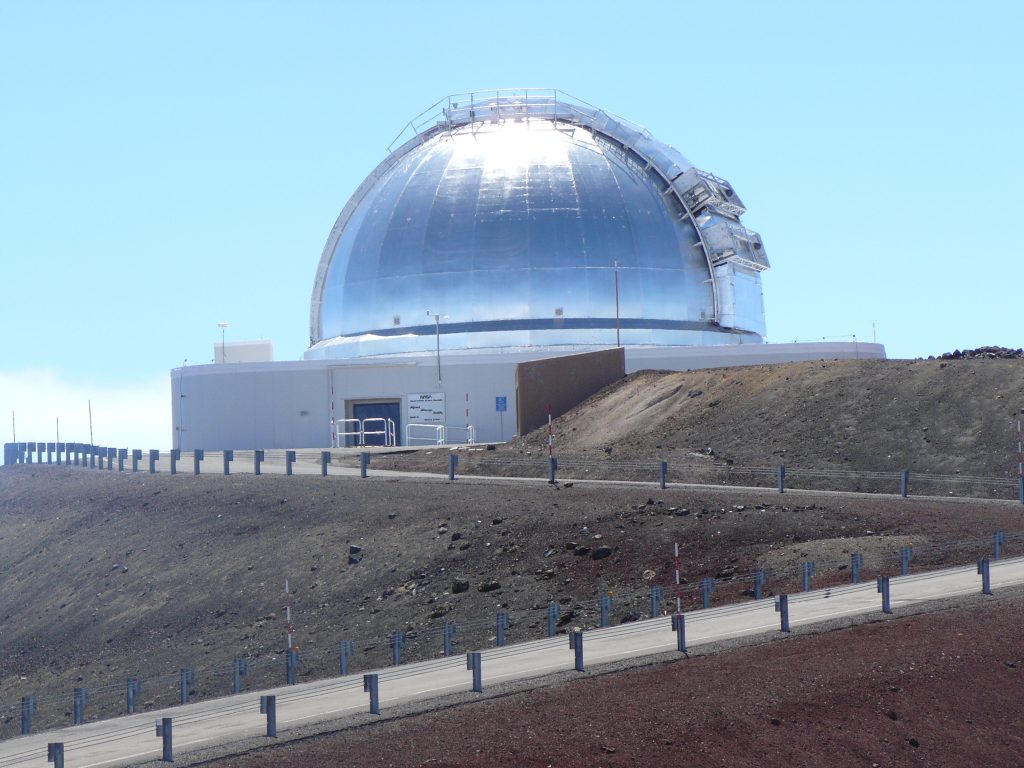
Near-infrared spectroscopy from Gemini South and NASA’s IRTF detected the broad absorption feature near 2.0 μm, consistent with abundant water ice grains. The spectral modeling points to a mixture of 63% amorphous carbon and 37% water ice by volume at about 120 K. The lack of the 1.5 μm water-ice band, as in some comets, is probably due to small grain sizes and mixing with dark material.
5. An Unusual CO₂-to-Water Ratio
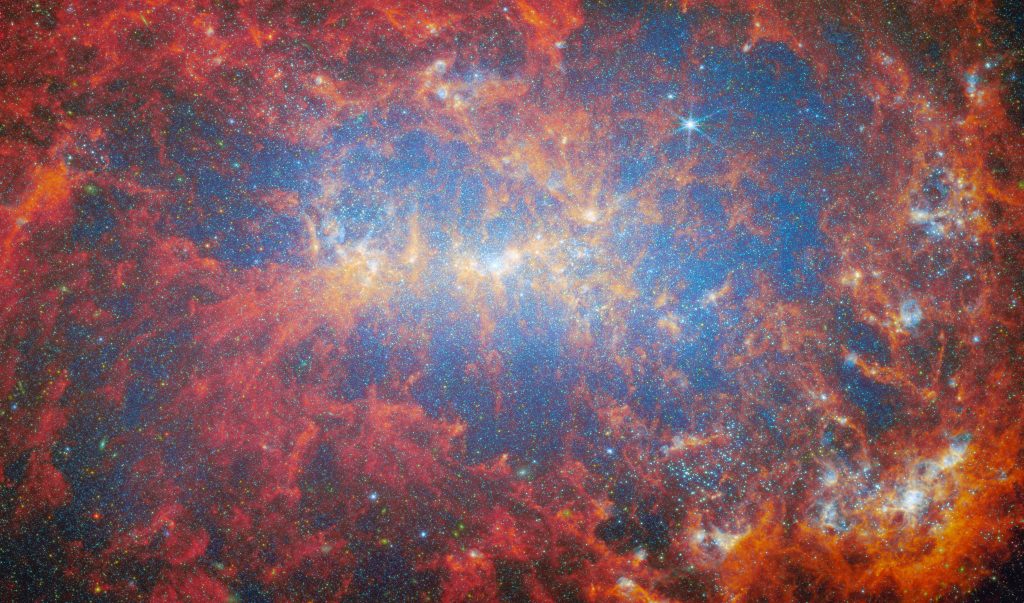
JWST observations revealed a CO₂/H₂O ratio of about 8:1 far higher than typical solar system comets. That suggests 3I/ATLAS formed in a cold region where carbon dioxide could freeze efficiently, possibly under harsher radiation from an older star. Such a composition could have influenced the comet’s volatile release patterns during its solar encounter.
6. Nickel Without Iron
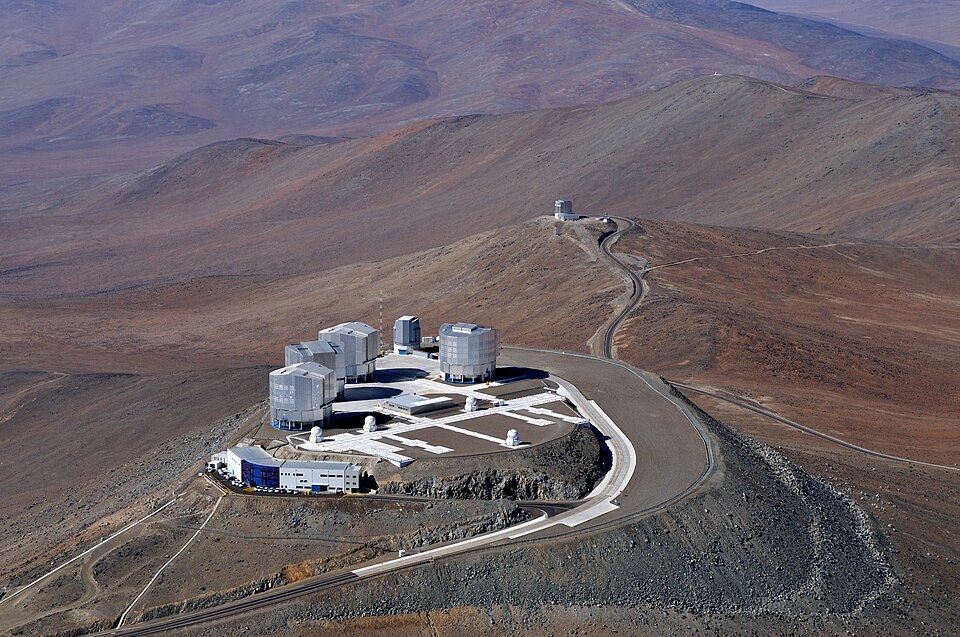
Using the Very Large Telescope, scientists were able to spot nickel vapor at 3.88 AU from the Sun, well below the temperature at which metals would normally sublimate. Iron was not observed. All this points to a scenario in which the nickel is bound up in fragile molecules-nickel carbonyl, perhaps-which are readily dissociated by sunlight at low temperatures, a process that is not generally seen in solar system comets.
7. Cryovolcanic Eruptions
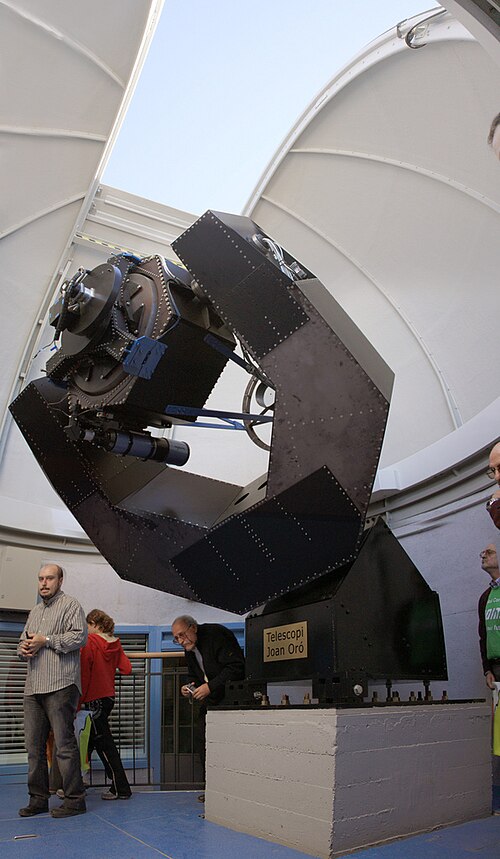
High-resolution images from the Joan Oró Telescope and others revealed a number of jets of gas and dust interpreted as cryovolcanoes. Such an eruption would have taken place when solar heating sublime CO₂ ice and allowed the oxidizing liquids to react with nickel-and iron-bearing grains. Activity like this in icy trans-Neptunian objects should indicate compositional similarities despite its interstellar origin.
8. Characteristic dust behaviour
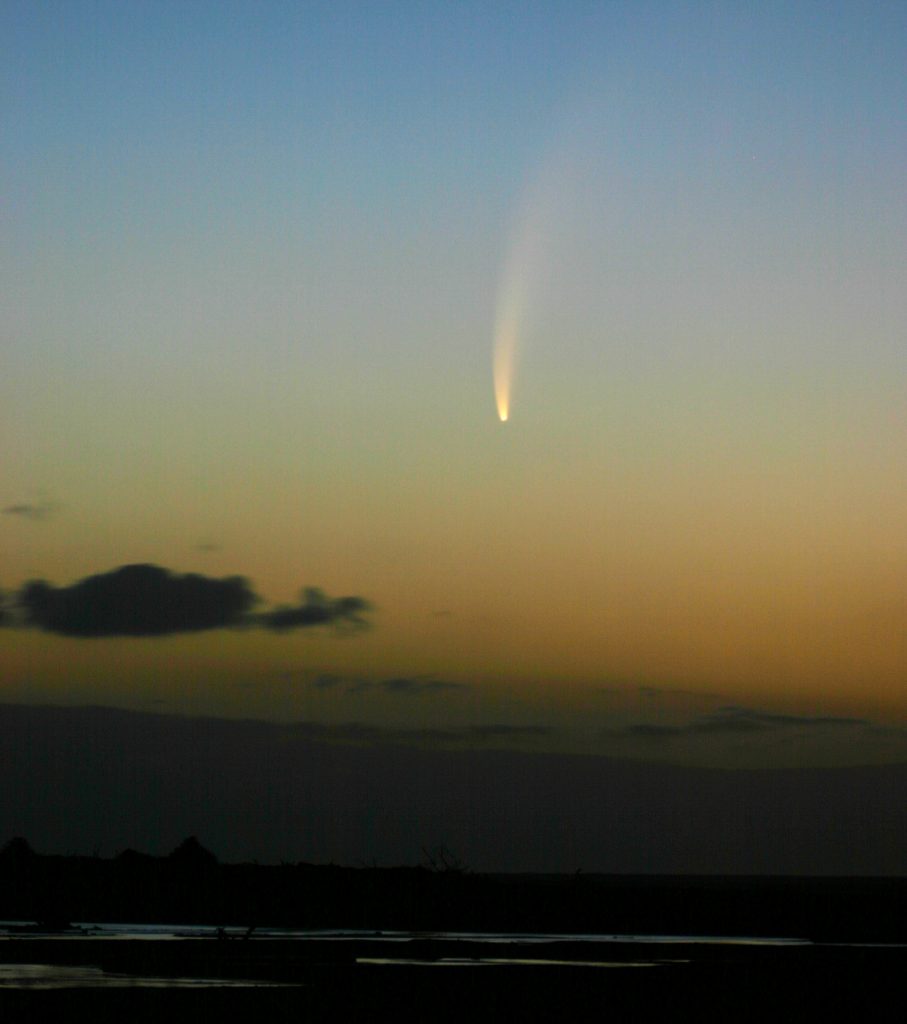
Its dust was first seen streaming sunward, until solar radiation pressure turned it around – an unusual sequence for a comet in the solar system. Grain-size analysis shows that its dust may be different from local comets and could reflect conditions peculiar to the outer regions of its home system.
9. Stable Optical Properties
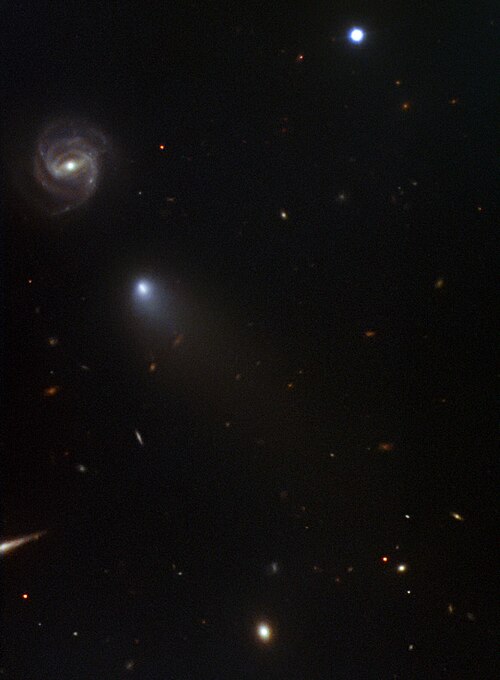
Comparisons of spectra taken nine days apart with different instruments show slopes and features that are consistent, indicating short-term stability in the coma’s scattering properties. This stability increases confidence in the derived composition and supports coordinated multiwavelength observation strategies for future interstellar visitors. 3I/ ATLAS has proved to be far more than a transient novelty. It’s a messenger from another star, carrying with it chemical and physical records from a place that humans may never see.
Every finding-from volatile-rich ices to its surprising nickel chemistry-finds its place in the growing mosaic of how planetary systems form and evolve throughout the galaxy. As it recedes into the dark, the data it leaves behind will continue to shape our knowledge of the cosmos for decades to come.


