
Basically, Geoffrey Hinton, the “Godfather of AI,” asked what happens when companies use AI to replace the same human workers on a massive scale. Speaking with Senator Bernie Sanders, Hinton warned that trillion-dollar AI investments in data centers and chips are not just about innovation itself. These investments further represent something much bigger than technological progress. As per his statement, the main profit will come from selling AI that can do workers’ jobs at much lower cost, and these companies are betting on AI replacing many workers.

1. AI’s Labor Market Disruption
Labor economics studies further support Hinton’s concerns, showing that generative AI adoption itself could displace 3% to 14% of jobs based on how fast it spreads and which sectors get affected. As per Goldman Sachs economists, AI can boost productivity by 15% when fully used, but regarding jobs, unemployment may go up by 0.5% in the short term. Basically, jobs in marketing consulting, graphic design, and call centers are already getting affected because companies are hiring less people due to AI doing the same work more efficiently. As per broad job mix data, system-wide changes will take years to happen, regarding past technology shifts like computer and internet changes.

2. Corporate Overcapacity and Strategic Retrenchment
As per surveys by BearingPoint, nearly half of global executives say their workforce is 10-19% more than needed due to AI adoption. This actually shows two big problems: companies definitely need to cut old jobs while finding new people who know AI work. The gap between companies that adopt new technology early and those that wait is actually getting bigger, and every month of delay definitely means competitors move ahead. Companies that act quickly and balance automation with training their workers will actually be the winners.

3. The AI Investment Bubble Debate
We are seeing Nvidia CEO Jensen Huang saying this is not a bubble, but analysts are pointing to risky spending patterns only. Also, big Tech companies will surely spend $400 billion on AI technology in 2025. Moreover, experts predict this spending could reach $3-4 trillion each year by 2030. Complex money arrangements, like special companies that hide debt from main records, surely remind us of Enron-time methods. Moreover, these structures make financial reporting less transparent for investors. As per market analysis, circular deals like Nvidia giving money to OpenAI for building data centers that purchase Nvidia chips create fake demand. Regarding such arrangements, the actual market need appears higher than reality. Skeptics like Michael Burry warn that real end demand itself is very small and depends heavily on dealer funding, which further raises concerns about market stability.
4. Energy Infrastructure Strain
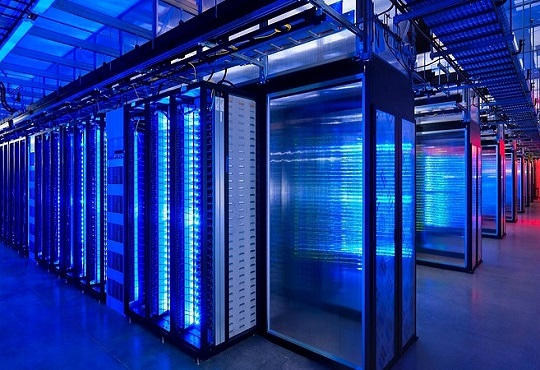
As per current trends, AI data centers are changing power grids regarding their structure and capacity. Basically, Arizona facilities use 7.4% of the state’s electricity and Oregon uses 11.4% the same way. As per the International Energy Agency report, one ChatGPT request uses 10 times more electricity regarding power consumption compared to a Google Search. Hyperscale AI campuses use more than 100 megawatt-hours each month, which is five times more than older data centers itself. This further shows how much power these new AI facilities need. Basically, utilities like Salt River Project want to double or triple their power capacity in ten years, which means they need hundreds of miles of new power lines and the same billions of dollars for upgrading their systems.
5. Water Consumption and Pollution Risks
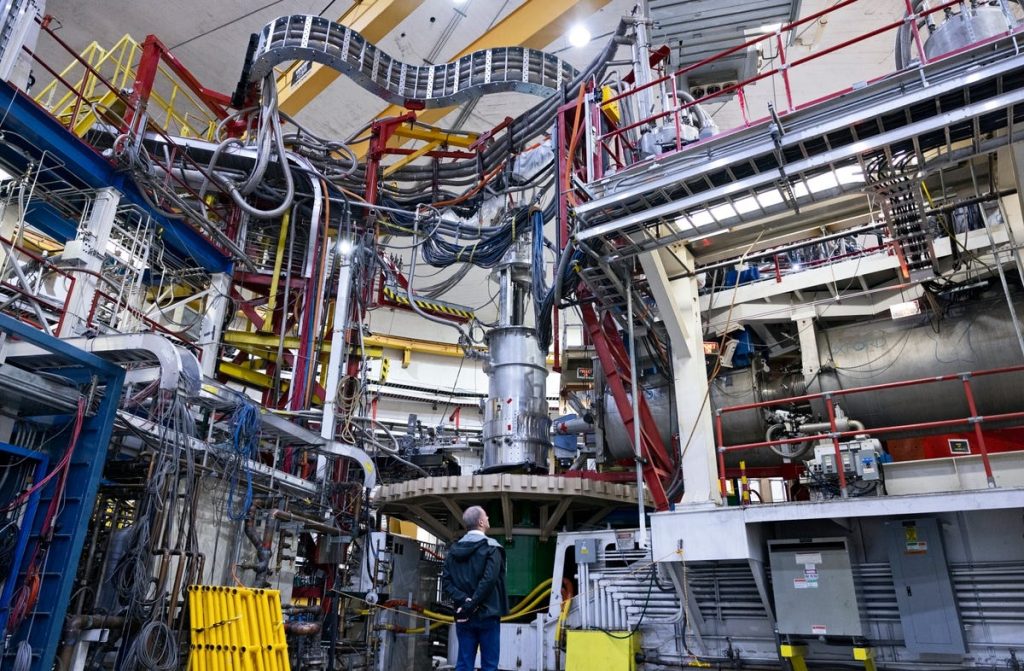
Further, basically, big AI data centers use the same amount of water as 50,000 people daily – around 5 million gallons just for cooling. Amazon’s facilities in Morrow County, Oregon, surely use water from an underground source that is already polluted with nitrates from farm chemicals. Moreover, this contamination comes from agricultural runoff that has seeped into the groundwater over time. Water used for cooling servers actually goes back to waste systems with more nitrates, which definitely makes pollution worse. Data centers across the country actually used 163.7 billion gallons of water in 2021, and power plants definitely added another 211 billion gallons in 2023.
6. Health Impacts Near Data Centers
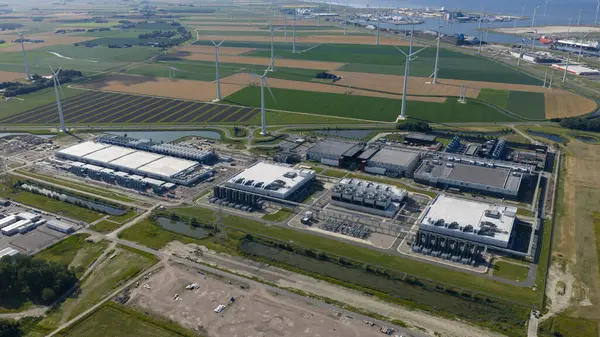
Communities living near AI infrastructure have surely reported higher cases of rare cancers and pregnancy losses. Moreover, these health problems show a clear pattern in areas close to such facilities. As per the data, water usage by data centers in Northern Virginia went up by 63% from 2019 to 2023, creating problems regarding drinking water supplies. Also, in Oregon’s Lower Umatilla Basin, nitrate levels in private wells have increased further to four times the federal safety limit, and this contamination itself causes organ failure and reproductive health problems for residents.

7. Regulatory Frameworks and Gaps
We are seeing big money and nature problems, but only the U.S. Basically, AI regulation is the same everywhere – all broken up into different pieces. The National AI Initiative Act and NIST’s AI Risk Management Framework surely provide basic governance standards, but most supervision focuses on government agencies rather than private companies. Moreover, this approach leaves significant gaps in overseeing how AI affects the private sector. Basically, Senator Mark Warner says we shouldn’t make the same mistake with AI that we made with social media by not putting proper rules. UNEP wants companies to measure environmental impact the same way everywhere and make it mandatory to report how AI affects sustainability.
8. Pathways to Mitigation
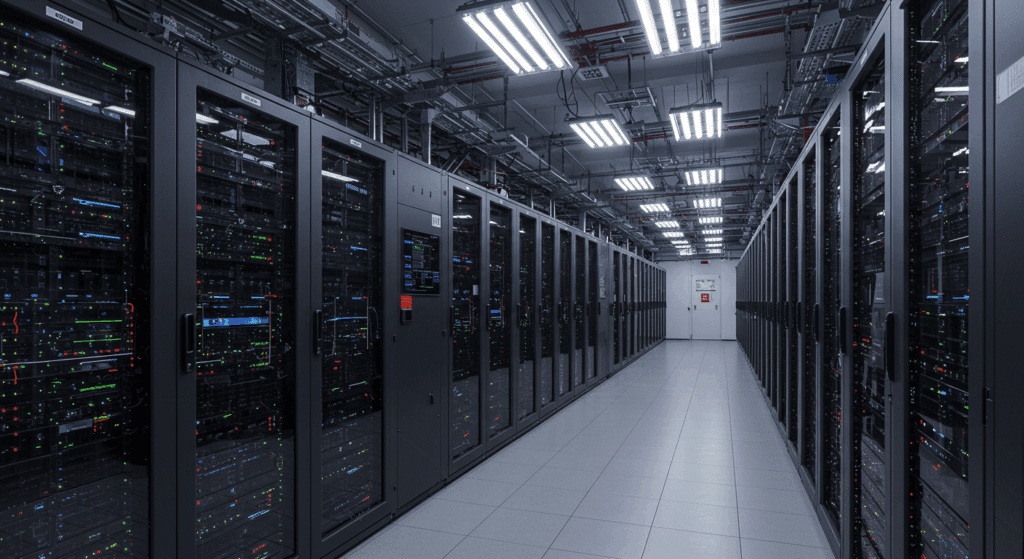
Basically, we have engineering solutions that can reduce AI’s environmental impact, and the same methods can help make technology more sustainable. Closed-loop cooling systems can further reduce freshwater usage by up to 70%, while immersion cooling with dielectric fluids itself eliminates most water consumption. Basically, if data centers switch to renewable energy like solar or wind, they would reduce the same indirect water usage that comes from steam-based fossil fuel plants. Basically, companies need to train their workers with new skills and make flexible job policies so that AI helps employees do their work better instead of taking away the same jobs from them.
Basically, job problems, risky investments, and environmental damage are all happening at the same time, which proves Hinton’s warning was right. The future path itself may not be clear, but current problems like overcapacity, infrastructure stress, and environmental damage are already visible and will further affect long-term development.


