

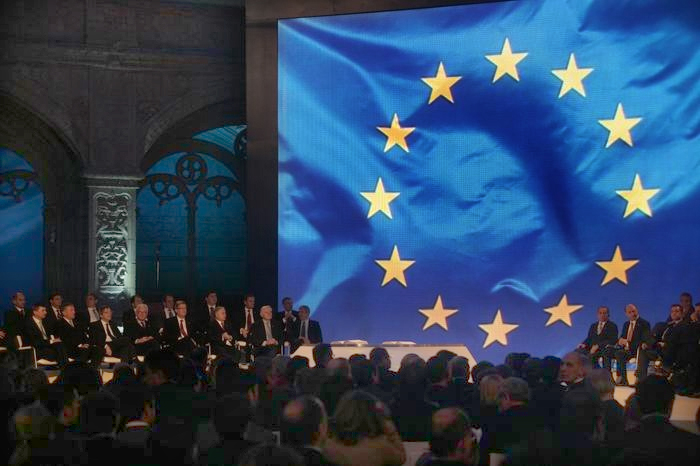
It began with a letter-six European leaders, from Italy’s Giorgia Meloni to Bulgaria’s Rosen Zhelyazkov, urging European Commission President Ursula von der Leyen to rethink the 2035 zero‑emission vehicle mandate. Their pitch: keep plug‑in hybrids, range‑extended electrics, and fuel‑cell cars in the mix beyond the cut‑off. In a continent where the auto sector accounts for 13.8 million jobs and around 7% of GDP, the request is more than political theatre-it’s a direct challenge to the EU’s electrification compass.
1. Political Pressure to Soften the 2035 Ban
The coalition, in a broader correspondence joined by Germany, frames its case around “technological neutrality.” This principle would allow national governments to decide their own propulsion mix, from hydrogen to biofuels, rather than enforcing an all‑battery electric future. They warn that a hard ban risks turning Europe into an “industrial desert,” especially given the accelerated review of emissions rules, now brought forward from 2026 to this month. Timing is critical: EV adoption has plateaued, with only 17% of cars registered in 2025 fully electric, far short of the trajectory needed to meet the current target.

2. Economic Headwinds and Global Competition
Europe’s car manufacturers are confronting a triple whammy: anemic local EV demand, aggressive competition from China, and spiraling costs across everything from energy to labor. Chinese players such as BYD have swamped the market, drawing on vertically integrated supply chains and subsidies amounting to 4.4% of GDP. Even Tesla is suffering: its registrations slumped more than 50% in France and Sweden. The situation is worsened by the erosion of export markets in both China and the US: German net car exports have fallen by half since before the pandemic, and tariffs in the US cut European car exports to America by 13% in early 2025.
3. Plug‑in Hybrids: Efficiency and Emissions Reality
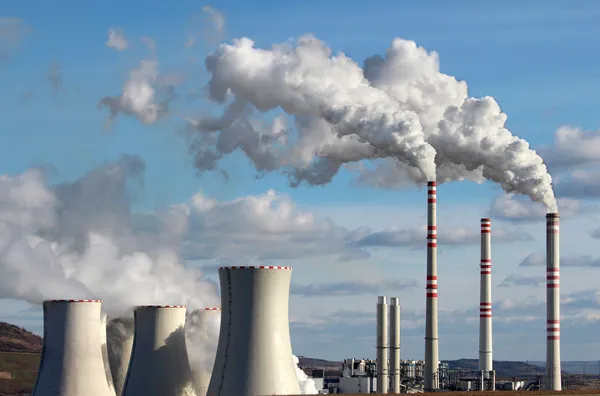
Plug‑in hybrids are central to the leaders’ plea, yet their technical profile is mixed. While capable of low emissions in optimal use-regularly charged and driven mostly on electric mode-real‑world data shows average CO₂ emissions far above test‑cycle values. A €55,000 average price and reliance on liquid fuels limit their role in affordable decarbonisation. Synthetic fuels, another proposed pathway, cost €6–€8 per litre, raising questions about scalability.
4. Battery Supply Chain Vulnerabilities
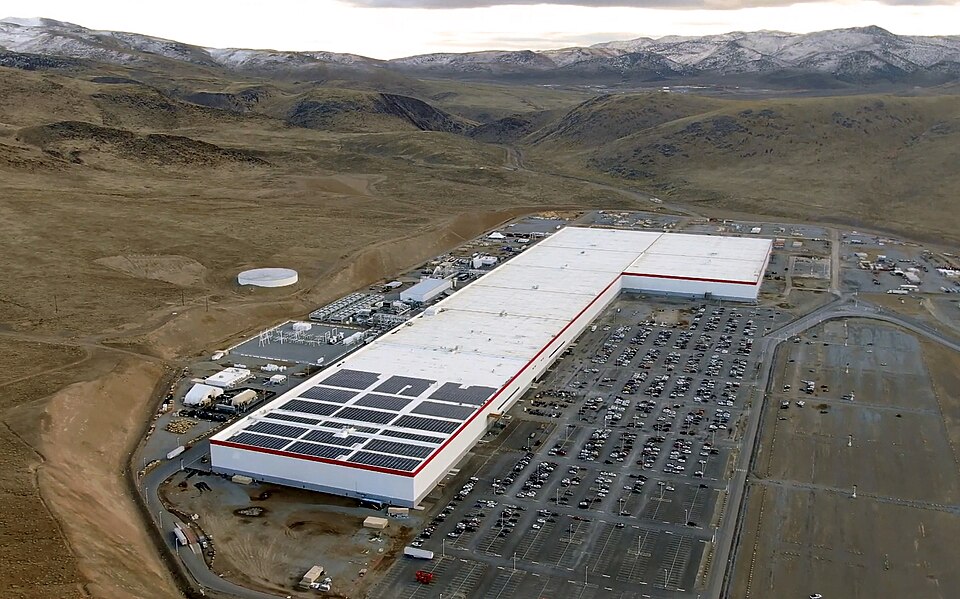
Europe’s battery ambitions have stumbled. Announced cell capacity far outstrips forecasted demand, but the flagship projects have been struggling: Northvolt filed for bankruptcy in 2025 as the Swedish firm struggled to scale high‑quality production. EU production of batteries is dominated by Asian giants, including CATL, EVE Power, and BYD gigafactories in Hungary alone. Heavy reliance on non‑EU suppliers creates risks around strategic dependence, particularly in light of increasingly politically instrumentalised Chinese investment.
5. Fuel‑Cell Vehicles: Technology Readiness and Infrastructure Gaps
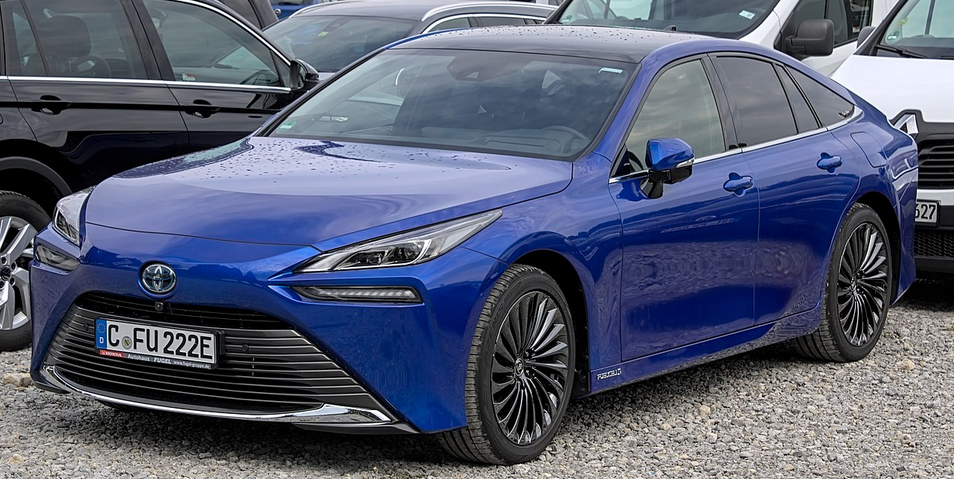
Another alternative floated by the coalition, hydrogen fuel‑cell cars, faces high hurdles: the EU’s refuelling infrastructure for hydrogen remains sparse, concentrated in Germany and parts of France; production costs of green hydrogen remain high, and vehicle offerings are limited. Fuel‑cell adoption will stay niche in passenger segments until there is a rapid scale‑up in both refuelling points and supply.
6. Industrial Geography and Structural Shifts
The European Union’s automotive map has shifted east: Central and Eastern Europe – Czechia, Slovakia, Poland, Hungary, and Romania – currently assemble nearly a third of EU passenger cars, often as part of German supply chains. This cluster’s resilience is linked with German premium exports, themselves strained by falling Chinese sales. Contemplation by Volkswagen of factory closures, and Audi’s plans for 7,500 job cuts, presage the ripple effects across the region.
7. Policy Uncertainty and Market Signals
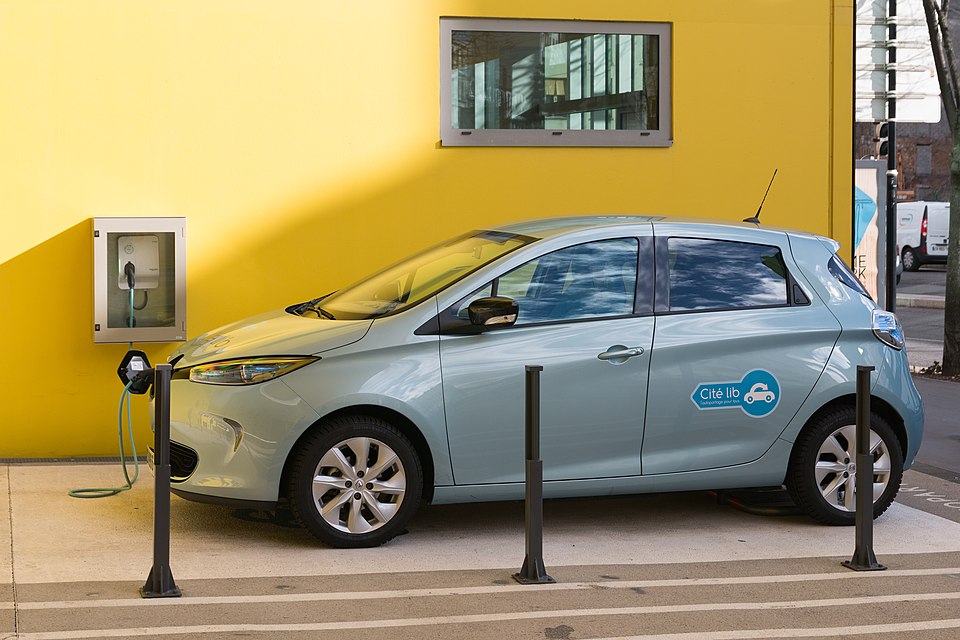
Volatile policy signals-debates over rolling back the 2035 target, shifting subsidies-are eroding consumer confidence. France’s eco‑bonus scheme offers a model for stability: it ties subsidies to low‑carbon production criteria and filters out high‑emission imports effectively. If applied EU-wide, such a system could harmonize incentives, support domestic value chains, and avoid subsidizing Chinese-built EVs.

8. Fleet Electrification and Corporate Demand
Corporate fleets account for roughly 60% of new car registrations in Europe, yet most tax breaks currently favor ICE models. Extending eco‑bonus criteria to fleets could increase demand for medium and premium EVs, benefiting German manufacturers, while complementing consumer‑focused incentives supporting French, Italian, and Spanish producers.
9. The Global Context: Lessons from California
Across the Atlantic, California’s own 2035 zero‑emission target is under political fire, with Congress moving to revoke key waivers. The pushback underlines a basic reality-that infrastructure readiness, affordability, and political alignment are all factors that shape mandate viability. For Europe, the lesson couldn’t be clearer: without coherent industrial strategy and demand‑side alignment, even well‑intentioned targets risk being derailed.
A decision expected from the EU in the coming weeks will set the tone for its automotive future: whether it holds the line on the 2035 ban or opens the door to hybrids and fuel‑cells, the choice will reverberate through investment plans, supply chains, and Europe’s standing in the global race for electrification.


